Posts

TCL's 163-inch X11H Max Micro LED TV highlighting China's aggressive pricing strategy in the premium display market.

Micro LED TVs Breaking the 100 Million Won Barrier, Shaking the Dominance of “K-Display”

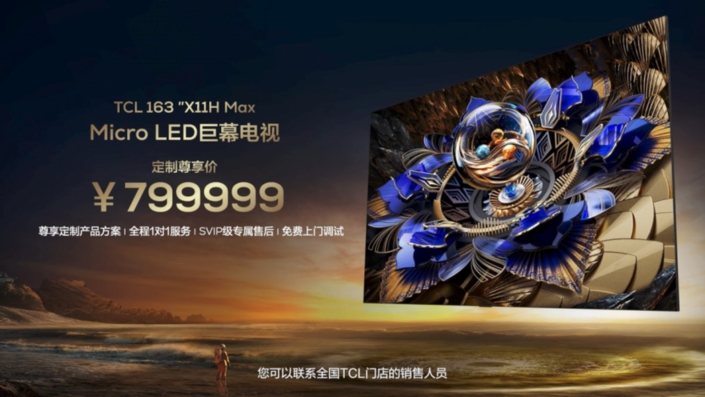
TCL's 163-inch X11H Max Micro LED TV launched at an aggressive price of 799,999 RMB

China’s TCL targeting the high-end market with its aggressively priced (799,999 RMB) 163-inch Micro LED TV, the ‘X11H Max’. (Source: TCL)

Chinese Firms Launch Price Reduction Offensive Despite Limitations of “Thin Line”… Mass Production Technology Gap is Ramped Up, Korean Government Accelerates Micro-LED Fostering Policy… Will the “Golden Time” Come at the End of 2026?

Korean industry insiders’ expressions were mixed when they saw a 160-inch micro-LED TV from a Chinese company unveiled at a global consumer electronics exhibition. Only a year or two ago, the dominant evaluation was that “it is still far away,” but now there is a sense of crisis in the air, as if “if it continues like this, they will really overtake us.”

Specs are on par, details are lacking…but what is frightening is capacity.

The micro-LED TVs launched by major Chinese companies such as TCL are not inferior to their Korean counterparts in terms of numerical specifications alone: brightness exceeding 10,000 nits and 4K resolution indicate that hardware performance has reached its limits.

Of course, a closer look with the eye reveals that differences in technical perfection still exist. Seam-lines at the joints of the unit panels are noticeable at certain angles and on bright screens, and the phenomenon of microscopic irregularities (mura), which occurs when the uniformity of the entire screen is reduced, is also noticeable. This is evidence that Samsung and LG are still one step ahead of the competition when it comes to image quality algorithms and fine process control technology.

The problem, however, is that China is breaking through these technological imperfections with its “overwhelming mass production capacity (CAPA)” and “unbeatable prices.” At half the price of Korean products, which easily exceed 100 million won and even offer premiums, aggressive marketing is rapidly lowering the barriers to entry in the high-end market. The company is not resting on its technological superiority.

No time to rest on technological superiority…Vertical integration of SCM is an urgent issue 

Historically, market share in the display industry has been directly related to the speed of development of mass production technology. If China gets a head start on market share by launching a mass production offensive, the problems of shim lines and speckles currently pointed out are likely to improve more rapidly than expected.

This is precisely why Korean firms cannot stand still, content with their current technological superiority. They must now move beyond their overwhelming differences in the laboratory and focus their destiny on productivity innovations that can win in the real marketplace.

  • Vertical integration of SCM: The supply chain from the micro-LED chip to the transfer (Transfer) process to the drive IC must be brought in-house to ensure cost competitiveness.
  • Bold investment: Preemptive investment in next-generation transfer technology and mass production lines for large backplanes is needed to shake off China’s pursuit.

The fateful moment at the end of 2026 when the true strength of K-display will be tested

The Korean government-led micro-LED fostering policy is set to begin in earnest at the end of 2026, and expectations in the industry are rising. However, the market situation is not optimistic enough to view this as mere optimism. This is because China is already accumulating learning effects from mass production, using its overwhelming scale of production to compensate for the shortcomings of details such as seam lines and spots.

In the end, the end of 2026 is expected to be the “turning point” that will determine whether Korean firms will be able to keep their technological pride or follow the LCD rut, said UBI Research analyst Joohan Kim. The end of 2026 will not be a time for celebration, but the toughest period, when Korean companies will have to prove whether the SCM and productivity improvement initiatives they have built can hold off China’s onslaught.

Joohan Kim, Senior Analyst at UBI Research (joohanus@ubiresearch.com)

▶101 inch Micro-LED Set BOM Cost Analysis For TVs

▶Industry Trends and Technology of Micro-LED Displays for XR Report

※ This article is produced by UBIResearchNet.

Unauthorized reproduction or citation without source attribution is prohibited.

When quoting, please clearly indicate the source (UBIResearchNet) and provide a link.

Huawei's new foldable smartphone 'Mate X7' highlighting the rapid expansion of the Chinese foldable OLED supply chain.

China’s Foldable OLED Supply Chain Expands as Shipments Sustain High Growth

Exterior of Huawei's new foldable smartphone 'Mate X7', which utilizes Chinese foldable OLED panels from suppliers like BOE and Visionox

Huawei’s new foldable smartphone ‘Mate X7’, featuring foldable OLED panels from Chinese suppliers. (Source: GSMArena)

As China’s  smartphone market grows rapidly, the panel supply chain is entering a full-scale expansion phase. Companies currently supplying foldable OLED panels to Chinese set makers include Samsung Display, BOE, TCL CSOT, Tianma, and Visionox, forming a competitive landscape between global and Chinese suppliers.

In terms of shipments, Chinese panel makers are showing steep growth in foldable OLED supply. Shipments increased from around 1.3 million units in 2021 to over 10 million units in 2025, representing a CAGR of more than 70%. This reflects not only the expansion of China’s foldable smartphone market but also the rapid rise in localization of panel supply.

By company, BOE leads not only in conventional smartphone OLED panels but also in foldable OLED shipments. BOE maintains market leadership by supplying panels to major brands such as Huawei, Oppo, and Vivo. However, after rising sharply through 2024, BOE’s shipments slightly declined in 2025.

TCL CSOT ranks second in foldable OLED supply, shipping more than 3 million units in 2025. Its key customers include Motorola, Xiaomi, and Honor.

Visionox also supplies foldable OLED panels mainly to Huawei and Honor, while Tianma began limited shipments in 2025, marking its formal entry into the market.

Overall, China’s foldable OLED market is transitioning from an early expansion phase to a stage characterized by intensified competition and customer diversification. Going forward, yield stabilization and cost competitiveness are expected to become critical factors shaping the market landscape.

Detailed information on the foldable OLED supply chain structure, panel makers’ development trends, and shipment volumes by company can be found in UBI Research’s China Trend Report.

Junho Kim, Analyst at UBI Research (alertriot@ubiresearch.com)

▶Pre-register for Display Korea 2026

▶ China Trends Report Inquiry

※ This article is produced by UBIResearchNet.
Unauthorized reproduction or citation without source attribution is prohibited.
When quoting, please clearly indicate the source (UBIResearchNet) and provide a link.

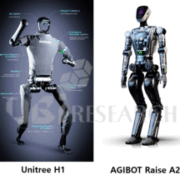
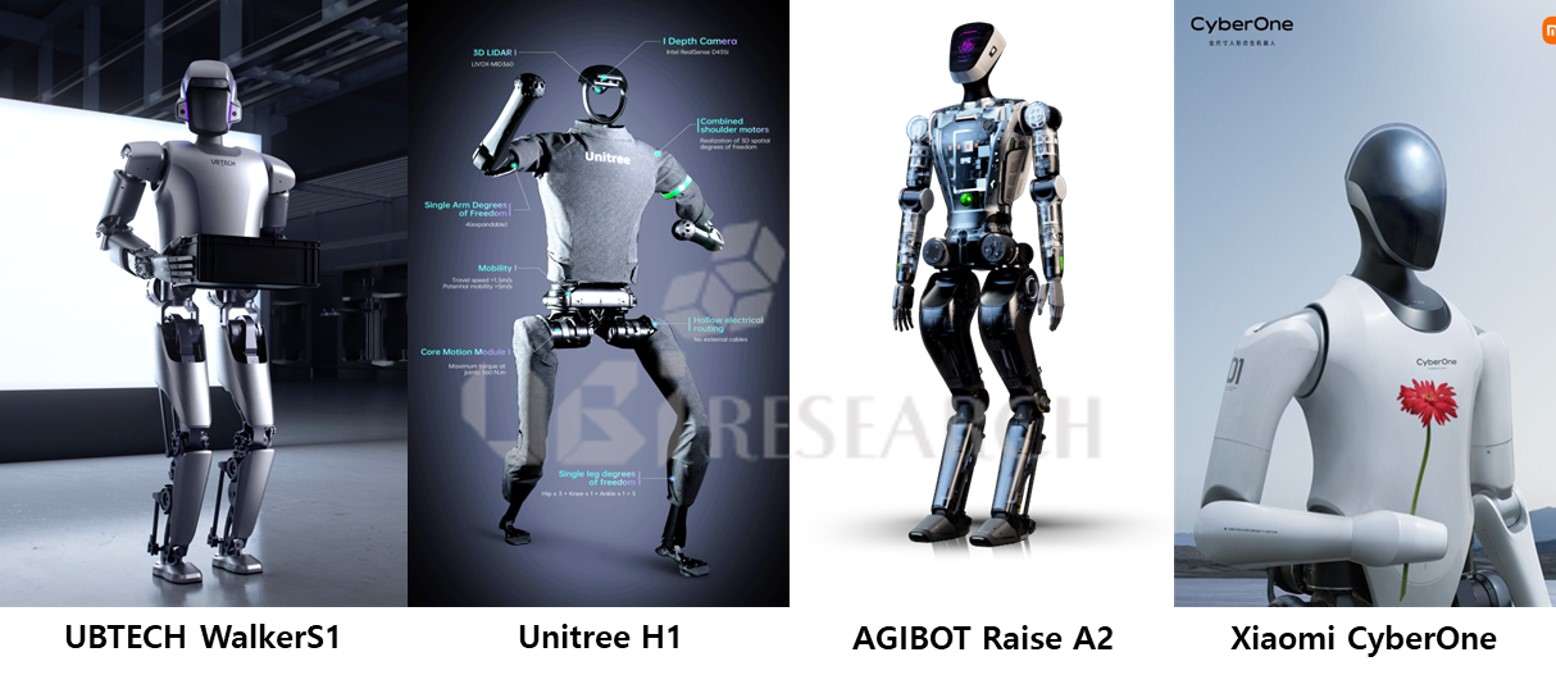
Four leading Chinese humanoid robots showcasing the evolution of the industry from industrial functional design to emotional interaction.

Humanoid Display HMI: China Edition – Standards, Policy Framework, and Supply-Chain Roadmap

2025 was recorded as the “first year of humanoid robots,” as a large number of humanoid robots were unveiled, led by the United States and China. Moving beyond a phase in which global robotics companies were primarily validating technical feasibility, 2026 is expected to mark the year when humanoid robots enter a full-scale diffusion phase. As they are deployed into real operations across manufacturing, logistics, and service environments, the pace of adoption on industrial sites is accelerating further, driven by the combination of more advanced AI, localization of key components, and cost reductions. Humanoid robots are no longer a “technology to showcase,” but are increasingly being positioned as labor agents expected to deliver measurable outcomes.

China is at the forefront of this transition. Industrial clusters built around Jing-Jin-Ji, the Yangtze River Delta, and the Pearl River Delta have expanded in scale as supply-chain integration and internalization have rapidly progressed, spanning from core components to finished products. Recent assessments suggest that the total enterprise value of humanoid robot companies in China has exceeded RMB 200 billion, and analysts note that the market is moving into a scaling phase, with clearer stratification from leading players to startups. In particular, as on-site adoption shifts from “proof-of-concept demonstrations” to “repeated deployments,” the importance of mass-producible platforms, stable component sourcing, and standardized operational practices is rising in parallel.

Two defining characteristics of China’s ecosystem are an “ecosystem that has built its own value chain from core components to final products,” and the “growing presence of smartphone OEMs.” Alongside established leaders such as UBTECH and Unitree, emerging challengers such as AgiBot have risen rapidly, broadening the competitive landscape. UBTECH focuses on factory and logistics scenarios centered on its industrial Walker series, while Unitree is expanding from research and education into industrial applications through lineups such as H1 and G1. AgiBot is strengthening its presence by emphasizing mass-production readiness and industrial deployment with product families such as Raise A1 and A2. Meanwhile, smartphone manufacturers such as Honor and Xiaomi are also increasing their visibility in robotics through external events and public initiatives. Leveraging capabilities accumulated in the smartphone industry—AI, cameras, sensors, user-experience (UX) design, and supply-chain operations—they are reinforcing strategies to elevate humanoid HMI (Human–Machine Interface) from a “function-centered” approach toward an “experience-centered” approach. As a result, China is forming a structure in which “industrial (safety, operations)” and “service (interaction, emotion)” directions develop in parallel.

Exterior view of four representative Chinese humanoid robots: UBTECH, Unitree, AgiBot, and Xiaomi

Four major models leading the Chinese humanoid robot ecosystem. UBTECH, Unitree, and AgiBot focus on industrial deployment and mass production, while Xiaomi applies an emotional HMI.

This diffusion phase is being underpinned by China’s distinctive build-out of standards and policy frameworks. China’s Ministry of Industry and Information Technology (MIIT) has designated humanoid robots as a next-generation core product category and has promoted the construction of innovation systems and the upgrading of industry and supply chains through phased targets. In this context, the “Humanoid Robot and Embodied Intelligence Standardization Technical Committee,” launched at the end of 2025, clearly signals an intent to treat standards not merely as regulation, but as an “industrial scaling mechanism.” As concerns grow that insufficient safety requirements, testing and evaluation methods, interoperability, and application guidelines could undermine industry trust relative to the speed of technology and market expansion, standardization is emerging as essential infrastructure that enables field deployment and large-scale adoption. Especially once robots move beyond exhibitions and demonstrations to become operational assets, enterprise customers tend to demand alignment in certification, safety, maintenance, and operational procedures ahead of unit pricing.

From the perspective of “humanoid display HMI,” this standardization strategy is particularly important. In factories and logistics environments—the initial expansion stage for industrial humanoids—HMI prioritizes the “visibility of safety and operations” over emotional expression. Work modes, warning signals, entry into restricted zones, inspection status, and communication status must be immediately understandable to operators, and in environments where multiple robots are operated simultaneously, consistency in indication systems directly affects operational efficiency and safety levels. The fact that the standardization committee is pursuing an end-to-end standards system covering safety and applications suggests that HMI display, warning, and status-expression methods are increasingly likely to be brought into the scope of standardization. In other words, displays are not about creating a “pretty face,” but about providing a common language for managing robots as a system in real operations.

At present, China’s humanoid HMI adoption is evolving clearly in two directions depending on application scenarios. First, industrial function-and-safety HMI is spreading in forms that minimize displays or rely on ruggedized LED light bars and small panel modules to convey status information intuitively. This is a choice intended to reduce breakage risk and power consumption while still securing the minimum visibility required for on-site operations. In this domain, models such as UBTECH’s Walker series, Unitree’s H1 and G1, and AgiBot’s Raise A1 and A2 commonly prioritize “deployment-grade reliability” and “operational visibility,” showing a strong tendency to design HMI around safety and management efficiency. The core of HMI here is less about facial expression and more about clear work-status indication, immediacy of alerts, and consistent interfaces that reduce operator decision time.

By contrast, emotion-and-interaction HMI is evolving toward placing displays at the “front line of dialogue.” By using display modules on the face (head) or chest to enhance guidance and interaction, and by advancing emotion-driven expression based on facial cues, icons, and animations, companies aim to lower the barrier to human–robot communication. Xiaomi’s CyberOne is emblematic of this approach, applying a curved OLED in the facial area to visualize emotions and status. However, it is still too early to conclude that such emotion-centric HMI has become the standard across China’s humanoid landscape, and in the near term, function- and safety-oriented HMI centered on industrial sites is likely to remain the primary driver of diffusion. Moreover, even emotion-centric HMI ultimately must combine with sensors such as cameras and microphones to convey status, intent, and safety, suggesting that interfaces may converge toward designs that integrate both emotion and operations.

From a supply-chain perspective, China’s strengths lie in its deep display manufacturing base—such as BOE, Visionox, and Tianma—and its broad component ecosystem spanning modules, touch solutions, cover windows, and optical parts. The procurement structure for humanoid HMI components is less likely to be explained solely as panel shipments, and more likely to operate as a multi-layer supply chain linking panels, modules, system integration, and robot OEM/ODM players. In some applications, reuse of existing smartphone and tablet components and modules may also occur in parallel. Over the mid-to-long term, there is room for further advancement toward “integrated HMI modules” that combine cameras, sensors, and display functions. China’s capabilities in bulk procurement and manufacturing optimization can strengthen cost competitiveness of HMI components and become a structural factor influencing overall robot price competitiveness. Ultimately, China’s HMI competitiveness is likely to be defined not by the “panel” itself, but by system supply capabilities that encompass modularization, procurement, quality, and service.

In conclusion, China’s humanoid robot industry is clearly entering a phase of “diffusion and performance” starting in 2026. MIIT’s phased roadmap and the actions of the standardization committee can be read as a push to evolve humanoids from simple machines into an “industrial operating system.” In this process, display HMI is being redefined beyond a simple screen, emerging as a safety infrastructure that enables field deployment and a core interface that determines operational efficiency.

Changwook Han, Executive Vice President of UBI Research, said, “The essence of China’s humanoid competition is not only hardware performance, but whether companies can rapidly raise on-site operational efficiency by combining standardized interfaces with large-scale supply chains,” adding that “display HMI will function as a key lever that secures safety, trust, and productivity simultaneously in that process.”

Changwook Han, Executive Vice President/Analyst at UBI Research (cwhan@ubiresearch.com)

▶Pre-register for Display Korea 2026

※ This article is produced by UBIResearchNet.
Unauthorized reproduction or citation without source attribution is prohibited.
When quoting, please clearly indicate the source (UBIResearchNet) and provide a link.

Exterior of the CODA office in Beijing, where the interview on China's display strategy took place.

The Present and Future of China’s Display Industry… CODA: “Sustained Innovation through Korea–China Cooperation Is Key”

As China’s display industry expands beyond LCD into OLED, Micro-LED, IT, and automotive displays – broadening its presence and influence in the global market – the background behind its growth and its future development direction have been outlined.

On January 23, our publication visited the Beijing office of CODA (China Optics and Optoelectronics Manufactures Association LCB) and met with Xinqing Liang Executive Vice Chairman and Secretary General, Chunming Hu, Executive Vice Secretary General, to discuss the overall state of China’s display industry and the role of CODA. CODA is a national-level industry organization representing the “new-type display” industry, a term that encompasses all flat panel displays developed after CRT, and plays a role spanning industrial policy, technology, markets, and international cooperation.

Exterior view of the China Optics and Optoelectronics Manufactures Association LCB (CODA) office in Beijing

The CODA office in Beijing, serving as a hub for China’s display industry policy and international cooperation. (Source: CODA)

“China’s Growth: Combined Effects of Objective and Subjective Factors”

Secretary General Liang explained that the current state of China’s new-type display industry is “the result of a combination of objective and subjective factors.” From an objective perspective, he noted that the development of China’s display industry followed the general trend of technology diffusion and industrial value-chain migration observed during the globalization process. From a subjective perspective, Chinese entrepreneurs continuously pursued development strategies centered on investment and innovation, maximizing corporate vitality, which in turn led to the formation of regional industrial clusters and the realization of economies of scale.

“Being No.1 Was Not the Goal, but the Result… The Starting Point Was Resolving the ‘Panel Shortage’”

Liang emphasized that becoming the world’s largest display-producing country was not an initial goal for China’s industry, nor is it a goal in itself going forward. The fundamental reason China began to foster the new-type display industry in earnest was to address the “panel shortage” that emerged during the technological transition from CRT to LCD. After more than 20 years of sustained effort, China not only resolved this issue but also made meaningful contributions to the stable development of the global display industry. As a result, the global new-type display industry has been able to maintain continuous growth.

“In a Reorganization of Globalization, the Next Challenges Are ‘Technology Creation’ and the ‘Supply Chain’”

He pointed out that the global economic structure is currently undergoing a reorganization of globalization, which is also affecting the healthy and sustainable development of the new-type display industry. China’s display industry still has areas that need improvement in terms of technology creation capabilities and the completeness of the supply chain, including core materials and equipment. Strengthening these areas is necessary to secure technological leadership, expand application fields, and build a safer and more efficient industrial ecosystem. He added that China’s future development goal is to play a greater role in elevating the global display industry to a new stage by fostering a sound competitive environment in the global market.

CODA: “Serving Members and Government”… A Bridge for International Exchange Platforms

Regarding CODA’s role, Liang explained that since the establishment of its dedicated secretariat, CODA has consistently adhered to the principle of “serving members and government” as a national-level industry organization. CODA has maintained an approach centered on “product orientation, internationalization, specialization, and market focus,” building various international exchange platforms and serving as a bridge connecting stakeholders inside and outside the industry.

He noted that CODA’s core role has been to comprehensively, timely and profoundly grasp trends and developments across markets, technology, competition, investment, and trade in the new-type display industry. This information has served as important reference material for member companies’ strategic decision-making and for government industrial policy formulation.

“Conditions for Sustainability… Balance across Technology, Market, Competition, Investment, and Trade”

Liang stressed that healthy and sustainable development is a common challenge faced not only by China but by the global new-type display industry as a whole, requiring collective efforts from the global industry. He stated that sound and sustainable development depends on maintaining balance across five dimensions: technology, market, competition, investment, and trade.

From a technological standpoint, China’s industry defines TFT-LCD and AMOLED as the “two mainstream technologies.” Over the next three to five years, TFT-LCD is expected to remain a key technology for absorbing excess capacity and mitigating volatility, while AMOLED will play a central role in reshaping competitive dynamics through technological innovation. He emphasized that new display technologies require repeated and continuous innovation, and that proactive, in-house innovation will determine the industry’s sustainability.

In parallel, China’s industry has identified MLED, microdisplays, e-paper, and laser displays as future-oriented technologies and is promoting industrialization with a five- to ten-year outlook. On the market side, China aims to leverage its large-scale domestic market and infrastructure to expand applications into automotive, industrial control, medical, and public electronics sectors.

From a competition perspective, Liang stressed that fair and orderly competition is inseparable from the industry’s sound and sustainable development, with “fairness, order, openness, and inclusiveness” as core principles. China has already implemented measures to curb redundant investment and disorderly capacity expansion, and plans to further strengthen intellectual property protection while advancing standardization and integration.

From an investment perspective, he explained that China will maintain a “counter-cyclical investment” approach, expanding integrated investments centered on new technologies, new processes, and new materials, while accelerating the commercialization of R&D outcomes. In terms of trade, China emphasizes the global nature of the new-type display industry and intends to expand cooperation with overseas partners.

CODA: “Platform Function”… Addressing Common Challenges and Reflecting Industry Needs

Regarding the role that industry organizations such as CODA can uniquely play in the next stage of China’s display industry, Liang highlighted the importance of the “platform function.” He explained that the core characteristic of such platforms is commonality: resolving common industry problems, recognizing shared challenges, organizing collective experience, clarifying industry trends, and reflecting common demands in policy and the market.

CODA has consistently adhered to the principles of “productization, internationalization, specialization, and marketization,” and believes that recognizing the prosperity of the global industry as its own responsibility is a critical foundation for the healthy and sustainable development of China’s industry.

“Sustained Innovation through Korea–China Cooperation Is Key”… Emphasizing Shared Global Challenges

In closing, Liang delivered a message to global industry stakeholders watching China’s display industry and CODA. He emphasized that the display industry has already formed a massive global market and supplies products that are essential worldwide. The display industry has developed primarily around Northeast Asia, during which China and South Korea have established themselves as the most important production bases. Within this context, it is expected that the roles China and South Korea will play in the global display industry will become even more significant going forward.

He stressed that cooperation between China and Korea – particularly at the corporate level – is critically important going forward. Through cooperation, sustained innovation can be achieved, strengthening industrial competitiveness. Ultimately, he said, joint efforts between the two countries should contribute to making human life more convenient and improving quality of life overall, which he described as a personal vision.

He also referenced his past interactions with LG Display and Samsung, expressing a desire to further expand Korea–China cooperation based on these experiences. At the same time, he acknowledged that China faces challenges such as excess capacity and redundant investment, and emphasized that it is important for both countries to work together to provide high-quality products to the global market, achieve healthy and orderly development, and foster a fair and well-ordered competitive environment.

Changwook Han, Executive Vice President/Analyst at UBI Research (cwhan@ubiresearch.com)

▶Pre-register for Display Korea 2026

※ This article is produced by UBIResearchNet.
Unauthorized reproduction or citation without source attribution is prohibited.
When quoting, please clearly indicate the source (UBIResearchNet) and provide a link.


Logo of Xian Smart Materials, a key supplier of TFE ink for BOE, Visionox, and CSOT.

Xian Smart Materials Expands TFE Ink Supply to BOE and Visionox… Secures 100% Share at CSOT

Official logo of Xian Smart Materials (Source: Xian Smart Materials)

Official logo of Xian Smart Materials (Source: Xian Smart Materials)

Chinese display materials supplier Xian Smart Material (思摩威) is rapidly increasing its supply share to major panel makers, centered on TFE (Thin Film Encapsulation) ink. Founded in 2017, the company has developed and manufactured TFE ink, low-temperature Over Coat (OC), organic insulating layers, and binders, and is understood to have invested RMB 350 million to build a new manufacturing plant.

Its flagship TFE ink is supplying approximately 70% of the volume for BOE’s B12 line, and pilot production is reportedly underway for BOE’s B7 line. In addition, Xian Smart Material supplies 100% of the volume for Visionox’s V2 and V3 lines, and is also estimated to have secured a 100% share for TCL CSOT starting in December 2025. As panel makers place greater emphasis on encapsulation-process stability and supply-chain optimization, the company’s strengthening line-level supply dominance has become a notable differentiator.

Meanwhile, the company is also expanding its customer base in low-temperature OC (Over Coat). Qualification evaluations are underway with BOE B7 and Tianma, increasing the likelihood of adoption in product categories where reliability under low-temperature operating conditions is critical. Given the narrow process window and stringent reliability requirements for low-temperature OC, the scope of adoption and supply volume will depend on the evaluation outcomes.

On the financial side, 2025 revenue is expected to reach approximately RMB 110 million. With capacity expansion investment and rising share among key customers, near-term growth is likely to be driven by increased shipments of TFE ink, while mid-term growth could be supported by portfolio expansion into low-temperature OC, organic insulating layers, and binders.

Additional SCM-related insights on the Chinese display industry can be found in UBI Research’s China trends report.

Junho Kim, Analyst at UBI Research (alertriot@ubiresearch.com)

▶ China Trends Report Inquiry

※ This article is produced by UBIResearchNet.
Unauthorized reproduction or citation without source attribution is prohibited.
When quoting, please clearly indicate the source (UBIResearchNet) and provide a link.
Bar chart illustrating BOE B11's 72.9% operating ratio, signaling stable mass production for Apple.

BOE B11 Achieves 35 Million iPhone Panel Shipments…72.9% Utilization and Approximately 89% Yield Demonstrate Stable Apple Supply Capability

Graph showing the monthly operating ratio of BOE's B11 OLED line (Source: UBI Research)

BOE B11 proves iPhone supply stability with a 72.9% operating ratio. (Source: UBI Research)

BOE has been gradually expanding its presence as a supplier of OLED panels for Apple’s iPhones. Building on deliveries centered on the standard models from the iPhone 12 through iPhone 16 series, BOE has broadened its coverage to the iPhone 16e, and more recently, a trend has been observed in which its coverage extends even to the iPhone 17 Pro. This suggests that BOE is moving beyond a secondary supplier role limited to specific generations or base models, and is entering a phase where it can play a meaningful role within Apple’s supply allocation strategy.

This trend can also be explained by operating indicators for BOE’s B11 OLED line. B11 is said to have a monthly capacity of 45K and an average annual utilization rate of 72.9%, implying an annual effective input of approximately 390,000 glass substrates. Assuming a Gen-6 OLED line produces 6.1-inch iPhone-class panels with 220 cuts per glass, the annual theoretical output capacity is estimated at roughly 86.6 million panels. In other words, even under conditions where Apple-bound volume fluctuates and product changeovers recur, the line structure appears to retain a degree of operational headroom.

Given that BOE’s iPhone OLED panel shipments in 2025 are around 35 million units, it is more reasonable to take a conservative view that reflects product mix rather than simply back-calculating with a single yield assumption. For example, if LTPS volume is assumed at 32 million units with a 90% yield, and LTPO volume at 3 million units with a 60% yield, the required total process input (in cut terms) comes to approximately 40.56 million cuts. Converting this using 200 cuts per glass results in an annual required input of around 200,000 glass substrates—an amount that can be interpreted as being within B11’s effective input capability.

From a technology mix perspective, BOE currently appears to be driving shipments primarily in segments with a high LTPS share, while keeping LTPO contributions limited. This can be read as an operating strategy that prioritizes mass-production stability and delivery responsiveness, rather than aggressively expanding the share of higher-difficulty processes. At the same time, indications that BOE’s supply scope is extending to the Pro lineup align with a direction that gradually opens the door to entry into higher-spec segments.

In addition, there is a gap between B11’s annual effective input capability (about 390,000 glass substrates) and the conservatively converted iPhone-related required input (about 200,000). It would be premature to label this simply as “idle capacity,” but at a minimum, it suggests a structure that could allow partial parallel operation of additional product mix—such as non-Apple models, samples/pilot runs, or volumes used for line balancing—depending on conditions. In other words, B11 can be viewed more cautiously as having a certain buffer that helps optimize line utilization amid recurring demand swings and product transitions, while still prioritizing Apple-bound supply.

Overall, BOE’s strength lies less in any single technology point and more in its ability to run stable high-volume production with competitive performance in quality control and delivery execution. While sustaining volume primarily through LTPS, BOE has also retained room to expand LTPO adoption step by step, and B11’s operating flexibility can function as a buffer against demand volatility and product changeovers. As a result, BOE can be interpreted as steadily strengthening its position in Apple’s supply chain—from short-term volume supplementation toward a more sustainable long-term supply partner.

Junho Kim, Analyst at UBI Research (alertriot@ubiresearch.com)

▶ China Trends Report Inquiry

※ This article is produced by UBIResearchNet.
Unauthorized reproduction or citation without source attribution is prohibited.
When quoting, please clearly indicate the source (UBIResearchNet) and provide a link.

Illustration summarizing China’s display industry response to EU PFAS REACH restrictions

China’s Display Industry prepares for EU PFAS regulations

EU REACH PFAS restriction proposal timeline

EU PFAS REACH restriction proposal timeline

China’s display panel industry is accelerating its transition to PFAS-free production in response to the European Union’s (EU) strengthened regulations on PFAS (Per- and Polyfluoroalkyl Substances, persistent harmful chemicals). The EU’s REACH (Registration, Evaluation, Authorization and Restriction of Chemicals) PFAS substance restriction regulation is based on an initial proposal submitted in January 2023 by five member states: Denmark, Germany, the Netherlands, Norway, and Sweden. Following a public consultation from March to September 2023, which gathered over 5,600 comments, an updated Background Document was published on August 20, 2025.

This regulation proposes restriction options due to the environmental and health hazards posed by PFAS’s persistence, mobility, and bioaccumulation. Concentration limits were set at 25 ppb for individual PFAS, 250 ppb for group totals, and 50 ppm for all PFAS (including polymers). The Commission will publish the amended REACH regulation in December 2025. Following deliberation by the Parliament and Council, full implementation will commence in 2027. Essential use exemptions (e.g., medical devices, safety-related applications) will undergo strict scrutiny and will only be permitted when no alternatives exist. Penalties, determined by member state laws, include administrative and criminal sanctions, posing a significant risk of export bans for violations. This regulation forms part of the EU’s ‘Chemical Strategy for Sustainability’ (2020), aiming for an 80% phase-out of PFAS by 2030.

These regulations are expected to directly impact OLED and LCD processes in the display industry (cleaning agents, coating agents, etc.), prompting major Chinese companies to reassess supply chains and develop alternatives. For the display industry, developing PFAS-free alternatives (such as silicon-based coatings) for OLED deposition and cleaning processes is a key challenge. China’s display industry, with its high export share to the EU, is expected to face impacts across its entire supply chain.

BOE is reevaluating key materials for its European exports—including photoresist (PR), polarizers, and cleaning solutions—to comply with EU REACH standards. It has requested suppliers like Japan’s JSR and Shin-Etsu Chemical to switch to non-fluorinated alternatives and is testing silicon-based coatings on a pilot line at its Hefei plant. Considering the EU market’s 22% share of its total sales, non-compliance by 2026 could risk halting exports. BOE is concurrently improving its AMOLED processes, primarily at its Chongqing and Hefei plants, while constructing an 8.6-generation AMOLED line (B16) with a target lighting-up date of late 2025. The LCD product line, with its lower process complexity, plans to prioritize the transition to PFAS-free materials by 2027. Notably, for Apple supply, PFAS-free materials are scheduled for application starting with the iPhone 18 series. BOE is evaluating PFAS-free options from Rouxian (柔显) and Mitsubishi Chemical to replace the Black PDL (Pixel Definition Layer) material. Black PDL is a core material in the Pol-less OLED structure, contributing to reduced device thickness and improved efficiency.

TCL CSOT is enhancing its process to minimize PFAS usage by leveraging inkjet printing (IJP) technology. Its 8.6-generation OLED factory, which broke ground in Guangzhou in November 2025, applies IJP to directly print RGB materials without fluorine-based vapor deposition processes, expecting a 20% cost reduction and improved energy efficiency. TCL CSOT highlighted the potential for minimizing PFAS use, reducing costs by 20%, and improving energy efficiency at SID Display Week 2025.

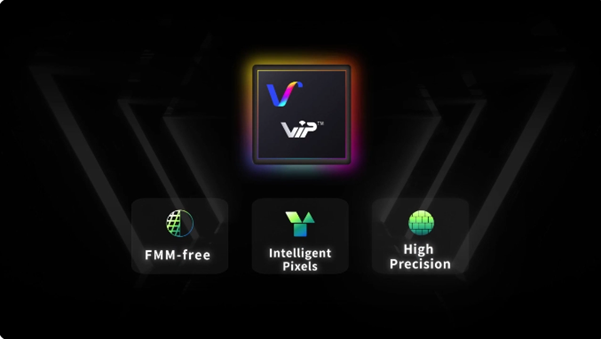
Visionox is reducing PFAS dependency with its FMM-free ‘ViP (Visionox intelligent Pixelization)’ technology. This photolithography-based pixel patterning reduces PFAS exposure during cleaning and coating steps. Construction of its Hefei 8.6-generation OLED factory commenced in late February 2025.

China’s Ministry of Industry and Information Technology (MIIT) set a 70% domestic substitution rate target for PFAS alternatives by 2026 in its ‘PFAS Usage Restriction Roadmap’ announced in December 2024, while expanding R&D subsidies for companies like BOE and TCL CSOT. This represents national-level support linked to semiconductor and display self-sufficiency policies, bolstering China’s OLED shipment expansion. The MIIT roadmap prioritizes banning specific PFAS like PFHxA and PFOA, similar to the EU REACH regulation, aiming for full implementation by 2027.

Changho Noh,  Senior Analyst at UBI Research  (chnoh@ubiresearch.com)

▶ China Trends Report Inquiry
Tianma official blue logo representing the company’s expansion of its Xiamen 8.6G LCD TM19 line for Apple IT display supply

Tianma to Significantly Expand Capacity of Xiamen 8.6-Generation LCD TM19 Line to Prepare for Apple IT Display Supply

Tianma official logo image (Source: Tianma)

Tianma is rapidly strengthening its competitiveness in the IT and industrial display markets by significantly expanding the capacity of its 8.6-generation LCD production line, TM19, located in Xiamen.

Currently operating at a capacity of 40K sheets per month, the TM19 line is set to expand to 70K per month by early 2026 and further to 160K per month by early 2027. The current production allocation consists of approximately 15K sheets per month for mobile applications, 20K for IT applications, and 5K for 50-inch industrial panels.

Notably, Tianma has completed technical evaluations aimed at supplying panels for Apple’s iPad and MacBook and is planning to invest in three module lines capable of supporting products ranging from 7 to 16 inches. Among them, one line investment is being prioritized and is reportedly awaiting Apple’s final approval. Industry sources anticipate that part of LG Display’s supply volume may be transferred to Tianma.

In addition to the LCD capacity expansion, the company is also reviewing potential investments in 8.6-generation OLED production. While the specific technology direction and timeline have not yet been finalized, the Xiamen plant is likely to serve as the main base if the OLED investment proceeds.

Junho Kim, Analyst at UBI Research (alertriot@ubiresearch.com)

▶ China Trends Report Inquiry
DNP Secures Exclusive Deal with BOE for 8.6G OLED FMM Supply, Strengthens Market Leadership Amid China’s Push for Localization

(Source: DNP)

(Source: DNP)

Japan’s Dai Nippon Printing (DNP) is reaffirming its dominance in the Fine Metal Mask (FMM) market, a key component in OLED manufacturing. Recently, DNP signed an exclusive supply agreement with China’s leading display company BOE for FMMs used in 8.6-generation OLED panels, signaling a proactive move into the expanding large-size OLED market.

This agreement is part of BOE’s strategy to begin mass production on its new 8.6-generation OLED lines. To support this, DNP has established a new FMM production line at its Kurosaki plant in Fukuoka, Japan. The facility is equipped to handle substrates over twice the size of those used in 6th-generation lines and is optimized for high-resolution, large-size OLED panel deposition processes. The new line has also been designed with flexibility in mind, capable of producing some 6th-generation products as needed.

Currently, DNP holds exclusive supply agreements with major Chinese panel makers—including BOE (excluding its 5.5-generation lines), CSOT, and Tianma—for 6th-generation lines, maintaining a 100% market share in that segment. However, some panel manufacturers have started trialing domestically produced FMMs, although the extent of their use has not been statistically verified. Despite ongoing efforts to localize FMM production in China, achieving the same level of precision and yield as DNP remains a significant challenge.

To ensure stable supply and expand production capacity, DNP is operating both its existing Mihara plant in Hiroshima and the new facility in Fukuoka. This dual-site strategy not only enhances production scalability but also improves customer trust by serving as a Business Continuity Plan (BCP) safeguard against natural disasters like earthquakes.

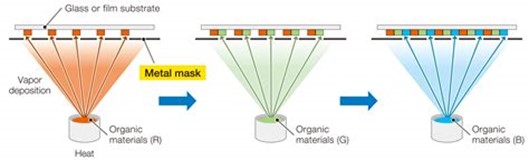
FMMs are critical materials used in the OLED deposition process to accurately pattern RGB subpixels, directly affecting panel resolution and production yield. Samsung Display also sources ultra-thin 25μm FMMs from DNP while pursuing diversification strategies through collaborations with Korean companies. Domestic suppliers such as Poongwon Precision are accelerating their FMM mass production efforts to challenge DNP’s market dominance.

By securing this major deal with BOE, DNP has solidified its position as a key partner in the transition to next-generation OLED mass production and once again demonstrated its strategic edge in the increasingly high-generation global OLED market.

Junho Kim,Analyst at UBI Research (alertriot@ubiresearch.com)

▶ China Trend Report Inquiry

Everdisplay Accelerates Tandem OLED Production and Investment Amid Push for Profitability and Hong Kong IPO

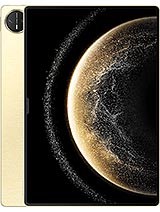
Huawei ‘MatePad Pro’

Huawei ‘MatePad Pro’

EDO

EDO


Chinese OLED specialist Everdisplay Optronics (EDO) is ramping up efforts to improve profitability and prepare for a potential listing on the Hong Kong Stock Exchange. The company is currently upgrading its production lines using vacuum deposition equipment from Japan’s Ulvac to enable manufacturing of tandem-structure OLED panels.

Tandem OLED technology stacks two or more light-emitting layers to achieve superior power efficiency and longer lifespan, making it increasingly favored in high-end OLED applications. EDO has already supplied tandem OLED panels for Huawei’s tablets—a production line that is reportedly operating profitably.

However, EDO’s broader OLED business remains in the red. To address this, the company is investing in new equipment as part of a long-term strategy to enhance profitability and expand production capabilities. The latest investment focuses on scaling up tandem OLED mass production, with a particular emphasis on the growing mid-to-large-sized OLED segment.

As of 2024, EDO’s shipments of mid-to-large-sized OLED panels are estimated at around 1.9 million units. Approximately 6–7% of these panels are used in automotive displays, while the majority are for tablet PCs. With increasing demand for OLED in the automotive sector, industry watchers expect EDO’s share in that segment to steadily grow in the coming years.

Junho Kim, UBI Research analyst(alertriot@ubiresearch.com)

▶ China Trend Report Inquiry

Progress of BOE’s 8.6-Generation OLED Line (B16) for IT Applications

In March 2024, China’s BOE began construction of B16, an 8.6-generation (2290×2620 mm) OLED production line for IT, in Chengdu, Sichuan Province, with a total investment of RMB 63 billion (approximately KRW 12.4 trillion).

In April 2024, BOE ordered a horizontal evaporator from Sunik Systems, and in May 2025, the B16 line will receive key equipment, including Abaco’s evaporator logistics system and Sunik Systems’ horizontal evaporator.

Unlike Samsung Display’s glass substrate-based hybrid OLED process at its 8.6 generation line, BOE has invested approximately three times the amount of Samsung Display’s investment of approximately KRW 4.1 trillion to introduce a process design that can support both flexible and glass substrates. As a result, it was expected that the B16 line would be able to produce flexible OLED panels for smartphones as well as panels for IT.

However, BOE reviewed the economics of smartphone production on the B16 line and concluded that the 8.6th generation line is less efficient than the existing 6th generation line because it is difficult to secure yields in the high-resolution FMM (Fine Metal Mask) process of 450ppi or higher, and the cost of FMM has also skyrocketed. 

The first mass-produced product of the B16 line is expected to be a panel for a laptop for a brand in China, and development of a 14.8-inch MacBook panel for Apple is also underway. Meanwhile, the 11-inch panel for the iPad is being developed on the B12 (6G) line.

BOE is looking for alternative applications, such as automotive displays, as the B16 line is not efficient enough to produce OLED panels for smartphones.

Chang Ho NOH, UBI Research Analyst(chnoh@ubiresearch.com)

▶ China Trend Report Inquiry

Visionox to Invest in Dual OLED Deposition Technologies at V5 Line – Supplier Conference Scheduled for May 22

Visionox’s ViP(Visionox intelligent Pixelization)

Visionox’s ViP(Visionox intelligent Pixelization)

According to UBI Research’s China Trend Report, Chinese display company Visionox has finalized the technical direction for its V5 OLED production line. The company will invest in two separate 7.5K capacities using its proprietary ViP (Visionox intelligent Pixelization) deposition technology and the conventional FMM (Fine Metal Mask) method. The investment in the ViP-based 7.5K capacity will be carried out first, followed by the FMM investment approximately six months later.

ViP is a high-precision deposition technology based on photolithography, enabling high-resolution OLED production without the need for FMM. Visionox has been intensively developing this technology as a core strategy to enhance its future manufacturing competitiveness. However, challenges related to yield have made mass production using ViP alone difficult. As a result, the company has decided to adopt a dual-track strategy for the V5 line, incorporating both ViP and FMM processes.

To support this plan, Visionox will host a supplier conference in Hefei, China, on May 22. Local government officials are also expected to attend, and the event is anticipated to help resolve outstanding funding issues for the V5 investment.

Visionox’s recent move is drawing attention in the context of the global OLED industry’s ongoing investments in 8.6-generation OLED lines. Samsung Display is currently building an 8.6-generation OLED line for IT applications (30K capacity) in Asan, South Korea, aiming to begin mass production in the second half of next year to supply panels for Apple’s iPads and MacBooks. BOE is also investing in its Chengdu-based 8.6-generation OLED line in China, targeting the production of OLED panels for smartphones as well as IT OLED panels for the domestic market.

Junho Kim, an analyst at UBI Research, commented, “Although there is still a need for significant improvements in yield and technology, Visionox appears to be pursuing enhanced production efficiency and differentiated technological competitiveness through its ViP technology.”

UBI Research’s China Trend Report provides the latest information on Chinese display companies, including shipment data from Chinese OLED panel makers, investment trends, and equipment disclosures.

Junho Kim, UBI Research analyst(alertriot@ubiresearch.com)

▶ China Trend Report Inquiry

Chinese Government’s Aggressive Movement Toward Domestic Product Exclusivity. What Next for Korean Companies?

Recently, there is a movement to manufacture display-related materials, materials, and equipment exclusively in China. According to the ‘2022 OLED Components and Materials Report’ recently published by UBI Research (www.ubiresearch.com), China National Development and Reform Commission(国家发展和改革委员会) or Ministry of Industry and Information Technology of the People’s Republic of China(中华人民共和国工业和信息化部) are providing investment funds to Chinese OLED display-related developers and are rapidly moving towards domestic demand.

The Ministry of Industry and Information Technology of China is planning a large-scale support project for display-related materials, equipment, and parts for domestic demand in China. The companies selected for the project will receive unprecedented subsidies from the Chinese government. Recently, the Ministry of Public Information and Security is believed to have supported FMM and related evaporators and other equipment. In addition, the items promoted by the National Development and Development Committee of China for domestic demand will be developed and mass-produced within three years, and all domestic production will be carried out within five years.

In addition to government projects, companies are also active in domestic demand. BOE, China’s largest display maker, has already made significant investments for domestic demand. In March, BOE CEO Gao Wenbao, who felt the pressures due to volume and cost, ordered a special policy directly for purchase planning. In the process of diversifying business partners for cost reduction, BOE reviewed only domestic companies, excluding overseas companies. Of BOE’s investment in materials, materials and equipment for domestic demand, about 70% of the capital has already been invested. The investment is expected to be completed by 2023.

The Chinese government has included display in the national high-tech strategic industry early on and has provided unprecedented support to display companies such as BOE and TCL CSOT. In addition, the Chinese government is raising import tariffs on materials and parts that can be produced in China and is meeting the needs of domestic demand.

In order to widen the gap with China, which is closely chasing Korea from LCD to OLED, the Korean government must take active measures. The Korean government will designate display as a national high-tech strategic technology in the ‘Special Act on National Advanced Strategic Industries’, which will be enforced on the 4th of next month and will provide tax support and various benefits to display companies.

 2022 OLED Components and Materials Report Inquiry
Chinese Panel Makers in Crisis! Will the Display Business’s Deficit Increase This Year?

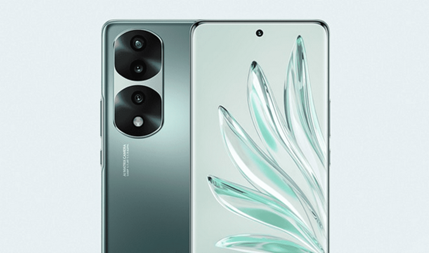
<Honor 70 With Panels Supplied by Visionox>

Chinese panel makers such as Visionox and BOE are expected to face losses due to cost pressures.
The operation rate of Visionox was analyzed to be high. This is because Visionox is exclusively producing 70-80% of Honor, a large Chinese smartphone manufacturer.
However, despite the high operation rate, Visionox’s business status is precarious at best. Through cooperative efforts, Visionox was allocated most of Honor’s panel production quantity, but it is known that Honor has requested additional panel price reduction. According to some sources, Visionox is currently facing a loss of about 200 million yuan per month due to the reduced panel price.
BOE, the largest panel maker in China is also facing trouble. BOE along with Visionox had previously been in charge of panel production for Honor but received almost no allocation of production volume from Honor. Earlier this year, BOE faced tremendous difficulty due to the cancellation of existing iPhone 13 shipments to Apple. In April, BOE’s CEO Gao Wenbao felt a sense of crisis due to pressure on OLED and LCD volume and price and gave direct orders on cost reduction. Currently, BOE’s OLED line operation rate is less than 40% and it is estimated that the OLED business unit may incur a loss of about 10 billion yuan this year.
LCD, which is one of the main businesses of Chinese panel makers, is continuously falling in prices and the supply and demand of panels from smartphone set makers are sluggish. If an appropriate countermeasure is not found, Chinese panel makers will continue to experience a growing deficit in the display business.

[China Trend Report] TCL CSOT’s T8 Project to Invest in Generation 8.5 Inkjet Printing Technology


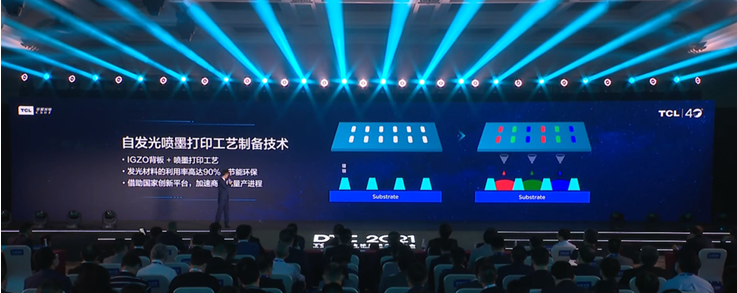
According to the ‘China Trend Report’ published by UBI Research, TCL CSOT plans to apply the generation 8.5 inkjet printing OLED technology to the T8 line. It is expected that some layers will be formed by vapor deposition in the inkjet printing method rather than the complete inkjet printing method. The location is likely to be Guangzhou.

TCL CSOT’s T8 line was scheduled to start construction in March 2022 using the inkjet method, but there were rumors that the schedule continued to be delayed due to investment scale and yield issues. There are also talks about the project being canceled altogether. However, it seems that TCL CSOT has continuously improved its technology by continuously collaborating with JOLED. They also announced related contents at DTC 2021 held in November 2021.

It is is expected that mainly OLEDs for IT and automobiles will be mass-produced at the T8 line. The investment schedule and details of the TCL CSOT T8 project can be found in the ‘March China Trend Report’.

Publication of China OLED industry trend analysis report
Despite the ongoing Corona-19 situation and the US government’s sanctions on Huawei, the adoption of OLED by Chinese smartphone makers is gradually increasing.
The Chinese market, which had been concentrated in the low-end smartphone market, has been expanding into the mid-to-high-end market as Huawei increased its global market share. In particular in the Chinese market, with only the iPhone remaining in the premium smartphone market, Huawei, Oppo, Vivo, and Xiaomi have rapidly increased their market share in the mid- to high-end market with OLED smartphones.

Based on this growth, following Royole and Huawei, Xiaomi also launched a foldable phone in 2021. Chinese display makers have risen to the top spot in LCD production, and their OLED production technology has reached a significant level, and they are also directly producing foldable OLED, which requires the highest level of difficulty in OLED production technology. Foldable OLEDs from BOE and CSOT are used in Huawei and Xiaomi’s foldable phones.

In the “Chinese OLED Trend Report for 2021” published by UBI Research, the OLED-equipped smartphone, TV, and watch industries produced in China were analyzed, and technology development/investment trends and market performance of OLED panel makers were analyzed. In addition, the size of the light emitting material and component material market used by Chinese OLED panel makers was analyzed and summarized.

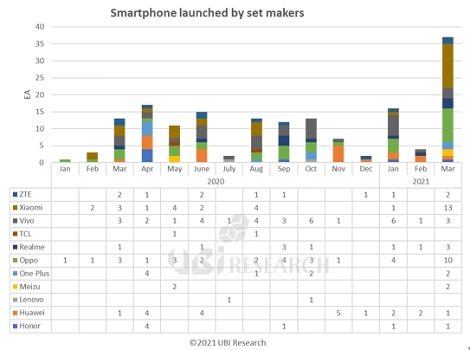
57 types of OLED smartphones released in the first quarter of 2021 were counted. This number is more than double the number of 27 species in the same quarter last year. This is because Chinese smartphone makers such as Oppo, Vivo, and Xiaomi have mass-released new OLED smartphones to occupy Huawei’s smartphone market.

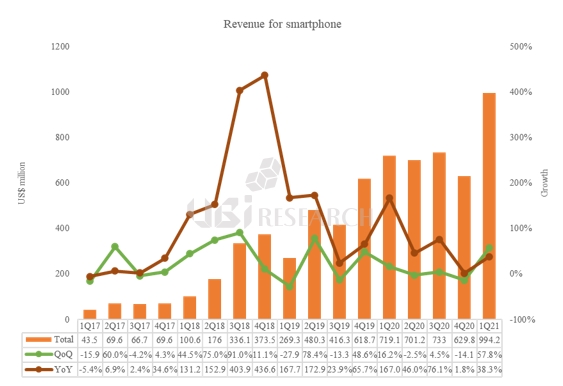
The OLED market by Chinese panel makers is also growing explosively due to the active use of OLED by Chinese smartphone makers. In the first quarter of 2021, OLED sales for smartphones were counted at 990 million dollars, which increased by 38.3% compared to the same quarter of 2020 (YoY). The reason for the rapid growth of OLED sales is the increase in selling prices as OLEDs produced by Chinese panel makers move from low resolution to high resolution.

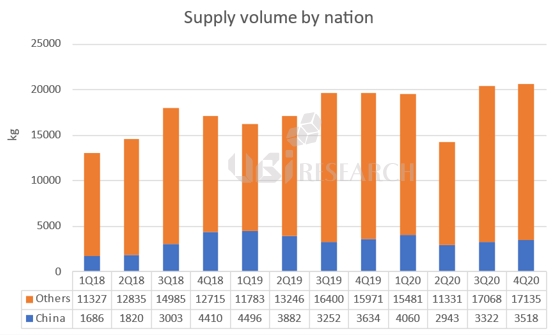
The amount of light emitting materials used by Chinese panel makers has not seen a significant increase yet. In the meantime, production was low due to low yield due to low production technology, but now production is increasing even with the same amount of material used. In 2020, 13.8 tons of luminescent material was used.

Published The Chinese OLED Industry Trend Report for The First Half of 2020

UBI Research published a report on trends in China related to the OLED industry at the end of the first half of 2020.

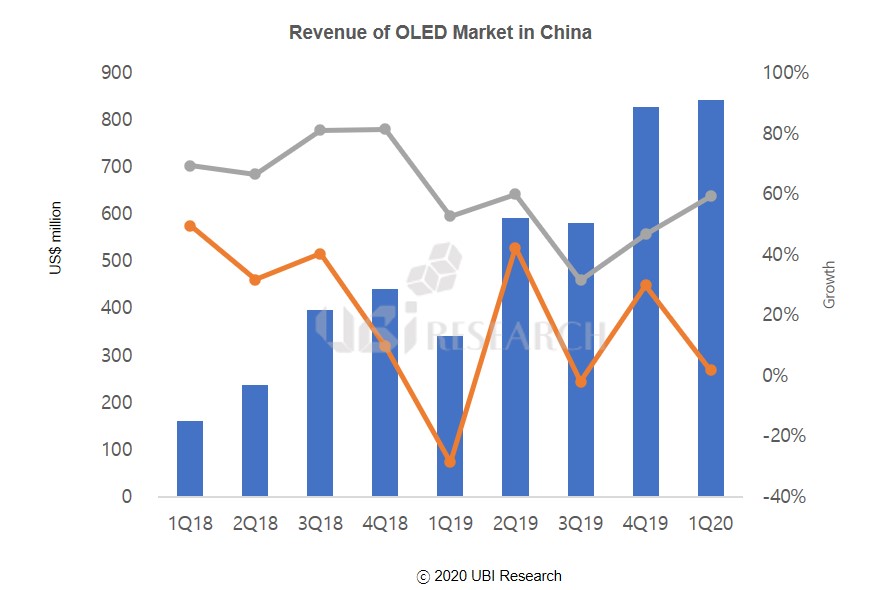
In 2020, 1Q China’s OLED sales were $842 million, despite a Corona 19 crisis, up 1.7% QoQ and 59.4% YoY. China’s OLED shipments are 23% of the total market as of 2020, and it is expected to expand to 45% in 2025.

This report includes product launch trends of OLED-related Chinese set makers during the 2019~first half of 2020, business and investment status by major panel manufacturers, supply chains for major products, various performance analysis and forecasts, and includes the trend of recently announced exhibition products.

This report will provide guidelines for people engaged in various tasks such as OLED-related panel manufacturing, parts/materials, and equipment fields to understand and forecast the Chinese OLED industry.

2019 Chinese OLED panel maker equipment order status

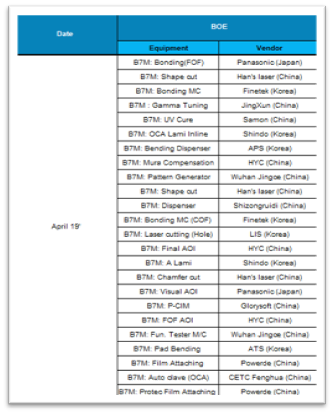
As Korean OLED panel makers do not have a lot of investment, the OLED equipment industry is in a low-demand season. When Chinese OLED panel makers confirm the order status of equipment orders in 2019, orders are being made centering on equipment and module line equipment required for new technologies rather than new lines.

In China panel makers BOE and CSOT, some equipment was ordered in March of this year for the development of flexible on-cell touch technology, and Korean equipment makers seem to have received orders from Wonik IPS and Iruja. In addition, since last month, the BOE Chengdu line has begun full-scale mass production and ordering of modular products along with foldable product preparation. Korean equipment makers will also receive equipment orders from BOE and proceed with production.

Starting this month, Visionox Hebei Line, which is set to start full-fledged investment this year, has begun placing orders for long-term delivery equipment and automation equipment. In addition, Wuhan Tianma is making some complementary investments in flexible process equipment, and EDO, Royole, and Truly are expected to invest in the future depending on market conditions.

UBI Research AMOLED process equipment industry report, which is scheduled to be published in May 2019, will be covered in detail in investment situation and equipment supply chain in China panel makers.

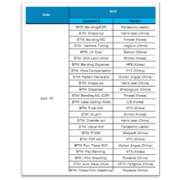
[BOE Chengdu Module Line Order Status]

IT Industry in China is still hot, OLED is center on that

News about when, where, what size of new investments emerge from Samsung display who leads Recent Small and Medium-sized OLED Market and LG display who leads large OLED market should come true are continuously main news in Display industry. In the middle, Maybe, publics who are invovled in industry, are interested in watching when will China’s panel companies who are processing on construction of flexible OLED line supported by government between Korea narrows the technology gaps.

The Hi-Tech Fair, which celebrates its 19th anniversary this year, is a representative event showing how much China is interested in the IT industry.
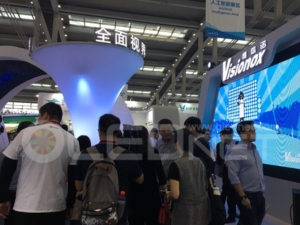
Hi-Tech Fair held in Shenzhen, China from November 16th to 19th exhibits almost all fields relevant to IT industry. Communication with Display is a key point to increase importance of IT industry and these two field is developing by complex connecting with another field.

Exhibition include total 9 hall and the newest technology such as Smart cities, robots, aviation, telecommunications, home appliances, games, and other technologies that connect with IT can be seen in that area. Among them,  one that stick out in 1 Hall is Visionox which is large panel company in China, many people are gather together to watch China’s Display Panel technology.

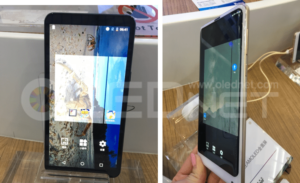
Current smart phone display’s trends are a bezel-less design that maximizes the screen by minimizing the bezel and a curved design represented by the Galaxy Edge series. In this exhibition, Visionox showed a the bezel-less design smartphone which applied rigid OLED and a curved design smartphone which applied flexible OLED having 8R bending radius.

According to officials, disclosed curved display is going to apply to smartphone which will launched in market earlier in 2018. So, this process is currently making decision about supplying with china’s smartphone company. In addition, a variety of flexible displays being developed for future foldable and rollable applications have been on display.

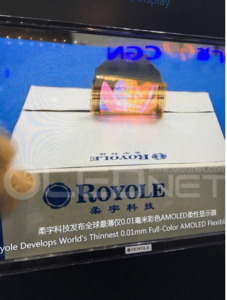
On the other side in Hall, Royole, who manufactures and sells VR devices for China’s leading OLED applications, exhibited flexible sensors with VR device “Noon” Also, they did not exhibit their technology, they disclose a very thin flexible display of 0.01mm through wathcing a video and keep delivering message about continous Display technology development. Also, we can see the various forms and functions of display panel is applied to electrical instruments such as car, robot in many booths. Among them, OLED is expected to continue to grow in significance of IT industry in the future due to its wide range of applications and its technical strengths such as design excellence, thin panel and high resolution.

Large Size LCD Line to be Invested by China, to Reach 80% of Korean LCD Line after 3 Years

Source = BOE

Source = BOE ( China )

Hyunjoo Kang / jjoo@olednet.com

China is expected to possess 80% worth of new large size LCD line of current Korean large size LCD mass production line after 3 years.

According to 2016 OLED Manufacturing Equipment Annual Report, recently published by UBI Research, the total monthly production capa. of large area LCD mass production line that has been confirmed or being considered for investment in China and Taiwan until the end of 2018 is 525K. This is based on the results of UBI Research’s investigation on Q3 2016 – Q4 2018 investment plans of Chinese and Taiwanese companies including BOE, HCK, CEC Panda, CSOT, AUO, and Innolux.

If the plan is carried out without any issues, the order is expected to be completed by Q4 2018, and after equipment installation, the lines are to be ready to operate in 2019.

The monthly capa. of 525K is 80% of the current total LCD mass production line of Korea. Once 525K new lines begin to operate, oversupply of large size LCD panel is expected to actively occur.

UBI Research estimated that if China and Taiwan’s large area LCD investment is carried out according to plan, it will be difficult for Korean and Japanese large size LCD panel to compete against Chinese panel.