Tianma official blue logo representing the company’s expansion of its Xiamen 8.6G LCD TM19 line for Apple IT display supply

Tianma to Significantly Expand Capacity of Xiamen 8.6-Generation LCD TM19 Line to Prepare for Apple IT Display Supply

Tianma official logo image (Source: Tianma)

Tianma is rapidly strengthening its competitiveness in the IT and industrial display markets by significantly expanding the capacity of its 8.6-generation LCD production line, TM19, located in Xiamen.

Currently operating at a capacity of 40K sheets per month, the TM19 line is set to expand to 70K per month by early 2026 and further to 160K per month by early 2027. The current production allocation consists of approximately 15K sheets per month for mobile applications, 20K for IT applications, and 5K for 50-inch industrial panels.

Notably, Tianma has completed technical evaluations aimed at supplying panels for Apple’s iPad and MacBook and is planning to invest in three module lines capable of supporting products ranging from 7 to 16 inches. Among them, one line investment is being prioritized and is reportedly awaiting Apple’s final approval. Industry sources anticipate that part of LG Display’s supply volume may be transferred to Tianma.

In addition to the LCD capacity expansion, the company is also reviewing potential investments in 8.6-generation OLED production. While the specific technology direction and timeline have not yet been finalized, the Xiamen plant is likely to serve as the main base if the OLED investment proceeds.

Junho Kim, Analyst at UBI Research (alertriot@ubiresearch.com)

▶ China Trends Report Inquiry

270-inch 8K TFT-based Micro-LED display jointly developed by Chenxian and Vistar, representing next-generation large-format display innovation

World’s First 270-inch TFT Micro-LED Unveiled: Vistar-Chenxian Lead the Next-Generation Large-Format Display Era

At the 2025 World Display Industry Innovation and Development Conference held in Chengdu, China, Chenxian Optoelectronics unveiled the world’s first 270-inch TFT-based Micro-LED display. The announcement marks a new milestone in the development of China’s Micro-LED industry and is the result of close collaboration with Vistar, a Visionox-affiliated company specializing in Micro-LED technology.

The world’s first 270-inch 8K TFT-based Micro-LED display unveiled by Chenxian and Vistar (Source: Chenxian–Vistar)

World’s First 270-inch 8K TFT-Based Micro-LED Display (Source: Chenxian–Vistar)

The 270-inch large-format display achieves a 0.7 mm pixel pitch and 8K resolution (33 million pixels). With TFT-based active-matrix (AM) driving technology, each pixel is controlled independently, solving the brightness non-uniformity issues common in LED screens while delivering perfect blacks, high contrast ratios, and vivid color reproduction. This makes it ideal for professional cinemas, premium home theaters, command centers, and commercial display applications.

Alongside this flagship model, Chenxian unveiled several new products: a 13.55-inch P0.7 Micro-LED splicing module, a 27-inch P0.7 textured display, and a 19-inch P0.4 transparent Micro-LED screen. The modular design ensures high flatness and minimal seams, enabling scalability for large displays. The transparent model offers 72 % transmittance and supports touch interaction, providing a seamless fusion of digital imagery and real-world environments. Through these developments, Chenxian has established a comprehensive Micro-LED technology ecosystem encompassing materials, equipment, processes, modules, and complete display systems.

The company’s growth has been driven by its collaboration with Visionox and its subsidiary Vistar. Founded in 2020, Vistar specializes in Micro-LED productization and module integration, assembling the Micro-LED tiles manufactured by Chenxian into panel units and integrating drive modules. The tiling process-involving alignment, calibration, and fine adjustment-is carried out by Vistar’s System Integration (SI) engineering division, ensuring the precision required for large-format panels.

Vistar’s investment and mass-production roadmap also highlights the rapid pace of its expansion. A pilot line valued at USD 160 million broke ground in August 2020 and achieved lighting success in May 2021. In 2023, the company began construction of its first mass-production (MP) line worth USD 400 million. Following lighting completion in December 2024, full-scale mass production is scheduled for April 2025, with a USD 1 billion large-scale TFT-based line planned for 2026.

Vistar’s investment and mass production roadmap for Micro-LED lines from 2020 to 2028 (Source: Vistar)

Vistar Investment and Production Roadmap (Source: Vistar)

The unveiling of the 270-inch Micro-LED display demonstrates Chenxian’s emergence as a global leader in both technological innovation and production capability. The vertical collaboration structure between Vistar and Chenxian is accelerating the commercialization of Micro-LED technology and strengthening the overall competitiveness of China’s display industry.

UBI Research’s report, “Micro-LED Display Industry and Technology Trends,” provides a deeper analysis of China’s Micro-LED ecosystem, key investments, and technological roadmaps, offering valuable insights into the market’s future direction.

Changwook Han, Executive Vice President/Analyst at UBI Research (cwhan@ubiresearch.com)

▶2025 Micro-LED Display Industry and Technology Trends Report

Graph showing forecasted growth of OLED notebook shipments from 2025 to 2029 based on UBI Research data

OLED Notebook Market Stagnant in 2025, Poised for Strong Growth from 2026

Forecast graph showing OLED notebook panel shipments from 2025 to 2029 (Source: UBI Research)

OLED Shipment for Notebook Forecast (Source: UBI Research)

The global shipment of OLED notebooks in 2025 is expected to reach about 10 million units, remaining at a similar level to the previous year.

According to UBI Research’s “Mid-to-Large OLED Display Market Tracker”, cumulative shipments through the third quarter of 2025 are estimated at about 6.7 million units, and the total annual shipment is projected to be similar to that of 2024.

The OLED notebook market will remain in an adjustment phase through 2025, but it is evaluated as a period to strengthen the foundation for mid- to long-term growth. The market is currently led by Samsung Display, while LG Display and EverDisplay are also gradually expanding their shipments.

As OLED panel prices continue to fall, Chinese panel makers are expanding the supply of 2-Stack Tandem OLEDs and low-cost Single OLEDs, and steady market growth is expected to follow. Major Chinese companies such as BOE, Visionox, TCL CSOT, and EverDisplay are establishing mass-production lineups for global set makers such as Lenovo, Dell, HP, and Huawei, thereby enhancing their competitiveness.

In 2026, the market structure is expected to change significantly. Industry attention is focused on whether Apple will adopt OLED displays for the MacBook Pro. Apple introduced OLED for the first time in the iPad Pro in 2024 but experienced limited demand due to higher prices. Accordingly, the company is taking a cautious approach to applying OLED to the MacBook series, reportedly reviewing cost structure, demand elasticity, and supply-chain stability.

Changwook Han, Executive Vice President of UBI Research, said, “If Apple launches an OLED MacBook in 2026, the notebook OLED market is expected to grow by more than 30% year on year and to more than double by 2029 compared to 2025.” He added, “Not only Apple but also major global brands such as Acer, Dell, and HP are expanding OLED adoption in their high-end lineups, and OLED notebooks will gradually replace LCDs to become the mainstream premium display.”

Changwook Han, Executive Vice President/Analyst at UBI Research (cwhan@ubiresearch.com)

▶ Quarterly Small OLED Display Market Tracker Sample

▶Quarterly Medium & Large OLED Display Market Tracker Sample

Google and Magic Leap prototype AR glasses demonstrating Micro-LED and waveguide integration under Android XR ecosystem

Google’s Smart Glasses Development Trends and Announcement of Collaboration with Magic Leap

Starting in 2024, Google has intensified its strategic push into smart AR glasses. Notably, with the announcement of its collaboration with U.S. AR company Magic Leap on October 29 this year, Google is strategically shifting beyond simply building a software platform to aiming for an integrated solution encompassing optics, displays, and manufacturing.

  • Platform· and software-driven strategy

Building on its success with existing mobile OS, Google formalized the Android XR platform starting late 2024. This serves as an integrated operating system and ecosystem framework for XR devices, representing an expansion strategy that includes glasses-type AR devices. Through this, Google transforms smart glasses from simple camera/display devices into wearable computing platforms integrated with AI capabilities. Translation, object recognition, and voice/gesture interaction are part of this strategy.

  • Enhancing hardware and display capabilities

On the hardware front, the company has adopted a strategy of expanding its partner model based on platforms and ecosystems rather than launching numerous finished products itself. Notably, it acquired Raxium, a company possessing Micro-LED technology, to secure high-brightness, low-power displays. Furthermore, just a few days ago on October 29th, at the FII (Future Investment Initiative) event in Riyadh, Saudi Arabia, Magic Leap and Google unveiled a joint AR glasses prototype and announced a three-year extension of their collaboration period. The key points of this collaboration are as follows.

  • Magic Leap’s optical and waveguide technology + Google’s Raxium micro-LED light engine combination → Aiming for enhanced image quality, brightness, and comfort.
  • Development of AR glasses is being conducted in the form of a reference design, establishing a framework to provide foundational solutions to multiple manufacturers within the Android XR ecosystem.
Prototype Android XR smart AR glasses jointly developed by Google and Magic Leap (Source: Magic Leap)

Google & Magic Leap Prototype Android XR Smart Glasses (Source: Magic Leap)

This collaboration carries multiple strategic implications beyond a simple technological partnership between two companies. It signals Google’s shift toward an ecosystem-centric “platform + partners” strategy over self-production. Amidst competition in smart glasses/headsets from Meta, Apple, Samsung, and others, the Google-Magic Leap alliance appears to be a move to establish a differentiated foundation within the Android XR ecosystem.  However, challenges remain. Specifications for the consumer-ready final product (resolution, price, battery life, etc.) have not been disclosed, and the launch is expected after 2026. Technologies like Micro-LED and waveguides have progressed to some extent in research/prototype stages, but they still face challenges in terms of mass production and manufacturing costs.

This announcement of Google and Magic Leap’s collaboration can be seen as a pivotal turning point that redefines the landscape of the smart glasses market. Samsung has just unveiled the Galaxy XR, and it remains to be seen whether the situation could rapidly escalate into a competitive race if Google and its partners make proper moves.

Namdeog Kim, Senior Analyst at UBI Research(ndkim@ubiresearch.com)

▶UBI Research’s Micro Display Report

AR Glass Market Evolves in Two Directions: China’s Content-Immersive Approach vs. Global Big Tech’s AI-Integrated Wearable Platforms

TCL’s AR brand RayNeo launched its latest AR glasses, the Air 4 Pro, in October 2025. It is pursuing a differentiated strategy in the global AR market by leveraging high-frequency PWM (Pulse Width Modulation) dimming technology and AI-based image optimization.

The RayNeo Air 4 Pro minimizes eye fatigue through 3840Hz high-frequency OptiCare™ dimming. It supports HDR10 and incorporates the Vision 4000 image quality chip, delivering an experience optimized for immersive content viewing. Notably, the Seeya 5.5-generation Micro OLED panel, featuring a tandem OLED light-emitting structure, achieves a maximum brightness of 6000 nits. It maximizes image quality with a wide color gamut (145% sRGB, 98% DCI-P3) and a 200,000:1 contrast ratio.

While competitors like XREAL and Viture focus on external light blocking via electrochromic dimming lenses, RayNeo adheres to a video quality-centric strategy using digital brightness control and an AI video engine. This allows RayNeo to maintain lightweight design (76g) without increasing lens weight, delivering products optimized for indoor-focused immersive content consumption.

This technological strategy is yielding market results. As of Q1 2025, RayNeo holds approximately 50% market share in China’s AR/AI smart glasses market, ranking first. Notably, the Air 3s Pro achieved the top sales position among XR products during the 618-shopping festival, solidifying the brand’s standing in China. Another Chinese AR specialist, XREAL, holds a lower market share than RayNeo domestically but differentiates itself with OST-based products like the XREAL One Pro. It focuses more on expanding into global markets like North America and Europe than on the Chinese domestic market.

Meta is concentrating on smartphone-complementary smart glasses that combine LCOS displays with cameras and AI assistants for functions like checking messages, taking photos, and voice commands. Apple has postponed the successor to Vision Pro, shifting its strategy to developing lightweight AI/AR glasses and accelerating the commercialization of smartphone-linked AR glasses. Google is realigning its strategy around AI-based real-time translation and search, preparing AR glasses integrated with an AI assistant. All three companies share a common direction: cultivating AR glasses as a core platform, positioning them as the next-generation interface beyond smartphones.

Comparison chart between RayNeo Air 4 Pro and Meta Ray-Ban Display — display type, optical structure, key functions, and market positioning (Source: UBI Research)

The AR glasses market is undergoing a restructuring driven by two key trends: AI-integrated wearable platforms and content-centric immersive experiences. In the medium to long term, AR glasses are expected to evolve into devices with the potential to replace smartphones as AI-integrated wearable platforms.  

llustration of a user wearing AR glasses operating an AI-powered immersive interface — symbolizing next-generation wearable platforms (Source: Created by Gemini)

Created by Gemini

Changho Noh,  Senior Analyst at UBI Research  (chnoh@ubiresearch.com)

▶UBI Research’s Micro Display Report

Chart showing automotive OLED shipments and market shares with Porsche adopting curved OLED displays for premium EV models

Cumulative Automotive OLED Shipments Reach 2.7 Million Units in Q3 – Porsche Adopts Curved OLED in Its Premium EV

The presence of OLED technology in the global automotive display market is expanding rapidly. According to UBI Research’s “Q4 Display Market Tracker,” shipments of automotive OLED displays reached approximately 2.5 million units in 2024, and the cumulative shipments as of Q3 2025 have already totaled around 2.7 million units.

By panel maker, Samsung Display maintained a dominant lead with 1.71 million units (64%), followed by BOE with 570,000 units (21%). LG Display and Ever Display accounted for 220,000 (8%) and 180,000 units (7%), respectively, continuing their expansion in the premium vehicle segment.

Quarterly shipment trends of automotive OLED displays comparing Samsung Display, BOE, LG Display, and EverDisplay (Source: UBI Research)

Quarterly Automotive OLED Display Shipments (Source: UBI Research)

Q1–Q3 2025 Automotive OLED shipment and market share by vendor — Samsung Display 64%, BOE 21%, LG Display 8%, EverDisplay 7% (Source: UBI Research)

Automotive OLED Shipments and Market Share, Q1–Q3 2025 (Source: UBI Research)

The growth of automotive OLED adoption has been driven by premium electric vehicle (EV) manufacturers. A notable example is Porsche’s upcoming Cayenne Electric, scheduled for launch at the end of this year, which will feature a large 42-inch curved OLED display. The display system consists of a 14.25-inch driver cluster, a 12.25-inch center information display (CID), and a 14.9-inch co-driver display (CDD).

The 12.25-inch curved center OLED is expected to be supplied by either LG Display or Samsung Display. Both companies have previously supplied P-OLED (Plastic OLED) curved displays for premium European brands such as Audi and Mercedes-Benz, demonstrating their technological reliability and strong capabilities in curved-panel manufacturing.

In contrast, the cluster and CDD OLED panels are likely to be provided by BOE. The Chinese panel maker began mass-producing OLED instrument clusters in 2024 and has been supplying them to Volkswagen Group, Porsche’s parent company, thereby accelerating its penetration into the global premium OEM supply chain.

OLED technology is increasingly replacing conventional LCD panels, establishing itself as a core enabler for design differentiation and enhanced user experience in premium vehicles. Its self-emissive nature allows for superior contrast ratios, deep blacks, and flexible curved form factors-features particularly valued in electric and luxury cars. Furthermore, OLED displays align well with next-generation Human-Machine Interface (HMI) trends, supporting multi-display layouts, curved user interfaces, and integrated digital cluster designs that enhance both aesthetics and functionality inside vehicles.

Changwook Han, Executive Vice President/Analyst at UBI Research (cwhan@ubiresearch.com)

▶2025 Automotive Display Technology and Industry Trends Analysis Report

▶ Quarterly Small OLED Display Market Tracker Sample

▶Quarterly Medium & Large OLED Display Market Tracker Sample

Chemical structure and emission performance of double-borylation ν-DABNA OLED materials developed by Kyoto University and JNC

Kyoto University-JNC joint research team innovates next-generation deep blue OLED materials with new ‘(Double Borylation)’ technology

A joint research team led by Professor Takuji Hatakeyama from the Department of Chemistry at Kyoto University, in collaboration with JNC Co., Ltd., has developed a novel ‘Double Borylation’ synthetic strategy and successfully realized a world-leading pure Deep Blue OLED emitting material. This achievement was published in the international journal Nature Communications (October 2025, DOI: 10.1038/s41467-025-63908-y) and is anticipated to be a core technology for next-generation displays such as high-resolution micro-OLEDs.

Among the three primary colors (RGB) for OLEDs, the ‘Deep Blue’ region is known to be the most challenging to achieve. This is because producing a deeper blue color leads to increasingly unstable charge recombination, resulting in reduced efficiency and shortened lifetime. To address this issue, Professor Hatakeyama’s research team proposed a novel ‘Double Borylation’ strategy. This involves selectively introducing two boron atoms into the multi-resonance (MR)-TADF luminescent skeleton, which is composed of boron (B) and nitrogen (N).

Schematic illustration of the double borylation reaction introducing two boron atoms into the ν-DABNA structure for OLED emitter design (Source: Nature Communications, 2025)

Double Borylation Reaction of ν-DABNA for OLED Emitters (Source: Nature Communications, 2025)

This process expands the molecule’s π (pi) resonance structure, increasing the electronic transition energy, strengthening the transition dipole moment, and reducing the singlet-triplet energy gap (ΔE_ST). As a result, it improved efficiency, color purity, and stability. The newly synthesized material ‘ν-DABNA-M-B-Mes’ exhibits a deep blue wavelength of 463 nm, surpassing the previously reported deep blue material ν-DABNA, and achieved the following performance:

  • Photoluminescence Quantum Efficiency (PLQY): 93%.
  • Emission half-width at half-maximum (FWHM): 16 nm (world’s smallest)
  • External Quantum Efficiency (EQE): 32% or better
  • Color coordinates (CIE y): 0.09 – close to NTSC standard blue (0.08)
  • Lifetime (based on LT80, 100 cd/m²): More than 1,000 hours

In addition, the Phosphor-Sensitized Fluorescence (PSF) structure, which is attracting attention as a fourth-generation hyperfluorescent material, achieved a low drive voltage (2.5 V), maintained efficiency (minimized roll-off), and a lifetime of LT₈₀ > 1,000 hours at a luminance of 100 cd/m².

Prof. Hatakeyama said that Double Borylation is not just a synthesis technique, but a strategic approach that changes the fundamental concept of OLED material design, and succeeds in improving color purity, efficiency, and lifetime, and is expected to be used in a variety of next-generation applications, including microOLEDs (OLEDoS) for AR-VR, ultra-high color purity smartphone and TV displays, automotive heads-up displays (HUDs), wearables, and transparent displays. 

Device structure, emission spectrum (467 nm, FWHM 17 nm), and CIE coordinates (0.12, 0.12) of ν-DABNA-M-B-Mes OLED (Source: Nature Communications, 2025)

Emission Characteristics of ν-DABNA-M-B-Mes OLED (Source: Nature Communications, 2025)

Changho Noh,  Senior Analyst at UBI Research  (chnoh@ubiresearch.com)

▶OLED Emitting Material Market Tracker Sample

▶2025 OLED Emitting Materials Report Sample

BOE logo and HKC display factory symbolizing China’s accelerating OLED industry shift through large-scale investment

China’s display industry accelerates OLED-centric restructuring – BOE accelerates technology and HKC enters the market

China’s panel industry is accelerating its restructuring around OLED technology through large-scale investments. BOE and HKC are each stepping up efforts to enhance OLED technologies for smartphones and IT applications, while establishing dual production systems that encompass both LTPS and OLED, aiming to strengthen their positions in the global display market.

BOE logo representing China’s leading OLED display company driving technological innovation (Source: BOE)

BOE (Source: BOE)

BOE – Diversifying Technology While Advancing Apple Certification

BOE, which is currently producing OLED panels for the iPhone 17 Pro, is also expected to obtain certification for the iPhone 17 standard model within this year. BOE’s Apple-dedicated module production consists of 26 lines, with each newly invested line approximately 400 meters long and costing about 300 million CNY. The total investment for the Mianyang (绵阳) plant, including both panel and module lines, is estimated at 55 billion CNY.

At the Chengdu B12 plant, R&D efforts are focused on next-generation processes such as COE (Color on Encapsulation), Black PDL (Positive Type), and MLA (Micro Lens Array). The current monthly capacity of B12 is about 30 K substrates, which is expected to increase to 40 K by year-end. COE applications are being evaluated primarily for general smartphone models, while Black PDL processes are planned to expand into IT panels. MLA products are currently being supplied at 3–5 K substrates per month, with BOE also securing high-refractive-index materials for the technology.

HKC display factory in China establishing dual LTPS and OLED production lines (Source: HKC)

HKC Factory (Source: HKC)

HKC – Diversifying Production Through Dual Investments in LCD and OLED

HKC is expanding its OLED investment through the new H7 project. Unlike previous projects, H7 is being executed under the corporate entity of the existing H4 Mianyang LCD plant rather than a newly established subsidiary—an arrangement linked to local government funding structures.

The project includes a 60 K used 6th-generation LTPS LCD line acquired from JDI and a new 32 K 6th-generation OLED ELEAP line (divided into 8 K + 24 K phases). Additionally, HKC is expanding its H4 IPS Photo process line and constructing a new Mini-LED factory with an investment of approximately 10 billion CNY. Through these projects, HKC is building a comprehensive display production system covering LCD, OLED, and Mini-LED technologies.

Strategic Transition in China’s Panel Industry

The initiatives of BOE and HKC mark not just an expansion of production capacity but a shift toward technology-driven competitiveness. With high-value OLED technologies such as COE and MLA gaining traction, and government-led capital structures supporting investment diversification, China’s display industry is transitioning from scale-driven growth to technology-driven competition.

UBI Research’s “China Trends Report” provides detailed information on BOE’s progress in developing panels for Apple, the progress of new technology development by panel manufacturers, the latest investment trends, panel shipment volumes and unit prices, and the materials supply chain. The “China Trends Report” is available on the UBI Research website.

Junho Kim, Analyst at UBI Research (alertriot@ubiresearch.com)

▶ China Trends Report Inquiry

RayNeo Air 4 AR glasses featuring HDR10, Micro-OLED display by SEEYA, and collaboration with B&O for audio

Chinese company RayNeo released its new product, the RayNeo Air 4 glasses.

RayNeo Air 4 and Air 4 Pro AR glasses product image and pricing details (Source: RayNeo)

RayNeo Air 4 Product Image (Source: RayNeo)

On October 23, consumer AR brand RayNeo held an autumn new product launch event and officially released its fourth-generation AR glasses, the ‘RayNeo Air 4 series’. The standard edition is priced at 1,599 yuan (approximately 320,000 KRW), while the Pro edition is priced at 1,699 yuan. Sales have already commenced on e-commerce platforms.

According to the introduction, it is the world’s first AR glasses for movie viewing supporting HDR10 displays, featuring AI dynamic HDR display with a peak brightness of up to 1200 nits. Equipped with the dedicated Vision4000 image quality chip, it enables conversion from SDR to HDR and supports 10-bit color display. Combined with a Micro-OLED display (SEEYA panel), they provide a viewing experience with a 120Hz refresh rate and a virtual 135-inch ultra-large screen. They were developed in collaboration with the high-end audio brand Bang & Olufsen (B&O) for the first time. The RayNeo Air 4 is expected to significantly elevate the overall audio-visual experience and solidify its position in the consumer AR glasses market.

This product was developed through close collaboration not only with Chinese OLEDoS display manufacturers (SEEYA) but also with overseas companies (B&O, Pixelworks) in terms of the supply chain. Chinese companies are injecting new vitality into the AR industry through continuous new product launches. With the proliferation of 5G technology and the rise of metaverse technology, the potential of the AR glasses market is enormous, so competition among companies is expected to intensify further.

Namdeog Kim, Senior Analyst at UBI Research(ndkim@ubiresearch.com)

▶UBI Research’s Micro Display Report

Chart showing quarterly tablet OLED shipments by UBI Research with QoQ and YoY growth trends in 2024–2025

Tablet OLED Demand Rebounds… Mid- to Large-Size OLED Shipments Up 11% in Q3 2025

Quarterly OLED shipment trend for tablet PCs from 2024 to 2025, showing QoQ and YoY growth (Source: UBI Research)

Quarterly OLED Shipments for Tablet PCs (Source: UBI Research)

According to UBI Research’s Q4 Mid- to Large-Size OLED Display Market Tracker, the mid- to large-size OLED market in Q3 2025 rose 11% QoQ in shipments and 7.2% QoQ in revenue. This indicates that demand for mid- to large-size OLED panels is gradually recovering, exiting the slump that persisted since the second half of last year.

Within this segment, tablet PC OLED panels posted particularly strong growth. Q3 tablet OLED shipments increased 56% QoQ and 25.9% YoY, largely driven by the full-scale ramp of panel supply for Apple’s new iPad Pro. After a lull since Q3 last year, tablet OLED demand is rebounding quickly alongside the resumption of iPad Pro shipments.

By panel maker, Samsung Display supplied approximately 1.5 million OLED panels for tablets in the third quarter, while LG Display shipped about 1.3 million units. Among Samsung Display’s shipments, around 700,000 units were for the iPad Pro, whereas all of LG Display’s shipments were used exclusively in the iPad Pro. Both companies count Apple as a key client. In addition, Samsung Display solely supplies OLED panels for Samsung Electronics’ own Galaxy Tab S series.

Chinese panel makers are also increasing shipments of tablet OLEDs. Everdisplay (EDO) has been rapidly expanding its market share, recording 600,000–800,000 units per quarter since Q4 2024. BOE and Visionox are likewise supplying tablet OLED panels—albeit in smaller volumes—to Chinese device makers, steadily raising their output.

UBI Research’s Executive Vice President Chang-wook Han commented, “Today’s tablet OLED market is dominated by Apple, which supports the strong position of Korean panel makers. However, as OLED adoption expands beyond the iPad Pro to more affordable lineups such as iPad Air and iPad mini, Korean vendors could see their share pressured. At the same time, higher adoption among Chinese brands is expected to gradually lift the market share of Chinese panel makers.”

He added, “Amid these shifts, it remains to be seen whether Samsung Display and LG Display can maintain their technology lead and defend their market shares.

Changwook Han, Executive Vice President/Analyst at UBI Research (cwhan@ubiresearch.com)

▶ Quarterly Small OLED Display Market Tracker Sample

▶Quarterly Medium & Large OLED Display Market Tracker Sample

TCL CSOT 8.6th generation inkjet OLED presentation showing precise RGB structure and printing accuracy from K-Display 2025

TCL CSOT Announces Early Start of 8.6Gen Printed OLED Production Line

TCL CSOT inkjet OLED presentation slide showing printing accuracy and FMM OLED structure comparison — K-Display 2025 (Source: TCL CSOT)

TCL CSOT Inkjet OLED Presentation Slide at K-Display 2025 (Source: TCL CSOT)

TCL CSOT officially announced the commencement of construction for its 8.6-generation printed OLED display panel production line (T8 Project) in Guangzhou Province on October 21, 2025. This starts approximately one month ahead of the original schedule, with a total investment of 29.5 billion yuan (approximately 5.4 trillion won). This project represents the world’s first 8-generation printed OLED line, targeting the mid-sized application market for notebooks, monitors, and automotive displays. It is planned to have a production capacity of 45K sheets per month (based on 2290mm x 2620mm substrates). TCL CSOT is investing in the T8 line on the site adjacent to the existing Guangzhou T9 line. The T8 site was originally planned for conversion into a solar project, but that plan has been put on hold, and its use as an OLED production line site has been confirmed. This T8 line investment will proceed in two phases, with the first line being invested initially. Phase 1 will have a monthly substrate input capacity of 15K. Equipment installation is targeted for September 2026, with trial mass production scheduled for June 2027.

In response to the rapid growth of the mid-sized OLED market, major display companies are accelerating investments in 8.6-generation lines. TCL CSOT has chosen a differentiated approach with printed OLED, focusing on cost competitiveness and technological innovation. TCL CSOT’s printed OLED technology achieves material utilization exceeding 90%, significantly surpassing the 30% rate of vapor deposition methods, and reduces manufacturing costs by over 20%. This cost advantage is interpreted as a strategy to seize the ‘leadership in the mid-to-low-end market’ and popularize OLED. Furthermore, as the Chinese government tends to strictly review investment approvals for existing technologies like FMM, companies like Visionox (ViP) and TCL CSOT (inkjet) are proceeding with investments by applying new technologies.

According to UBI Research’s analysis, printed OLED still faces technical challenges.

  • Brightness and Lifespan: The printed OLED process has lower precision in stacking the organic layers that form pixels compared to the evaporation method. Consequently, there are concerns that it currently falls short of existing evaporation technology in achieving high brightness and ensuring device lifespan.
  • Tandem Structure: Another drawback is that applying Tandem (two-layer light-emitting structure) technology, essential for high efficiency and long lifespan, is more difficult than with the deposition method. TCL CSOT plans to introduce four printing equipment units, expected to be three HI/HT/RGB units and one Tandem unit. This equipment is predicted to be purchased from Panasonic. This demonstrates efforts to overcome technical challenges.

TCL Huaxing’s move toward printing technology is interpreted as an attempt to position itself as an ‘innovative force leading the market’ by targeting the mid-sized OLED market with new technology, rather than directly challenging deposition market giants like Samsung Display and BOE.

Printed OLEDs are expected to significantly lower the barrier to entry for the IT OLED market (notebooks, monitors, etc.) through groundbreaking cost reductions, thereby expanding the market pie. However, concerns also persist about whether the brightness and lifespan challenges inherent to the printing process can meet the stringent quality standards of large IT products. Attention is focused on whether TCL CSOT can successfully overcome these technical hurdles and become a game-changer in the mid-sized OLED market by 2027 through its ‘technology-cost-scale’ trinity strategy.

Changho Noh, Senior Analyst at UBI Research  (chnoh@ubiresearch.com)

▶2025 Small OLED Display Annual Report Sample

▶2025 Mid-to-Large OLED Display Annual Report Sample

Apple LTPO+ OLED backplane compensation circuit structure showing oxide TFTs for both switching and driving

iPhone 18 with LTPO+: Intensifying Technology Race Among Panel Makers

The iPhone 18 will feature a new type of OLED backplane technology called LTPO+. While existing LTPOs employed a hybrid structure using oxide semiconductors only for the switching TFT, LTPO+’s key feature is the switch to oxide TFTs for both the switching TFT and the driving TFT. This is believed to be Apple’s strategy to improve power efficiency in its next-generation OLED panels and to address brightness uniformity and image retention issues during extended use.

LTPO+ compensation circuit structure — Apple’s OLED backplane patent diagram (Source: Apple)

LTPO+ Compensation Circuit Patent (Source: Apple)

Conventional LTPS (low-temperature polycrystalline silicon)-based driving TFTs offer high mobility, making them advantageous for high-brightness operation. However, the numerous traps at grain boundaries result in high hysteresis and unstable current characteristics, making them prone to gradation errors and brightness unevenness over extended periods of use. In contrast, oxide TFTs boast low hysteresis and stable current characteristics, maintaining a constant current under constant gate voltage conditions. This reduces pixel-to-pixel current variation, improving brightness uniformity and color stability. Furthermore, residual charge accumulation is suppressed, reducing image retention.

Despite these advantages, many technical challenges remain for the application of oxide as a driving TFT. Oxide semiconductors have lower mobility than LTPS, making it difficult to secure sufficient driving current. This can lead to slower current response times at high brightness and refresh rates. Furthermore, ensuring stability under prolonged bias and thermal stress is essential. This is because electron trap accumulation during extended driving can lead to current reductions and subtle color shifts. Meanwhile, even in the LTPO+ structure, some circuit elements are still composed of LTPS. Since these LTPS elements are not as high-performance as the driving TFTs, securing cost-effective, low-cost LTPS manufacturing technology is crucial. Unlike high-quality driving LTPS, LTPS for peripheral circuits or sensing elements prioritizes yield, uniformity, and low-cost processes over high mobility. These process simplifications and cost-saving technologies enhance the competitiveness of LTPO+ mass production.

In other words, LTPO+ is a structure achieved through a balance between oxide and LTPS processes, with one key focus being high performance (oxide) and the other being low cost (LTPS).

From this perspective, the key challenges for oxide-driven TFTs can be summarized as four:

First, ensuring bias and thermal stress reliability – technology to suppress electrical degradation during long-term operation and minimize ΔVth (threshold voltage shift).

Second, integrating compensation circuits – designing a circuit-level compensation circuit to compensate for fluctuations in oxide device characteristics and ensure operational stability.

Third, securing large-area uniformity – a technology that minimizes current variations across the substrate to maintain luminance uniformity.

Fourth, appropriate subthreshold swing (SS) control – an excessively low SS can lead to sensitivity to threshold voltage variation and time variation (ΔVth), which can increase current dispersion. Therefore, SS optimization is required to balance power efficiency and operating stability.

Ultimately, the success of LTPO+ depends not only on the performance of the oxide driving TFT but also on the cost competitiveness of the auxiliary LTPS process. Apple will only be able to fully adopt LTPO+ for the iPhone 18 if it reaches target levels in mobility, reliability, uniformity, and manufacturing cost. The industry predicts that technological competition among existing iPhone panel suppliers will intensify, focusing on securing oxide TFT performance and developing low-cost LTPS processes. LTPO+ is expected to mark a new turning point for panel technology in the next-generation mobile OLED market.

Changwook Han, Executive Vice President/Analyst at UBI Research (cwhan@ubiresearch.com)

▶ Quarterly Small OLED Display Market Tracker Sample

▶Quarterly Medium & Large OLED Display Market Tracker Sample

Samsung Electronics 114-inch Micro LED TV representing ultra-premium display market leadership

Diversifying Micro-LED Strategies – Samsung with Ultra-Premium, LG Electronics, Vistar with Market Diversification

The global display industry is taking different strategic directions in the race to commercialize Micro-LED, the next generation of technology, and the evolution of Micro-LED is being realized not through “falling prices” but through “market diversification. While Samsung Electronics is strengthening its symbolic technology leadership in the ultra-premium TV market, LG Electronics and Vistar are simultaneously driving the technological advancement and application expansion of the Micro-LED industry by exploring new growth paths in the ProAV and industrial markets.

Samsung Electronics has positioned its Micro-LED TV lineup as a flagship lineup of ultra-high-priced products and maintains its technological superiority, focusing on ultra-large models such as 110-inch and 114-inch models that are fully self-luminous through the precision transfer process and RGB chip integrated structure. However, the company has not been able to achieve this technological feat. However, despite this technological perfection, prices remain in the hundreds of millions due to limitations in production unit cost and process yield.

Currently, Micro-LED TVs have a strong “technology showcase premium product” character in the consumer market and need time to become popular. Market experts diagnose that it will take at least three to five years for the demand for Micro-LED TVs to grow, and that the market will not be able to fully expand unless improvements in price accessibility and production efficiency are made in tandem.

In contrast, LG Electronics has a strategy to expand Micro-LED technology into the commercial and professional imaging market (ProAV). The recently announced MAGNIT ProAV series, with a diverse lineup including 0.78mm, 0.94mm, and 1.25mm pixel pitch, is aimed at high-luminance, high-precision video environments such as conference rooms, broadcast studios, and exhibition halls.

This is regarded as an attempt to get ahead of the B2B market, which has lower technical barriers to entry than consumer TVs and a shorter investment payback period. The fact that the pixel pitch has been reduced to less than 1mm is a signal that LG’s Micro-LED transfer and calibration technology has entered the stabilization stage, and the foundation is now in place for the full-scale commercialization of Micro-LED as a large-sized display for commercial indoor use. The foundation for the full-scale commercialization of Micro-LEDs as large-sized commercial indoor displays is now in place.

Meanwhile, China’s Vistar (a Visionox subsidiary) has strengthened its presence in the large-area market by announcing a prototype of a Seamless Wall up to 135 inches in size through a tile-type Micro-LED display based on a TFT backplane. matrix (TFT) drive to minimize brightness, color uniformity, and tile-to-tile boundaries. This is an example of Visionox extending the TFT process technology it has accumulated in OLED production to Micro-LED, setting a new growth axis for the high-precision B2B display area, including large control rooms, exhibition halls, and industrial control systems.

UBI Research noted that “Micro-LED is no longer just a technology for premium TVs, but has entered a stage where it can lead to actual sales in B2B environments such as professional video, exhibition, and industrial control,” and analyzed that “LG Electronics and Vistar’s moves signal that the range of applications for Micro-LED is expanding. The moves by LG Electronics and Vistar are a signal that the range of Micro-LED applications is expanding.” 

Samsung 114-inch Micro LED TV — flagship product targeting the ultra-premium market (Source: Samsung Electronics)

Samsung 114-inch Micro LED TV (Source: Samsung Electronics)

LG MAGNIT ProAV Series — Micro LED display designed for commercial and professional AV markets (Source: LG Electronics)

LG MAGNIT ProAV Series (Source: LG Electronics)

Vistar 135-inch TFT-based Micro LED Seamless Display — prototype developed by Visionox subsidiary (Source: Vistar)

Vistar 135-inch TFT-based Micro LED Seamless Display (Source: Vistar)

Joohan Kim, Senior Analyst at UBI Research (joohanus@ubiresearch.com)

▶2025 Micro-LED Display Industry and Technology Trends Report

EMT logo symbolizing OLED emitter and PSPI business expansion in Hefei

EMT (Eternal Material Technology), centered on the Hefei factory, is pushing forward business expansion in OLED emitters and PSPI.

EMT logo — Chinese display material company expanding OLED emitter and PSPI business (Source: EMT)

EMT company logo (Source: EMT)

The Chinese display materials company EMT is expanding its sales on two major axes: OLED emitters and LCD color-filter materials. This year, EMT’s total revenue is about ¥400 million (RMB), of which the organic emitter business accounts for about ¥200 million and the LCD color-filter RGB material business also accounts for about ¥200 million. Among the photoresists (PR) for color filters, currently only red materials are supplied to China Star Optoelectronics Technology (CSOT).

In the OLED business, low-temperature RGB materials for COE applications are under evaluation by Visionox, and the low-temperature OC materials are being OEM produced through LTC. These products are under evaluation at Visionox’s V3 line; once evaluation passes, EMT plans to manufacture them itself and transact under its own name.

In PSPI (photosensitive polyimide) as well, EMT has entered full-scale preparations for mass production. Around October, small-volume production is expected to begin on Visionox’s V1 line, replacing the existing volumes from Rousian (柔显). Then the horizontal expansion to the V2 and V3 lines is also planned.

In terms of factory operations, the Hefei factory has an annual PR production capacity of about 3,000 tons, but the current utilization rate is below 50%. Meanwhile, the Guan (Guan) factory has a production capacity of about 500 kg per month for emitters, which is planned to be transferred to the Hefei factory next year. Through this move, production efficiency will be improved and an integrated production system for materials will be strengthened.

Information on Chinese emitter and materials companies can be found in the China trends report by UBI Research.

Junho Kim, Analyst at UBI Research (alertriot@ubiresearch.com)

▶ China Market Trend Report Inquiry

Comparison of Google Android XR, Apple Vision OS, and Meta smart glasses — Image created via sora

Big tech companies enter the race to lead the next generation of wearable platforms

XR platform comparison showing Google Android XR, Apple Vision OS, and Meta smart glasses (Image created via sora)

XR platform competition among Google, Apple, and Meta (Image created via sora)

Global big tech companies are forming a full-scale competitive landscape in the next-generation wearable device market. Samsung Electronics plans to unveil its “Project Moohan” Galaxy XR headset this month. Samsung’s Galaxy XR is a high-performance headset based on Google’s Android XR platform, bringing a 4K micro OLED display (4,032 PPI, 29 million pixels) and a Qualcomm Snapdragon XR2+ Gen 2 processor. It has a lightweight design of 545 grams and a multimodal interface that integrates hand tracking, eye tracking, and voice recognition.

It will target the premium market with a higher resolution than Apple Vision Pro (23 million pixels) and better display quality than Meta Quest 3. Battery life is expected to be in line with competitors at 2 hours of normal use and 2.5 hours of video playback, and the price is expected to be around $1,800 (about $2.5 million).

Samsung has partnered with Google to build the One UI XR interface and secure major app ecosystems such as Chrome, YouTube, and Netflix. The initial production will be 100,000 units to test the market response before entering a full-scale mass production system.

Apple has temporarily halted development of its low-cost N100 (Vision Air) headset and reallocated resources to the AI smart glasses project, a strategic decision in response to the success of Meta’s Rayban and the rapid growth of the AI-powered smart glasses market.

Apple is developing two models of smart glasses. The first generation, codenamed N50, will be a display-less, iPhone-connected, audio-centric AI wearable that is expected to launch in 2027. The second-generation model will bring a display and compete directly with Meta Rayban, and development is being accelerated from the original 2028 plan.

Apple’s smart glasses are based on Vision OS, with a camera, microphone, health tracking, and a voice command interface with next-generation Siri AI at its core. It will also offer a wide range of frame options and colors, reinforcing its positioning as a fashion accessory.

Currently, the smart glasses market is dominated by Meta. The Meta-Rayban series has sold more than 3.5 million units cumulatively, with an 80% share of AI smart glasses. The recently unveiled Rayban Display model brings a full-color, high-resolution display that can display messages, photos, and other information.

In response, Google is strengthening its cooperation with Samsung with its Android XR platform and Gemini AI. Samsung will also release Project Coastal smart glasses in collaboration with Google and Gentlemonster early next year, making it a two-track headset and smart glasses strategy.

The future XR/smart glasses market is expected to be a three-way battle between the Android XR platform, Apple’s Vision OS XR platform, and Meta’s first-mover advantage. Each company’s ability to build ecosystems and differentiate user experience will be the key factors in determining market leadership.

Changho Noh,  Senior Analyst at UBI Research  (chnoh@ubiresearch.com)

▶UBI Research’s Micro Display Report

AI AR smart glasses Meta Ray-Ban Display showing growth of the global AR wearable market

The Competition in AI/AR Smart Glasses and the Advancement of Chinese companies in the Supply Chain Ecosystem

Meta officially announced its new products at the Meta Connect 2025 event on the 18th of last month (the 17th in US time), and began launching the Meta Ray-Ban Display smart glasses—its first consumer glasses to bring a display—in the US at the end of September. Meta continues its strategy to dominate the AI/AR glasses market. According to a post by Meta CTO Andrew Bosworth on Threads on October 2nd, the Meta Ray-Ban Display smart glasses have nearly sold out in physical stores, and November reservations are also almost fully booked. He stated that the market response to the product has been stronger than expected, and the company is working hard to keep up.

Meta Ray-Ban Display AI AR smart glasses (Source: Meta)

Meta Ray-Ban Display Smart Glasses (Source: Meta)

Meanwhile, over a year after its launch, the Vision Pro has gradually faded into the background. According to external reports, last year’s total sales of the Vision Pro fell below one million units, significantly underperforming market expectations. Additionally, rumors have intensified that Apple has halted development of a low-cost Vision Pro model and is shifting its strategic focus entirely to smart glasses. The goal is to launch a product capable of directly competing with Meta’s Ray-Ban smart glasses, with the initial smart glasses launch target date reportedly moved up to 2026. This pivot signifies Apple’s recognition that ‘AI+AR’ devices hold promise as the next generation of mobile terminals.

Samsung is also collaborating with Google to develop the Project Moohan XR headset, and its smart glasses Haean may also be unveiled this year. China’s Alibaba company has also announced ‘Quark AI Glasses,’ reported to launch by the end of 2025. Companies like Xiaomi and Baidu are also entering the market one after another, continuously fueling market excitement. Furthermore, the rise and expanding market share of domestic Chinese AR glasses brands like XREAL, RayNeo, Rokid, and INMO are evident.

From the supply chain perspective of smart glasses, the mutual penetration of AI and AR technologies has created an industrial ecosystem. The role of Chinese companies within this ecosystem is also evolving. While gaps persist in advanced core areas, they are emerging as ecosystem participants beyond their traditional supply chain roles through vertical integration within companies and external technology collaborations. In essence, they are becoming key drivers in this new industry. For instance, in Meta’s Ray-Ban Display glasses, Chinese company Goertek handles manufacturing, and numerous Chinese component suppliers are involved in internal parts like LCoS displays, batteries, and camera modules. Indeed, at the recent CIOE 2025 optoelectronics exhibition held in Shenzhen, China, the strong showing of Chinese companies like JBD, Goeroptics, and Sunny Optical was evident in LEDoS panels and optical waveguide components applied to next-generation AR glasses products.

In summary, major tech companies like Meta, Apple, and Samsung have recently shown active movements in the AI/AR glasses sector, further strengthening the influence of AI+AR glasses as a field receiving high attention. Therefore, as the industry ecosystem enters a critical transition phase and growth period, companies across the industrial supply chain are expected to intensify competition while actively pursuing technological breakthroughs and collaborative ecosystem development. Amidst this, Chinese companies are making notable strides. Benefiting from the Chinese government’s support for strategic industries and the policy trend positioning AR/XR as a core element of the digital economy, domestic optical module, display, and component companies are actively participating in the AR/XR glasses ecosystem.

Namdeog Kim, Senior Analyst at UBI Research(ndkim@ubiresearch.com)

▶2025 Micro-LED Display Industry and Technology Trends Report

Hyundai Mobis rollable OLED display technology for Genesis GV90

The GV90’s Vehicle HMI Evolves with Rollable OLED

The luxury car market is emerging as a new stage for display innovation. Rollable OLED displays are gaining attention as a key technology for achieving both minimalism and cutting-edge sensibilities in vehicle interiors, and major manufacturers such as Hyundai Mobis and Forvia are competing to apply this technology to luxury vehicles.

In China, this technology has already become a reality. Hongqi’s ultra-luxury sedan, the Guoya (aka Hongqi L1), features a 14.2-inch rollable OLED display developed by Visionox. This display is designed to be stored within the dashboard and unfolds upward when needed. When off, it is completely hidden, maximizing the sense of integration within the interior. While driving, it displays limited information, but when stationary, it expands to display navigation and entertainment functions full-screen. The Hongqi Guoya is an ultra-luxury sedan priced at approximately 1.4 million to 1.86 million yuan (approximately 250 million won), serving as a Chinese flagship model competing with the Mercedes-Maybach and Bentley Flying Spur. The inclusion of a rollable OLED display in this vehicle goes beyond a simple luxury strategy and is interpreted as an attempt by the Chinese automaker to secure technological leadership in the premium market through advanced display technology.

Similar trends are being detected in Korea. Hyundai Mobis filed a patent (US12422892B2) in 2021 for a “rollable display for vehicles,” which features a structure that allows the OLED panel to be rolled up or unfolded around a rotating roller within the housing. According to the patent, horizontal and vertical supports are arranged on the back of the display panel to prevent panel deformation due to vibration or touch pressure while driving. It also includes a wing-shaped support structure that ensures the entire panel remains flat when unfolded. In other words, it’s not simply a “rollable” technology that simply rolls up, but a structural design that ensures stable visibility and rigidity even in driving conditions.

Rollable OLED display structure for vehicles based on US12422892B2 patent

Rollable OLED Display Architecture (US12422892B2) (Source: Hyundai Mobis)

Hyundai Mobis unveiled an actual rollable OLED prototype based on this patented technology at CES 2024. The product can be expanded up to 30 inches and the screen can be adjusted to 1/3, 2/3, and full modes. When the ignition is turned off, it completely retracts and disappears into the dashboard, and its structure shows the screen only when needed, suggesting the concept of “the most luxurious display when it is invisible.” The installation space is only about 12 cm, allowing for a high degree of freedom in interior design, and it has achieved automotive QHD (2560×1440) picture quality. Hyundai Mobis is preparing for mass production, and Samsung Display and LG Display are known to be competing to supply the panels.

Hyundai Mobis rollable OLED display prototype for vehicles

Hyundai Mobis rollable OLED display prototype for vehicles (Source: Hyundai Mobis)

The Genesis GV90 is being considered as a potential application for this technology. Hyundai Motor Group’s flagship electric SUV, the GV90, is attracting industry attention as a model likely to feature a rollable OLED display. Genesis’s reasons for considering a rollable display are clear. First, it aims to create a minimalist and luxurious interior by displaying digitalized driving information only when needed. Second, it has a functional purpose: the large screen can adjust its viewing area to avoid obstructing the driver’s view while driving. Third, it serves as a technological differentiation strategy to compete with global luxury brands. Being the world’s first “luxury SUV equipped with rollable OLED” could help Genesis narrow the gap with premium electrified models like the Mercedes-Benz EQS SUV and BMW iX.

Industry experts don’t view this trend as a simple design change. UBI Research Executive Vice President Changwook Han analyzed, “The application of rollable OLED to vehicles is not just a simple display innovation, but a technological evolution that will reorganize the paradigm of space design and user interface (UI).” He added, “The transition from large fixed screens to variable displays will emerge as an important option for premium vehicle interiors in the future.”

Changwook Han, Executive Vice President/Analyst at UBI Research (cwhan@ubiresearch.com)

▶2025 Automotive Display Technology and Industry Trends Analysis Report

Q3 OLED Panel Shipments Surge with iPhone 17 Effect

OLED panel shipments surge in Q3, with Korean companies showing a clear recovery thanks to the iPhone 17 launch

Bar chart of quarterly OLED panel shipments for smartphones in 2025

OLED panel shipments for smartphones by company in Q1–Q3 2025,  (Source: UBI Research)

According to the “OLED Display Market Tracker,” published quarterly by UBI Research, Korean panel manufacturers saw a significant increase in smartphone and foldable phone panel shipments in the third quarter. This is the result of a rapid recovery from a temporary decline in the second quarter, a period of weak smartphone demand, driven by the popularity of the iPhone series and Samsung Electronics’ new products.

Samsung Display saw a surge in panel shipments for the iPhone 17 series and the Galaxy S25 FE in the third quarter, significantly boosting flexible OLED shipments that had stagnated in the second quarter. Rigid OLED shipments remained stable, maintaining similar levels to the previous quarter.

LG Display’s panel shipments surged from approximately 10.8 million units in the second quarter to approximately 20 million units in the third quarter, nearly doubling forecasts. LG Display supplies smartphone panels exclusively to Apple, so the launch of the iPhone 17 series was the primary driver of shipment growth. Shipments for the iPhone 17 Pro Max, in particular, accounted for approximately 60% of total shipments, the largest share.

Chinese panel makers also saw shipment growth. BOE shipped approximately 5.4 million units, and Visionox increased shipments by approximately 6.7 million units compared to the second quarter. BOE’s main customer was Oppo, followed by Apple and Huawei. With the gradual expansion of iPhone panel supply, Apple is likely to emerge as a key customer for BOE in the fourth quarter. Visionox shipped the most refurbished panels, followed by Honor, Xiaomi, and Vivo.

“Korean panel makers have shown a clear recovery in shipments since the third quarter, and Chinese companies are also continuing to grow,” said  Changwook Han, Executive Vice President of UBI Research. “Securing stable shipments from Apple, their most important customer, will be a key challenge for Korean companies going forward. However, Samsung Display and LG Display have already established a solid presence in the global premium market, so we expect them to maintain their strategic advantage even amidst competition with BOE.”

Changwook Han, Executive Vice President/Analyst at UBI Research (cwhan@ubiresearch.com)

▶ Quarterly Small OLED Display Market Tracker Sample

▶Quarterly Medium & Large OLED Display Market Tracker Sample

Apple under-display IR and selfie camera design with OTI Lumionics solution

A Turning Point for Under-Display Camera Commercialization: A Close-Up Analysis of Apple’s 2026 Strategy (iPhone 18: IR Camera, Foldable: Selfie Camera… OTI Solutions Are Key)

Apple plans to apply under-display camera technology differently depending on the device type in its next-generation iPhone lineup, slated for release in 2026. According to industry sources, the iPhone 18 series will feature an under-display infrared (IR) camera, while the foldable iPhone, scheduled for release at the same time, will feature an under-display selfie camera. This is not a simple design change; it is a strategic decision that takes into account the structural characteristics and user experience of each device.

Bar-type iPhones require a polarizer to suppress external light reflection and improve outdoor readability. However, polarizers absorb both visible and infrared light, significantly reducing transmittance. This structural limitation could directly lead to poor image quality and consumer dissatisfaction if the front-facing selfie camera is placed under the display. In contrast, IR cameras only require a 940nm near-infrared wavelength, and their goal is not high-quality photos, but accurate security authentication. Therefore, the iPhone 18 series will incorporate an under-display IR camera to simultaneously implement a full-screen design and Face ID security features. This is the most reasonable approach, minimizing image quality concerns while enhancing design perfection.

The foldable iPhone is a different story. To ensure thickness and flexibility, the device adopts a structure that eliminates the polarizer, replacing it with a color correction film and phase compensation material. This relatively increases display transmittance, facilitating the application of an under-display selfie camera. While camera performance degradation remains, this can be sufficiently addressed through AI-based image correction technology and ISP improvements. Samsung Electronics has already incorporated an under-display camera into the Galaxy Z Fold series, and Apple plans to leverage the same structural advantages to incorporate an under-display selfie camera into its foldable iPhone.

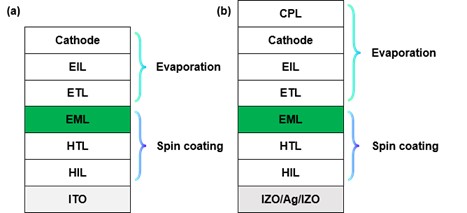
A key technology in this process is the Cathode Patterning Material (CPM) from Canada’s OTI Lumionics. This technology prevents the deposition of metal cathodes in specific areas during the OLED manufacturing process, forming a transparent opening. This technology facilitates the stable operation of the under-display camera and IR sensor. This solution, which maintains screen quality while ensuring the transmittance required by the camera and sensor, has already been verified by major global panel manufacturers, and Apple plans to incorporate it into the iPhone 18 series and foldable iPhone.

(a) Under-display camera, (b) Under-display IR camera structure – Source: OTI Lumionics

(a) UDC and (b) UDIR using a patterned cathode (Source: OTI Lumionics)

UBI Research Executive Vice President Changwook Han emphasized, “Apple’s choice to use an under-display IR camera in the bar type and an under-display selfie camera in the foldable is the result of choosing an optimized solution for each product structure,” and “2026 will be a turning point when Apple commercializes under-display technology in earnest.”

Changwook Han, Executive Vice President/Analyst at UBI Research (cwhan@ubiresearch.com)

▶2025 OLED Component and Materials Report

Featured image of Xiaomi 17 Pro Max highlighting TCL CSOT OLED panel supply

Xiaomi unveils flagship 17 Pro Max… TCL CSOT supplies Real RGB OLED panels and changes Red Host supplier

Xiaomi 17 Pro Max unveiled with TCL CSOT Real RGB OLED panel

Xiaomi 17 Pro Max unveiled with TCL CSOT Real RGB OLED panel (Source: Xiaomi)

On September 25th, Xiaomi unveiled three new smartphones, the Xiaomi 17 Series (Regular, Pro, and Pro Max). TCL CSOT has announced that it will exclusively supply all displays (front + back) of the Xiaomi 17 Pro and 17 Pro Max. The Pro Max’s main display is a 6.9-inch 1200×2608 high-resolution LTPO AMOLED panel with a 120Hz refresh rate and 3,500 nits of brightness. The rear is also a 2.9-inch LTPO AMOLED with a resolution of 596×976.

TCL CSOT has been working on developing a Real RGB structure using inkjet printing technology for a long time, so some speculated that the Xiaomi 17 Pro Max would also feature this technology. However, the Real RGB structure is actually realized through a Fine Metal Mask (FMM) process. This means that each pixel is composed of independent red, green, and blue subpixels, resulting in excellent clarity and accurate colors without any loss of resolution.

The diamond pixel structure, which Samsung Display primarily uses, has the advantages of higher luminous efficiency, more resistance to burn-in, and higher perceived resolution while reducing the number of physical pixels, which is advantageous for cost-effective high-resolution implementation. It also has strong patent protection, which has acted as a barrier to entry for other companies. However, it has been pointed out that the diamond pixel structure does not have the same number of R, G, and B subpixels, which can cause slight readability degradation or color bleeding, especially in small text or complex graphics.

TCL CSOT’s Real RGB structure appears to be a strategic move to improve visual quality, including color accuracy and text readability, and to avoid Samsung patents. TCL CSOT’s continued investment in inkjet printing Real RGB technology, while supplying FMM-based Real RGB for major products like the Xiaomi 17 Pro Max, suggests that TCL CSOT is actively exploring both technological paths. While inkjet printing has potential for large OLEDs and cost-effectiveness in the long term, there are still challenges to overcome, including technical difficulties, mass production, and reliability, before it can be applied to small, high-resolution products.

TCL CSOT’s new panel features a C10 set, the latest emissive layer stack structure, to improve luminescence efficiency and stability. A particularly noteworthy point is that among the core light-emitting materials, Lumilan’s material was applied instead of the DuPont product previously used for the Red Host. Founded in 2017, Lumilan is a Chinese company specializing in OLED materials, backed by China’s Jizhi Technology and Xiaomi Changjiang Industrial Fund. With a factory in Ningbo, Zhejiang Province, the company has been focusing on the R&D, production and sales of OLED emitting materials, and has strengthened its strategic partnership with Xiaomi, including the establishment of a joint research center in 2022. The Xiaomi 17 Pro Max application is the fruit of that cooperation. The replacement of one of the main core luminescent materials with a Chinese company’s product heralds a new change in the supply chain of the global display industry.

Changho Noh,  Senior Analyst at UBI Research  (chnoh@ubiresearch.com)

▶2025 OLED Emitting Materials Report Sample

▶OLED Emitting Material Market Tracker Sample

Micro-LED smartwatch market forecast, 2023–2030 (Source: UBI Research)

Micro-LED Smartwatch Market Set to Bloom… Projected to Grow to $1.2 Billion by 2030

The world’s first Micro-LED smartwatch has arrived, sparking a new wave of change in the wearable display market. While Garmin’s Fenix 8 Micro-LED is hailed as a new milestone in wearable display technology, analysis suggests a full-scale market shift will still require time.

Micro-LED smartwatch market forecast chart, 2023–2030 (Source: UBI Research)

Micro-LED smartwatch market outlook, 2023–2030 (Source: UBI Research)

Garmin’s Challenge: Achievements and Limitations

The Garmin Fenix 8 Micro-LED features a 1.4-inch display with a peak brightness of 4,500 nits, delivering overwhelming visibility in outdoor environments compared to existing OLED smartwatches. It also supports satellite messaging, solving connectivity issues in remote locations. These features have earned it significant recognition in the outdoor-focused market. However, its battery life remains inferior to existing OLED smartwatches.

Joohan Kim, an analyst at UBI Research, attributes this to reduced external quantum efficiency (EQE) in miniaturized Micro-LED chips, unoptimized drive circuit designs, and power efficiency losses due to performance variations between chips. He emphasized that overcoming these technical limitations is essential for Micro-LED’s widespread adoption.

Premium Market Expansion: TAG Heuer and Samsung Display

TAG Heuer, a luxury watch brand with strong acceptance in the high-price market, is preparing to launch a Micro-LED smartwatch. UBI Research analyzes that TAG Heuer’s entry will solidify Micro-LED’s premium image.

Additionally, Samsung Display showcased a 6,000-nit-class watch-type Micro-LED display at K-Display 2025, demonstrating its technological prowess. This panel, achieved by precisely transferring approximately 700,000 RGB chips each under 30μm, achieves a resolution of 326 PPI. Its flexible structure with 4,000 nits brightness opens possibilities for diverse designs. It is particularly evaluated for simultaneously ensuring high brightness, low power consumption, and high reliability, thanks to the characteristics of its inorganic light-emitting structure that exhibits minimal brightness and color shift with viewing angle.

The Biggest Variable: Apple’s Entry Timing

Apple Watch is the world’s largest smartwatch platform, shipping over 40 million units annually. UBI Research predicts Apple is highly likely to adopt Micro-LED in its Apple Watch Ultra series by 2027-2028. If Apple fully enters the market, this could trigger supply chain investments and large-scale mass production, potentially becoming the decisive catalyst to propel Micro-LED into mainstream technology.

Market Outlook and Supply Chain Impact

Short-term barriers include high prices and low production capacity. The Garmin Fenix 8’s $1,999 price tag is approximately $700 higher than AMOLED models, indicating a focus on the premium market rather than general consumers.

However, the entry of TAG Heuer, Samsung Display, and Apple is expected to drive significant investment and technological advancement across the entire Micro-LED supply chain. This process is expected to create ripple effects across the entire display value chain, including chip manufacturers, transfer equipment makers, driver IC companies, and back-end packaging and module assembly firms.

Joohan Kim, an analyst at UBI Research, forecasts the Micro-LED smartwatch market will grow to approximately $1.2 billion by 2030. This indicates the potential to move beyond a mere niche market, disrupt the current OLED-centric landscape, and establish itself as the new standard for premium wearables.

Micro-LED smartwatches have only just taken their first steps. Garmin’s pioneering challenge, TAG Heuer’s symbolic entry, Samsung Display’s technological competitiveness, and Apple’s potential influence will collectively propel the market onto a full-fledged growth trajectory.

UBI Research emphasizes that the pace of resolving micro-LED technical challenges and supply chain restructuring over the next five years will be the core factors determining the wearable market’s competitive landscape.

Joohan Kim, Senior Analyst at UBI Research (joohanus@ubiresearch.com)

▶2025 Micro-LED Display Industry and Technology Trends Report

Automotive OLED display shipment forecast from 2023 to 2030, highlighting Mini LED, OLED, and Micro-LED trends (Source: UBI Research)

Automotive OLED displays to ship 3.8 million units this year, with growth expected to accelerate after 2030.

The automotive OLED display market is expected to ship approximately 3.8 million units this year, with a projected compound annual growth rate (CAGR) of 24% through 2030. However, true growth is likely to begin after that point. While OLED has proven its technological prowess in the smartphone and TV markets, it is only just beginning to gain traction in automotive displays.

Automotive display shipment forecast 2023–2030, comparing Mini LED, OLED, and Micro-LED (Source: UBI Research)

Forecast of automotive display shipments by technology (2023–2030): Mini LED, OLED, Micro-LED (Source: UBI Research)

The strengths of automotive OLEDs are clear. Superior visual quality is cited as the most significant advantage. Deep black expression, low reflectivity, and superior color reproducibility improve visibility during driving. Furthermore, the recently highlighted tandem OLED structure significantly extends lifespan and ensures stable reliability even in high-temperature environments, making it ideal for automotive displays that require long-term use. Furthermore, flexible designs such as curved, foldable, slideable, and rollable panels allow for differentiated automotive interiors. This allows premium brands to strengthen their identity through OLED adoption. With major companies such as Samsung Display (SDC), BOE, Visionox, and TCL CSOT investing in 8th-generation OLED lines, production base expansion is also expected.

Current status of automotive OLED display adoption by major carmakers and models (Source: UBI Research)

Current adoption of automotive OLED displays – by carmaker and model (Source: UBI Research)

However, there are many challenges to overcome. Pricing is the biggest barrier. Currently, OLEDs are several times more expensive than LCDs, hindering mass adoption. The supply chain is also limited. Relying on a small number of companies, including LG Display, Samsung Display, and BOE makes securing a stable supply difficult. Furthermore, OLEDs only fully entered the automotive market around 2020, and sufficient long-term usage data has yet to be collected. Automotive displays must operate reliably for 10 to 15 years in harsh environments, making durability verification essential.

Due to these limitations, automakers are strategically gradually expanding OLED adoption. They are primarily being used in premium electric vehicles and flagship models, with widespread adoption likely after 2030. While limited growth is expected until 2030, a full-scale leap forward is expected thereafter, driven by cost reductions, the establishment of mass production systems, and the accumulation of reliability data. If OLED can deliver differentiated value in the automotive display market, growth rates beyond 2030 are likely to exceed current projections.

Changwook Han, Executive Vice President/Analyst at UBI Research (cwhan@ubiresearch.com)

▶2025 Automotive Display Technology and Industry Trends Analysis Report

Meta unveils Ray-Ban Display LCoS smart glasses and presents PIC-based LCoS research at SID 2025

Meta unveils ‘Ray-Ban Display’ smart glasses with LCoS, following up with a photonic integrated circuit (PIC)-based LCoS at SID 2025

At Meta Connect 2025 on Sept. 18 (local 17), Meta announced its first display-bringing consumer smart glasses, the Meta Ray-Ban Display. The product is an intermediate step between the existing Ray-Ban AI glasses and the Orion AR glasses unveiled last year and will be available in the U.S. market later this month.

The new glasses feature a monocular display at the bottom of the right lens, which the company says was designed with practical factors such as price and battery life in mind. The display features OmniVision’s single-panel full-color LCoS, with a 600×600 resolution, 42 PPD, 20° monocular field of view, and up to 5,000 nits of brightness. Combined with Lumus’ Waveguide, it delivers a crisp visual experience even outdoors. These specifications fulfill the requirements of an informational AR device (20-35° FoV, high brightness, low power) and provide excellent visibility, especially in outdoor environments. Meta’s choice of LCoS over green LEDoS was a strategic decision based on technology maturity, power efficiency, and the ability to implement full color.

At SID 2025, Meta Reality Labs also announced its work on a photonic integrated circuit (PIC)-based ultra-compact laser microdisplay. The technology offered the possibility of shrinking AR light engines to less than 1㎤, demonstrating a 50-degree viewing angle and high color uniformity. Despite the advantages of mature technology and competitive pricing, LCoS has been limited by the need for bulky optical modules. PICs replace traditional polarizing beamsplitters (PBSs), focusing lenses, and dichroic mirrors by implementing core optical functions such as light gathering, color separation, and polarization control on a chip. PIC-based laser lighting has great potential to scale as a platform for next-generation display technologies. It remains to be seen if the Meta Ray-Ban Display utilizes PICs.

LEDoS is not expected to be fully competitive until 2028 or later, and until then, full-color LCoS is likely to be the key solution for the AR glasses market. OmniVision, as well as Himax Display, Avegant, and Raontec, are working on the next generation of high-brightness, high-contrast LCoS engines, which will make them even more competitive in the near term.

The significance of this announcement is that Meta simultaneously unveiled OmniVision LCoS in commercial products and PIC-based ultra-compact laser microdisplays in research achievements. This demonstrates that the next generation of AR displays is rapidly evolving around the three pillars of miniaturization, efficiency, and quality, and is expected to accelerate the growth of the AR industry ecosystem.

Comparison of conventional LCoS projector and PIC-based LCoS presented at SID 2025 (Source: SID 2025 Digest)

Comparison of conventional LCoS and PIC-based LCoS structure (Source: SID 2025 Digest)

Changho Noh,  Senior Analyst at UBI Research  (chnoh@ubiresearch.com)

▶UBI Research’s Micro Display Report

[BOE IPC 2025] BOE, 17inch Rollable Portable Device

[BOE IPC 2025] BOE, 17inch AI Rollable Integrated Solution

BOE unveiled a 10.18-inch triple fold OLED panel exclusively for Huawei at IPC 2025 (Source: UBI Research)

BOE Unveils 10.18-inch Triple-Fold Panel at IPC 2025…Strengthens Market Strategy with Exclusive Supply to Huawei

BOE’s 10.18-inch triple fold OLED panel showcased at IPC 2025 (Source: UBI Research)

Triple fold OLED panel unveiled at BOE IPC 2025 (Source: UBI Research)

BOE showcased a 10.18-inch triple-fold panel for foldable smartphones at its IPC (International Partner Conference) 2025. The panel has already been applied to Huawei’s Mate XT Ultimate and is confirmed to be adopted in the successor model Mate XTs Ultimate, which is scheduled for release at the end of September.

Earlier in August, at DIC 2025 (Display Innovation China), BOE did not exhibit the triple-fold panel. BOE’s decision not to unveil the panel at DIC, a public exhibition that highlights the latest display technologies across the industry, but instead to present it exclusively at IPC 2025, is interpreted as a strategic choice. While DIC serves as a stage for industry-wide technology sharing, IPC is a platform where BOE emphasizes its differentiated technologies and roadmap directly to global partners and clients. By selectively showcasing the triple-fold OLED panel at its own event, BOE sought to reinforce its brand image and highlight its leadership in the market with a product that requires high levels of technical maturity and reliability.

The triple-fold panel exhibited by BOE features a resolution of 2232×3184 and supports a variable refresh rate ranging from 1Hz to 90Hz. Structurally, it achieves an external folding radius of R3.8mm and an internal folding radius of R1.5mm, enabling a design that can fold three times.

Reliability tests confirmed durability of over 100,000 cycles at room temperature, 20,000 cycles under low temperatures, and more than 100,000 cycles in high-temperature and high-humidity environments. In addition, BOE applied a 10-inch UTG (Ultra Thin Glass) to balance mechanical strength and transparency, and reinforced durability by adopting a “Bamboo Book structure,” which places adhesive at the edges of the folding area.

Through this exhibition, BOE demonstrated its foldable display capabilities, differentiating itself from other Chinese OLED panel makers such as Visionox and Tianma. The triple-fold panel requires a combination of complex technologies, including structural design, reliability assurance, and advanced materials, making it a symbolic case that underscores its commercial potential. With this move, BOE is not only strengthening its technological competitiveness within China’s display industry but also reinforcing its independence and leadership in the global market.

Junho Kim, Analyst at UBI Research (alertriot@ubiresearch.com)

▶ China Market Trend Report Inquiry

Meta Ray-Ban Display AI/AR Glasses at Connect 2025

Meta Announced New Products: Meta Ray-Ban Display AI/AR Glasses, Evolving Beyond the Original Ray-Ban AI Glasses

Meta held its Meta Connect 2025 event on the 18th (U.S. time: 17th) and officially announced several new products. Meta signaled a smart glasses boom, confirming its first consumer smart glasses with a display will launch in the U.S. later this month. Named ‘Meta Ray-Ban Display’, the glasses represent a midpoint product between the existing Ray-Ban AI glasses and Meta’s Orion AR glasses unveiled at last year’s Connect conference. They feature a ‘monocular panel’ positioned at the lower right corner of the right lens. The choice of a single monocular display appears driven by issues like cost and wearing time, and it requires pairing with a smartphone app.

Meta Ray-Ban Display AI/AR smart glasses unveiled at Connect 2025 (Source: Meta)

Meta Ray-Ban Display AI/AR smart glasses (Source: Meta)

These glasses feature a camera, multiple microphones, and speakers, enabling users to command the Meta AI voice assistant to take photos, record videos, play music, and more. The compact display provides functions such as notifications, turn-by-turn navigation, and real-time translation. The core display component utilizes an LCoS single-chip full-color microdisplay. Regarding the optical waveguide, it is known to utilize Arrayed Waveguide Grating (AWG) technology licensed from Lumus. The wristband, based on surface electromyography (sEMG) technology, is the industry’s first product targeting the consumer market. The sEMG technology collects bioelectric signals from the wrist area via multiple electrodes embedded in the bracelet. It then uses algorithms to recognize these signals and convert them into corresponding gesture commands. “It’s the first smart glasses integrating a high-resolution display and Meta’s sEMG wristband while maintaining Ray-Ban’s signature design,” the company emphasized. Meta does not sell this wristband separately; it is sold as a set with the Ray-Ban Meta Display. The price for the AR glasses and sEMG wristband set unveiled by Meta is $799.

Meta officially unveiled five key new hardware products at this event. These include Meta’s first pair of AR glasses, three pairs of AI glasses without displays, and one electromyography (EMG) wristband based on sEMG technology.

Meta Connect 2025 lineup featuring Ray-Ban Display, AI glasses, AR glasses, and sEMG wristband (Source: Meta)

New product lineup unveiled at Meta Connect 2025 (Source: Meta)

Meta remains optimistic about the AI glasses market and continues its strategy to dominate the market. The social media company continues to promote AI-based wearable devices as the next-generation core technology following smartphones, and competition among companies is expected to intensify further.

Namdeog Kim, Senior Analyst at UBI Research(ndkim@ubiresearch.com)

▶2025 Micro-LED Display Industry and Technology Trends Report

BOE OLEDoS AR/VR Microdisplay at IPC 2025

BOE Establishes Microdisplay Development Infrastructure in Beijing… Unveils a Range of AR/VR Products and Roadmap at the 2025 BOE IPC

AR glasses with 0.49-inch 4496ppi OLEDoS displayed at BOE IPC 2025 (Source: BOE)

0.49-inch 4496ppi OLEDoS AR glasses unveiled at BOE IPC 2025 (Source: BOE)

BOE will convert the clean room of its fifth-generation B1 LCD line in Beijing, China, to create an OLEDoS (silicon-based OLED) production infrastructure. The investment will be funded by the Beijing B20 base and will utilize existing equipment and infrastructure to shorten process validation and yield ramp-up time. This is not a simple expansion, but rather a strategy to internalize silicon microdisplay in Beijing and secure an early mass production system.

BOE unveiled its microdisplay roadmap and new products at the 2025 International Partner Conference (IPC) and related events. BOE demonstrated its technology and commercialization commitment to next-generation applications such as high-resolution AR/VR devices, and BOE will focus its R&D and investment on high-resolution LCDs of 2,000 ppi and above, as well as LEDoS and OLEDoS. In addition, the company plans to establish a new microdisplay production base in Beijing and to secure technology independence by shifting from relying on external design houses to developing its own silicon (Si) backplane technology.

BOE has also reorganized its portfolio by market segment. The premium market will be served by LEDoS and OLEDoS, while the mid-range market will be served by developing and producing AMOLED panels for VR at its Chongqing base. For the entry-level market, a 2,000 ppi LTPS-LCD microdisplay line will be launched at Beijing B20 to enhance cost competitiveness and volume responsiveness. Separately, the transition to MLED backplanes is underway at the Ordos B6 line. The plan is to leverage Gen 5.5 assets to improve the uniformity and reliability of key processes such as sputtering-based metal-electrode thin-film formation, and to advance process maturity by optimizing low-resistance wiring and contact characteristics required for large-area operation.

BOE’s move is likely to change the competitive landscape with Sony, Samsung Display, and others in the AR/VR market. In-house development of the silicon backplane is expected to speed up product launches by shortening the feedback loop for design changes, performance improvements, and power optimization.

The infrastructure shift to Beijing is also expected to enhance supply chain stability and customization responsiveness. By consolidating design, optics, software, and solutions capabilities in Beijing, the plan is to reduce lead times for customization and product generation transitions.

Changho Noh,  Senior Analyst at UBI Research  (chnoh@ubiresearch.com)

▶UBI Research’s Micro Display Report

OLED emitting material market share by nation, Korea leading overall while China rises in smartphones

OLED Emitting Material Market Landscape Shifts… Korea Maintains Overall Lead While China Advances in Smartphones

OLED emitting material market share by nation, comparison of Korea and China (Source: UBI Research)

OLED emitting material market share trends by nation (Source: UBI Research)

According to the Q3 Emitting Material Market Tracker recently published by UBI Research, Korean panel makers maintained their lead over Chinese competitors in total OLED emitting material purchases in the first half of 2025. Korean panel makers purchased approximately 36.7 tons, accounting for 59.9% of the total, while Chinese panel makers purchased 24.6 tons, representing 40.1%. By quarter, Korea recorded 18.6 tons versus China’s 12.8 tons in Q1 2025, and 18.1 tons versus 11.8 tons in Q2, continuing a stable lead.

While Korea continues to dominate the overall OLED emitting material market, the smartphone segment shows a different trend. Since 2025, Chinese panel makers have consistently exceeded 50% market share on a quarterly basis, surpassing Korea in the first-half total as well. This indicates that although Korea remains ahead in the overall OLED emitting material market, China’s share is steadily expanding in smartphones, a core application segment. Backed by its strong domestic demand, China has rapidly increased shipments, suggesting that the balance between the two countries is gradually shifting in the medium to long term.

By company, Samsung Display accounted for about 40% of the total OLED emitting material purchases, maintaining the largest share, followed by LG Display, BOE, and Tianma. In contrast, in the smartphone OLED emitting material market, BOE closely followed Samsung Display, with Tianma, TCL CSOT, and LG Display trailing behind. Thus, while Korean panel makers still demonstrate clear strength in the overall market, Chinese panel makers are making notable strides in the smartphone sector.

UBI Research analyst Noh Chang-ho stated, “Although Korea has been overtaken by China in the smartphone OLED emitting material market, Samsung Display and LG Display remain ahead in the overall OLED market, supplying IT panels, QD-OLED, and WOLED,” adding, “However, as Chinese panel makers expand shipments of smartphones and foldables, along with increasing IT OLED production, the gap between Korea and China in the emitting material market is narrowing rapidly.”

Changho Noh,  Senior Analyst at UBI Research  (chnoh@ubiresearch.com)

▶OLED Emitting Material Market Tracker Sample

Samsung Display unveils new automotive OLED brand DRIVE™ with digital cockpit at IAA Mobility 2025

Samsung Display Unveils New Automotive OLED Brand, ‘DRIVE™’ at IAA Mobility 2025

Samsung Display’s OLED digital cockpit concept showcased at IAA Mobility 2025 (Source: Samsung Display)

Samsung Display unveils digital cockpit for future vehicles at IAA Mobility 2025 (Source: Samsung Display)

Samsung Display unveiled its next-generation automotive OLED technology and its new automotive OLED brand, “DRIVE™,” at IAA Mobility 2025, the world’s largest mobility exhibition held in Munich, Germany. As the only global panel manufacturer to participate, Samsung Display used this exhibition to accelerate its strategy to expand into the automotive display market, highlighting the design flexibility and differentiated image quality of its automotive OLED displays. Samsung Display unveiled a digital cockpit that incorporates OLED across all touchpoints for both driver and passengers. The driver’s seat features a 10.25-inch moving OLED cluster, an innovative design that functions as a dashboard during driving and hides beneath the dashboard when parked. A large 34-inch OLED display is positioned in front of the passenger seat. 14.5-inch and 13.8-inch OLED panels can be combined using multi-lamination technology to form a single large screen or two independent displays. Samsung Display’s “Flex Magic Pixel” technology blocks passenger content from the driver’s seat, enhancing driving safety. A 14.4-inch L-shaped flexible OLED panel is featured in the center fascia, allowing intuitive control of vehicle settings and the air conditioning system. A 9.4-inch circular OLED for rear-seat passengers and a 30-inch rooftop display were also unveiled, demonstrating OLED solutions that encompass the entire interior of the vehicle.

Samsung Display unveiled its first rigid OLED-based Off-The-Shelf (OTS) solution at this exhibition. With a total of seven standardized product lines ranging from 7 inches to 17 inches, the company aims to enable customers to quickly implement desired sizes, reducing development costs and time while also securing price competitiveness. Samsung Display also demonstrated its ability to meet the demand for large-screen displays in automobiles by demonstrating multi-lamination technology, which combines multiple OLED panels to create a single, large screen. Under the theme of “Upgrade to OLED,” Samsung Display highlighted the advantages of OLED over mini LED. The company showcased a rectangular mini LED cluster, a curved OLED cluster that can be molded into a curve, and a curved OLED cluster that maximizes immersion, highlighting design freedom. Visitors were also able to experience firsthand the display’s image quality advantages, such as true black, high contrast, and excellent outdoor visibility, essential for safe driving.

Samsung Display also unveiled a concept design for a future vehicle, created in collaboration with French designer Alban Lehaye. Using rollable, foldable, and stretchable OLEDs, the company proposed a V-shaped outfolding roof display, an extendable CID, and a flexible L-shaped panel, emphasizing the infinite expandability of OLED. A highlight of the exhibition was the debut of its new automotive OLED brand, “DRIVE™,” which embodies Samsung Display’s five core values: design differentiation, robust reliability, intelligent safety, visual excellence, and expandability. Lee Ju-hyung, Executive Vice President and Head of the Small and Medium Business Division at Samsung Display, stated, “OLED is a display optimized for the digital platform of the Software Defined Vehicle (SDV) era. Together with global customers, we will promote the differentiated value of automotive OLEDs through the DRIVE™ brand and strengthen our market leadership.”

Samsung Display recently signed a contract with Mercedes-Benz to exclusively supply automotive AMOLEDs for the 2028 Maybach S-Class. Negotiations are also reportedly underway with global electric vehicle manufacturers such as Tesla and BYD. Samsung Display’s automotive OLED shipments are projected to reach approximately 1.17 million units in the first half of 2025, and the IAA Mobility 2025 exhibition is expected to accelerate its global market share expansion.

Changwook Han, Executive Vice President/Analyst at UBI Research (cwhan@ubiresearch.com)

▶2025 Automotive Display Technology and Industry Trends Analysis Report

SIDTEK to build Micro-OLED production site in Nanchong with mass production set for 2027

SIDTEK to Establish Micro-OLED Production Base in Nanchong, Mass Production Set for 2027

SIDTEK’s Micro-OLED investment roadmap presented at K-Display Business Forum 2025 (Source: UBI Research)

SIDTEK presenting its Micro-OLED investment roadmap at K-Display Business Forum 2025 (Source: UBI Research)

Chinese Micro-OLED specialist SIDTEK is moving forward with a new production base investment in Nanchong, Sichuan Province. The company aims to complete the main production building by the end of 2025, initiate pilot production by late 2026, and enter full-scale mass production in 2027.

The project is being supported by a 150 million RMB investment from the Sichuan provincial government. SIDTEK already operates 8-inch and 12-inch Micro-OLED production lines in Wuhu, Anhui Province. With the addition of the Nanchong facility, the company is diversifying its manufacturing footprint and establishing a stronger foundation to meet the growing global demand.

SIDTEK has made high-resolution OLEDoS (OLED on Silicon) displays for AR, VR, and next-generation XR devices its core business. Earlier this year, the company presented its OLEDoS mass production roadmap and vertical integration manufacturing strategy at the K-Display Business Forum, underscoring its technological competitiveness.

The Nanchong plant will become SIDTEK’s third major production base, and once fully operational, it is expected to strengthen China’s position in the global Micro-OLED supply chain.

Junho Kim, Analyst at UBI Research (alertriot@ubiresearch.com)

▶ China Market Trend Report Inquiry

Sony Honda Mobility to integrate Micro LED media bar into Afeela EV in 2026

Sony Honda Mobility to Implement Micro-LED Media Bar in Afeela by 2026… New Revenue Strategy Combining Subscription Models

Sony Honda Mobility (SHM) will be incorporating a micro-LED-based Media Bar into its Afeela electric vehicle, slated for release in 2026. The Media Bar, a display mounted on the front of the vehicle, can display a variety of information, including charging status, weather, welcome messages, and driving modes. It also offers customized communication features through animations and themes. It is considered a new experiment in the automotive industry, as it goes beyond a simple instrument panel or infotainment screen to visually express the vehicle’s “emotions and personality.”

Micro-LED media bar on the front of Sony Honda Mobility’s Afeela EV (Source: Sony Honda Mobility)

Afeela EV front view with Micro-LED media bar (Source: Sony Honda Mobility)

The problem lies in manufacturing costs. Currently, the production cost of micro-LEDs is nearly ten times higher than the automotive industry’s expectations. Even smartwatches and ultra-small displays are still prohibitively expensive to commercialize, and modules in the tens of inches required for vehicle fronts are even more expensive. Nevertheless, SHM’s decision to adopt micro-LEDs for the Afleea stems from strategic considerations. First, micro-LEDs are superior to conventional OLEDs and LCDs in terms of high brightness, durability, transparency, and design flexibility. They can deliver clear information even in outdoor driving conditions, and their long lifespan makes them ideal for exterior vehicle displays. The technological symbolism is also significant. By combining Sony’s display technology with Honda’s automotive brand image, the company aims to position the Afleea as a differentiated premium electric vehicle.

A more fundamental reason lies in its connection to the software subscription business. The automotive industry has recently evolved into a software-defined vehicle (SDV), offering driver assistance systems, infotainment, navigation, and connectivity features on a subscription basis. BMW, GM, Ford, and Tesla are already building new revenue models by converting some features to monthly subscriptions, and the global market is experiencing double-digit annual growth. SHM also plans to offer Afleea’s infotainment and driver assistance software as a subscription service, and by linking it with Media Bar, it aims to offer a differentiated subscription experience.

For example, Media Bar themes and animations can be expanded beyond basic functionality through a premium subscription model. Seasonal themes, brand-affiliated content, personalized designs, and social network integrations offer ongoing value for users. As the vehicle’s exterior itself becomes a means of communication, a new revenue model of “vehicle software subscription + Media Bar content subscription” becomes possible. This structure can offset the initial burden of implementing expensive micro-LEDs in the long term. In other words, it goes beyond hardware investment and enables ongoing service revenue generation based on this technology.

While the automotive industry has historically generated most of its revenue at the time of vehicle sales, the convergence of hardware, software, and services will become key in generating long-term revenue. SHM’s bold adoption of a micro-LED media bar in the Afleea is not simply a show of technology, but rather a strategic move to secure a new business model combined with software subscriptions. It reflects their confidence that, despite the high hardware investment and risk involved, they can secure profitability in the long term by combining it with subscription services.

When the Afleea hits the market in 2026, consumers will not simply be presented with an electric vehicle, but a new mobility platform offering a personalized, subscription-based display experience. This is likely to serve as a key benchmark for other automakers. It remains to be seen whether SHM’s decision will catalyze the expansion of subscription models in the automotive industry, despite the high cost structure.

Changwook Han, Executive Vice President/Analyst at UBI Research (cwhan@ubiresearch.com)

▶2025 Automotive Display Technology and Industry Trends Analysis Report

ams OSRAM unveils ALIYOS prototype interior display at Detroit exhibition

ams OSRAM unveils ALIYOS™ prototype at Detroit trade show, highlighting new potential applications for automotive interior displays

ams OSRAM, a global leader in automotive lighting and optical semiconductors, has recently expanded its scope beyond simple light source supply to include automotive interior displays and smart surface solutions. The company unveiled its next-generation interior display concept, ALIYOS™ technology, and showcased a prototype at the Vehicle Display Interface exhibition and conference held in Detroit, USA, on September 9th and 10th.

ms OSRAM’s ALIYOS™ demonstrator with multiple foil designs and integration methods (Source: ams OSRAM)

ams OSRAM ALIYOS™ interior display prototype (Source: ams OSRAM)

ALIYOS™ is an ultra-thin LED-on-foil technology that integrates Mini LEDs onto a transparent, flexible foil. This new display solution enables the display of hidden icons and symbols behind a variety of automotive interior materials. In this demonstration, a 256-segment matrix was placed behind a wood panel to display information, such as communication icons. The bright, clear symbols, while still retaining the wood grain and texture, blended seamlessly with the wood interior. When applied behind fabric, the light diffusion was more uniform than that of wood, allowing the icons to be displayed evenly. With a luminance of approximately 250 cd/m², the system demonstrated sufficient visibility even in a vehicle environment. Furthermore, function icons, such as the start button and warning signs, were hidden behind the same wood, demonstrating the potential for a premium interface that only appears when needed.

One of ALIYOS™’s most notable features is its display expansion capability, which seamlessly connects high-resolution LCD content with a low-resolution LED matrix by placing the foil matrix next to a conventional LCD screen. This method simultaneously achieves a black panel effect and brightness efficiency through seamless, borderless transitions. Furthermore, it allows for overlapping different symbols in the same location, or even multi-color and animation effects, providing an interface that responds instantly to changing situations. When applied to transparent areas, it creates a floating visual effect, and it can also be manufactured as a thin, standalone HMI module, maximizing freedom in vehicle interior design.

ams OSRAM’s display of this prototype goes beyond simply demonstrating the technology. It’s a strategic move to demonstrate to automakers and tier 1 suppliers the practical feasibility of its technology and demonstrate its ability to address design trends such as black panels, hidden-until-lit interfaces, and integration with natural materials—all of which are difficult to achieve with existing display technologies. Through this initiative, ams OSRAM demonstrates its commitment to becoming a key partner in automotive interior displays, extending beyond its role as an optical semiconductor company.

Changwook Han, Executive Vice President/Analyst at UBI Research (cwhan@ubiresearch.com)

▶2025 Automotive Display Technology and Industry Trends Analysis Report

JBD and Chinese companies unveil Micro-LED AR/AI glasses and optical solutions at CIOE 2025

Accelerating the Advancement of Chinese Companies’ Technology and Supply Chain in Micro-LED Displays and Optical Solutions for AR/AI Glasses

The 26th China International Optoelectronic Expo (CIOE) was held at the Shenzhen International Convention Center on September 10, 2025. At this exhibition, new Micro-LED-based AR products from companies like JBD and Goeroptics were prominently unveiled.

JBD’s ‘Hummingbird II’ Micro-LED color light engine and AR glasses (Source: UBI Research)

JBD’s showcased ‘Hummingbird II’ color light engine and AR glasses (Source: UBI Research)

AR display image as seen through JBD’s ‘Hummingbird II’ light engine (Source: UBI Research)

AR display as viewed through the Hummingbird II light engine (Source: UBI Research)

JBD showcased its latest products, including the Micro-LED 0.1-inch micro display and the ‘Hummingbird II’ color light engine.  It achieved an ultra-compact size of 0.2cc and an ultra-lightweight of 0.5g through its X-Cube structure. Innovision exhibited a development sample with a 2.5 mm pixel size and 0.06-inch display. Micro-LED display sizes are progressively shrinking from 0.13 inches to 0.1 inches, and further to 0.06 inches. Resolve introduced a light engine equipped with a 0.13-inch PowerMatch1 full-color Micro-LED display. The engine’s volume is only 0.18cc, and its weight is just 0.5g, enabling lighter AR glasses.

Chinese companies also showcased advanced new products in AR glasses optical technology at this exhibition. Goeroptics unveiled new AR/VR optical products.  They drew significant attention with diverse products ranging from silicon carbide etched waveguides to ultra-compact optical modules for full-color AR glasses and monocular 4K VR/MR pancake solutions. Utilizing Micro-LED Full color (X-cube) and silicon carbide etched waveguide technology, they achieved a 30° field of view (FOV) and a weight of 4g (see photo below).

AR glasses with SiC waveguide exhibited by Goeroptics (Source: UBI Research)

Goeroptics’ exhibited AR glasses with SiC waveguide (Source: UBI Research)

Specifications of Goeroptics AR glasses with Micro-LED and waveguide (Source: UBI Research)

Specification sheet of Goeroptics exhibited AR glasses (Source: UBI Research)

In addition, numerous Chinese companies including Raypaitech (理湃光晶), SHOUJING Sci. & Tech (首镜 科技), and North Ocean Photonics (鲲游光电) showcased a large number of waveguide and smart glasses solution products. The Chinese industry has already established a smart glasses supply chain, encompassing not only micro-displays, waveguides, and optical engines, but also companies providing complete smart glasses solutions. This supply chain is accelerating its pace of development.

Namdeog Kim, Senior Analyst at UBI Research(ndkim@ubiresearch.com)

▶2025 Micro-LED Display Industry and Technology Trends Report

Apple iPhone Fold to feature 24MP under-display camera (UDC) for full-screen design

Apple to bring 24-megapixel UDC to iPhone Fold… Enhancing technological sophistication

Diagram of under-panel camera (UPC) and pixel structure (Source: Samsung Display Newsroom)

Structure and pixel layout of the under-panel camera (UPC) (Source: Samsung Display Newsroom)

Apple could include a 24-megapixel under-display camera (UDC) in next year’s iPhone Fold, enabling a fully all-screen design without a dynamic island or notch, according to a JPMorgan report. Such a design innovation is highly anticipated by consumers and will be an important indicator of how quickly the expensive UDC technology will proliferate in the premium smartphone market.

Samsung introduced the world’s first UDC in the Galaxy Z Fold 3 in 2021 and kept the 4-megapixel camera on the inside screen until the Z Fold 6. However, consumer satisfaction was not high due to poor image quality and lack of cost-effectiveness, and China’s BOE filed two UDC patent infringement lawsuits against Samsung Display in the U.S. District Court for the Eastern District of Texas in May and July. In the end, Samsung put the UDC on hold for its latest Galaxy Z Fold 7 and kept the punch-hole method, a strategic choice that industry observers believe was based on legal and technical risks.

   Apple combined high transmittance new materials, high pixel sensors, and AI-based image restoration technology to achieve a full all-screen form factor with high-resolution photography and Touch ID. This process will inevitably raise costs due to complex panel processes, lower yields, and increased chipset computational resources, but the idea is to differentiate itself through a “full-screen experience.

 UDC technology is a key factor in realizing full screen, which allows for an aesthetic appearance by not placing cameras on top of the display. However, as light passes through multiple display layers, diffraction, scattering, and attenuation occur, resulting in noise, blurring, flaring, and poor transmittance, leading to practical problems such as poor photo quality and failed face recognition.

To solve these problems, Samsung Display is using AI-based image restoration technology to correct noise from the camera under the display and improve face recognition accuracy, and is currently verifying its performance in real-world environments, announcing a related paper at SID 2025.

At SID 2025, TCL China Star Optoelectronics (CSOT) announced the design of a 4K Real RGB OLED medium-sized panel with Camera Under Panel (CUP) technology. By relocating the pixel circuitry to a bezel section outside the camera area, the CUP technology achieves 85.8% camera aperture, 13.8% transmittance at 550nm, and 1:1 luminance uniformity between CUP and normal pixels. In the future, the company plans to apply colorless PI substrates and COE structures to increase the transmittance to over 22% and reduce reflectance.

As UDC technology becomes more mature through software and hardware design optimization, it is expected to spread from foldable phones to medium-sized displays such as tablets and laptops, beyond mobile. The era of the “invisible camera” for a full-screen experience is just around the corner.

Changho Noh,  Senior Analyst at UBI Research  (chnoh@ubiresearch.com)

▶2025 OLED Component and Materials Report

[VDI 2025] BOE, Automotive Display

[VDI 2025] Tianma, Automotive Display

[VDI 2025] Tianma, 8inch Micro-LED HUD

[VDI 2025] AUO, Micro-LED 3D HUD

[VDI 2025] AUO, 47inch P2P

[VDI 2025] Hongqi, 14.2inch rollable OLED provided by Forvia

Entrance of the 26th China International Optoelectronic Expo highlighting Micro LED AR showcases

At the China CIOE Optoelectronics Exhibition, JBD, Goeroptics, and other companies unveiled new AR products using Micro-LEDs

The 26th China International Optoelectronics Exhibition (CIOE) opened at the Shenzhen International Convention Center on September 10, 2025. This expo, the world’s largest, attracted over 3,800 participating companies. The exhibition focused on “IC Design and Application,” “IC Manufacturing and Supply Chain,” and “Compound Semiconductors,” with participation from companies in key fields such as semiconductor materials, advanced processes, packaging testing, and optoelectronic chips.

Entrance of the 26th China International Optoelectronic Expo (CIOE) (Source: UBI Research)

Entrance view of the 26th China International Optoelectronic Expo (CIOE) (Source: UBI Research)

At this exhibition, new products for AR using Micro-LEDs were unveiled, including from JBD and Goeroptics.

JBD’s new 0.1-inch Micro LED light engine (Source: UBI Research)

JBD’s exhibited new product, 0.1-inch Micro-LED light engine (Source: UBI Research)

JBD showcased its latest products, including a 0.1-inch Micro-LED microdisplay and the Hummingbird II color light engine. The X-Cube structure achieved an ultra-compact size of 0.2cc and an ultra-light weight of 0.5g. Goeroptics showcased a product utilizing Micro-LED full color (X-cube) and silicon carbide etched light guide technology, achieving a 30° field of view and a weight of 4g.

Across the board, companies achieved breakthroughs in various technologies, including three-color combination, color conversion, and vertical stacking. Amidst the trend toward lightweight design, the “Micro-LED + light waveguide” solution has become a relatively mainstream technology. The exhibited products show that the size of Micro-LED light engines is gradually shrinking from 0.13 inches to 0.1 inches and even 0.06 inches, demonstrating the rapid advancement of this technology toward smaller volumes and higher brightness.

Namdeog Kim, Senior Analyst at UBI Research(ndkim@ubiresearch.com)

▶2025 Micro-LED Display Industry and Technology Trends Report

Foldable and Rollable Cover Window Market Projection Chart 2025–2029

UTG Expansion, CPI Decline… Foldable & Rollable Cover Window Market to Surpass USD 700 Million by 2029

Transformable Display Cover Window Market Forecast 2025–2029 (Source: UBI Research)

Transformable Display Cover Window Market Forecast, 2025–2029 (Source: UBI Research)

According to the recently published “2025 OLED Component and Materials Report” by UBI Research, the market for cover windows used in foldable and rollable OLED devices is projected to exceed USD 700 million by 2029.

The report forecasts that the overall OLED components and materials market will grow from USD 17.2 billion in 2025 to USD 20.2 billion by 2029, at a compound annual growth rate (CAGR) of 4%. Within this, the mobile device segment is expected to expand from USD 16.2 billion to USD 18.7 billion, continuing to drive the overall market. Meanwhile, the OLED TV components and materials market is projected to grow at a CAGR of 10.5%, reaching USD 1.5 billion by 2029.

Among these segments, the growth of the cover window market for foldable and rollable devices is particularly notable. In terms of volume, demand is expected to rise from 30.3 million units in 2025 to 70.7 million units by 2029. In revenue terms, the market is forecast to expand from USD 320 million to USD 726 million over the same period. For these devices, UTG (Ultra Thin Glass) and CPI (Color-less PI) are the primary cover window materials, with UTG adoption steadily increasing while CPI demand continues to decline.

Changho Noh, Senior Analyst at UBI Research, stated: “With Apple’s foldable smartphone launch now on the horizon, the foldable market is rapidly expanding. At the same time, new form factors such as Slidable, Rollable, and Tri-Fold devices are emerging, which will further accelerate the growth of components and materials markets for foldable and rollable devices.”

UBI Research emphasized that this report provides crucial insights into the OLED components and materials industry, which is evolving around the key themes of high functionality, slim form factor, diversification, internalization, and new manufacturing processes—all of which are critical for shaping the future strategies of the global display industry.

Changho Noh,  Senior Analyst at UBI Research  (chnoh@ubiresearch.com)

▶2025 OLED Component and Materials Report

BOE begins supplying LTPO panels for iPhone 17 Pro, highlighting UBI Research seminar insights (Source: UBI Research)

BOE Begins Supplying LTPO Panels for iPhone 17 Pro…UBI Research Highlights Intensifying Price Pressure

Seminar presentation on BOE iPhone 17 Pro LTPO panel supply (Source: UBI Research)

BOE iPhone 17 Pro LTPO panel supply presented at UBI Research seminar (Source: UBI Research)

At the “2026 Display Strategy Seminar,” UBI Research analyst Junho Kim stated, “China’s BOE has started supplying LTPO OLED panels for the iPhone 17 Pro from August 2025, expanding its position as a supplier within Apple’s premium lineup.”

According to Analyst Junho Kim, BOE first entered Apple’s supply chain in 2021 with refurbished panels and has since supplied panels for the iPhone 12 through iPhone 16, primarily for standard models. Shipments increased from 18.7 million units in 2021 to 32 million in 2022, 41 million in 2023, and 43 million in 2024. In the first half of 2025 alone, BOE already shipped 23 million units, with full-year shipments projected to reach around 50 million units.

The supply of panels for the iPhone 17 Pro has been confirmed, but the situation differs for the iPhone 17 standard model. Certification schedules have been delayed, making mass production within the year unlikely. However, Apple has recently requested re-verification, leaving room for potential cooperation. Junho Kim added, “From 2026, the iPhone 18 series will adopt next-generation LTPO processes. Whether BOE can continue supplying will depend on yield performance, technological compatibility, and Apple’s stringent quality standards.”

Despite BOE’s expanding role in Apple’s supply chain, panel prices have continued to decline. The unit price peaked at around $55 during the iPhone 13 series but has fallen each year, reaching $40 for the iPhone 17 Pro LTPO panel—the lowest level to date. Junho Kim analyzed, “The fact that even high-complexity LTPO panels are being supplied at historically low prices underscores Apple’s strong bargaining power. Not only Samsung Display and LG Display but also BOE are under significant pricing pressure from Apple.”

Junho Kim, Analyst at UBI Research (alertriot@ubiresearch.com)

▶ China Market Trend Report Inquiry

Competition between LEDoS and LCoS microdisplays for AR smart glasses (Source: UBI Research)

Competition for Microdisplays in AR Glasses: Who Will Prevail Between LEDoS and LCoS?

The convergence of AI and AR technology advancements has led to a growing trend of AI/AR glasses being released, continuing from last year into the present. Meta is expected to announce its next-generation product, the ‘Hypernova’ smart glasses (Meta Celeste), at the Meta Connect 2025 conference scheduled for the 17th of this month (US time), drawing significant attention. Rumors suggest the display applied to the glasses will be an LCoS microdisplay panel. It is speculated that it will be a small, lightweight monocular HUD application, likely using a common LCoS 720×720 resolution product. It’s also speculated that the choice was influenced by the fact that implementing color with LEDoS panels requires using RGB mono panels in a cubic configuration, and Meta relies on the Chinese supplier JBD as the primary provider.

Last July in Shanghai, Alibaba Group unveiled its first AI glasses, the Quark glasses. They are targeting a launch within China by the end of the year. Regarding the display and optics, it was reported to use a monochrome (green) Micro-LED + waveguide structure, with JBD mentioned as the supplier. This product is a Micro-LED AR glass focused on HUD/information display, known for its design prioritizing outdoor readability, low power consumption, and lightweight characteristics. Additionally, Rokid’s smart glasses also employ mono Micro-LED + diffractive waveguides in both left and right lenses. Rokid announced that its smart glasses surpassed 40,000 units sold within just five days of starting online pre-orders on September 1st. China currently holds significant expectations for AI/AR smart glasses, with many companies adopting domestically produced LEDoS panels.

Competition between LEDoS and LCoS microdisplays is expected to continue in AR glasses. At the UBI Research Display Strategy Seminar held on September 5, a comparison of the competitiveness and outlook for LEDoS and LCoS was presented.

Comparison of near-eye headsets and glasses using LCoS (Source: UBI Research)

Comparison of near-eye headsets/glasses with LCoS (Source: UBI Research)

Comparison of AR smart glasses using LEDoS (Source: UBI Research)

Comparison of AR glasses using LEDoS (Source: UBI Research)

According to comparative analysis, for AR smart glasses targeting information display (HUD), translation, and interactive functions via displays with resolutions of 2VGA or 1080p and below, micro-LED-applied glasses were judged to be highly competitive in terms of form factor, power consumption, contrast, and image quality. For future immersive AR headsets and glasses products around 2K resolution, mutual competition is anticipated as each technology compensates for the other’s shortcomings. Smart glasses set manufacturers are expected to choose micro-displays based on price, strategic partnerships, or supply chain considerations. Ultimately, through the continued advancement of LEDoS technology, the adoption of small, lightweight, high-quality LEDoS panels is projected to expand within a few years.

Namdeog Kim, Senior Analyst at UBI Research(ndkim@ubiresearch.com)

▶2025 Micro-LED Display Industry and Technology Trends Report

UBI Research forecast of OLED components and materials market growth to $20.2 billion by 2029

OLED Components and Materials Market to Grow to $20.2 Billion by 2029

Forecast of top 20 OLED components and materials market (Source: UBI Research)

Market forecast for top 20 OLED components and materials (Source: UBI Research)

UBI Research has released the “2025 OLED Components and Materials Report”. This report provides a comprehensive analysis of key components and material technologies and markets in response to the expanding demand for OLEDs in smartphones, foldable phones, tablets, laptops, TVs, and automotive displays.

The report systematically forecasts OLED shipments from 2025 to 2029, and the market size and usage of 20 major components and materials (Substrate, TFT, Encapsulation, Touch Sensor, Polarizer, Adhesive, Cover Window, Driver IC & COF, Composite Sheet, Process Film, etc). The report also presents an evolutionary roadmap from currently commercialized technologies such as MLA, COE, LTPO, Oxide TFT, ultra-thin glass, and TFE to next-generation materials for next-generation XR-AR and stretchable devices.

According to the report, the OLED components and materials market is expected to be worth approximately $17.2 billion in 2025, growing at a CAGR of 4% to reach approximately $20.2 billion by 2029. In particular, the market for components and materials for mobile devices will lead the overall market, growing from $16.2 billion in 2025 to $18.7 billion in 2029. The market for OLED components and materials for TVs is expected to grow at a CAGR of 10.5% to reach $1.5 billion in 2029.

In particular, the report provides an in-depth analysis of the major developments in OLED component materials, including OLED panel structures, component materials for foldable and rollerable devices, Color Filter on Encapsulation (COE) and Ultra-Thin Glass (UTG), internal and external hinges (CFRP, metal plate, GMF), protective films, Shear Thickening Fluid (STF), light efficiency enhancement materials (Micro Lens Array), encapsulation technology, QD and Oxide TFT, adhesive and heat dissipation materials, substrates, and metal masks.

This report will be an important resource for understanding the investment direction and supply chain strategies of global panel and set companies, focusing on the keywords of “ultra-high functionality, slimness, form factor diversification, In-house production, and new processes” in the OLED component and material industry.

Changho Noh,  Senior Analyst at UBI Research  (chnoh@ubiresearch.com)

▶2025 OLED Components and Materials Report

Automotive Mini LED display adoption expanding with OLED competition

Expanding the application area of Mini LED for vehicle displays

The automotive display market has been rapidly changing in recent years, and Mini LED technology is at the center of this transformation. While some premium brands are embracing OLED for its design freedom and black expression, the overall trend is leaning toward Mini LED, which boasts price competitiveness, durability, and high brightness. Automotive environments require visibility even under direct sunlight and stability under extended use and high temperatures. Mini LED’s long lifespan and high reliability make it ideal for manufacturers to incorporate into mass-produced models.

Automotive display shipment forecast by technology – Mini LED vs OLED (Source: UBI Research)

Automotive display shipment forecast by technology (Source: UBI Research)

According to the “Automotive Display Technology and Industry Trend Analysis Report” published by UBI Research this year, shipments of Mini LED displays for vehicles are expected to increase significantly, from approximately 1.5 million units in 2023 to over 16 million units in 2030. During the same period, OLED is expected to maintain stable growth and provide differentiated value, particularly for premium brands. This suggests that OLED will establish itself as a premium, brand differentiation, and high-end image, while Mini LED, armed with stability and cost-effectiveness, will expand to mass-market models in the mid- to high-end segment.

List of automotive display models applying Mini LED technology (Source: UBI Research)

Automotive models with Mini LED display applications (Source: UBI Research)

For example, Cadillac will equip its 2022 electric SUV Lyriq with a 33-inch Mini LED display, and Lincoln will apply a 48-inch panoramic structure (23.6-inch dual 4K UHD Mini LED) to its new Navigator in 2023. The 2024 Xiaomi SU7 will introduce a 16.1-inch Mini LED CID, and the Sony-Honda joint venture Afeela, scheduled for release in 2026, will feature a 45-inch panoramic display and a 55-inch auxiliary display, suggesting the direction of next-generation electric vehicle interiors.

UBI Research Executive Vice President Changwook Han predicted, “In the automotive display market, Mini LED and OLED will continue to compete in some areas, but at the same time, Mini LED will expand its application to the general public, while OLED will maintain differentiated value in the premium segment.”

Changwook Han, Executive Vice President/Analyst at UBI Research (cwhan@ubiresearch.com)

▶2025 Automotive Display Technology and Industry Trends Analysis Report

Global iPhone OLED panel supply forecast for 2026 by Samsung Display, LG Display, and BOE (Source: UBI Research)

2026 iPhone Panel Supply Outlook – Samsung Expands Foldable, LG Targets Bar-Type, BOE Aims to Prove Technology and Expand Supply

iPhone OLED panel supply forecast – Samsung, LG, BOE shipment volumes 2026 (Source: UBI Research)

iPhone OLED panel supply forecast 2026 (K pcs) (Source: UBI Research)

As the launch of the iPhone 17 series approaches, Samsung Display, LG Display, and BOE are accelerating their efforts in iPhone panel production. Samsung Display and LG Display are maintaining steady growth, while China’s BOE is seeking to expand its market share by supplying panels for the Pro models.

Samsung Display shipped 63.8 million units for the iPhone 16 series in 2024, with total iPhone shipments reaching 124 million units. In 2025, shipments for the iPhone 17 series are expected to rise to 78 million units, with total shipments projected at 125 million units. Leveraging stable quality and large-scale production capacity, Samsung is expected to firmly maintain its position as Apple’s largest panel supplier.

LG Display supplied 42 million panels for the iPhone 16 series in 2024, with total shipments reaching 67.42 million units. In 2025, these numbers are expected to increase to 45.6 million units for the iPhone 17 series and 75.1 million units in total. LG Display continues to solidify its standing as the second-largest supplier after Samsung, while also distinguishing itself in the high-end LTPO panel segment.

China’s BOE has secured LTPO production capacity (30K per month) at its Mianyang B11 line and began production of panels for the iPhone 17 Pro in 2025. Although BOE managed to supply panels for the iPhone 16 Normal model in 2024, initial setbacks limited its shipments to just 6.6 million units. Total shipments stood at 43 million units, with 2025 projections ranging between 45–50 million units, including approximately 5 million units for the iPhone 17 Pro.

2026 Outlook – All Three to Remain Core Suppliers

According to UBI Research’s Q3 Display Market Tracker, Samsung Display, LG Display, and BOE are all expected to remain Apple’s core panel suppliers in 2026. According to the 2026 outlook, Samsung Display is expected to supply around 120 million panels and LG Display about 85 million panels, continuing to provide a stable supply for all iPhone series. In particular, Samsung Display is projected to deliver approximately 10 million panels for the foldable iPhone in 2026, while LG Display is likely to secure additional orders for bar-type smartphones. BOE is also forecasted to ship around 55 million units, intensifying competition in the global OLED smartphone panel market.

Changwook Han, Executive Vice President of UBI Research, stated, “While Samsung and LG Display continue to lead the market with stable quality and supply capabilities, BOE is attempting to validate both its technology and reliability through its entry into the Pro models. Going forward, the technological competition and allocation of volumes among the three companies will become a critical factor in the global smartphone panel market.”

He added, “Particularly from 2026, as the launch schedule for the iPhone Normal models shifts to the first half of the following year, the global smartphone panel market is expected to enter a more fluid phase, making the strategic moves of the major suppliers a key focal point for the industry.”

Changwook Han, Executive Vice President/Analyst at UBI Research (cwhan@ubiresearch.com)

▶ Quarterly Small OLED Display Market Tracker Sample

▶Quarterly Medium & Large OLED Display Market Tracker Sample

TCL CSOT announces 8th generation inkjet OLED investment plan at K-Display 2025, highlighting Panasonic printing equipment

TCL CSOT to announce investment in 8th generation OLED inkjet production line soon_ Inkjet printing equipment expected to be supplied by Panasonic

TCL CSOT showcases 8th generation inkjet OLED technology and breakthroughs at K-Display 2025

TCL CSOT’s latest inkjet OLED technology presentation at K-Display 2025 (Source: TCL CSOT)

At the business forum of K-Display 2025, held from August 6-9, China’s TCL CSOT said it will announce its investment plans for an eighth-generation inkjet OLED production line. The project, dubbed the “T8 Project,” is planned to begin trial production in June 2027, with equipment delivery targeted for September 2026. The initial production capacity is expected to be 15,000 sheets per month in the first phase. The investment is seen as a significant move to challenge the dominant position of South Korean companies in the large OLED panel market.

 The Inkjet Printing method adopted by TCL CSOT has a number of advantages over the Vacuum Deposition method currently used for large OLED production.

  • Cost and energy efficiency: The process can be completed in a low vacuum environment, significantly reducing equipment costs and energy consumption.
  • Material utilization: Since the organic material is ‘printed’ directly onto the substrate, there is less material waste, resulting in high material utilization.
  • Large substrate production efficiency: It is especially economical for large TV panels such as 65-inch and 77-inch.

One of the main technical challenges with inkjet OLEDs has been the lifetime of blue OLEDs, but TCL CSOT has made significant improvements. The company says its blue lifetime, which was just 40 hours in 2020, is now 400 hours, a tenfold improvement. In addition, the resolution has exceeded 350 PPI, which can meet the needs of high-performance tablets and laptops; the aperture ratio has been increased to three times that of conventional FMM (Fine Metal Mask) OLEDs to reduce power consumption; and the size of blue subpixels has been reduced to be similar to red and green, improving display quality.

Meanwhile, the printing equipment for the 8th generation OLED inkjet line is likely to come from Panasonic Production Engineering. Panasonic Production Engineering announced at SID 2025 that it has developed an 8.5-generation machine with a 1 pL (picoliter) inkjet head and 350 ppi resolution. The machine achieved an accuracy of 4.6 µm, exceeding the target accuracy of 5.8 µm, demonstrating the possibility of stable mass production of large substrates. The expected equipment configuration will consist of a Hole Injection Layer, Hole Transport Layer, and printing equipment for RGB pixel printing, as well as equipment for tandem OLEDs.  Panasonic’s equipment enables the production of high-resolution displays through high-frequency jetting (20 kHz) and droplet volume control as fine as 1.0 pL, which are key technologies for improving the productivity of the inkjet process. The company also reports that production stability is enhanced through a sophisticated system that compensates for thermal deformation and micro-alignment errors.

Inkjet OLED technology still has many challenges to overcome. While current technology has improved device lifetime, there is ongoing debate about whether it has achieved sufficient lifetime for commercialization. There are also limitations that make it difficult to implement tandem structures for high brightness and low power consumption. These challenges are directly related to the yield of the production line and require continuous technology development for successful mass production of inkjet. Nevertheless, TCL CSOT’s technological advancements show that inkjet OLEDs are getting closer to reality.

If TCL CSOT’s eighth-generation inkjet OLED investment materializes, it will pose a direct challenge to the mid- to large-sized OLED market dominated by South Korea’s Samsung Display and LG Display. Currently, these two companies rely on a costly vacuum deposition process, which keeps OLED TV prices high. Mass production using inkjet technology can bring cost competitiveness, which will significantly reduce the price of OLED TVs and increase market penetration. Furthermore, the technology is expected to impact not only the TV market, but also the laptop, tablets, and professional monitor markets. Inkjet technology can become an important steppingstone for China’s display industry to secure technological leadership in the OLED field, following LCD.

Changho Noh, Senior Analyst at UBI Research  (chnoh@ubiresearch.com)

▶ China Market Trend Report Inquiry

RGB Mini LED TV market trend showing Samsung, Hisense, and Sony’s premium large-screen competition

Will RGB Mini LED Be a Game Changer in the Premium TV Market?

A new competitive landscape is forming in the premium TV market. Samsung Electronics, Hisense, and Sony are competing to launch RGB Mini LED TVs, challenging the OLED-dominated market. While existing QD-Mini LEDs employ an indirect color conversion method using blue and white LEDs, RGB Mini LEDs directly emit red, green, and blue (RGB) LEDs. This allows them to achieve over 90% of the BT.2020 color gamut, deliver ultra-high brightness of 4,000-8,000 nits, and minimize blooming. They are particularly noteworthy for their ability to maintain stable color depth and brightness even on ultra-large screens.

Trends by Major Manufacturers

Samsung Electronics 115-inch RGB Micro LED TV, premium large display

Samsung Electronics 115-inch RGB Micro LED TV (Source: Samsung Electronics)

  • Samsung Electronics launched a 115-inch RGB Micro LED TV in August 2025, marking its full-scale foray into the ultra-large-screen market. By utilizing 90μm micro RGB LEDs and CSOT’s LCD panel, the company achieved both large-screen size and mass production, while also achieving 100% BT.2020 color gamut and high brightness. The company also announced the expansion of its 75-inch, 85-inch, and 98-inch lineups.
Hisense 116-inch RGB Mini LED TV, ultra-bright premium TV

Hisense 116-inch RGB Mini LED TV (Source: Hisense)

  • Hisense unveiled a 116-inch RGB Mini LED TV at CES 2025. It features 15,680-point precision control using the H7 AI chip and proprietary algorithms, and uses RGB LED chips from Qianzhao Optoelectronics to improve efficiency and lifespan. Hisense then entered the ultra-large market in March with the mass production of its flagship UX series.
  • Sony unveiled a 75-inch RGB Mini LED prototype at CES 2025. It boasts 32,000 RGB bubbles and 4,000 dimming zones, achieving twice the precision of conventional displays. It also boasts 66-bit backlight control and 30-bit signal processing, delivering picture quality approaching OLED. The Bravia 10 will be officially unveiled at IFA 2025.

Impact on OLED TVs

OLED TVs still possess strengths in black expression, design flexibility, and gaming-optimized performance thanks to self-illuminating pixels. However, brightness limitations and the inability to scale to larger sizes are pointed out as drawbacks. RGB Mini LED TVs can maintain color accuracy and high brightness even on ultra-large screens, threatening OLED’s dominance in the 100-inch and larger market.

Over the next five years, OLED is likely to remain competitive in the mid- to large-sized market, ranging from 55 to 77 inches. However, if RGB Mini LED achieves cost competitiveness in the 75 to 85-inch range, OLED will significantly impact its market share.

Future Strategic Challenges for OLED

For OLED to expand its presence in the premium market (75 inches and below), cost reduction is paramount. At the same time, OLED’s unique strengths –

  • exceptional black characteristics,
  • excellent color gamut at low grayscale levels,
  • natural color gradation

– must be emphasized as marketing points. By reducing costs and establishing a distinct value proposition over RGB Mini LED through differentiated image quality, OLED will remain a key player in the premium TV market.

Changwook Han, Executive Vice President/Analyst at UBI Research (cwhan@ubiresearch.com)

▶2025 Micro-LED Display Industry and Technology Trends Report

JBD, Completes Pre-B Round Financing, Plans to Fully Advance Consumer AR Ecosystem Development

JBD MicroLED-based AR glasses display structure

JBD MicroLED AR glasses display structure (Source: JBD)

Shanghai JBD Company announced on August 21 that it has successfully completed a B1 round of investment worth hundreds of millions of yuan. The funds from this round of investment will primarily be used for research and development of core technologies in MicroLED micro-displays, expanding production capacity, and deepening ecosystem collaborations. This initiative aims to address the anticipated surge in global demand for AR+AI devices in the coming years.

With the accelerated application of AI, the deep integration of AI and AR is expected to bring new experiences in human-machine interaction and emerge as a core area of competition among global technology giants. As a leader in MicroLED micro-display technology, JBD aims to collaborate with partners to drive the upgrade of the AR industry and build an open and collaborative consumer AR ecosystem. 

MicroLED micro-display technology is widely recognized as the next-generation solution for AR glasses displays. The recently completed funding will significantly strengthen JBD’s research and development capabilities and production capacity, accelerating the widespread adoption of MicroLED micro-display technology in the AR display sector. This is expected to further expand JBD’s influence in the global AR micro-display industry.

JBD, established in 2015, is a leading player in the MicroLED micro-display field, aiming to become a leading provider of AR display solutions. Over the past year, JBD has achieved significant results in various areas, including market expansion, product upgrades, and technological innovation. In terms of the market, there are currently about 50 smart glasses products using JBD’s MicroLED micro-display technology, recording rapid growth compared to the same period last year. Key products include Rokid Glasses, INMO GO2, Rayeo X3 Pro, and Alibaba Quark AI glasses, among other well-known Chinese brands. In terms of products, the ‘Hummingbird Mini II’ monochrome light engine launched last year features an ultra-compact size of 0.15 cc. Additionally, the new ‘Hummingbird I’ color optical module achieves a brightness of 6,000 nits. JBD’s upcoming ‘Hummingbird II’ color light engine is expected to become the industry’s first consumer-grade lightweight AR glasses-compatible color display solution.

Namdeog Kim, Senior Analyst at UBI Research(ndkim@ubiresearch.com)

▶2025 Micro-LED Display Industry and Technology Trends Report

LG Display keynote at IMID 2025 on cognitive display interface with AI

[IMID 2025] LG Display Presents Future Direction of Next-Generation Displays Connecting AI and Humans

LG Display presentation at IMID 2025 on display requirements in the AI Interface Era

LG Display keynote at IMID 2025, “Display Requirements in the AI Interface Era” (Source: LG Display)

At IMID 2025, held from August 19 to 22, LG Display delivered a keynote speech on “Beyond Screen: Display as Cognitive Interface.”

Displays are rapidly evolving beyond simple tools for showing information into gateways for communication between humans and artificial intelligence (AI). In his keynote speech at IMID 2025, Choi Hyun-chul, Executive Vice President of LG Display, emphasized, “The advancement of AI is transforming displays from mere visual output devices into cognitive interfaces that understand human emotions and intentions.”

Executive Vice President Choi presented three key pillars in the AI Interface Era: User Interface, Spatial Structure, and AI Sustainability.

First, User Interface—an innovation in input methods. Displays are moving beyond button- and touchscreen-based controls toward AI-driven interfaces that recognize and interpret nonverbal signals such as gaze, gestures, and facial expressions.

Second, Spatial Structure—an innovation in form. With the advent of foldable, stretchable, and transparent displays, as well as AR/VR-based mixed reality (MR) technologies, screens are no longer confined to fixed rectangular shapes.

Third, AI Sustainability. Choi stressed that such advancements must proceed in an ethical and sustainable manner. Privacy protection, energy efficiency, eco-friendly materials, and responsible manufacturing processes are essential prerequisites for displays to be established as responsible technologies.

He concluded, “In the AI era, displays will go beyond simple screens to become new interfaces where humans and machines mutually understand and connect,” outlining the technical requirements and developmental directions that future displays should pursue.

In addition to delivering the keynote speech, LG Display also received the Display of the Year Award at IMID 2025 and showcased a wide range of OLED products at the BEXCO exhibition hall.

Junho Kim, Analyst at UBI Research (alertriot@ubiresearch.com)

▶UBI Research’s Display Reports

SIDTEK presenting the current status and challenges of China OLEDoS industry at K-Display 2025

SIDTEK Unveils Vertical Integration Strategy for OLEDoS Mass Production and Manufacturing Process at K-Display 2025

SIDTEK presenting the current status and challenges of China OLEDoS industry at K-Display 2025

SIDTEK presenting China OLEDoS industry status and challenges at K-Display 2025 (Source: SIDTEK)

At the business forum of K-Display 2025, held from August 6-9, China’s SIDTEK discloses OLEDoS mass production status and future expansion strategy. In addition to announcing the start of mass production at its Wuhu facility, SIDTEK also announced that it has completed the groundbreaking of an additional factory and is preparing for a third facility. Amidst active competition from local governments to build OLEDoS mass production plants, SIDTEK has made it clear that its business progress in China should be based on “breaking ground and bringing in equipment” rather than announcing “contracts,” and plans to rapidly expand its production base with multi-base operations.

The pace of expansion in the Chinese ecosystem is also accelerating. SIDTEK explains that it has formed a “three-company simultaneous mass production” structure with BOE and SEEYA. Goertek, a set company, is also reportedly looking into the possibility of investing in the deposition process to directly control the display, which is the key to VR costs. The combination of these moves could lead to a production capacity scenario of tens of thousands of sheets per month for 12-inch in the medium term. The strategy is to use the power of scale to lower costs and speed up development capacity.

The speaker posed the question, “If OLEDoS is such good technology, why aren’t there any buyers around?” He emphasized the realism that large-scale facility investment should be judged by production volume, which is “can it be sold like a cell phone,” and that from a manufacturing perspective, demand validation and profitability should come first.

In-house design of backplane semiconductors was presented as a key solution to low yields that affect production prices. The diagnosis is that the low yield of Micro-OLEDs is not only due to technical difficulties, but also to unclear responsibility for defects that occur in the structure where the backplane (semiconductor) and panel are separated, and delays in improvement. “We need to bring the semiconductor inside and close the defect analysis and improvement loop,” SIDTEK emphasized. In China, vertical integration is spreading across the industry, with SEEYA investing in the wafer stage to optimize integration, and BOE preparing to enter the market with existing line capacity.

The product and market strategy is focused on “lightweight AR” in the near term. The speaker is skeptical of the “full screen all the time with glasses” scenario and predicts that AR will first be popularized for simple information such as navigation and notifications. As a result, optimizing backplane chips (BPICs) and optics, focusing on power consumption, visibility, and uniformity, rather than racing to ultra-high resolutions, is a challenge. Balancing realistic price points and ease of use will be key to early adoption, he said.

Judgments were also shared on the display technology axis. In VR, fast LCD, glass-based OLED, and OLEDoS are competing, with glass-based OLED, with its size scalability and optical simplification advantages, likely to emerge in the low-end and entry-level segments, while OLEDoS will share the role at the high-end. In the AR, the view was that LCoS, OLEDoS, and LEDoS will coexist, but that the volatility of the OLEDoS position should be noted, leaving open the possibility of a shift to LEDoS if ultra-high resolution is not a requirement.

During the on-site discussion, it was suggested that “VR devices have the potential to become widespread if lightweight and convenient designs can be achieved,” and that AI-based image processing combined with interaction will serve as a catalyst for this development.

SIDTEK’s announcement reaffirms its realist strategy centered on “real mass production factories” and “securing profitability”. The company plans to build credibility with multi-location mass production, speed up learning to improve production yield and defects with in-house design of backplane semiconductors, and open up the market with design and process optimization tailored to the lightweight AR segment, where near-term demand is gathering. Despite demand uncertainty in China, SIDTEK is responding with a conservative, execution-focused expansion strategy, as government-led investments and vertical integration among companies continue to drive the “game of scale” in the country.

Changho Noh, Analyst at UBI Research  (chnoh@ubiresearch.com)

▶UBI Research’s Micro Display Reports

LG Electronics and LG Display strengthen collaboration on LTPS-based Micro-LED signage

LG Electronics and LG Display Strengthen Collaboration on LTPS-Based Micro-LED Signage

LG Electronics is transitioning its Micro-LED signage products from conventional printed circuit boards (PCBs) to glass-based low-temperature polycrystalline silicon (LTPS) thin-film transistors (TFTs), and LG Display is partnering with the company. LTPS’s high electron mobility allows for the integration of per-pixel driving circuitry within the panel, reducing signal delays and wiring complexity and significantly improving performance and efficiency compared to PCBs.

LG Display is currently developing a 22.3-inch Micro-LED module. This module features a resolution of 480×540, a pixel pitch of 0.783mm, a contrast ratio of 1,000,000:1, and a bezel thickness of 1.94mm. Connecting 32 modules creates a 136-inch signage. The chip size is less than 50㎛, and a similar product was previously showcased at the previous K-Display exhibition. LG Electronics plans to utilize this module to expand its premium signage lineup. Micro-LED signage is better suited for large commercial displays than consumer TVs due to its high-precision, high-cost process. The signage market prioritizes image quality, durability, and brightness, allowing for the adoption of high-end equipment. The modular structure facilitates flexible expansion of size and resolution. Conversely, consumer TVs in the 55- to 75-inch range are price-sensitive, posing a high barrier to entry. Consequently, LG is maintaining its OLED TV expansion strategy while focusing on commercial applications such as video walls and billboards for Micro-LED.

As a panel manufacturer, LG Display utilizes existing TFT lines to manufacture Micro-LED TFT substrates. According to a published patent, the company has established a process that covers transferred LED chips with an organic insulating film, forms contact holes in the electrodes, and then deposits metal wires to electrically connect the chips and TFT substrates. Leveraging its experience in AMOLED manufacturing, LG Display has secured line switching efficiency and process reliability. LG Electronics is responsible for all aspects of final quality control, including finished product manufacturing, image quality correction, and compensation for defective pixels and color differences, ensuring brand reliability.

LG Electronics and LG Display Micro-LED manufacturing process and cross-sectional structure (LTPS-based TFT substrate)

Micro-LED manufacturing process and cross-sectional structure introduced in LG Display’s patent. (Source: LG Display)

LG Display demonstrated its Micro-LED tiling technology at SID 2025 and K-Display. The demonstration highlighted the scalability of large displays by separating and integrating two 22-inch modules, enabling a 136-inch 4K display in an 8×4 configuration.

According to the strategy announced last year, LG Electronics will focus on premium signage and fine-pitch LED displays in its business solutions segment. Its flagship product, the “MAGNIT” Micro-LED, has nearly doubled its annual sales since its launch in 2020, but its market size remains limited. In 2023, the company will launch the 118-inch 4K 120Hz MAGNIT (0.6mm pixel pitch) for home use at $237,000, targeting the ultra-high-end premium market.

The industry expects LG Electronics to prioritize its OLED TV business while pursuing mid- to long-term expansion of Micro-LED, focusing on commercial displays. The transition to LTPS is a key pillar of this strategy and is expected to serve as a springboard for conquering the high-performance, high-reliability signage market.

Changwook Han, Executive Vice President/Analyst at UBI Research (cwhan@ubiresearch.com)

▶2025 Micro-LED Display Industry and Technology Trends Report

Tianma Unveils Automotive Micro-LED Technology and Industrialization Strategy at DIC Forum 2025

Tianma Micro-LED development achievements roadmap (2017–2026), automotive display applications and industrialization strategy

Tianma’s roadmap of Micro-LED development achievements (2017–2026), including automotive display applications and industrialization strategy. Source: Tianma

At DIC Forum 2025, Tianma presented its Micro-LED technology development achievements under the theme of “Micro-LED Display – A New Opportunity for In-Vehicle Displays,” including a roadmap from 2017 to 2026 and the status of development and production establishment.

The Research phase, spanning from 2017 to 2019, involved basic research and technology verification. This phase focused on the basic design and testing of Micro-LED-based display technology, rather than specific commercial products.

The Technology Launch phase, spanning from 2019 to 2020, showcased a 7.56-inch 60% transparent screen, a 7.56-inch R50 curved flexible screen, a 5-inch Micro-LED + E-paper dual display, and a 5.04-inch dual-module display. This phase represented the initial commercial prototype stage, which included prototypes of various small displays, including transparent, curved, and E-paper combinations.

The Performance Improvement phase, spanning from 2021 to 2022, saw the development of an 11.6-inch 228ppi CID, a 9.38-inch 70% transparent screen, a 7.56-inch foldable screen, and a 5.06-inch small display. Performance improvements for practical use, such as resolution enhancements, transparency enhancements, and foldable display applications, were focused on.

The Application Expansion phase, spanning 2023-2024, showcased an 8.07-inch automotive free-form display, a 9.38-inch display with adjustable transparency of 0.1~24%, a 1.63-inch 403ppi ultra-high-resolution small display, and a 5.84-inch standard screen. This expanded the technology to diverse applications, including automotive, home appliance, and special-purpose applications, and commercialized ultra-high-resolution small panels with adjustable transparency.

The Industrialization phase, spanning 2024-2026, aims to establish a large-scale mass production system and expand the supply of commercial products. This phase will focus on increasing technological maturity and standardizing and mass-producing products for use across a wide range of industries.

Tianma Establishes Micro-LED Production Line

In 2022, Tianma established “Tianma New Display Technology Research Institute (Xiamen) Co., Ltd.” in Xiamen with a local partner. Leveraging its LTPS TFT backplane technology, Tianma is building a full-process Micro-LED production line, from mass transfer to display modules, located in Xiamen. Upon completion, Tianma will possess full-process capabilities for Micro-LED display modules.

Tianma’s Micro-LED production line utilizes its own core processes and, in a global market lacking mature technologies, provides customized, fully automated 3.5th generation mass transfer and bonding equipment. During the production line construction process, Tianma and upstream and downstream supply chain companies jointly developed over 30 types of mass production equipment and materials for the first time.

Leveraging its LTPS technology advantages and long-term R&D investment, and based on its full-process 3.5th generation Micro-LED production line, Tianma has developed cutting-edge display technologies with broad applications in automotive, video wall, and transparent display applications.

Tianma Micro-LED Industry Cooperation

Tianma held the Micro-LED Ecosystem Alliance Conference in Xiamen in December 2021 and announced the establishment of a Micro-LED industry chain. In 2022, it established a Micro-LED research institute and production line, integrated the Hubei Changxian experimental line, and established a Micro-LED multi-project development platform, fostering a virtuous cycle of internal innovation and development.

Tianma also continues to play a leading role in the industry chain, jointly releasing two group standards from 2023 to 2024 and spearheading the compilation of the FTS Mini/Micro LED Annual Technical Report. Currently, the production line is operating normally, and Tianma is expanding its technological competitiveness and market influence in the Micro-LED field.

Changwook Han, Executive Vice President/Analyst at UBI Research (cwhan@ubiresearch.com)

▶2025 Micro-LED Display Industry and Technology Trends Report

LG Display presents OLED innovation and future display vision at “K-Display 2025.”

LG Display participated in ‘K-Display 2025’ held at COEX in Seoul for three days starting on the 7th, and unveiled a wide range of innovative display technologies and products covering large, small, and automotive displays. The theme of this exhibition is ‘Shaping the Future’, and OLED innovations and various display solutions that connect the present and the future were showcased. In addition, a space where visitors can experience the world’s first and highest-spec technology was created to enhance their understanding. LG Display organized the ‘OLED Heritage’ exhibition space so that the technological development process since the world’s first successful mass production of large-size OLEDs can be seen at a glance. Starting with the 15-inch OLED prototype in 2009, the development stages were intuitively introduced through models, starting with the tandem OLED two-layer structure, the second-generation OLED using the deuterium atomic structure, the third-generation OLED using micro lens array (MLA) technology, and the fourth-generation OLED using the primary RGB tandem structure, which stacks the three primary colors of light in independent layers. At the booth entrance, an 83-inch OLED panel utilizing 4th-generation OLED technology greeted visitors. This panel, an industry first, utilizes Primary RGB Tandem technology, which independently layers each RGB color, achieving a maximum brightness of 4,000 nits. A large-scale panel comparison demonstration showcased its outstanding color reproducibility and three-dimensionality.

LG Display 83-inch 4th generation OLED panel showcased

83-inch panel with LG Display’s 4th generation OLED (Source: LG Display)

The 27-inch QHD OLED monitor panel aimed at the gaming market can implement up to 720Hz (HD) with DFR (Dynamic Frequency & Resolution) technology, and boasts the highest level of picture quality among OLED monitors with DCI-P3 99.5% color reproducibility and maximum brightness of 1,500 nits. A 45-inch 5K2K OLED panel, which provides the highest resolution among existing OLED monitors, was also on display, allowing visitors to experience its performance while playing games. In the field of automotive displays, the SDV (Software-Driven Vehicle) concept car targeting the era of fully autonomous driving was exhibited. This vehicle is equipped with the largest 57-inch pillar-to-pillar LCD to date, which provides integrated driver information and entertainment on a curved screen that runs across the dashboard. A variety of automotive solutions were also unveiled, including a 32.6-inch slider OLED, a 29-inch ultra-high-brightness outdoor LCD, and a 47.8-inch LTPS LCD with SPM (Switchable Privacy Mode) technology that hides the passenger screen from the driver’s seat.

LG Display 57-inch pillar-to-pillar automotive LCD display

57-inch pillar-to-pillar automotive LCD display (Source: LG Display)

Another notable example was the application of the world’s first stretchable display, capable of expanding by up to 53%, to a vehicle jog dial. The display remains flat under normal conditions, but expands into a dial-like shape when a button is pressed.

LG Display stretchable TFT array on silicone substrate with 53% flexibility

Demonstration of LG Display’s 53% stretchable display (Source: LG Display)

Low-power solutions targeting the AI era were also introduced. The 14-inch tandem ATO panel achieves both high brightness and low power consumption by applying a tandem structure and a single glass substrate, and the 14.5-inch LCD maximizes battery efficiency with oxide TFT and low-power backlight technology, providing optimized performance for AI devices with increasing power demands. An LG Display official emphasized that the technological evolution of OLED is changing the paradigm of the display industry, and that the company will secure sustainable competitiveness and provide differentiated customer value by strengthening its future technology research and development capabilities as well as commercial technology perfection.

Changwook Han, Executive Vice President/Analyst at UBI Research (cwhan@ubiresearch.com)

▶2025 Small OLED Display Annual Report Sample
▶2025 Mid-to-Large OLED Display Annual Report Sample
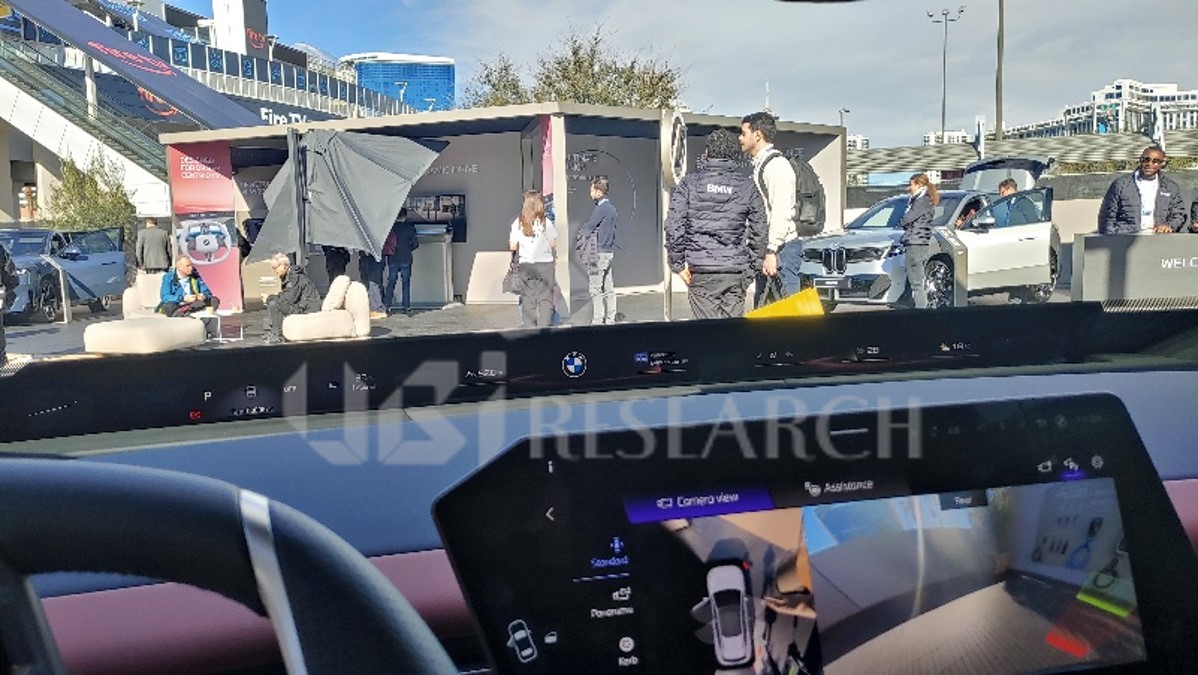
Micro-LED Market Expected to Grow to $1.3 Billion in 2030

UBI Research forecasts the Micro-LED market to reach $1.342 billion by 2030, with annual TV production capacity expanding from 50,000 to 6 million units

UBI Research projects the Micro-LED market to grow to around $1.342 billion by 2030, reshaping the premium TV market landscape. Source: UBI Research

– Annual TV production capacity of 50,000 → 6 million units will accelerate game changing in the premium TV market

According to the “2025 Micro-LED Display Industry and Technology Trend Report” recently published by Ubi Research, Micro-LED, which is touted as a “game changer” in the next generation display market, is on a full-scale growth trajectory. Global Micro-LED TV production capacity is expected to expand from the 50,000 units per year level in 2023 to approximately 6 million units in 2030, and the Micro-LED market size is expected to reach approximately US$1.3 billion (US$1.342 billion).

 Micro-LED is a self-luminous flat panel display technology with higher brightness, longer life, and better durability than OLED, and has emerged as a next-generation candidate in the premium TV and next-generation wearable device markets. Especially it has a wide range of applications from large displays to ultra-compact AR-VR devices due to its superior color reproducibility and visibility with no burn-in concerns.

 UBI Research analyzes that full-scale commercialization will begin after 2027, coupled with improved production efficiency and reduced manufacturing costs, and that the market will continue to grow at a high average annual rate of more than 50% from 2028 onward.

 The main factors driving market expansion are as follows

  •  Increased demand for premium TVs: Growing consumer preference for ultra‑large, high-resolution products.
  • Expansion of production infrastructure: Large-scale investment in mass production lines and process improvements by major manufacturers.
  •  Diversification of application fields: In addition to TVs, enter new markets such as transparent displays, smart glasses, and wearable devices.
  •  Enhanced price competitiveness: Expansion of consumer accessibility through mass production stabilization and cost reduction.

 Joohan Kim, an analyst at UBi Research, pointed out that “the key to Micro-LED proliferation is a stable supply of epi wafers. He added, “Large-scale MOCVD orders are expected to continue after 2026, and wafer production volume is expected to expand to 10 times the current level by 2030,” and “Such stabilization of material supply will support the mass production system of Micro-LED, strengthen price competitiveness, and accelerate market expansion. He added.

 Analyst Kim, Joohan added, “By 2030, the Micro-LED TV market will not only change the competitive landscape of the premium TV market but also affect the profit structure of the forward industry in general,” and “in particular, it will create new growth opportunities in the overall value chain.”

 More specific market outlooks and industry-specific ripple effects will be presented at the “Display Strategy Seminar for 2026 Readiness” to be held on September 5.

Joohan Kim, Senior Analys at UBI Research (joohanus@ubiresearch.com)

▶2025 Micro-LED Display Industry and Technology Trends Report

Samsung Display Featured at K-Display 2025 with Micro-LEDs for Premium Watches

Samsung Display 6,000-nit Micro-LED smartwatch showcased at K-Display 2025

Samsung Display unveils Micro-LED smartwatch at K-Display 2025, Source: Samsung Display

Samsung Display flexible Micro-LED display showcased at K-Display 2025

Samsung Display introduces flexible Micro-LED display, Source: Samsung Display

Samsung Display unveiled an innovative product at the K-Display 2025 exhibition that will change the game in the next-generation smartwatch market. The 6,000nit class smartwatch Micro-LED display presented at the show boasts the highest level of brightness of any wrist watch display announced to date. It has a resolution of 326 PPI and was achieved by precision transferring approximately 700,000 red, green, and blue (RGB) LED chips of less than 30μm in size. A Micro-LED display with a 4,000nit flexible structure that can be bent freely was also shown, presenting a variety of design possibilities. In particular, the inorganic light-emitting structure, which has high brightness, low power consumption, and high reliability at the same time, with absolutely no change in brightness and color depending on the viewing angle even when the screen is bent, is regarded as having greatly increased the competitiveness of next-generation wearable displays.

Through this exhibition, Samsung Display presented the market potential of the fusion of flexible design and Micro-LEDs together. Flexible displays go beyond simple curved surface mounting and enable a variety of form factor designs such as folding (Foldable), rolling (Rollable), stretching ( Stretchable), and can expand the range of applications to include not only smartphones, tablets, and wearable devices, but also automotive and aircraft displays. Another advantage is the use of thin and light plastic substrates instead of glass to reduce thickness and weight, and to ensure durability against drop impact.

 These characteristics are also advantageous for integrated component designs such as on-sell touch and under-panel cameras, providing production efficiency and cost reduction benefits, and are strategic assets for design differentiation and brand image enhancement in the premium product market. The flexible Micro-LED display announced by Samsung Display inherits these technological and market values of flexible OLED displays and is attracting attention as a core driving force that will simultaneously drive technological superiority and premium image in the wearable display market in the future. The flexible OLED display is expected to be the core driving force for both technological superiority and premium image in the wearable display market.

Joohan Kim, Senior Analys at UBI Research (joohanus@ubiresearch.com)

▶2025 Micro-LED Display Industry and Technology Trends Report

BOE Unveils Next-Generation LTPO OLED Roadmap at DIC 2025…Evolving into LTPO 2.x in 2025

BOE LTPO OLED roadmap unveiled at DIC 2025, showing evolution from LTPO 1.0 to LTPO 2.x

BOE’s LTPO Roadmap Exhibited at DIC 2025

From August 7 to 9, at the DIC EXPO 2025 (Display Innovation China), BOE unveiled its LTPO OLED technology development roadmap. The presentation provided a clear view of the company’s technological evolution, starting with the commercialization of LTPO 1.0 in 2021 and leading up to the upcoming launch of the next-generation LTPO 2.x in 2025.

From LTPO 1.0 to 2.0 – Enhanced Power Efficiency and Color Reproduction

In 2021, BOE began mass production of LTPO 1.0, commercializing technology that supports a variable refresh rate (1–120 Hz) and delivers up to 15% power savings. In the same year, the company developed LTPO 1.0+COE (Color on Encapsulation), improving color gamut performance from 83% to 92% (BT2020 standard) and ushering in the era of high color gamut displays.

In 2023, BOE commenced mass production of LTPO 2.0, which minimizes visual fatigue by reducing flicker. This product features 960 Hz PWM driving, supports high brightness of 500 nits, and achieves up to 71% power savings in low-brightness environments.

Tandem Structure Adoption – High Brightness and Low Carbon

Launched in 2024, LTPO 2.0+Tandem improves both transmittance and power efficiency. By adopting a tandem stacked structure, it delivers 24% power savings while simultaneously achieving high brightness and eco-friendliness.

LTPO 2.x in 2025 – Expanding Beyond Mobile to Laptops and Tablets

BOE plans to introduce its next-generation LTPO 2.x in 2025. This technology will further enhance resolution and transmittance, while adopting a thinner and lighter structure. It is expected to be applied not only to smartphones but also to various devices such as laptops (MB), notebooks (NB), and tablets (TPC).

Accelerating Next-Generation Mobile Display Competition

Industry experts believe BOE’s LTPO 2.x will serve as a critical weapon in next-generation OLED competition with Samsung Display and LG Display. With its emphasis on both energy efficiency and eco-friendly technology, BOE is expected to strengthen its position in the global premium smart device market.

Junho Kim, Analyst at UBI Research (alertriot@ubiresearch.com)

▶ China Market Trend Report Inquiry

[DIC EXPO 2025] BOE, 17-inch Rollable OLED

[DIC EXPO 2025] Visionox, World’s First Flexible AMOLED Sliding Automotive Center Console

[DIC EXPO 2025] Visionox, R3 Fully Integrated Flexible AMOLED Rollable Technology

Tianma Company Showcases Micro-LED HUD and Vehicle Instrument Panel Displays at DIC EXPO 2025

From August 7 to 9, the 2025 International Display Technology and Application Innovation Exhibition (“DIC EXPO 2025”) was held at the New International Expo Center.  At this exhibition, Tianma showcased advanced display technology products across its entire product range. Leveraging its innovative capabilities and superior product quality, the company won four gold awards and six silver awards at the concurrently held DIC AWARD 2025 International Display Innovation Awards ceremony, drawing significant attention.

Tianma is focusing on cutting-edge technologies such as Micro-LED and OLED, which are gaining attention in the industry. Among these, the company showcased an 8-inch Micro-LED IRIS (Integrated Reflective Image System) HUD, symbolizing the future direction of the display industry. This display achieves ultra-high brightness of over 10,000 nits, significantly reducing afterimage effects compared to traditional LCD solutions, and its simplified optical system structure allows for a smaller overall size. With its high brightness and contrast ratio, it can display images and text more clearly and distinctly even in high-luminance environments.

Tianma’s 8-inch IRIS Micro-LED HUD at DIC EXPO 2025

8-inch IRIS Micro-LED HUD Application Product Source: TIANMA

Additionally, Tianma showcased a 12.3-inch 2D/3D switchable Light Field vehicle instrument cluster display. This product was recognized for its excellence at the DIC AWARD Display Application Innovation Award. It is a vehicle instrument cluster display that implements 2D/3D switching functionality using liquid crystal prism technology, and it is also the first vehicle instrument cluster display in the industry to adopt 500ppi. It offers real-time 3D depth adjustment (viewing distance ≥ 0.6m, viewing angle 25°) and seamless 2D/3D switching with a single button press. It employs proprietary Light Field rendering technology and lossless conversion algorithms to ensure smooth visual transitions. In 3D mode, it displays stereoscopic instrument panel information without the need for glasses, with data such as vehicle speed and rotation speed appearing in a three-dimensional effect.

12.3-inch 3D/2D switchable automotive cluster display with 500ppi resolution

12.3-inch 3D/2D switchable automotive cluster display with 500ppi resolution Source: TIANMA

This company successfully demonstrated a 7-inch Micro-LED automotive display sample device based on its own G3.5 generation production line in July this year. In terms of product industrialization, the company is focusing on three core areas: automotive displays, public information displays, and transparent displays, while also preparing for expansion into wearable and AR fields.

Namdeog Kim, Senior Analyst at UBI Research(ndkim@ubiresearch.com)

▶2025 Micro-LED Display Industry and Technology Trends Report

[DIC EXPO 2025] TCL CSOT, 219-inch Micro-LED (288 tiled 8.89-inch panels)

[DIC EXPO 2025] Visionox, 135 inch P0.7, Micro-LED(TFT)

[DIC EXPO 2025] TCL, Partioned Frequency 6.73 inch Smartphone

Samsung Display Declares ‘Era of Smarter’ at K-Display 2025… Accelerating Display Paradigm Shift with AI

Samsung Display’s ‘Era of Smarter’ concept diagram and AI-driven display paradigm shift presented at K-Display 2025

Display paradigm shift with AI, Source: Samsung Display

At the K-Display 2025 Business Forum held from August 6 to 9 last week, Seongchan Cho, Vice President of Samsung Display, delivered a presentation titled “Display Paradigm Shift with AI,” explaining that, against the backdrop of evolving usage patterns across smartphones, tablets, and smart monitors and the advancement of communications and cloud infrastructure, the trend of “carry small, view big” is spreading and displays are being redefined as the core of the next-generation human–machine interface (HMI).

He noted that OLED has achieved major advances in perceived image quality—such as contrast, response, and color reproduction—and that it is now time to leap forward into a stage of intelligent optimization that simultaneously improves power, thermal, optical, and algorithmic performance. In particular, he outlined three clear pillars for AI.

First, with AI-designed OLED materials, the company will accelerate materials discovery and property prediction to improve key metrics such as lifetime, efficiency, and color purity more rapidly. Second, in panel architecture optimization, AI-driven design and simulation will shorten multivariable trade-offs across light extraction, encapsulation, and color conversion. Third, under “AI on Display,” the company will emphasize a strategy that dynamically operates features for health, security, and power saving by recognizing usage context. Power optimization and perceived user quality were also central messages.

The company introduced an approach that reduces unnecessary power consumption through control of the off-pixel ratio (OPR) and region-specific frequency optimization, while structurally lowering optical losses such as polarization loss. At the same time, based on the concept of “perceptual image quality”—that contrast and color optimization determine readability and fatigue even at the same luminance—the company stated it will comprehensively enhance contrast, color accuracy, and uniformity to elevate perceived sharpness.

The roadmap for the XR era was also made clear. By combining high-density, high-brightness OLEDoS microdisplays compatible with lightweight optics (such as pancake lenses) with ultra-low-latency driving and improvements in viewing angle and uniformity, the company aims to reduce fatigue in long-wear scenarios, while presenting practical use cases in which multimodal inputs—such as eye gaze, hand gestures, and voice—are processed by on-device AI. This aligns with the direction of “smart displays,” which integrate and optimize power, thermal, optical, and algorithmic factors under device battery constraints.

The health, security, and power-saving focus of “AI on Display” was also presented in concrete terms. On the health front, the company pointed to organic photodiode (OPD)-based biosignal sensing and adaptive contrast/color temperature control to reduce eye strain; on security, smart privacy displays and risk detection based on gaze and presence sensing; and on power saving, dynamic operation that reflects content, environment, and user status to maximize battery efficiency.

The company also demonstrated strong commitment to environmental and safety (ESG) goals. It is pursuing a roadmap to substitute hazardous gases and chemicals used in silicon-oxide-based multilayer structures with safer substances and to phase out and replace high-performing yet environmentally burdensome materials such as PFAS. The company plans to raise environmental and safety standards in parallel throughout large-format, high-integration, and wearable expansion.

At its exhibition booth, Samsung Display showcased exhibits that concretize this vision. Through microdisplay engines/modules for XR, lightweight-optics-compatible reference designs, and interaction demos under the “AI on Display” concept—such as gaze-based focusing and variable-resolution/brightness driving—the company highlighted its capabilities in the integrated optimization of panels, optics, and algorithms.

Changho Noh, Analyst at UBI Research  (chnoh@ubiresearch.com)

▶2025 Small OLED Display Annual Report Sample
▶2025 Mid-to-Large OLED Display Annual Report Sample
[DIC EXPO 2025] EDO Showcases OLED Capabilities, Sets Sights on Global Market Expansion

At DIC EXPO 2025 in Shanghai, China, EverDisplay Optronics (EDO), a leading Chinese AMOLED specialist, set up a large booth and showcased its extensive OLED product portfolio. While EDO is a relatively rare participant in major international display exhibitions, it highlighted its latest products and technologies at this year’s DIC EXPO, demonstrating a strong commitment to market expansion.

Founded in 2012, EDO is one of the leaders in successfully mass producing AMOLEDs in China at a relatively early stage. Currently producing both rigid and flexible OLEDs, EDO has recently expanded into high-value-added markets such as foldable OLEDs and automotive OLEDs. In particular, it holds the number one position in China in the mid- to large-sized AMOLED (tablets, laptops, etc.) market, demonstrating a dominant presence in the tablet and laptop display markets. In 2024, EDO’s OLED panel shipments reached 42.6 million units and revenue reached $462.3 million, ranking it fifth among Chinese OLED panel manufacturers. Key to this success are strategic partnerships, including supplying tablet panels to major clients such as HONOR and Huawei, and providing 14-inch 2.8K and 1.9K OLED panels to global PC brand Acer.

EDO operates both G4.5 and G6 production lines in Shanghai. The G4.5 line primarily produces panels for wearables and smartphones, while the G6 line produces large-scale panels for tablets, laptops, automobiles, monitors, and aircraft. Its monthly production capacity reaches 30,000 substrates. In the aviation industry, EDO supplies 15.6-inch, 21.6-inch, and 27-inch AMOLED panels to global airlines through Panasonic. For automotive OLEDs, EDO supplies 13-inch and 15.1-inch Tandem OLED panels to companies such as Geely.

EDO’s 11.3-inch LTPO OLED tablet display showcased at DIC EXPO 2025

11.3-inch LTPO OLED, Source: EDO

EDO’s 14.2-inch hybrid, tandem OLED tablet display showcased at DIC EXPO 2025

14.2-inch Hybrid, Tandem OLED, Source: EDO

At this exhibition, tablets utilizing Hybrid OLED and Tandem OLED technologies attracted the attention of visitors. EDO became the first company in China to mass-produce tablets utilizing Hybrid OLED and Tandem OLED in 2024, and has also successfully mass-produced a 27-inch 4K AMOLED monitor panel. LTPO TFT technology, designed for low power consumption, is also being widely applied to watches and tablets, improving energy efficiency.

EDO’s 21.6-inch and 27-inch OLED monitor panels displayed at DIC EXPO 2025

21.6-inch, 27-inch OLED Monitors, Source: EDO

Changwook Han, Executive Vice President/Analyst at UBI Research (cwhan@ubiresearch.com)

▶2025 Small OLED Display Annual Report Sample
▶2025 Mid-to-Large OLED Display Annual Report Sample
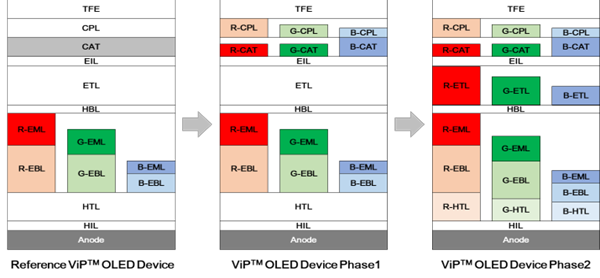
San An Optoelectronics Acquires Lumiles of the Netherlands for $239 Million

 Acquisition of 3rd Largest Automotive LED Manufacturer Accelerates Global Automotive and Micro-LED Market Capture

 San’an Optoelectronics, China’s largest LED epitaxial wafer and chip manufacturer, announced that it will acquire Lumileds, a Dutch LED specialist, for $239 million in cash.

 Lumileds was originally founded as a joint venture between Philips and Agilent and has grown to become a leading global LED solution supplier in the automotive and architectural lighting segments. The company currently holds the third place in the global automotive LED market (1st ams OSRAM, 2nd Nichia) and recorded sales of approximately $600 million in 2024.

 In the micro-LED field, Lumileds is also actively developing technologies: in 2024, in cooperation with XDC, the company demonstrated a 140 PPI micro-IC driven micro-LED display on a 13× 20 μm LED chip substrate, demonstrating its commercial viability.

San An Optoelectronics accounts for about 60% of China’s LED wafer production, producing more than 24 million wafers annually. In the micro-LED field, the company is working with global display manufacturers such as Samsung and TCL CSOT, and has announced plans to build a $1.8 billion Mini-LED and Micro-LED production center in Hubei Province, China, in 2019. 6-inch by 2025 with a monthly capacity of 1,400 Micro-LED wafer production capacity.

 The acquisition is expected to help Shan’an achieve its two strategic goals of expanding its automotive LED market share and strengthening its Micro-LED technology portfolio. China will have an integrated system from Micro-LEDs for vehicles to ‘chips→ , modules→ , and application to complete vehicles. In particular, the combination of Lumileds’ high-reliability automotive lighting technology and micro-LED device design capabilities is expected to greatly enhance competitiveness in next-generation application markets such as vehicle displays, AR HUD, and smart lighting. If San’an maintains Lumileds’ global OEM network intact, the speed of entry into the European and American luxury vehicle markets could also be very fast.

The reasons for this, in stages, are as follows

1. pre-acquisition – post-acquisition changes in San’an’s value chain

 2. Significance in the Automotive Micro-LED Field

  •  Lumileds Strengths
    •  Experience in automotive reliability certifications such as AEC-Q100/102/104
    •  LED module design capability for headlamps, DRLs, and HUDs
    •  Supply contracts and networks with global automotive suppliers
  •  San’an Strengths
    •  High-volume production capacity of RGB chips for Micro-LEDs
    •  Cost competitiveness +  Government support (China LED Independence Strategy)

Synergies: San’an produces chips OEM delivery can be done within one company →  Complete vertical affiliation

3. Impact on China’s Automotive Micro-LED Strategy

  1.  Technology internalization
    •  Absorption of Lumileds’ vehicle standards compliance and optical design technologies enables development of proprietary automotive Micro-LED modules in China.
  2.  Self-sufficient supply chain
    •  Everything from chips to modules to certification can be handled within China. →  Reduces dependence on foreign countries.
  3.  Cost and speed competitiveness
    •  Shorter certification and mass production conversion time. →  Enhanced negotiating power with global OEMs.
  4.  Competitive pressure
    •  Possible to put pressure on Taiwanese, Korean, and U.S. companies such as AUO, PlayNitride, and JBD in terms of cost and supply speed.

4. Scenario for the next 3-5 years

 Period  Change Forecast
 2025-2026  Integration of Lumileds and production and certification lines in China, demonstration of initial automotive Micro-LED modules
 Year 2027  Full-scale application of Micro-LED modules in HUDs, transparent displays, and lighting for finished vehicles in China (Geely, BYD, etc.)
 After 2028 Expansion of overseas OEM supply, possible reorganization of global Micro-LED market share for vehicles into a China-centric structure

Joohan Kim, Analyst at UBI Research (joohanus@ubiresearch.com)

▶UBI Research’s Micro Display Report

[K-Display 2025] bsk ,Transparent OLED

[K-Display 2025] LG Display, Zero Bezel AM Micro-LED Display

[K-Display 2025] LG Display, Stretchable Micro-LED Display

[K-Display 2025] LG Display, 4th Gen OLED

[K-Display 2025] LG Display, DFR Gaming OLED

[K-Display 2025] Samsung Display, White OLEDoS

[K-Display 2025] Samsung Display, Automitive Display

[K-Display 2025] Samsung Display, Multi axis stretchable display

[K-Display 2025] Samsung Display, QD-OLED 49″ DQHD Monitor

[K-Display 2025] Samsung Display, Micro-LED (Curved, Watch)

[K-Display 2025] Samsung Display, FMP (Flex Magic Pixel)

[K-Display 2025] Samsung Display, RGB OLEDoS (5,000ppi, 20,000nit)

Visionox Unveils ViP (Visionox Intelligent Pixelization) Products at DIC 2025… Achieves Over 90% Yield in Small-Sized Displays

Visionox’s circular OLED smartwatch panels produced with ViP deposition technology, showcased at DIC 2025.

OLED panel for smartwatches using ViP deposition method unveiled by Visionox

Chinese display specialist Visionox showcased products manufactured using its ViP (Visionox Intelligent Pixelization) technology at the DIC 2025 (Display Innovation China) exhibition held in August 2025. ViP is Visionox’s next-generation core technology, enabling ultra-high resolution, improved device lifetime, and high brightness—representing performance enhancements across multiple dimensions.

At the exhibition, Visionox revealed that panels produced with the ViP method offer a resolution of up to 1700 ppi, an aperture ratio of 69%, a sixfold improvement in device lifetime, and four times higher brightness compared to conventional technologies. The company emphasized that this technology is widely applicable—from AR/VR microdisplays to smartphones, automotive displays, and large-sized TV panels.

A Visionox representative at the exhibition stated, “Among the panels produced using the ViP method on our V3 line, small-sized display panels such as those for smartwatches have achieved yields of over 90%. Yields for medium-sized displays, such as those for smartphones, have also reached around 60%.”

However, since the ViP deposition method is applied to 8.6-generation medium-to-large OLED production lines, the technical difficulty of yield improvement increases with larger substrate sizes. Therefore, further monitoring of yield stabilization will be necessary going forward.

The ViP deposition method is compatible with both regular and irregular panel structures, supports low minimum order quantities, and is compatible with pol-less and transparent display technologies. As such, it is considered well-suited for high-mix, low-volume production and customized display markets.

Junho Kim, Analyst at UBI Research (alertriot@ubiresearch.com)

▶ China Market Trend Report Inquiry

Sensor OLED Displays: Smartphones Evolve into Healthcare Platforms

Concept diagram of Samsung Display’s sensor-integrated OLED technology for mobile cardiovascular health monitoring, presented at SID 2025.

At SID 2025, Samsung Display unveiled its Sensor OLED technology that enables both biometric authentication and cardiovascular data monitoring on a single OLED screen.
Source: Samsung Display, SID 2025 Digest (Paper 80-1)

Display technology is evolving yet again. They’ve gone beyond just displaying images to detecting and analyzing vital signs and even diagnosing your health. Samsung Display’s paper “Sensor OLED Display-Based Mobile Cardiovascular Health Monitor” (SID 2025 Digest, Paper 80-1), presented at SID 2025, symbolizes this change. The paper introduces Sensor OLED technology, which integrates organic photodiodes (OPDs) into OLED displays at high resolution and down to the pixel level, and demonstrates the potential for smartphones to evolve into cardiovascular disease monitors and digital treatment platforms.

Traditionally, measuring biometric data has required the use of separate wearable devices or standalone sensors, but Sensor OLED is designed to simultaneously collect high-resolution image sensing and photoplethysmography (PPG) signals on the display itself, enabling fast and precise measurement of a variety of vital signs with the simple act of placing a finger on the smartphone display. It can simultaneously measure PPG signals from the left and right fingers and compare the features of the pulse waveforms to screen for cardiovascular disease with 90% accuracy, according to the paper. This method achieves similar levels of accuracy to Doppler or sphygmomanometers used in healthcare organizations but offers greater convenience in that it does not require a hospital visit or wearing any equipment.

The paper specifically focuses on the cuffless blood pressure measurement algorithm, which compares a single-point method that utilizes PPG signals from a single finger to a dual-point method that analyzes signals from both fingers together, demonstrating that both accuracy and reliability can be achieved. In a clinical trial involving 120 people and a four-week follow-up, medical device-level accuracy was achieved, and the signal loss rate was significantly reduced. As such, sensor OLED-based smartphones are expanding into mobile healthcare platforms that can analyze blood pressure, heart rate, stress, respiration rate, and even vascular structure and blood flow.

The best feature of sensor OLEDs is the interactive sensing experience. While measuring vital signs, the signal quality can be checked in real time, and users can adjust finger position or pressure on the screen to improve data accuracy. The paper defines this as ‘User Interactive Sensing’ and emphasizes its potential to evolve into a device-based solution that can replace existing complex biofeedback devices. High-resolution image-based blood flow analysis also makes it possible to visualize and measure the structure and flow of blood vessels in the finger. This technology paves the way for smartphones to replace existing hospital Doppler machines.

As such, sensor OLEDs are gaining traction as a key platform for next-generation smartphones and wearable devices because they can integrate displays and sensors into a single device, dramatically improving measurement performance while reducing the thickness and complexity of the device. In particular, its convergence with artificial intelligence (AI) and Internet of Things (IoT) technologies can be linked to a variety of digital therapeutics (DTx) services, including personalized health monitoring, early disease prediction, and telemedicine.

In the paper, the research team said that the technology is not just a technical experiment but has achieved medical device-level reliability in real-world clinical environments and has the potential for commercialization through large-scale clinical validation. This is expected to enable basic health care in areas where it is difficult to visit a hospital or where medical infrastructure is lacking.

Changho Noh, Analyst at UBI Research  (chnoh@ubiresearch.com)

▶2025 Small OLED Display Annual Report Sample
▶2025 Mid-to-Large OLED Display Annual Report Sample
Samsung Display’s Mid-Large Area OLED Shipments Surge 58.2% in Q2… Further Growth Expected in the Second Half

Bar and line graph showing Samsung Display’s OLED panel shipments from 1Q24 to 2Q25, including QoQ and YoY growth trends.

Samsung Display’s OLED panel shipments from 1Q24 to 2Q25

Samsung Display saw a significant increase in Mid-large area OLED panel shipments during the second quarter. According to UBI Research’s quarterly publication, OLED Display Market Tracker, the company shipped a total of 4.9 million large-area OLED panels in Q2 2025, marking a 58.2% rise from 3.1 million units in the first quarter.

By product category, OLED panel shipments for notebooks reached 2.5 million units, representing the largest share and more than double the volume of the previous quarter. UBI Research forecasts continued growth in notebook OLED shipments in the second half of the year, with total shipments in 2025 expected to reach around 10 million units. Furthermore, starting in 2026, Samsung Display is set to supply 2-stack tandem OLED panels for Apple’s MacBook Pro series, which is projected to drive notebook OLED shipments to over 15 million units annually.

OLED panel shipments for monitors also showed solid growth. Q2 shipments were estimated at 700,000 units, up approximately 44% from the first quarter. The annual shipment volume for 2025 is projected to reach about 2.5 million units.

In addition to notebooks and monitors, shipments of OLED panels for automotive displays, tablet PCs, and TVs remained similar to Q1 levels, with slight increases observed.

Chang Wook Han, Executive Vice President of UBI Research, commented, “Samsung Display experienced a temporary decline in shipments during Q1 due to reduced demand for tablet PC and notebook panels, but recovered to typical levels in Q2. From Q3 onward, panel shipments for the new iPad Pro models and notebook panels for DHL are expected to increase, further boosting Samsung Display’s shipment volume in the third and fourth quarters.”

Samsung Display is actively strengthening its presence in the large-area OLED market, accelerating business expansion across various sectors including notebooks, monitors, tablets, and automotive applications. Industry observers expect this trend to become a key growth driver for the overall OLED market.

Changwook Han, Executive Vice President/Analyst at UBI Research (cwhan@ubiresearch.com)

▶Quarterly Medium & Large OLED Display Market Tracker Sample

▶ Quarterly Small OLED Display Market Tracker Sample

BOE Clears Qualification for iPhone 17 Pro OLED Panels…Mass Production Expected to Begin in August

BOE iPhone 17

Chinese display maker BOE has reportedly cleared Apple’s qualification (Qual) process for producing OLED panels for the iPhone 17 Pro. Industry insiders had initially predicted that BOE would struggle to obtain approval for the premium model’s panels within this year, but the faster-than-expected qualification suggests the company is strengthening its readiness for Apple’s 2025 lineup.

While BOE has received panel-level qualification, it has yet to pass the module qualification stage. Nevertheless, the company is expected to begin risk production of iPhone 17 Pro panels as early as August. These early batches are believed to be for verification or initial delivery purposes.

With this additional qualification, BOE’s total shipment forecast for iPhone OLED panels in 2025 has been revised upward from 40 million units to approximately 45 million units, reflecting the newly approved volume for the iPhone 17 Pro.

BOE is currently operating its B11 facility in Mianyang, Sichuan Province, as a dedicated OLED production line for iPhones. The company has configured six module lines in total: two lines for iPhone 14 and 16e, two for iPhone 16, and two verification lines for the iPhone 17 Pro. Given the high complexity and stringent quality standards required for the Pro model, securing stable yield rates will be a key challenge moving forward.

Clearing this qualification marks a significant step for BOE toward entering Apple’s premium lineup in earnest. It also adds competitive pressure to the current iPhone OLED panel supply structure, which is largely dominated by Samsung Display and LG Display. However, since BOE has not yet secured module-level qualification, additional verification and technical stabilization will be necessary before full-scale deliveries can begin.

Junho Kim, Analyst at UBI Research (alertriot@ubiresearch.com)

▶ China Market Trend Report Inquiry

The Evolution of Automotive Displays: OLED Leading the Premium Market

As digitalization accelerates in the automotive industry, the sophistication of in-vehicle displays is accelerating. OLED displays, in particular, are rapidly being adopted, particularly in premium vehicles, due to their superior image quality and flexible design possibilities.

The first automotive application of OLED displays was the instrument clusters of the 2016 Audi TT RS and Q7. These vehicles featured OLED panels supplied by Samsung Display, leading to the early commercialization of digital clusters. Following this, the 2017 Cadillac Escala concept car featured LG Display’s curved OLED display in its instrument cluster, demonstrating the potential of OLED in luxury vehicles.

OLEDs were first commercialized in the central information display (CID) with the 2021 Mercedes-Benz S-Class. This vehicle features a 12.8-inch vertical OLED touchscreen, which integrates with haptic feedback and Mercedes-Benz’s next-generation infotainment system, MBUX 2nd Generation, significantly enhancing the passenger experience. The 2022 EQS and EQS SUV will then see the introduction of the ‘MBUX Hyperscreen’, which integrates a 17.7-inch central OLED and a 12.3-inch passenger OLED under a curved glass panel.

Mercedes-Benz S-Class (12.8-inch OLED CID)

Mercedes-Benz S-Class (12.8-inch OLED CID)

MBUX Hyperscreen (17.7-inch OLED CID, 12.3-inch OLED CDD)

MBUX Hyperscreen (17.7-inch OLED CID, 12.3-inch OLED CDD)

Amidst this trend, LG Display was the first company to establish a mass production system for automotive OLEDs, steadily supplying OLED panels to various brands, including Mercedes-Benz. Notably, LGD has established itself as a key partner for Mercedes-Benz, leading the premium display market for its electric vehicle lineup, including the EQS and EQE.

Meanwhile, Samsung Display is actively expanding its supply of next-generation automotive OLED panels. Specifically, it plans to supply a 48-inch “pillar-to-pillar” OLED display for the 2028 Mercedes-Maybach S-Class, as well as future CLA, SL, and electric vehicle lineups. This display, with its integrated structure spanning the entire front of the vehicle, is attracting attention for its ability to deliver both immersive and design perfection.

Despite the high cost and limited supplier base compared to LCD, OLED is becoming a key element in providing differentiated user experiences and strengthening brand identity for luxury brands such as Mercedes-Benz, BMW, Genesis, Lucid, and BYD. “Automotive OLED panel shipments are expected to reach approximately 3 million units in 2025, and by 2030, they are expected to exceed 6 million units, accounting for 14.4% of the total automotive display market in terms of value,” said Changwook Han, Executive Vice President of UBI Research. “This demonstrates that in-car displays are evolving beyond a simple means of conveying information to become the center of UX that provides emotion and immersion.”

Changwook HAN, Executive Vice President/Analyst at UBI Research (cwhan@ubiresearch.com)

▶2025 Automotive Display Technology and Industry Trends Analysis Report

China’s WSMT Attracts $14 Million Investment…. Technology Competition with JBD in the MicroLED Market is in Full Swing

Westlake Smokey Mountain Technology (WSMT)

Westlake Smokey Mountain Technology (WSMT), headquartered in Hangzhou, China, has recently successfully attracted a pre-series A investment of approximately RMB 100 million (approximately US$14 million). The investment was made by Shenzhen Capital Group (SCGC), Ivy Capital, Moganshan Fund, Lenovo Capital & Incubator Group, and others, suggesting that WSMT has entered into full-scale preparations for Micro-LED mass production.

 WSMT is a company developing Micro-LEDs with a vertically stacked structure of RGB elements based on technology from Westlake University (Westlake University). Unlike the conventional RGB separated structure, this technology vertically stacks red (R), green (G), and blue (B) LEDs on a single chip, fundamentally solving the problem of pixel alignment accuracy, and is regarded as an advantageous structure for realizing high-resolution small displays.

The company is currently building an epi-wafer production line for Micro-LEDs in Huzhou, Zhejiang Province, which is expected to be in production by the end of 2025.WSMT emphasizes that this technology will enable ultra-high resolution of over 5,000dpi, a lifetime of over 100,000 hours, low power (<50mW, 10K nits standard) The company emphasizes that this technology can be used not only for microdisplays for AR/VR, but also for scalability of large-area displays of 8 inches or larger.

 At the same time, Jade Bird Display (JBD), located in Shenzhen, China, also started sample shipments of its “Phoenix series” of RGB vertically stacked micro-LED microdisplays. ㎛JBD also plans to mass produce 0.3-inch, 4K resolution products by the end of 2025.

JBD has until recently secured tens of millions of dollars in funding through the A4 strategic investment round and A3 round, with major global companies such as Alibaba, Samsung, BYD, and Geely as major investors. In particular, JBD is working with BYD on the joint development of Micro-LED displays for vehicles. Currently, JBD is operating a $92 million mass production line in Hefei with a total capacity of 120 million 0.13-inch panels per year.

 WSMT and JBD are both developing Micro-LED technology based on the vertically stacked RGB structure, but WSMT, as a research-oriented startup, is emphasizing the perfection of the technology and the potential for large-area deployment, while JBD is securing an advantage in terms of commercialization and speed of market entry.

 The competition between WSMT and JBD is part of China’s strategy to secure technology leadership in the global MicroLED ecosystem. The competition between WSMT and JBD can be interpreted as part of China’s strategy to secure technology leadership in the global MicroLED ecosystem, and is expected to influence the strategic choices of Apple, Meta, Samsung Electronics, and others in the future.

Joohan Kim, Analyst at UBI Research (joohanus@ubiresearch.com)

▶UBI Research’s Micro Display Report

Application of Samsung Display’s ‘Flex Magic Pixel’ and CoE technology: Simultaneously delivers privacy protection and top-notch image quality

Samsung Display FMP OLED with switchable privacy mode and wide viewing angle protection

Flex Magic Pixel™ at MWC (Mobile World Congress) 2024

Samsung Display is expected to introduce Flex Magic Pixel™, a revolutionary viewing angle adjustment technology, to its next flagship smart device, bringing a new level of user privacy experience. Through synergies with Samsung Display’s core OLED technology, CoE (Color filter on Encapsulation), this technology is expected to secure even stronger competitiveness.

‘Flex Magic Pixel’ first garnered significant attention from the industry at the MWC (Mobile World Congress) 2024 exhibition. This proprietary Samsung Display technology combines artificial intelligence (AI) to dynamically control the display’s viewing angle. When a user runs sensitive applications like banking apps, the AI recognizes this and automatically adjusts the screen to be clearly visible only from a direct frontal view. From side angles, the screen appears blurry or invisible, effectively preventing the leakage of personal information.

Traditional privacy films, attached to the display, typically suffer from reduced screen brightness and degraded picture quality. Their fixed viewing angles also limit user convenience, and their thickness can restrict design flexibility. ‘Flex Magic Pixel,’ however, fundamentally resolves these issues. ‘Flex Magic Pixel’ is not merely a film technology that blocks light from certain angles, but a sophisticated technology that controls the viewing angle through precise manipulation of individual OLED pixels. This ensures users can experience top-tier picture quality while their privacy remains protected.

Furthermore, ‘Flex Magic Pixel’ maximizes its synergy when combined with Samsung Display’s OLED CoE technology. CoE technology removes the conventional polarizer from OLED panels and directly forms a color filter on the encapsulation layer. This dramatically reduces display thickness and enhances light transmittance, delivering exceptional brightness and superior power efficiency.

The high brightness and flexibility achieved with CoE technology are expected to have a positive impact on the functionality of Flex Magic Pixel. The high-bright screen based on CoE compensates for the slight light loss that may occur when Flex Magic Pixel is activated, enabling perfect privacy protection even in next-generation form factors such as foldable and rollable devices.

The combination of Flex Magic Pixel and CoE technology enables users to use smart devices with confidence anytime, anywhere, while providing overwhelming picture quality and design flexibility, and is expected to be expanded to next-generation displays such as automotive displays and IT devices.

The future application of ‘Flex Magic Pixel’ will once again demonstrate Samsung Display’s technology leadership in satisfying user convenience and security at the same time and is expected to set a new direction for the future display market.

Changho Noh, Analyst at UBI Research  (chnoh@ubiresearch.com)

▶2025 Small OLED Display Annual Report Sample
▶2025 Mid-to-Large OLED Display Annual Report Sample
HKC Pushes OLED Expansion: Smartphone Panel Trial Production Starts, G6 eLEAP Line Planned

HKC, one of China’s leading display panel manufacturers, is accelerating its transition into the small- and medium-sized OLED market. Moving beyond its traditional focus on large-sized LCDs, the company is now expanding into flexible OLED panels for smartphones and IT devices, while also actively investing in next-generation maskless OLED fabrication technologies.

HKC plans to begin trial production of smartphone OLED panels at its H6 facility in July 2025. The Phase 1 line has been built using secondhand 5.5-generation equipment previously owned by Royole, and features a hybrid structure that applies flexible encapsulation on glass substrates. The TFT backplane has a monthly capacity of 4,000 substrates, and the evaporation process follows a quarter-cut method.

In Phase 2, HKC is incorporating 4.5-generation EVEN equipment transferred from Japan’s Sharp, which is expected to be restored and operational by April 2026. The company also owns a dedicated OLED R&D line, currently undergoing restoration, with completion targeted for September 2025.

Notably, HKC is planning to build a dedicated G6 (6th-generation) OLED mass production line based on eLEAP technology. While Kunshan was initially considered as the investment site, current indications suggest the project will likely shift to Mianyang in Sichuan Province, due to changing policy dynamics and stronger local government partnerships. HKC is currently seeking regulatory approval from the Chinese government for its G6 OLED line based on eLEAP technology. While FMM (Fine Metal Mask) processing is also being considered as an option, it is understood that approval for FMM is highly unlikely due to regulatory constraints. The production line is expected to incorporate secondhand equipment from Japan Display Inc. (JDI), with potential for accompanying technical support.

This strategy signals a broader shift in China’s OLED industry, moving beyond simple production scale-ups to focus on achieving global competitiveness in advanced manufacturing technologies.

A parallel effort is underway at Visionox, which is building a G8.6 OLED line (V5) in Hefei. There, the company is developing and preparing to mass-produce OLED panels using ViP (Visionox Intelligent Pixelization), a maskless pixel formation technology based on photolithography and patents from Japan’s SEL. This approach avoids the resolution and yield limitations associated with traditional FMM processes.

HKC’s eLEAP investment aligns with this broader maskless OLED trend. Developed by JDI, eLEAP technology enables precision pixel formation without metal masks, offering advantages in aperture ratio and panel longevity. HKC signed an MOU with JDI in 2023 for joint development of eLEAP-based OLEDs. Although the companies later scaled back plans for a joint OLED fab, technical collaboration is understood to be ongoing.

The parallel efforts of HKC with eLEAP and Visionox with ViP demonstrate China’s intent to lead not only in OLED manufacturing capacity, but also in core next-generation fabrication technologies. This shift underscores the nation’s strategic ambition for technological self-reliance and global leadership in OLED production—an ambition likely to reshape the future of the small- and medium-sized OLED industry.

Changwook Han, Executive Vice President/Analyst at UBI Research (cwhan@ubiresearch.com)

▶ China Market Trend Report Inquiry

Visionox Accelerates V5 Project…Expanding Technological Foundation through Patent Agreement with SEL and Completion of Mask-less OLED Deposition Equipment Order

Comparison of OLED layer structures: FMM vs. ViP

OLED Layer Structure Comparison: FMM vs. ViP (Source: Visionox)

The key infrastructure processes for Visionox’s V5 project in China are progressing smoothly, signaling the full-scale preparation for next-generation OLED production. In parallel, Visionox has made a significant leap in securing core technological capabilities by signing a strategic patent license agreement with Japan’s Semiconductor Energy Laboratory (SEL).

The V5 line, currently under construction by Visionox in Hefei, Anhui Province, aims to move away from the conventional FMM (Fine Metal Mask) process and focuses on the production of mask-less OLED panels. To that end, the company is advancing its ViP (Visionox Intelligent Pixelization) technology—recently rebranded as mask-less OLED—as a next-generation high-resolution OLED manufacturing method.

Recently, Visionox successfully completed the roofing work for the V5 plant, wrapping up groundwork for major equipment installation. Core production equipment, including OLED deposition systems, has been ordered from AKT, a subsidiary of Applied Materials. Orders for additional essential equipment—such as exposure systems (Nikon), ion implanters (Nissin), and Excimer Laser Annealing tools—are also underway. The technical committee’s review for final investment approval of the V5 line shows positive progress.

In the meantime, Visionox has entered into a licensing agreement with SEL for core OLED-related patents. SEL holds a large number of fundamental patents related to LTPS (Low-Temperature Polycrystalline Silicon), oxide TFTs, and OLED driving technologies. The company is developing a lithography-based OLED process called metal maskless lithography (MML). Through this agreement, Visionox aims to reduce global patent risks and strengthen its technological competitiveness in mask-less OLED technologies and high-resolution panel design. Visionox’s mask-less OLED process is based on Applied Materials’ OLED Max (photolithography) technology. Unlike SEL’s approach, which performs cathode processing after the lithography step, OLED Max conducts lithography after forming both the cathode and encapsulation layers. Although SEL’s method may lead to shorter OLED material lifespan, it offers an advantage in improving process yield. The partnership with SEL is expected to become a major milestone in Visionox’s push toward commercialization of next-generation OLED technology.

With progress in the V5 project and expanding global technological partnerships, Visionox plans to continue reinforcing its leadership in the global OLED market through initiatives such as establishing a national-level R&D institute in Kunshan, diversifying AMOLED applications, and improving asset efficiency for sustainable, technology-driven growth.

Changho Noh, Analyst at UBI Research  (chnoh@ubiresearch.com)

▶ China Market Trend Report Inquiry

LG Display Sees Recovery in 2H OLED Shipments for iPhone and iPad – Positive Signal for Earnings

– OLED shipments expected to rise by approx. 70% in Q3 with the mass production of iPhone 17 series

2025 Panel Shipment Share For Apple

2025 Panel Shipment Share For Apple

LG Display is poised for a rebound in earnings in the second half of the year as it ramps up OLED panel shipments for iPhones and iPads. According to market research firm UBI Research, Apple’s new iPhone 17 series and iPad Pro models entered full-scale mass production in July, leading to a projected sharp increase in LG Display’s OLED panel shipments in Q3.

UBI Research reports that LG Display accounted for 21.3% of iPhone panel shipments in Q2, falling behind China’s BOE for the first time, which recorded a 22.7% share. Samsung Display remained the leader, commanding 56% of shipments for iPhones.

Currently, LG Display supplies small- and mid-sized OLED panels exclusively to Apple, primarily focusing on LTPO panels used in the iPhone Pro lineup. These panels are priced higher than the LTPS panels supplied by BOE for the standard iPhone models, which means LG Display still leads in revenue terms despite lower shipment volumes.

The Q2 decline in LG Display’s shipments is seen as a temporary setback. Since Apple’s new iPhone series typically enters mass production in July each year, shipments are expected to surge starting in Q3. In fact, LG Display’s iPhone panel shipments are forecasted to reach around 18.5 million units in Q3—a 70% increase from Q2—and exceed 25 million units in Q4.

In addition to iPhones, shipments for iPad panels are also expected to rebound in Q3. Production of new iPad Pro models, which had sluggish sales last year due to high retail prices, began in July. As a result, iPad OLED panel shipments are expected to double from 800,000 units in Q2 to 1.6 million units in Q3.

Changwook Han, Executive Vice President of UBI Research, stated, “With both the iPhone 17 series and the new OLED iPad Pro models entering mass production in July, LG Display’s performance is set to show a clear recovery starting in the third quarter.” He added, “On an annual basis, LG Display is expected to secure over 30% of total iPhone OLED panel shipments in 2025.”

Changwook Han, Executive Vice President/Analyst at UBI Research (cwhan@ubiresearch.com)

▶Quarterly Medium & Large OLED Display Market Tracker Sample

▶ Quarterly Small OLED Display Market Tracker Sample

Seeya Technology Applies for Listing on STAR Market of Shanghai Stock Exchange – Accelerates Expansion of Micro-OLED Production

On June 26, 2025, Micro-OLED specialist Seeya Technology (希显科技) submitted its application for listing on the STAR Market (科创板) of the Shanghai Stock Exchange. Through this IPO, the company aims to raise approximately 2.015 billion RMB (about KRW 380 billion), with the funds primarily allocated to expanding production capacity and strengthening R&D.

Seeya currently operates with a monthly production capacity of 9,000 sheets (based on 12-inch wafers) and began equipment installation for Phase 2 in May 2025, which will add another 9K to its capacity. Depending on market conditions, Phase 3 investment is also planned, and once all phases are completed, the company is expected to reach a total monthly capacity of 27K.

The IPO process began at the end of 2024 and has recently completed all major pre-listing procedures. If all goes smoothly, Seeya is expected to complete its listing by 2026. The company is already supplying mass-produced products to key customers such as Xiaomi, DJI, XREAL, and Thunderbird (雷鸟科技). It is currently competing with BOE to secure Meta’s business, and has also established a strategic partnership with Apple.

With this IPO, Seeya is expected to further strengthen its position within China’s Micro-OLED industry and expand its influence in the global XR and AR device markets.

Detailed information on the current status of China’s Micro-OLED industry, including Seeya Technology, can be found in UBI Research’s China Trends Report.

Junho Kim, Analyst at UBI Research (alertriot@ubiresearch.com)

▶ China Market Trend Report Inquiry

The Future of Panoramic HUDs, Led by Micro-LED

As in-vehicle display technologies continue to evolve rapidly, the head-up display (HUD), which projects various types of information into the driver’s forward field of view, is becoming an essential interface in modern vehicles. Recently, Panoramic HUDs (PHUDs) capable of displaying not only speed and navigation data but also augmented reality (AR) content have emerged, showcasing significant technological advancement. At the core of this evolution is Micro-LED technology, which is gaining traction as the key enabler of PHUDs.

PHUDs project information across the entire or a substantial portion of the windshield, requiring a wide field of view, high resolution, and high brightness. Currently, the most commercially viable implementation is the black strip reflection method. This approach utilizes the lower black band area of the windshield as a reflective surface, allowing for a simpler optical system and lower production costs—making it an attractive option for many automakers. However, to avoid obstructing the driver’s view, the image projection height is limited, typically restricted to a narrow vertical range of approximately 3 to 6 cm.

BMW Panoramic Vision

BMW Panoramic Vision

For a more immersive and premium experience, some high-end vehicles adopt a transparent reflection method. This involves embedding multilayer optical films or applying special structures within the windshield, allowing images to be reflected even in transparent areas without the need for a black band. While this method offers advantages in immersion and design, it poses significant challenges in optical complexity, higher costs, and low reflectivity—necessitating the use of ultra-bright displays.

Micro-LED provides a compelling solution to these structural and technological challenges. Thanks to its self-emissive pixel structure, Micro-LED can achieve brightness levels exceeding 1,000 nits, with ultra-high brightness capabilities reaching 30,000 to 50,000 nits—all while maintaining excellent power efficiency.

At SID 2025, major display companies such as AUO, BOE, and CSOT unveiled a range of Micro-LED-based PHUD prototypes. BOE showcased a 6.2-inch Micro-LED HUD with sub-0.2mm pixel pitch and 30,000 nits peak brightness (15,000 nits perceived brightness). CSOT presented a large 14.3-inch PHUD featuring 45,000 nits peak brightness (12,000 nits perceived brightness) and a wide viewing angle, while AUO demonstrated a 13-inch high-brightness PHUD with 12,000 nits of perceived brightness.

AUO 13” PHUD (12,000nits)

AUO 13” PHUD (12,000nits)

BOE 6.2” PHUD (15,000nits)

BOE 6.2” PHUD (15,000nits)

TCL CSOT 14.3” PHUD (12,000nits)

TCL CSOT 14.3” PHUD (12,000nits)

Micro-LED is not merely enhancing display performance—it is fundamentally transforming the structure and implementation of Panoramic HUDs. It overcomes the limitations of restricted reflection areas, enables the projection of high-brightness, high-resolution images onto various curved windshields, and meets the demands for transparency and design flexibility. As the commercialization of PHUDs becomes a reality, Micro-LED stands at the center of this transformation. The future of automotive vision and interface will unfold on Micro-LED.

Changwook HAN, Executive Vice President/Analyst at UBI Research (cwhan@ubiresearch.com)

▶2025 Automotive Display Technology and Industry Trends Analysis Report

Ultra-Slim Innovation, Foldable Phone Evolution: The Galaxy Z Fold 7 and the Market Race to 2025

Galaxy Z Fold7 & Z Flip7 (Source: Samsung Electronics)

Galaxy Z Fold7 & Z Flip7 (Source: Samsung Electronics)

Samsung Electronics unveiled the Galaxy Z Fold 7 on July 9, announcing its global launch in late July. The new Z Fold 7 reduces weight to 215 grams and measures just 8.9 mm when folded and 4.2 mm when unfolded, making it the thinnest and lightest Z Fold series yet. Compared to its predecessor, the Fold 6, the Galaxy Z Fold 7 offers noticeable improvements in thickness and weight. When folded, it’s 8.9mm thick, down from 12.1mm, which is about 3.2mm thinner, a reduction of about 26%. When unfolded, the thickness has also been reduced from 5.8 mm to 4.2 mm, which is about 28% thinner. The weight is also 24 grams lighter, from 239 grams to 215 grams. The main display has grown from 7.6 inches to 8.0 inches, and the cover display has widened from 6.3 inches to 6.5 inches. This is designed to improve both portability and visual immersion. The new “Armor Flex Hinge” uses enhanced materials and structural innovations to achieve a durable and thin design.

The 2025 foldable cell phone market is facing an intensifying race to slim down, and in addition to Samsung, other major manufacturers such as Vivo, Oppo, and Honor are launching a series of products in the 9mm or smaller class. The thinnest major foldable smartphone currently on the market is Honor Magic V5 White, which measures 8.8mm when folded and 4.1mm when unfolded. The lightest is the Galaxy Z Fold 7, which weighs just 215g, making it extremely portable. In terms of battery capacity, the Vivo X-Fold 5 has the largest at 6,000 mAh, which gives it an advantage for extended use. In terms of camera resolution, the Galaxy Z Fold 7 has a 200MP main camera, which offers top-notch shooting performance. Meanwhile, the OPPO Find N5 has the largest main display size at 8.12 inches, which is favorable for content viewing and multitasking.

Apple is currently working on its first foldable iPhone, which is expected to be released as early as the second half of 2026. Apple is preparing a book-type form factor with a 7.8-inch internal display and a 5.5-inch external display supplied by Samsung Display, and it is expected to be the thinnest device ever made by Apple, with a thickness of approximately 4.5 millimeters when unfolded and 9 to 9.5 millimeters when folded. The foldable iPhone will be powered by the next-generation A20 or A21 Pro chipset and will feature an iOS custom UI optimized for foldable experience. Foxconn plans to begin mass production of foldable iPhone around September or October 2025, and the product is expected to cost about twice as much as the iPhone 16 Pro Max. Meanwhile, Apple’s entry into the foldable market is expected to have a major impact on the entire foldable phone market, and competition among global manufacturers is expected to be in full swing between 2025 and 2027. In particular, the points of competition in the foldable market are becoming increasingly clear.

Ultra-slim design is not just a design innovation but also requires lightweight and slimmer technologies for core components and materials such as ultra-thin glass (UTG), hinge structures, battery packs, and highly integrated FPCBs. Therefore, the future foldable competition is expected to be characterized not only by device perfection, but also by securing technology at the component and material level as a key differentiator. Battery performance is also an important competitive factor, with the Vivo X-Fold 5 featuring a large 6,000mAh battery for long-lasting use, while the OPPO Find N5 supports 80W wired charging and 50W wireless fast charging. In terms of camera performance, Samsung’s Fold 7 has the highest image quality among foldable phones, with a 200-megapixel (200MP) main camera. In terms of software and AI optimization, Samsung is actively applying Google Gemini-based Galaxy AI, while Apple is preparing a multi-screen iOS for foldable displays. Finally, durability and waterproofing and high prices remain the biggest weaknesses of foldable phones and will likely be the key to product differentiation in the future.

In the end, the market for foldable phones will evolve toward “thinner, lighter, and smarter,” with design sophistication, software integration, battery life, and AI utilization emerging as key competitive factors. Apple’s entry is likely to accelerate all these competitive points.

Changho Noh, Analyst at UBI Research  (chnoh@ubiresearch.com)

▶2025 Small OLED Display Annual Report Sample
▶2025 Mid-to-Large OLED Display Annual Report Sample
Samsung Display Makes Full-Scale Entry into Micro LED… Changing the Ecosystem

Samsung Display logo

Samsung Display held its first employee communication event, Detox (D- Talks), since President Lee Chung took office. At this event, President Lee clarified the future strategic direction of Samsung Display and expressed his strong will to sustainably expand global competitiveness through securing ultra-differentiated technologies. In particular, he emphasized the need for business diversification beyond the conventional OLED-centered structure in a situation where the display industry is rapidly undergoing a transition, and clearly mentioned the technological advancement and product expansion in the Micro LED field as part of such diversification.

President Lee Chung’s statement is more than a simple statement of direction; it can be taken as a declaration that Samsung Display will secure a competitive advantage in panels, materials, and processes in general, rather than simply supplying backplanes for the Micro LED business. This is interpreted as a signal that the Micro LED TV business, which has been led by Samsung Electronics, may break away from its focus on set manufacturing and expand into the overall display sector.

Samsung Electronics has been leading the Micro LED industry ecosystem domestically, but in terms of actual device supply and panel production, it has had to work with partner companies in Taiwan and China. (Taiwan) and Sanan Optoelectronics (China), and backplane drive technology cooperation with AUO (Taiwan) and BOE (China), reflecting the situation where Korea’s core components and materials ecosystem has not been fully internalized. While such cooperation has the advantage of global technology integration, it has been a disappointing structure in terms of technological independence of the domestic Micro LED industry and the establishment of an independent ecosystem.

With Samsung Display’s full-scale expansion of technology investment and clarification of its position on applying ultra-differentiated technology to Micro LEDs, the Korean ecosystem is expected to reach a qualitatively different turning point. Samsung Display already possesses the world’s best TFE (thin film encapsulation), LTPO, low power design, and backplane drive technologies for OLEDs, and these technologies can be applied to driving high resolution, improving yield, and ensuring transfer accuracy of Micro LED devices. In particular, highly integrated drive circuit design, ensuring low current drive characteristics, and process automation are areas of relative advantage for Samsung Display, which is based on OLED technology.

Beyond simple technological sophistication, Samsung Display’s participation may serve as a signal to promote stronger cooperation with Korean material, component, and equipment manufacturers. This could serve as a foundation for Samsung Electronics to simultaneously strengthen its internal technological capabilities and promote domestic production of its supply chain in core areas such as chip supply and demand, company-wide equipment, and process equipment, on which it has long relied externally, and in the long run could serve as a catalyst for the formation of a domestic Micro LED cluster.

President Lee’s comments can be interpreted as a strategic declaration to redefine the next-generation technology initiative in the display industry within the domestic ecosystem, beyond simply strengthening the development of Micro LED technology. In that Samsung Display has begun to seriously nurture a new axis of Micro LED in preparation for OLED and beyond, the time has come when new opportunities may open up not only for changes in the industrial foundation but also for small and medium-sized Korean partners and investors in the future.

Joohan Kim, Analyst at UBI Research (joohanus@ubiresearch.com)

▶UBI Research’s Micro Display Report
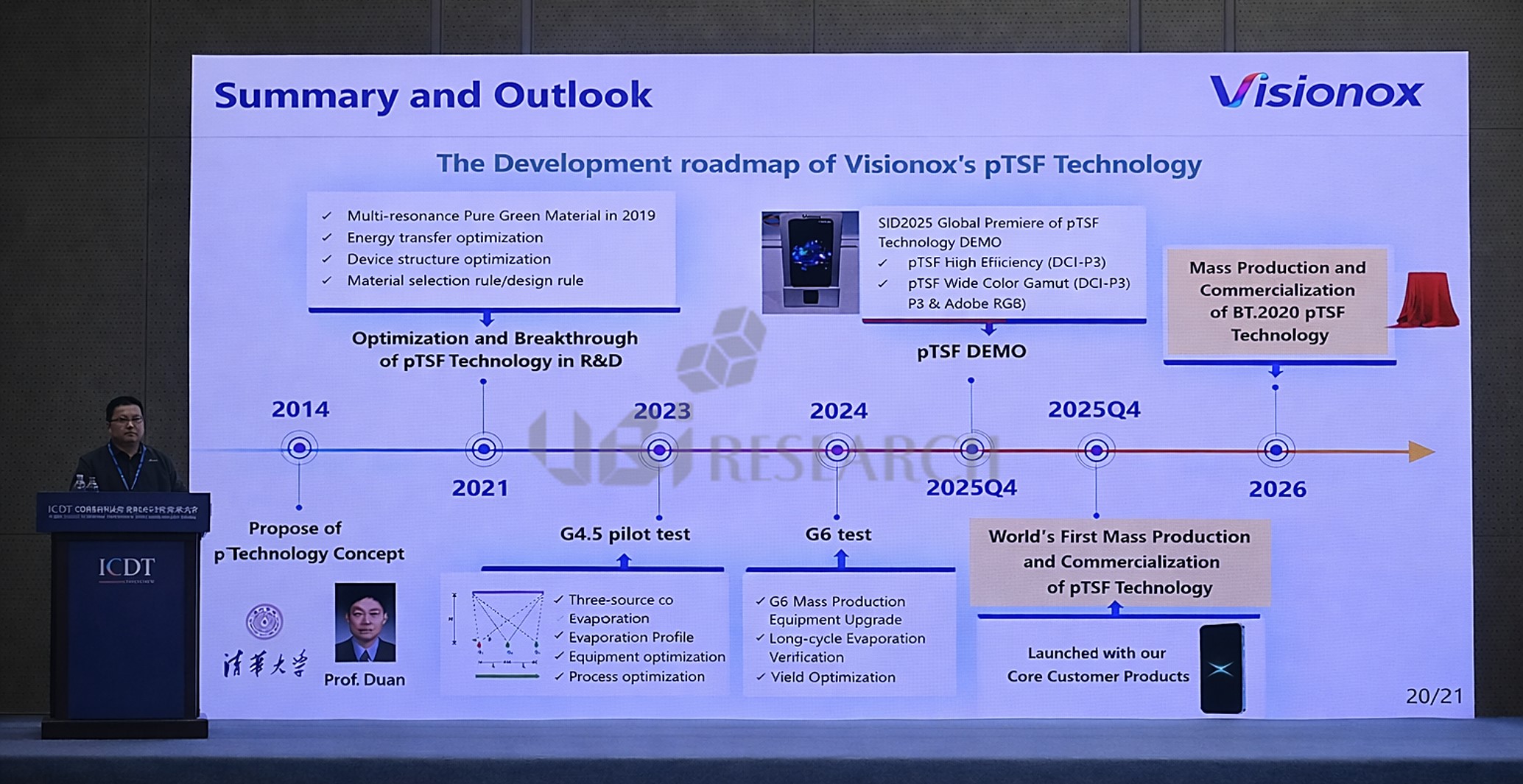
BOE Chairman Chen Yanshun Holds High-Level Meeting with Samsung Electronics’ VD Division — Signs of Improving Relations

BOE Chairman Chen Yanshun met with senior executives from Samsung Electronics’ Video Display (VD) division on June 30, according to industry sources. The meeting was attended by Chen and other top BOE executives, and was reportedly held to explore ways to improve relations and seek potential strategic cooperation between the two companies.

BOE is China’s largest display manufacturer, producing large-size LCD and OLED panels. The company maintains a strong presence in the domestic TV and IT display markets and supplies products to global clients. Samsung Electronics’ VD division, which oversees its TV business, has maintained the No.1 position in the global TV market for several years, making stable panel procurement a key strategic focus.

The meeting was part of a formal consultation between the two companies and is seen as a move to reset relations that have been relatively distant in recent years. Specific details or outcomes of the discussion were not disclosed.

Industry observers note that the direct involvement of Chairman Chen highlights BOE’s strong interest in restoring its business ties with Samsung Electronics. With Samsung also reviewing and restructuring its display supply chain, this meeting could mark an inflection point in the relationship between the two firms.

Junho Kim, Analyst at UBI Research (alertriot@ubiresearch.com)

▶ China Market Trend Report Inquiry
Living Interface in Vehicles: The Future of UX Changed by Stretchable Micro LED

As displays have become a core interface that influences the overall user experience beyond a component of the vehicle interior, technological evolution is also reaching a new turning point. The technology at the center of this is ‘Stretchable Micro LED’. This display, which can be freely applied to curved surfaces as well as implemented with elasticity and three-dimensional physical manipulation, is drawing attention as the future of digital interfaces, especially in the automobile industry.

Initially, stretchable OLED based on organic materials was studied as a promising technology candidate. OLED has strengths in thin film and self-luminous structure, and is also relatively advanced in terms of yield. However, OLED has a structure that is vulnerable to moisture and oxygen, so TFE (Thin Film Encapsulation) is essential, and it is difficult for this encapsulation layer to secure both flexibility and stretchability. In particular, in an environment where the display is stretched, the encapsulation layer may crack or it is difficult to maintain uniformity, so the actual stretch ratio of OLED that can be stretched is limited to 10% or less. Accordingly, the industry has recently shifted its focus back to Micro LED, as research on stretchable displays that was once conducted based on OLED.

Stretchable OLED & Micro-LED

Stretchable OLED & Micro-LED

Micro LEDs are composed of inorganic-based components, so they can operate stably even in harsh environments inside a vehicle, such as high temperatures, vibrations, and ultraviolet rays. In fact, in 2023, Samsung Display unveiled an 11-inch stretchable micro LED prototype and demonstrated a stretch ratio of 25%.

However, stretchable micro LEDs are not yet technically complete. The most important challenge is productivity. Micro LED chips must be accurately transferred in millions of units, but if the substrate is a stretchable soft material, it is very difficult to secure transfer precision. Another challenge is cover fusion technology for implementing touch and operability. Since stretchable displays are implemented on soft substrates such as silicone rubber, they are fundamentally limited in terms of touch sensitivity and durability. In particular, to implement precise touch recognition or physical operability, a hard cover layer like glass is required. Accordingly, the industry is focusing on developing hybrid cover materials that can simultaneously satisfy flexibility and rigidity, and high-elasticity hard polymers and film-glass composite structures are being considered as viable alternatives.

A representative example that showed the practical possibility of stretchable displays is LG Display’s ‘3D interface type stretchable display’ unveiled at SID 2025. This technology has a structure in which the surface rises in response to the user’s movements, and has garnered attention as an HMI that can provide not only visual information but also physical feedback. Also, at CES 2025, AUO unveiled a ‘3D stretchable display’ with a similar concept. This display is composed of stretchable micro LEDs, and when the user touches or raises their hand, the display locally rises, allowing it to be operated like an actual button.

LGD 12-inch Stretchable Micro-LED@SID 2025

LGD 12-inch Stretchable Micro-LED@SID 2025

AUO 14.3-inch Stretchable Micro-LED @CES2025

AUO 14.3-inch Stretchable Micro-LED @CES2025

Automotive interiors are gradually evolving into ‘digital sculptures’, and displays are playing a central role in delivering real-time responsiveness and emotional experiences. Stretchable micro LEDs are not simply displays that can be stretched, but are evolving into ‘three-dimensional interfaces’ that can organically connect the entire physical space of a car. Although there are still technical challenges to be solved, if cover substrates, touch integration, and large-area precision transfer technologies are completed, this technology will become an essential core axis in future vehicle interior UX design.

Changwook HAN, Executive Vice President/Analyst at UBI Research (cwhan@ubiresearch.com)

▶2025 Automotive Display Technology and Industry Trends Analysis Report
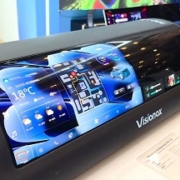
TCL CSOT Establishes Investment Plan for 8.6-Generation Inkjet Printing OLED Line Worth RMB 20 Billion

Plans for 8.6G OLED Line Construction by Panel Makers

Plans for 8.6G OLED Line Construction by Panel Makers

Monthly Production Capacity of 45K; Equipment Installation Targeted for End of 2026

According to UBI Research’s China Market Trend Report, Chinese display company TCL CSOT (China Star Optoelectronics Technology) is planning to construct a new 8.6-generation (2290x2620mm) OLED line at the T8 site near its existing T9 OLED line in Guangzhou. This investment will be based on inkjet printing technology, with a Step 1 investment fund scale of approximately RMB 20 billion (approximately KRW 3.8 trillion).

The T8 site was initially intended to be converted for a solar project, but that plan has been put on hold, and the site will now be used for its originally planned OLED production line. The T8 project is designed to consist of two 8.6G OLED lines with a total monthly production capacity of 45,000 substrates (45K), and the initial investment will be made for one line.

The investment schedule for the T8 line includes an official announcement in July 2025, groundbreaking in October, and the start of equipment installation by the end of 2026. The general manager of the project has been appointed as Linpei (林佩), and the core inkjet process technology is being led by a Korean expert.

Inkjet printing technology is known for its approximately 30% lower equipment investment cost compared to the traditional mask-based deposition method. For example, Samsung Display is investing around KRW 4 trillion to build an 8.6-generation OLED line for IT applications (15K per month) at its A6 site in Asan, Chungcheongnam-do, based on the conventional deposition process. In contrast, TCL CSOT plans to adopt inkjet printing technology to secure a monthly production capacity of 45K at the 8.6-generation level, with an initial investment of RMB 20 billion.

Han Changwook, Executive Vice President of UBI Research, commented, “Inkjet OLED still faces technological challenges in brightness, lifespan, large-area uniformity, and yield. Nevertheless, China is positioning this differentiated technology from traditional deposition as a next-generation growth driver and, under strategic government support, is preparing for full-scale mass production. Through investments in inkjet technology by TCL CSOT and ViP (Visionox intelligent Pixelization) by Visionox, China is pushing ahead with the first mass production of large-area OLEDs, aiming to secure technological leadership.”

As demand for IT displays is expected to grow, it remains to be seen whether the commercialization of inkjet technology in large-area OLEDs will determine future market leadership.

Changwook HAN, Executive Vice President/Analyst at UBI Research (cwhan@ubiresearch.com)

▶ China Market Trend Report Inquiry