
MWC 2026 Wrap-up: Zero Crease, Ultra-Slim, Trifold… Technological parity and intensifying competition in the foldable phone market

Samsung Electronics showcased the Galaxy Z TriFold at MWC 2026, highlighting next-generation multi-fold form factors and enhanced durability. (Source: Samsung Electronics)
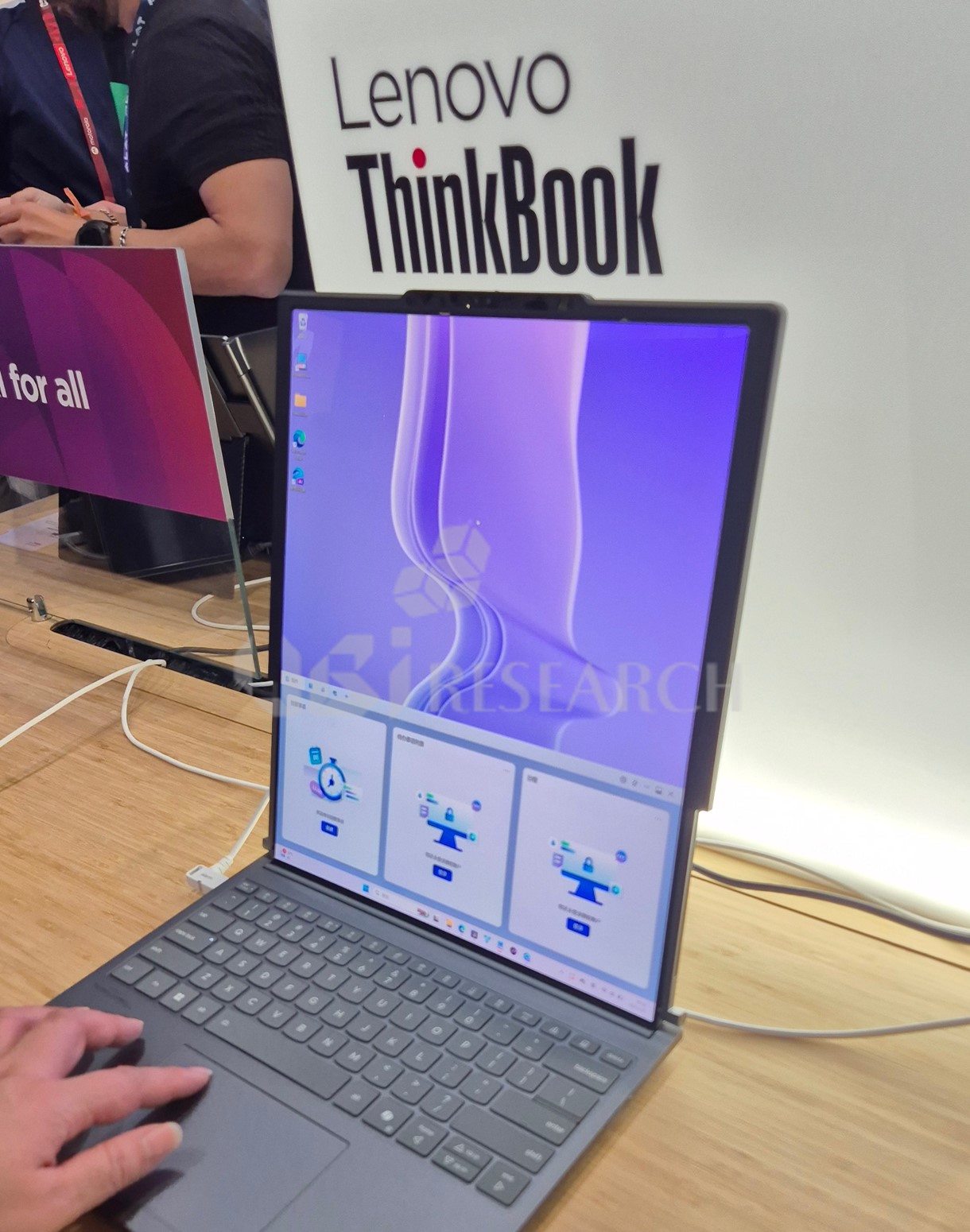
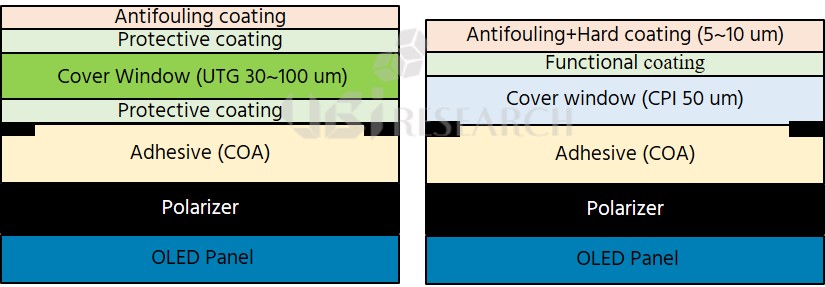
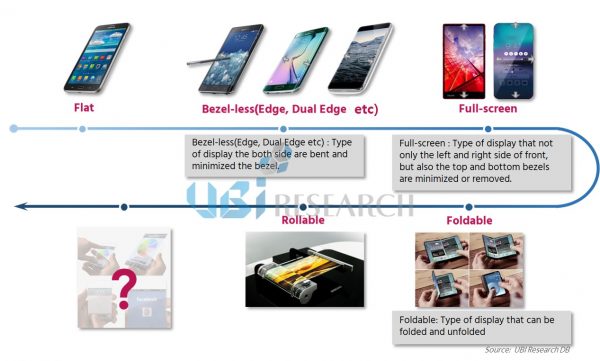
The biggest talking point at MWC 2026, the world’s largest mobile exhibition that just wrapped up in Barcelona, Spain, was undoubtedly the evolution of foldable smartphones. Beyond the first-generation technology of simply folding the screen, the competition for technological supremacy among global manufacturers reached its peak, showcasing ultra-thin thickness surpassing conventional bar-style smartphones, near-perfect crease reduction, and even the tri-fold form factor that folds the screen twice.
The common weapon of the Chinese manufacturers that stood out at this event was the next-generation technology of display supplier BOE.
Honor’s unveiled ‘Magic V6’ achieved the world’s thinnest thickness at 4.0mm when unfolded and 8.75mm when folded. Notably, by applying BOE’s next-generation Q10 light-emitting material and ‘Tandem OLED’ structure to the smartphone, it achieved a high peak brightness of 6,000 nits on the external screen.
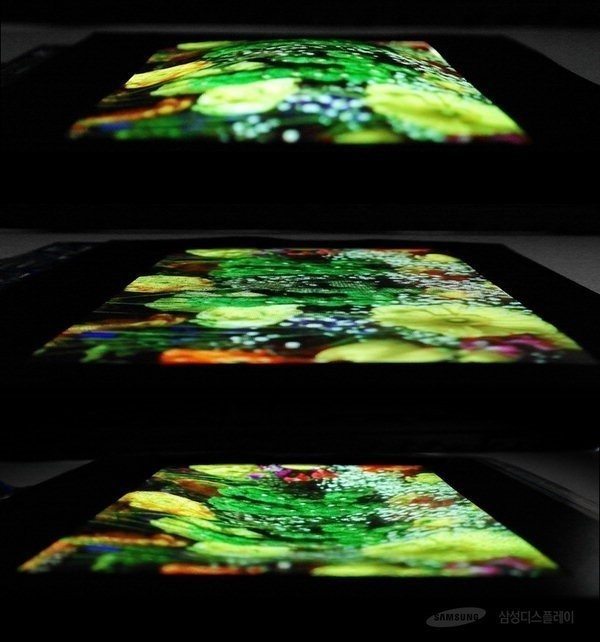
OPPO has unveiled its foldable smartphone, the Find N6, expected to launch in 2026. The device is anticipated to bring a 6.62-inch cover display using BOE’s Q10 OLED and an 8.12-inch main display based on Samsung’s E7 OLED. The internal panel is expected to deliver a large, nearly crease-free foldable screen, and it appears to incorporate an improved titanium alloy hinge structure for enhanced crease reduction and durability.
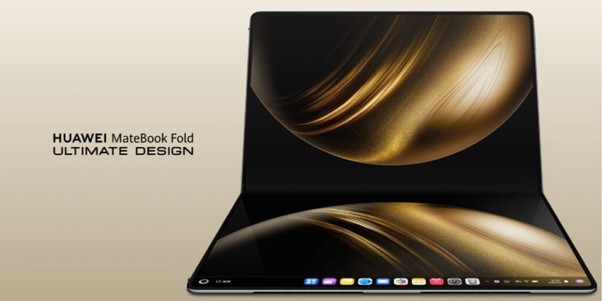
Huawei, after launching the world’s first mass-produced tri-fold phone, the Mate XT, unveiled its successor and more sophisticated hinge technology at this MWC. The Mate XT, featuring a large 10.2-inch Z-fold display, measures a mere 3.6mm thick when fully unfolded.
Samsung Electronics countered with refinement and user experience (UX). Its flagship model, the ‘Galaxy Z Fold7’, maintained its position as the lightest at 215g, offering superior portability even amid aggressive competition from Chinese manufacturers. Samsung displayed the Galaxy Z Tri-fold phone in person and demonstrated its durability by striking a golf ball directly against the screen.
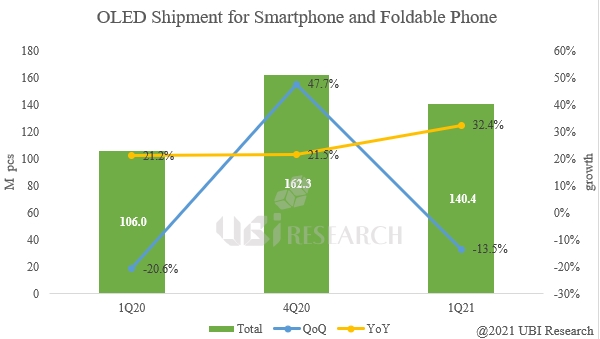
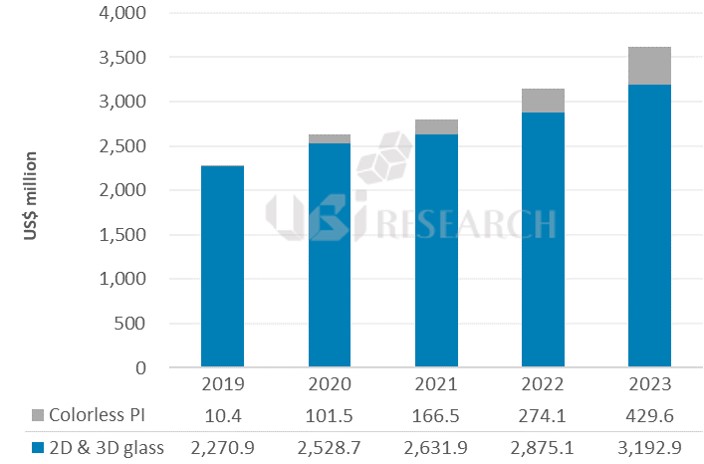
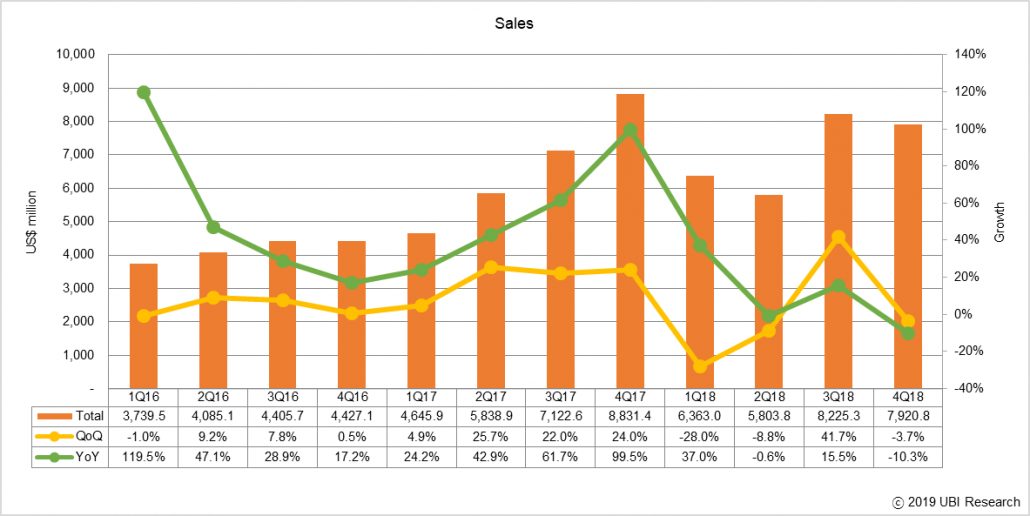
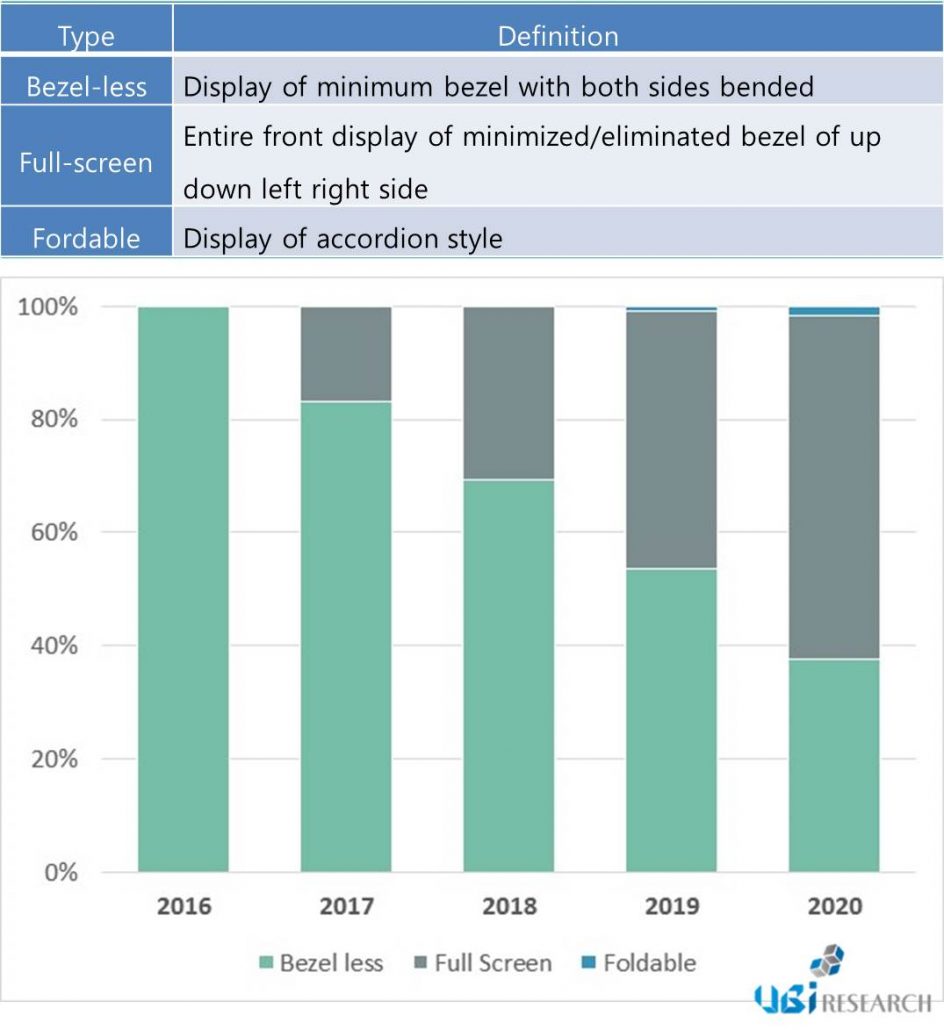
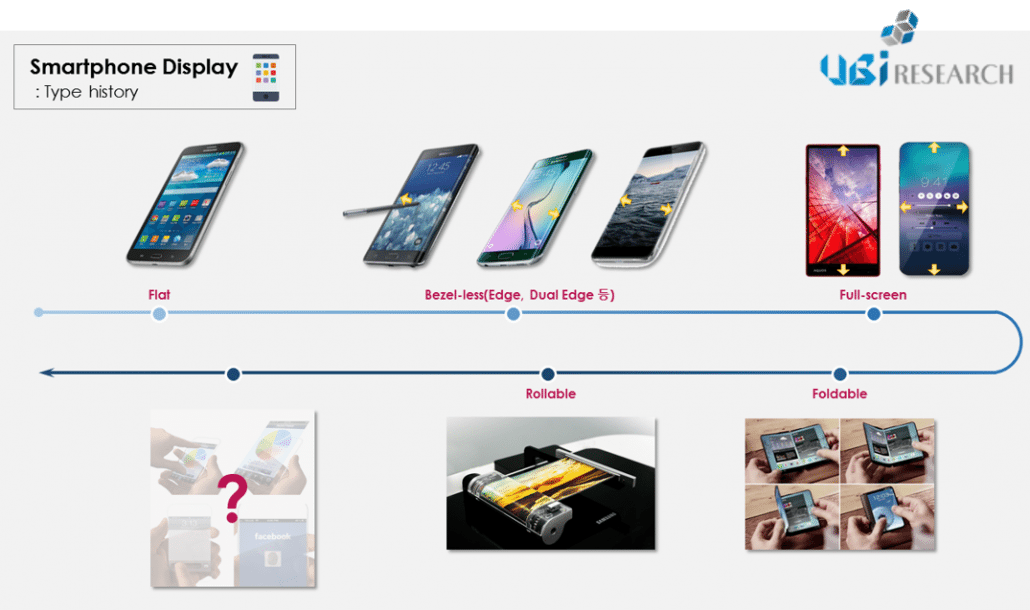
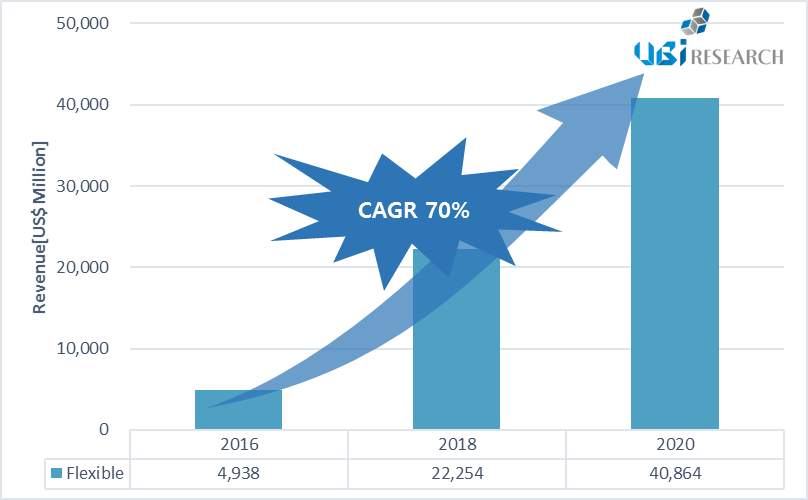
According to UBI Research analysis, the entry barriers for consumers who previously hesitated to purchase foldable phones due to concerns over durability, thickness, and battery life are expected to significantly improve starting with MWC 2026. This year, global foldable smartphone shipments are projected to follow a steep upward trajectory, driven by form factor innovation, and break through double-digit market share in the overall premium smartphone market.
Notably, as thickness shrinks to the 4mm range while high-density silicon-carbon batteries exceeding 6,000mAh and extreme IP69-level water/dust resistance become industry standards, foldable phones have now firmly established themselves as the mainstream in the high-end smartphone market, perfectly replacing traditional bar-type devices. Attention is focused on how Samsung Electronics’ overwhelming software ecosystem and technological sophistication, combined with the fierce hardware innovation competition from Chinese smartphone manufacturers rapidly catching up through display panel self-reliance (e.g., BOE), will shake up the global smartphone market landscape and panel supply chain by 2026.
Changho Noh, Senior Analyst at UBI Research (chnoh@ubiresearch.com)
 Pre-register for Display Korea 2026
Quarterly Small OLED Display Market Tracker Sample
Quarterly Medium & Large OLED Display Market Tracker Sample
※ This article is produced by UBIResearchNet.
Unauthorized reproduction or citation without source attribution is prohibited.
When quoting, please clearly indicate the source (UBIResearchNet) and provide a link.


 China Trends Report Inquiry