
Breaking the KRW 100 Million Barrier?” TCL CSOT’s Bold Bet on Micro-LED Mass Adoption
Micro-LED, the pinnacle of “self-emissive” display technology where each pixel generates its own light, is finally shedding its laboratory skin and attempting to enter the living room. At the forefront is TCL CSOT, which has thrown down a bold technical roadmap in a market once considered the exclusive domain of Samsung Electronics. We analyze their three-stage evolution—from CES 2025 through the recent DTC 2025 to the upcoming CES 2026—through the lens of display engineering.
1. [CES 2025] The 10,000-Nit Shock: Pushing the Limits of Inorganic Elements
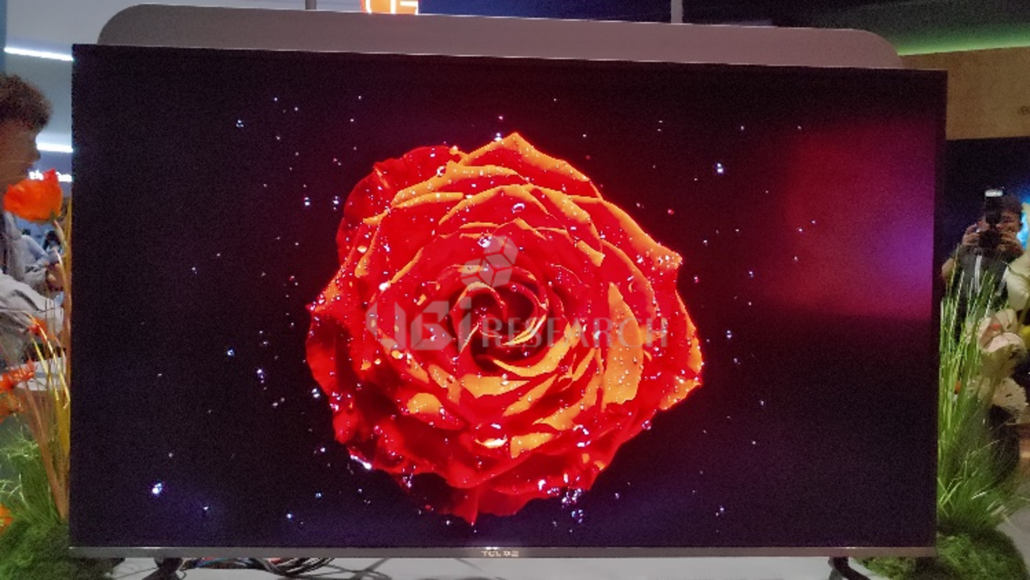
At CES 2025, TCL CSOT’s 163-inch Micro-LED TV, the ‘X11H Max’, injected significant technical tension into the industry. It wasn’t just about the size; the device achieved a staggering peak brightness of 10,000 nits by individually controlling approximately 24.88 million inorganic RGB chips at the pixel level. This was a landmark event that redefined the standards of “super-gap” picture quality, using the durability of inorganic materials to directly overcome the brightness degradation and burn-in issues inherent in organic-based OLEDs.

TCL’s 163-inch Micro-LED TV ‘X11H Max’ achieving 10,000 nits brightness, surpassing the limits of inorganic devices. (Source: TCL CSOT)
2. [DTC 2025] Technical Maturity in Driving Algorithms and Grayscale Expression
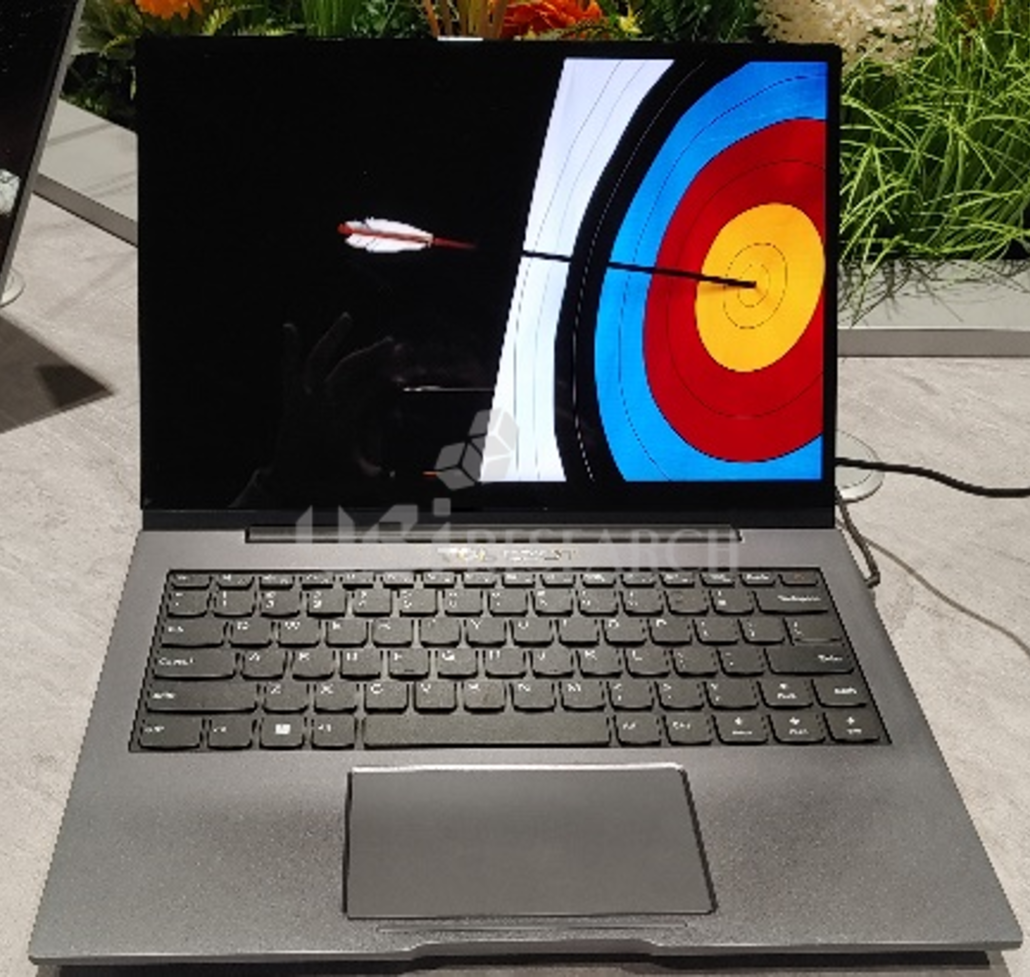
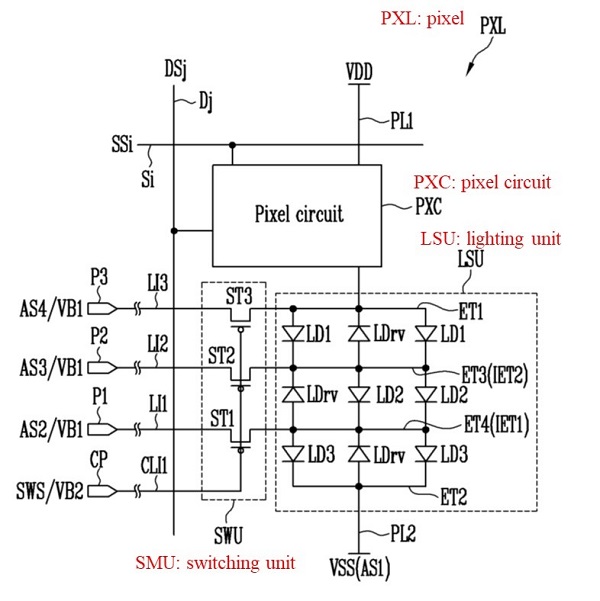
The key takeaway from DTC 2025 (TCL Global Display Tech Ecosystem Conference) was the “evolution of internal substance.” TCL addressed the chronic challenge of Micro-LEDs—color distortion in low-light areas—through its proprietary ‘Hybrid PWM+PAM Driving Architecture.’ This method, which sophisticatedly combines Pulse Amplitude Modulation (PAM) and Pulse Width Modulation (PWM), achieved a 24-bit color depth. It demonstrated technical maturity by perfectly resolving the shapes of objects even in pitch-black darkness through 16.77 million steps of grayscale.

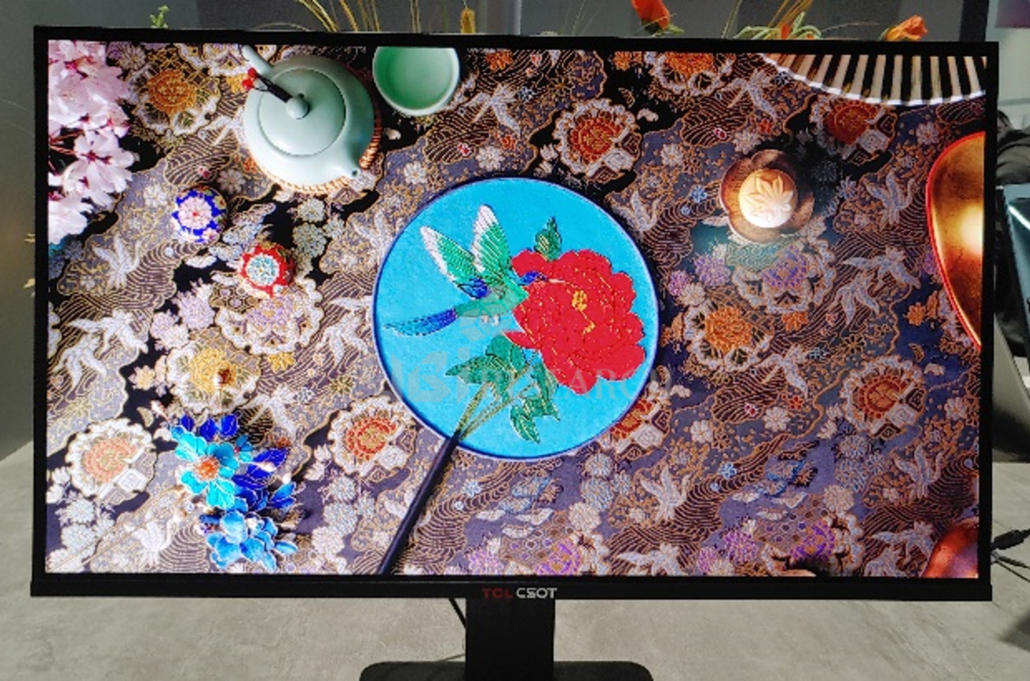
A 219-inch ultra-large Micro-LED display supporting 98% DCI-P3 color gamut and 120Hz refresh rate. (Source: TCL CSOT)
3. [CES 2026 Outlook] Crushing the “100 Million Won” Wall via Mass Transfer Innovation
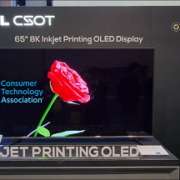
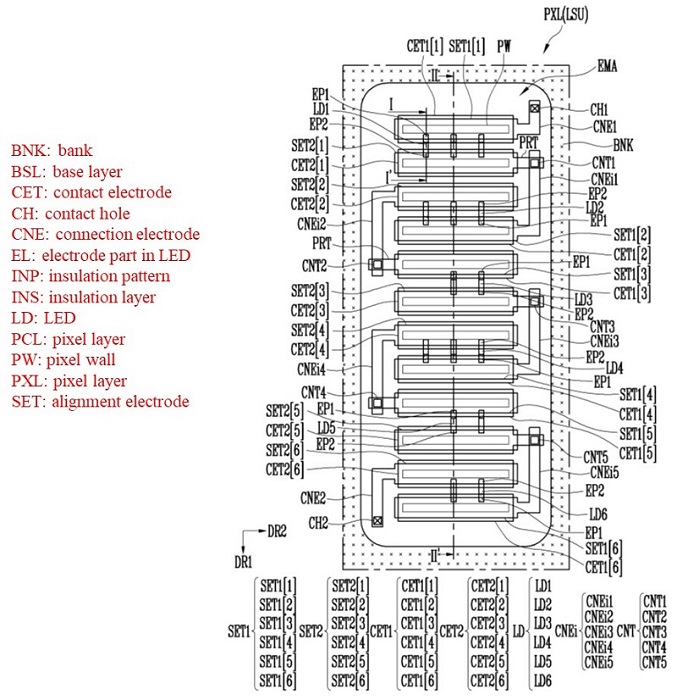
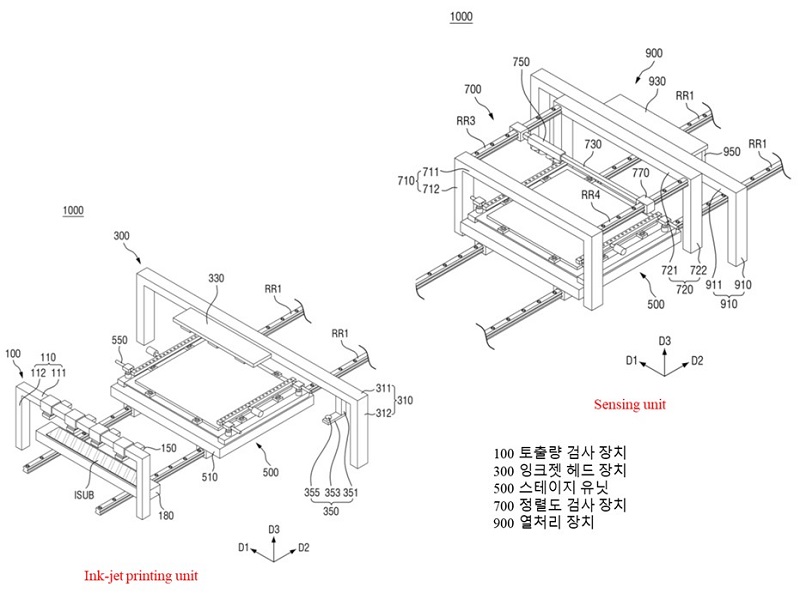
At the upcoming CES 2026, TCL is expected to move beyond technical posturing and place a practical bet on “price destruction.” Experts predict that TCL will drastically lower the production cost of 100-inch+ models by significantly increasing the yield of the Mass Transfer process—the method of moving millions of microscopic chips onto a substrate. In particular, process efficiency linked with Inkjet Printing (IJP) technology is projected to be the detonator that pulls down Micro-LED TV prices, once exceeding hundreds of thousands of dollars, to the tens of thousands range (approx. 50–80 million KRW).
While past Micro-LEDs were merely “expensive display pieces densely packed with small LEDs,” today’s TCL CSOT is attempting to democratize “nanosecond-level response speeds” and “infinite contrast ratios” by perfectly grafting semiconductor micro-processes onto displays. CES 2026 will serve as the “technological singularity” where Micro-LED moves beyond being a luxury for the ultra-wealthy to become the new standard for premium home appliances.
Joohan Kim, Senior Analyst at UBI Research (joohanus@ubiresearch.com)
 2025 Micro-LED Display Industry and Technology Trends Report
※ This article is produced by UBIResearchNet.
Unauthorized reproduction or citation without source attribution is prohibited.
When quoting, please clearly indicate the source (UBIResearchNet) and provide a link.


 China Trends Report Inquiry