
Rollable Display Commercializes as Next-Generation Form Factor … Samsung Display Leads Technology with Material Innovation

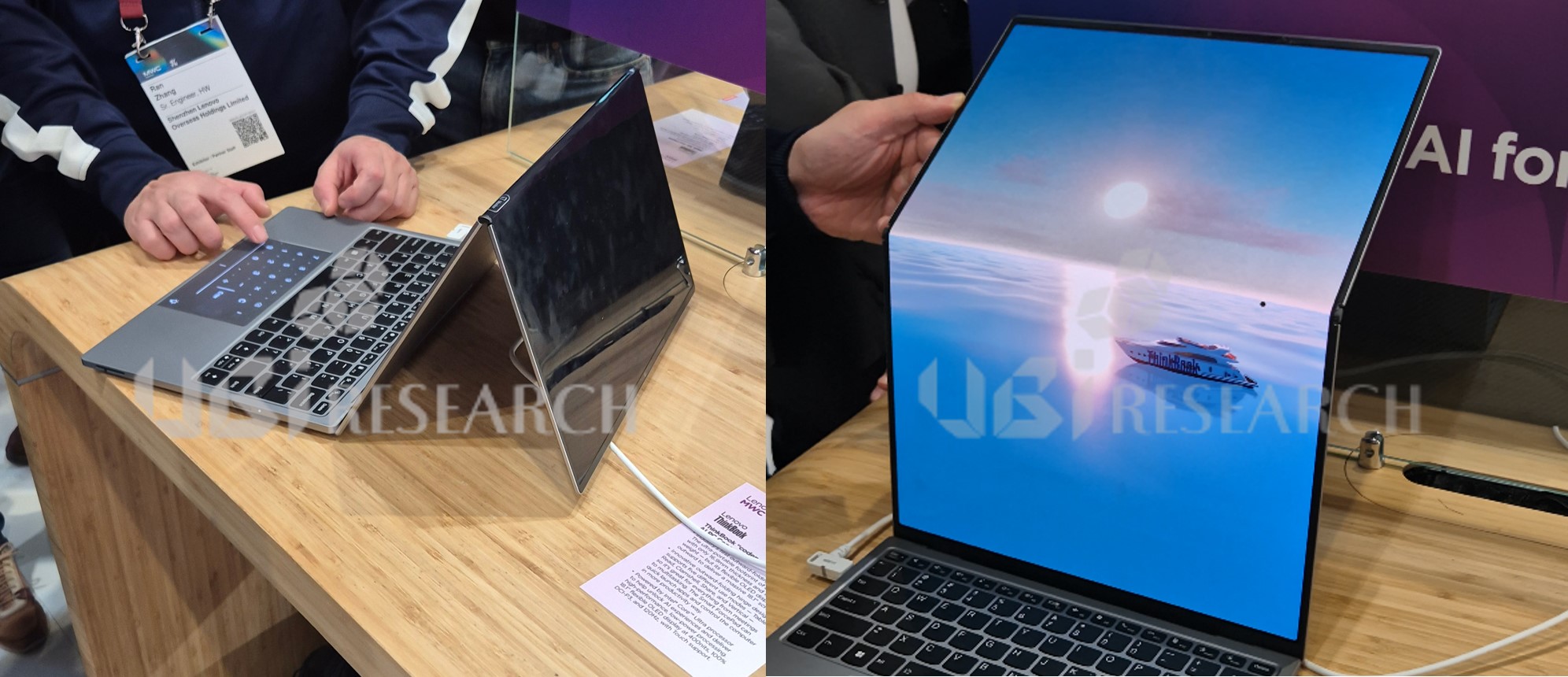
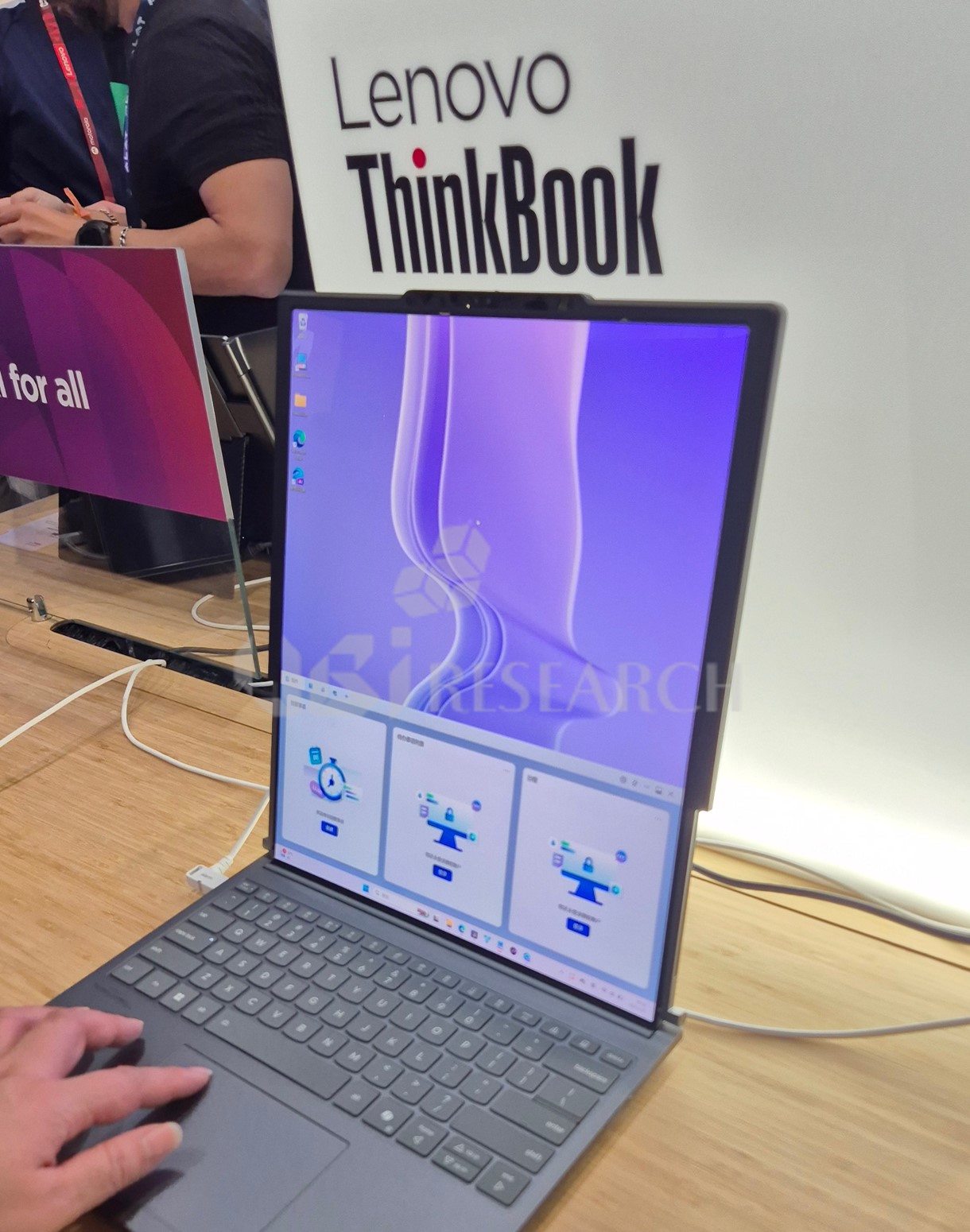
Lenovo’s ThinkBook Plus Gen 6 with Samsung Display’s 16.7-inch Slidable Flex Solo
“SID Display Week 2025,” the world’s largest display technology event held in San Jose, USA, in May 2025, was a stage where you can directly see the evolution of next-generation form factor technology. In particular, rollable and slidable displays are no longer concepts, but have become technologies that are about to be commercialized as actual products. At the same time, Samsung Display has significantly improved its technological completeness by announcing material technology innovations to solve the structural problems of rollable displays.
Rollable displays have been gaining attention as next-generation displays that simultaneously provide portability and large-screen experiences, with a structure that expands as if the screen is rolled up. At SID 2025 and CES 2025, major global companies drew attention by implementing these into actual products.
Lenovo’s ThinkBook Plus Gen 6 Slidable AI PC, which was commercialized in the first quarter of 2025, is equipped with Samsung Display’s slidable OLED and extends from 14 inches to a maximum of 16.7 inches and has passed durability tests more than 30,000 times.
At CES 2025, Samsung Display unveiled a prototype of its vertically expanded “Slidable Flex Vertical” smartphone. It is evaluated as a new method that simultaneously provides portability and a large screen experience by sliding vertically from the basic 5.1-inch screen size to a 6.7-inch large screen. There is also interest in whether Samsung will commercialize a Galaxy Rollable Phone based on its own slidable OLED technology in the future.
At SID 2025, BOE unveiled a rollable OLED prototype that extends from 12.3 inches to 17.3 inches. The product is characterized by an expansion ratio of 4 mm and 3.2:1 in roll radius and has been introduced to have a flexural durability of more than 100,000 times.
Tianma entered the advanced form factor competition by introducing a 13-inch sliding AMOLED prototype. It was designed with a radius of curvature (R) of 5 mm, the screen can move 70 mm, and it was reported that there was little change in thickness and flatness before and after the slide.
Rollable and sliderable displays still face technical challenges such as durability, uniform resilience, and reliability of the drive mechanism, but structural design and material innovation are emerging as the key to solving these issues.
Samsung Display emphasized the importance of material development, a core technology of rollable displays, by publishing a paper titled “Highly Reversible and Robust Rollable AMOLED Display with Smart Elastomer Materials” at SID 2025. The paper was chosen as the Distinguished Paper for Display Week 2025.
Samsung Display has greatly increased the durability and resilience of rollable displays with its two-layered smart elastomer structure, which is highly elastic and low elastic. Thanks to the new structure, the deformation of the edge of the panel has been significantly reduced even after the pen drop test and repeated rolling. The elastomer layer significantly reduces deformation compared to conventional polyimide and showed excellent recovery even in repeated rolling. Anti-static treatment was added to effectively suppress panel image damage due to repetitive friction and charging.
Rollable and slidable OLED technologies are now entering various product markets such as smartphones, laptops, and vehicle displays beyond the technology demonstration stage. At the same time, the mechanical stress, durability, external impact and electrostatic accumulation problems they experience cannot be solved without high-performance material technology. The smart elastomer-based double-layer design proposed by Samsung Display presents an answer to these problems, potentially giving the company a technological edge in the premium mobile device and automotive large-format display markets. The next initiative in the display industry will be completed through integrated technology that synergistically combines materials, structures, and processes for design innovation.
Changho Noh, Analyst at UBI Research (chnoh@ubiresearch.com)
 2025 Small OLED Display Annual Report Sample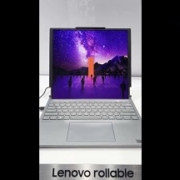


 China Trend Report Inquiry