iPhone Air Fades Out… Apple Reinforces Pro-Centric Strategy in iPhone 18 Lineup
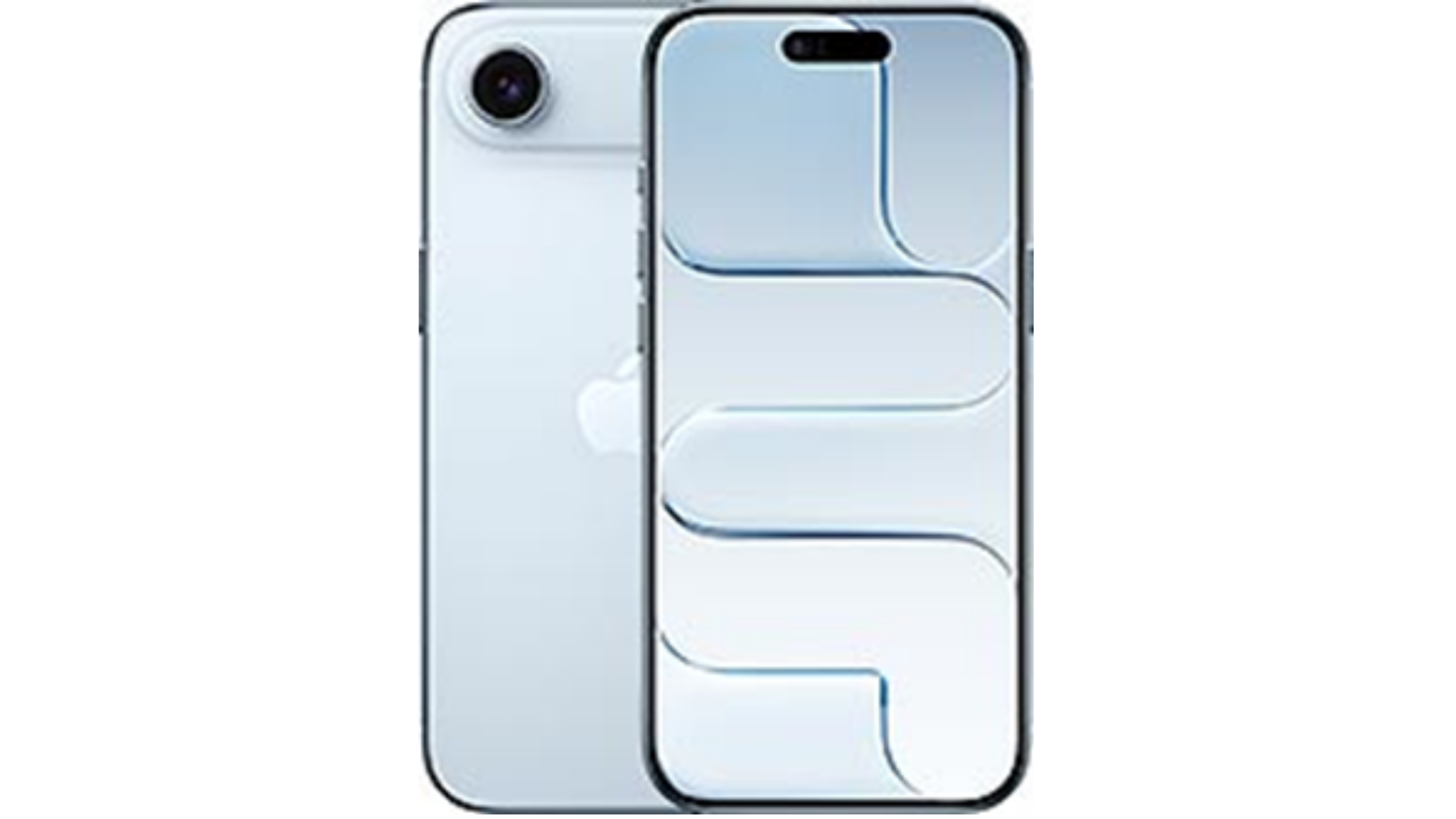
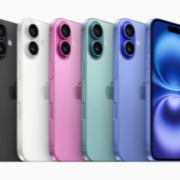
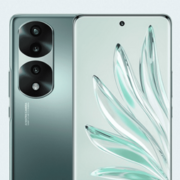
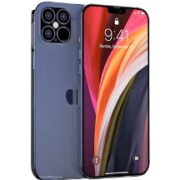
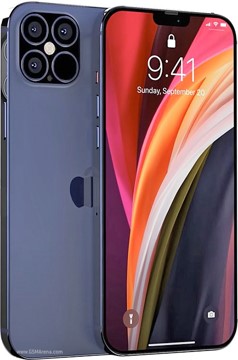
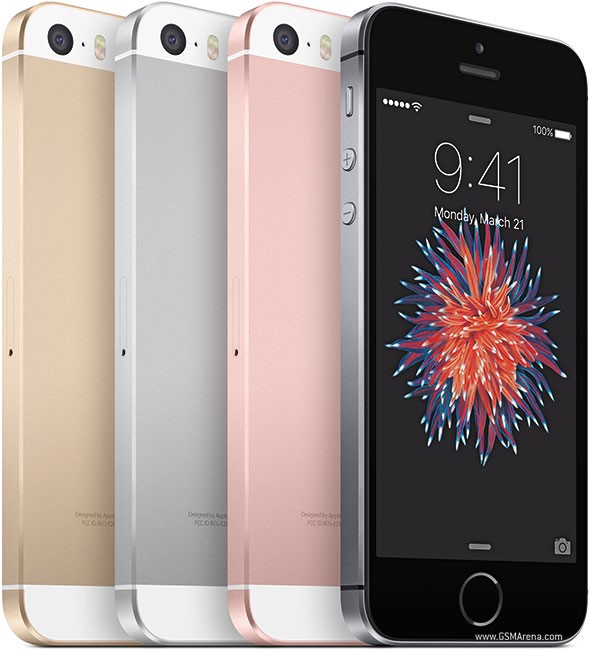
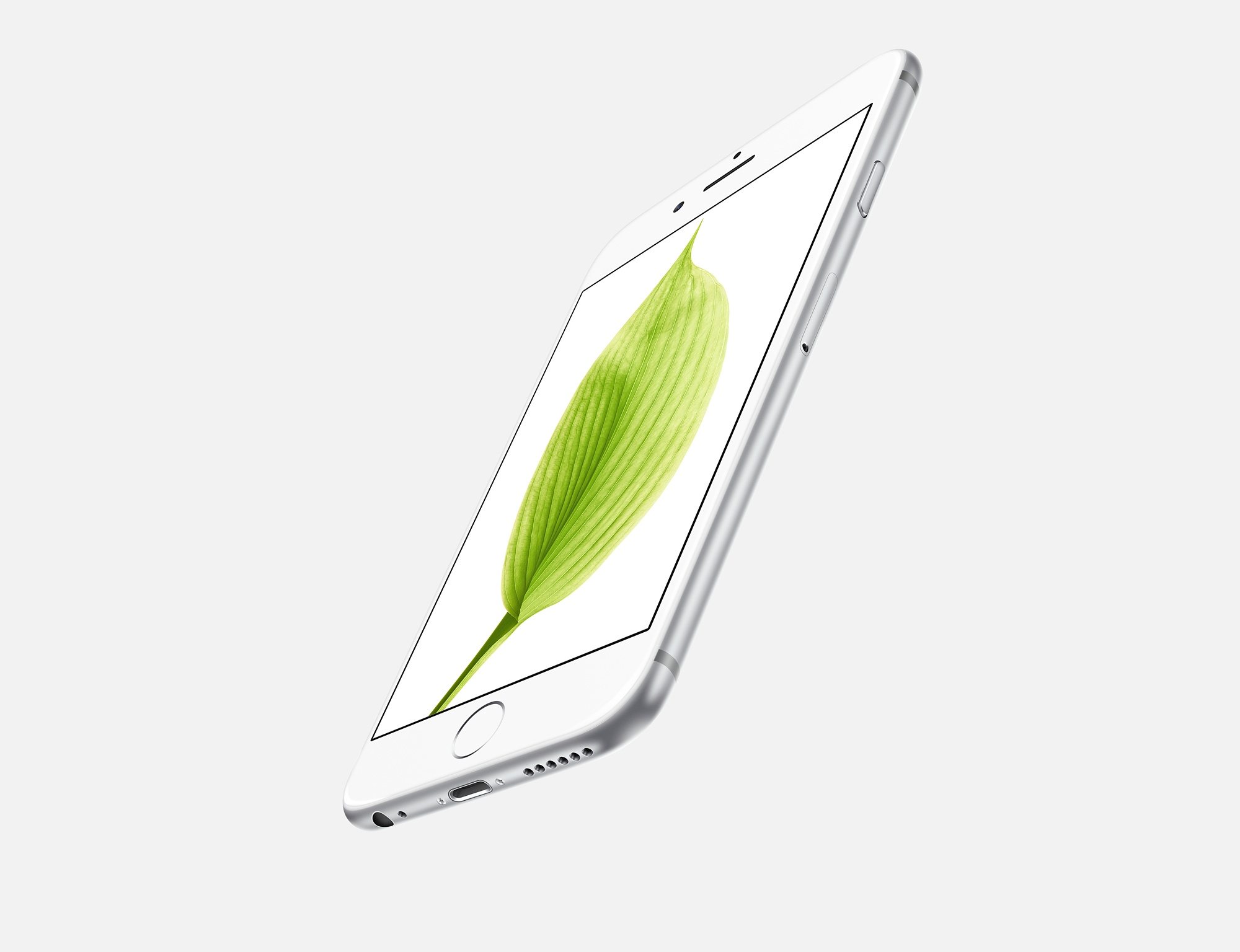
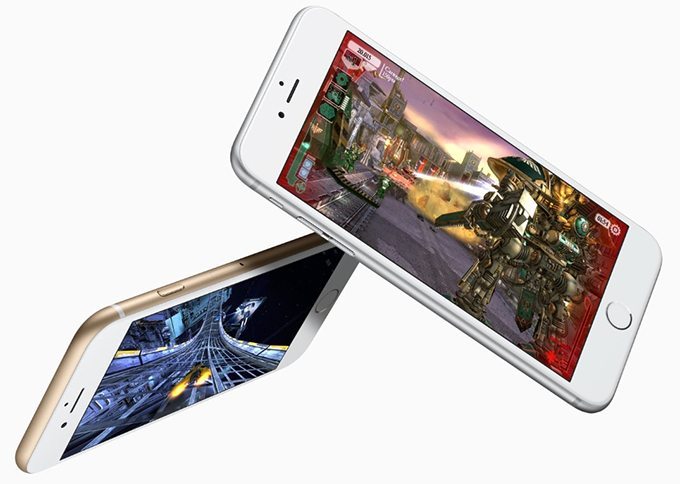
With the iPhone Air facing high inventory issues, Apple is restructuring its OLED supply chain to prioritize high-margin Pro, Pro Max, and Foldable models for the iPhone 18 series. (Image source: GSMArena)
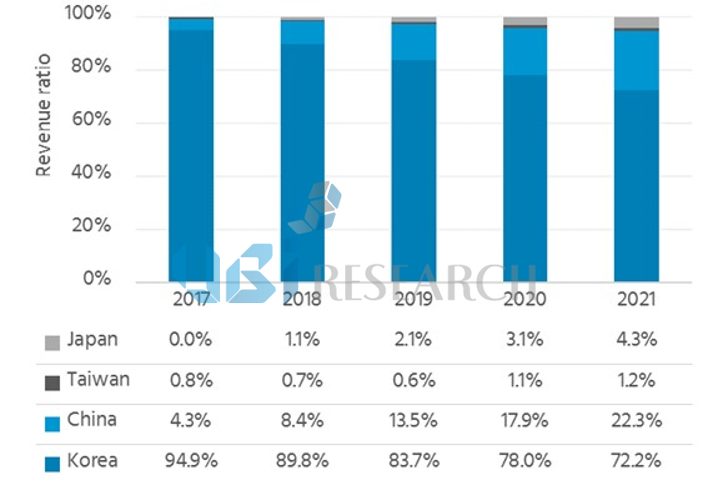
Apple’s OLED supply chain for upcoming iPhones is being strategically restructured. The key change is not merely a redistribution of volumes, but rather which supplier takes responsibility for which models. Starting with the iPhone 18 series, the launch schedule for standard models is expected to shift from fall to the first half of 2027, leading to changes in the business dynamics among Samsung Display, LG Display, and BOE.
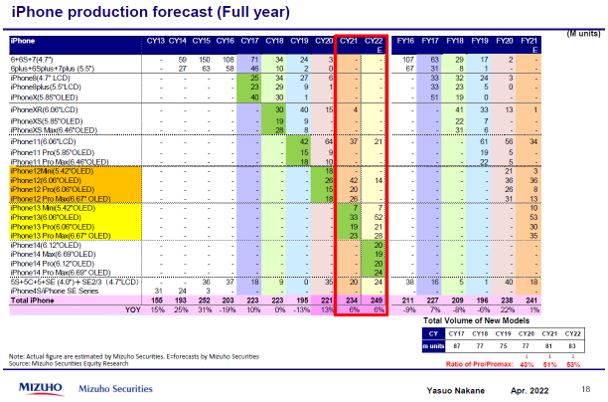
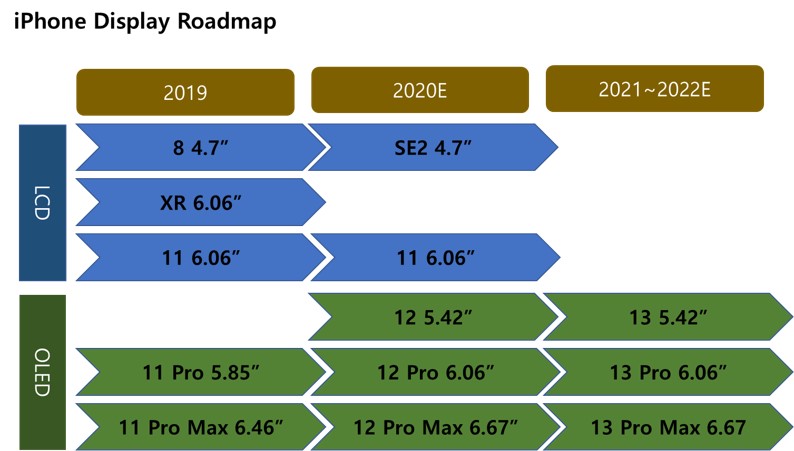
Unlike the iPhone 17 series, the iPhone 18 lineup is expected to adopt staggered release timings by model. High-end models—including Pro, Pro Max, and a foldable iPhone—will be launched first, while lower-end models will be delayed to the first half of 2027. As a result, the OLED panel market for iPhones in 2026 will naturally be centered on premium panels.
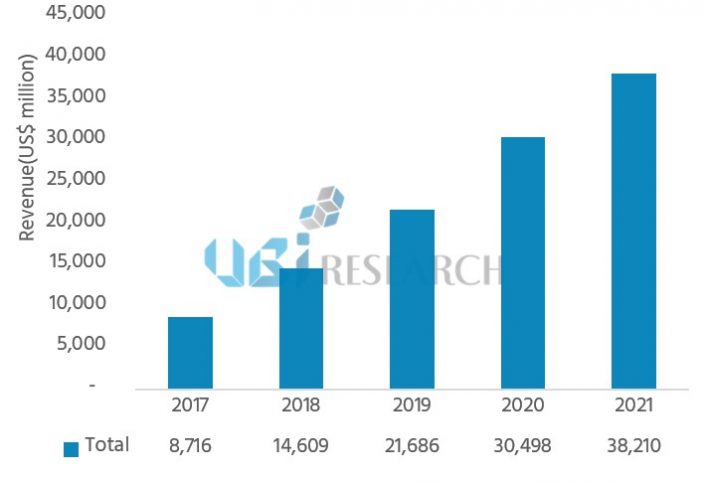
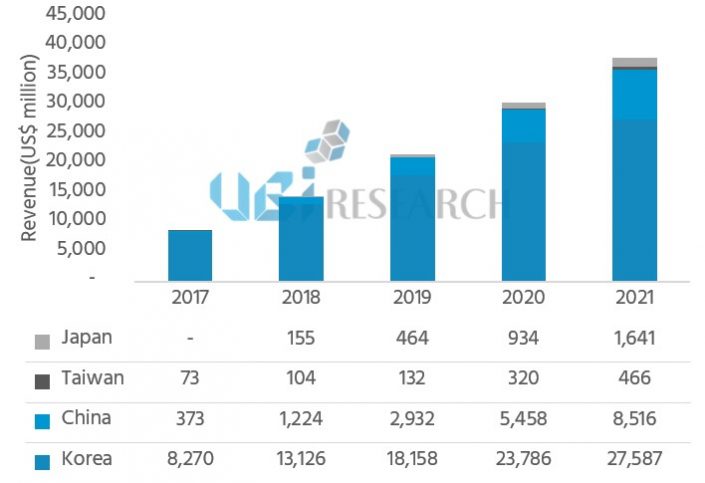
In this transition, LG Display stands out as a key beneficiary. For the iPhone 18 series, LG Display is expected to focus more on producing panels for Pro and Pro Max models rather than standard or Air models. This shift does not simply mean a change in product mix, but rather an improvement in profitability. By increasing the share of high-priced premium panels instead of lower-priced models, LG Display can significantly enhance both revenue and margins even with similar shipment volumes. This supply structure is expected to work in LG Display’s favor, with its OLED revenue from iPhones projected to increase by more than 15% year-on-year.
In contrast, the iPhone Air is effectively absent from this year’s production plan. Both Samsung Display and LG Display are holding substantial panel inventories, and even if additional orders arise toward the end of the year, volumes are unlikely to exceed around 1 million units. Although initially anticipated as a new product category, the iPhone Air has been deprioritized within the supply chain. Moreover, it remains uncertain whether Apple will launch a new Air model at all. This suggests that Apple is reinforcing a lineup strategy focused on clearly defined premium segments rather than expanding ambiguous mid-tier products.
Samsung Display is expected to prioritize production of panels for the foldable iPhone, as well as Pro and Pro Max models within the iPhone 18 series. While production of panels for standard models may begin toward the end of the year, the overall portfolio will be centered on foldable and Pro segments. In particular, Samsung Display is likely to supply both the main and secondary panels for the foldable iPhone, positioning itself as the most critical supplier in terms of technological capability and supply stability. However, with the delayed launch of standard models to the first half of 2027, Samsung Display’s overall iPhone panel shipments are expected to remain at a similar level to the previous year. The key focus will shift from volume growth to revenue expansion driven by high-value models.
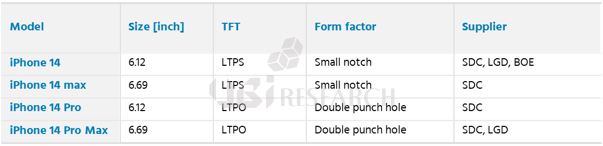
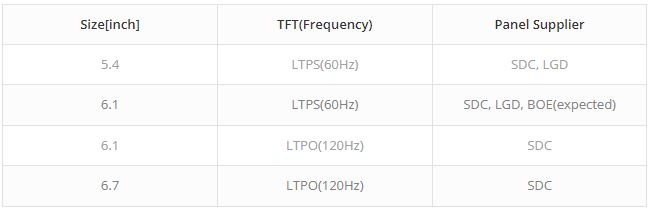
BOE is likely to play a more limited role. The iPhone 18 series is expected to adopt LTPO+ panels, and BOE is currently considered to lack the technological maturity required for mass production at this specification level. Compared to conventional LTPO, LTPO+ demands higher performance in power efficiency, driving stability, and quality reliability, raising the entry barrier for Apple’s premium supply chain. As a result, BOE is expected to continue supplying panels primarily for legacy models such as the iPhone 17 and iPhone 17 Pro, with shipment volumes remaining at levels similar to the previous year.
The key takeaway from this shift is not the absolute shipment volume, but the qualitative transformation of the supply structure. The effective absence of the iPhone Air, the delay of standard model launches, and the expansion of LTPO+ adoption all indicate that Apple is consolidating its supply chain around premium products. Samsung Display will maintain its core supplier position centered on foldable and Pro models, while LG Display is expected to enhance its performance through a Pro and Pro Max-focused strategy. Meanwhile, BOE will remain constrained to a limited role centered on legacy models due to challenges in meeting next-generation specifications.
Apple is effectively redesigning its OLED supply chain around profitability and stability by separating model launch timing, panel specifications, and supplier roles. Going forward, the key competitive factor for panel makers will not be shipment volume, but rather which company can reliably supply a greater share of high-value premium panels.
Junho Kim, Analyst at UBI Research (alertriot@ubiresearch.com)
 2026 Small OLED Display Annual Report
2026 Medium & Large Size OLED Display Annual Report
※ This article is produced by UBIResearchNet.
Unauthorized reproduction or citation without source attribution is prohibited.
When quoting, please clearly indicate the source (UBIResearchNet) and provide a link.


 China Trends Report Inquiry