
When will the commercialization competition of Micro-LED smartwatch products become feasible?
The development of Micro-LED-based smartwatches has continued since 2020 through prototype exhibitions, and their high brightness characteristics led to high expectations for commercialization. Previously, companies like KONKA, AUO, Innolux, and Apple had attempted development or commercialization. However, when Apple halted its own development in early 2024, the difficulties of the Micro-LED manufacturing process and high cost issues came to the fore, suggesting that commercialization of Micro-LED smartwatches would require more time.

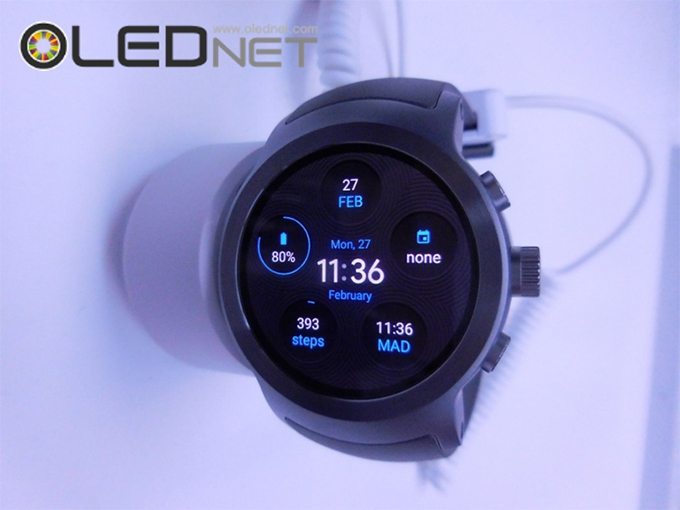
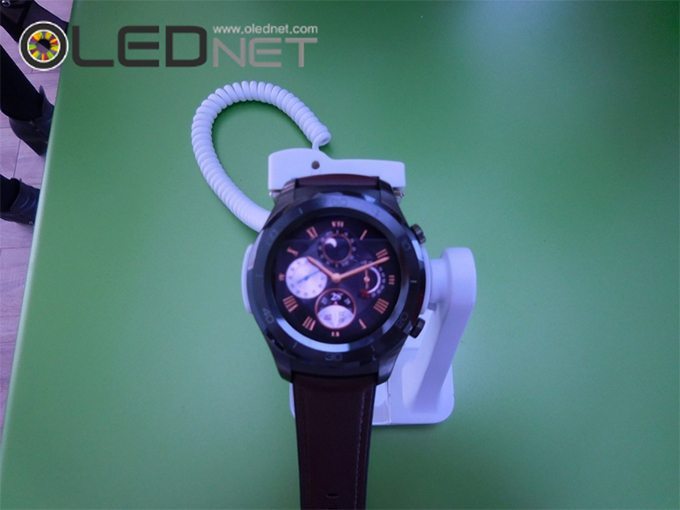
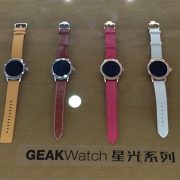
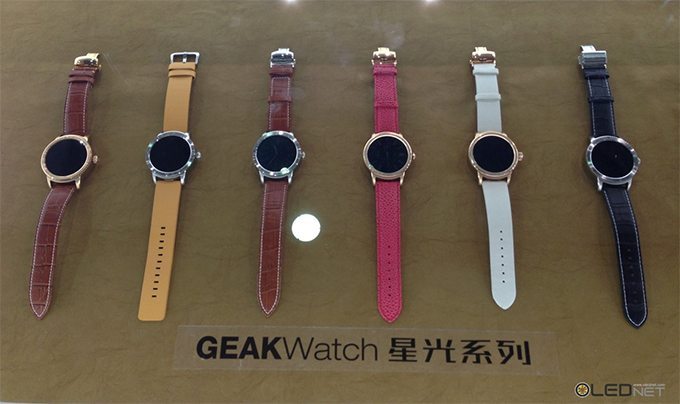
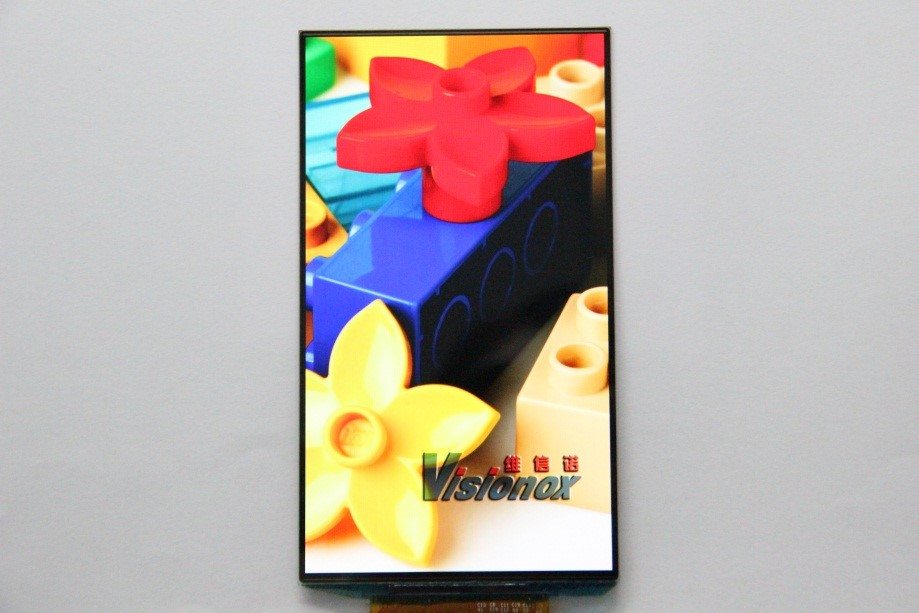
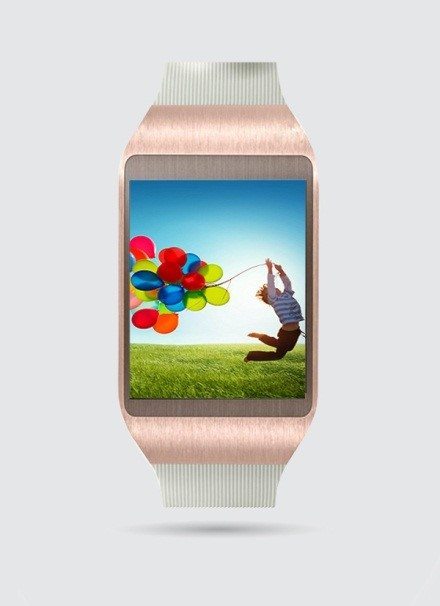
Assorted Micro-LED smartwatch prototypes from multiple vendors
However, sports smart wearable brand Garmin launched the world’s first Micro-LED smartwatch, the ‘Fenix 8 Pro’, in September this year. It is currently retailing for approximately 13,000 yuan on Chinese online shopping platforms. Garmin’s September launch sent a significant signal to the market, demonstrating that Micro-LED technology has secured commercial viability in the smartwatch sector. Of course, there are still many areas requiring improvement. Nevertheless, beyond AUO, which is already in mass production, companies like PlayNitride, Innolux, Samsung Display, TCL CSOT, and Tianma are actively entering the market and accelerating efforts to commercialize Micro-LED smartwatches. By late 2023, AUO had already achieved mass production of Micro-LED watch panels. In its subsequent production plans, AUO’s 4.5-generation Micro-LED production line is scheduled to enter mass production this year, with products covering smartwatches and large TVs. At CES 2025, Samsung Display showcased a watch prototype (2.1 inches, 418×540 resolution, 326 ppi) developed over years of Micro-LED technology advancement. Chinese home appliance company KONKA also unveiled its Micro-LED watch, the APHAEA Watch, in 2020. The Chongqing KONKA Optoelectronics Technology Research Institute is enhancing core technologies to reduce manufacturing costs. PlayNitride has positioned smartwatches as a key growth driver this year, exhibiting a 1.39-inch smartwatch panel at Touch Taiwan 2025. This product applies high-efficiency, low-power ‘Tantium’ chip technology to achieve high resolution and 5,000 nits peak brightness, presenting a new solution that simultaneously delivers low power consumption and high image quality for wearable devices. Innolux has also developed 1.1-inch and 1.39-inch Micro-LED displays with integrated touch sensors. Tianma has established a dedicated Micro-LED research institute and is exploring new application areas like smartwatches, in addition to automotive applications.

Garmin Fenix 8 Pro Micro-LED smartwatch (Source: Garmin)
Garmin has pioneered Micro-LED in smartwatches, but who will be the next contender for Micro-LED smartwatches? When will commercialization competition become feasible? Significant hurdles remain. Developed watch panels (326~338 PPI) achieve high brightness levels of 4,000~6,000 nits. However, to compete with existing OLED products, Micro-LED chip and manufacturing costs must be reduced, and power consumption characteristics must be improved. Recent announcements from Micro-LED technology companies clearly outline and are actively pursuing solutions to overcome these cost challenges. The mid-to-long-term strategy for Micro-LED smartwatches is to build integrated technological capabilities combining Micro-LED technology with health monitoring sensors. Long-term, as chip miniaturization technology matures and the advantages of sensor integration are fully realized, Micro-LED is expected to break free from its niche market limitations and expand into the broader wearable product market. UBI Research analyzed that the Micro-LED smartwatch market will fully open starting in 2028.
Namdeog Kim, Senior Analyst at UBI Research(ndkim@ubiresearch.com)
 2025 Micro-LED Display Industry and Technology Trends Report
※ This article is produced by UBIResearchNet.
Unauthorized reproduction or citation without source attribution is prohibited.
When quoting, please clearly indicate the source (UBIResearchNet) and provide a link.