Posts

Samsung Display’s ‘Flex Magic Pixel™’ Passes UL Solutions’ ‘Privacy Display’ Validation

Next-generation OLED technology secures privacy from all directions; to be showcased at MWC 2026

□ ‘Sharp front view, blocked viewing angles from all directions’… Privacy performance proven through UL Solutions evaluation

□ Prevents personal information leaks and privacy exposure on smartphones in public or crowded spaces during the AI era of surging data usage

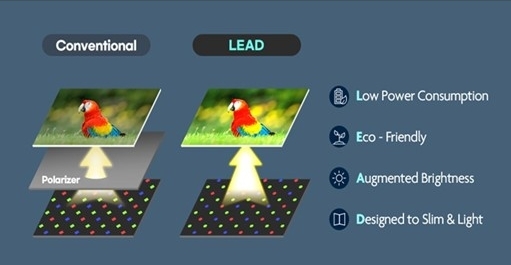
□ Completed an unrivaled panel-integrated privacy technology, ‘LEAD 2.0™’, by combining OLED multi-light shielding structure patents with high-brightness/low-power LEAD™ technology

□ Plans to operate an exhibition zone to experience ‘Flex Magic Pixel’ at ‘MWC 2026’

Samsung Display’s ‘Flex Magic Pixel™’ (FMP), a next-generation privacy technology, applied to smartphone OLEDs, has passed the ‘Privacy Display’ validation by UL Solutions. ‘FMP’ is a panel-integrated privacy technology that keeps the screen sharp from the front but makes it appear blurred or nearly invisible from the sides.

UL Solutions, a global leader in safety science, evaluated the smartphone OLED with Samsung Display’s ‘FMP’ technology and confirmed its superior viewing angle blocking performance across all directions—up, down, left, and right. UL Solutions stated, “To evaluate performance, we measured the reduction in screen brightness compared to the front while tilting the panel at 45 and 60 degrees and rotating it 360 degrees. The side luminance of the Samsung OLED with FMP was 3.5% of the front at 45 degrees and below 0.9% at 60 degrees.” This means that if front brightness is assumed to be 100, the brightness at a 45-degree angle drops to 3.5 (about 1/30th), and at 60 degrees, it falls below 0.9—becoming significantly dark at less than 1/100th of the front brightness.

In contrast, the side brightness of general smartphone products without FMP is approximately 40% of the front brightness, a level where the screen remains clearly identifiable from the side.

Samsung Display first unveiled the Flex Magic Pixel technology at MWC 2024. As concerns over personal data leaks and privacy exposure in public spaces grow due to increased data usage in the AI era, interest from global set manufacturers in this technology is rising. A company official explained, “Previously, many users purchased and attached separate privacy films, but these films have the disadvantage of reducing screen brightness even when the privacy function is not needed. FMP allows the privacy feature to be toggled on or off by controlling viewing angles at the pixel level, allowing users to enjoy superior image quality without brightness loss when the function is off.”

Since 2020, Samsung Display has filed approximately 150 patents for core technologies required for FMP to build its proprietary technical competitiveness. The core of Flex Magic Pixel lies in panel design technology and fine deposition processes that precisely control sub-pixels (the basic unit of a screen) measuring only a few micrometers to adjust light diffusion. Samsung Display modified the design structure of the Black Matrix (BM)1) to control the diffusion of light from specific sub-pixels. BM is a key OLED structure that distinguishes RGB sub-pixels and prevents color mixing. While it is typically a single layer, Samsung Display developed a ‘multi-light shielding structure’ with precisely arranged multiple BMs and combined it with ‘LEAD™’, a polarizer-less OLED technology with high brightness and low power consumption. Samsung Display is promoting this to customers as ‘LEAD 2.0™’, signifying it as an advanced version of LEAD™ technology.

Lee Ho-jung, Executive Vice President and Head of the Product Planning Team for the Small & Medium Display Business at Samsung Display, stated, “‘LEAD 2.0™’ is an innovative technology that maximizes security through all-direction viewing blocking while improving power efficiency, a top priority in the on-device AI era. We will continue to dedicate ourselves to developing new technologies to improve convenience for smartphone users.”

Samsung Display will showcase ‘LEAD 2.0™’ at MWC 2026, which opens in Barcelona, Spain, on March 2 (local time). At the event, visitors can experience the innovative ‘LEAD 2.0™’ firsthand, including the ‘Partial Privacy’ function that can be applied to specific areas rather than the entire screen.

[Terminology]

  1. Black Matrix: The black area that separates RGB sub-pixels in a display, commonly abbreviated as BM. It acts as a partition between sub-pixels to prevent color mixing.
  2. ‘LEAD™’: A polarizer-less OLED technology first developed by Samsung Display in 2021. It removes the polarizer traditionally required in OLED panels and internalizes the function of blocking external light reflection, resulting in higher brightness and reduced power consumption.
  3. ‘LEAD 2.0™’: A premium OLED technology that combines LEAD™ with the privacy technology FMP (Flex Magic Pixel™). It simultaneously realizes the high brightness and low power consumption of LEAD™ along with privacy protection features.
Samsung Display's Flex Magic Pixel operating in private mode to obscure banking information from side angles.

AI-based “Flex Magic Pixel” technology shows strong potential for expansion from the Galaxy S26 Ultra to automotive applications and high-end IT devices.

“Flex Magic Pixel” technology is set to be incorporated into Samsung Electronics’ next-generation flagship smartphone, the “Galaxy S26 Ultra,” with the unveiling scheduled for February 25 (local time), drawing intense industry attention. This marks a notable case of a technology originally spotlighted in the automotive sector for safety and security now being expanded to smartphones, directly addressing the rapidly growing demand for privacy protection across all categories of personal devices, from smartphones to laptops.

While privacy protection in the past was limited to simply applying security films, it has now evolved into a sophisticated approach that integrates in-cell panel structure, advanced optical stacks, and AI-based recognition technology. “Flex Magic Pixel” stands at the forefront of this trend as a hardware-based intelligent display solution. By embedding a light-transmittance control layer within the panel itself, it precisely modulates the OLED light output emitted at side angles. This not only enhances front-view image quality but also physically controls the side viewing angle to actively deliver privacy protection.

The core of the technology lies in its use of on-device AI-based usage-context analysis to automatically and customizably adjust the variable viewing angle. Even without any manual input from the user, the device’s internal AI instantly analyzes the real-time usage environment and the security sensitivity of the currently running apps, then proactively activates privacy mode. The moment a banking app launches or a password is entered, privacy mode engages immediately, enabling “context-adaptive pixel operation” that selectively restricts the viewing angle only for specific areas—such as ID photos or notification pop-ups. In automotive displays, this is combined with Eye/Gaze Tracking technology to prevent driver distraction.

Panel-integrated privacy control technologies of this kind are emerging as a major new trend across the entire display industry. For example, China’s Tianma recently showcased its “Switchable Privacy Display” at CES 2026—an in-cell integrated structure that achieves viewing-angle switching without any external film. This clearly signals that display-industry competition is moving beyond image-quality-centric battles toward intelligent systems that fuse optical stacks with advanced control logic.

Pixel-control architectures like “Flex Magic Pixel” not only boost response speed and security but also deliver substantial improvements in real-world user value, including OLED burn-in suppression and reduced power consumption. This is achieved by dynamically adjusting brightness and sub-pixel utilization ratios according to content and viewing conditions. Fully realizing this capability requires a close “Co-Design” partnership that tightly integrates the panel’s high-efficiency emissive stack with the device maker’s AI control algorithms.

As a result, the “Flex Magic Pixel” featured in the Galaxy S26 Ultra serves as a powerful signal flare announcing the display’s transformation from “static hardware” into an “AI-driven dynamic system that reconfigures in real time.” Looking ahead, this technology holds explosive potential to expand far beyond smartphones—into vehicle passenger displays that must prevent driver gaze dispersion, as well as high-end B2B notebook PCs and tablets where robust security is essential. At the very moment when the display industry’s paradigm is shifting toward intelligent control capabilities, the commercialization of this new technology is expected to become a core benchmark for measuring future market-structure changes.

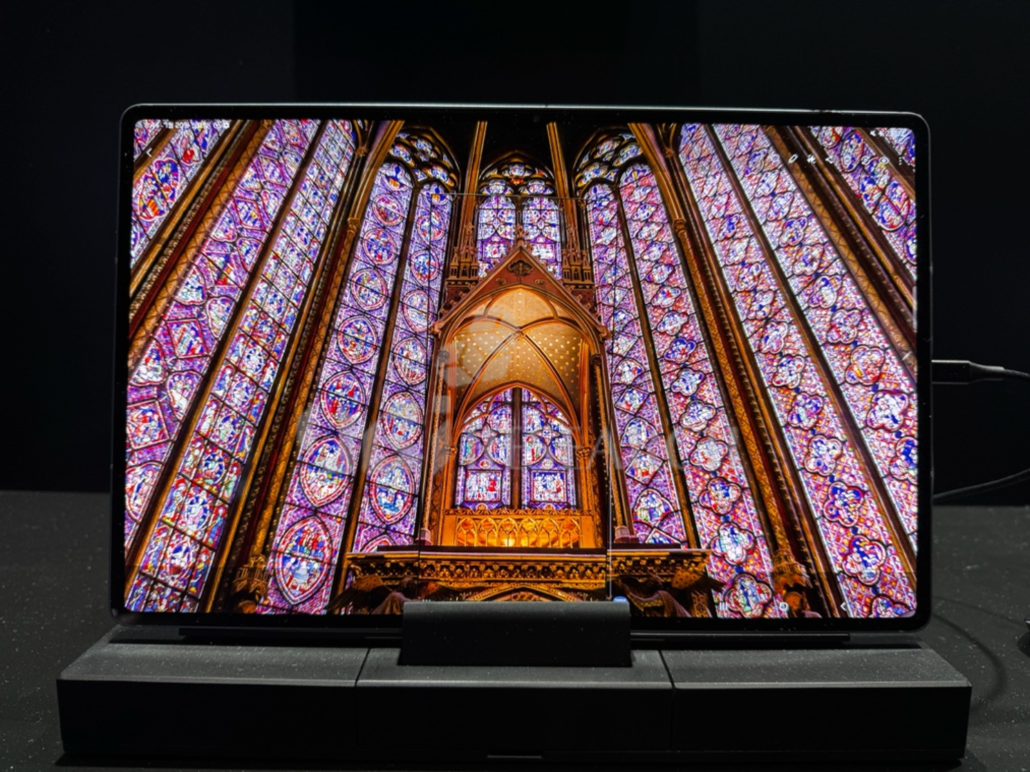
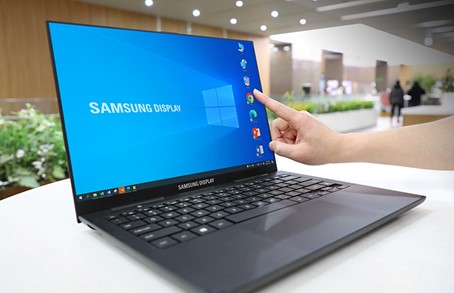
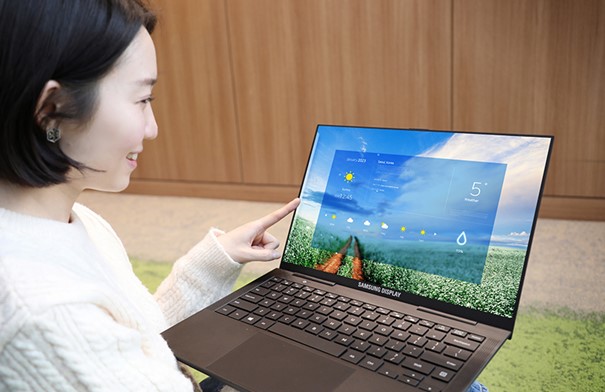
Samsung Display Flex Magic Pixel (FMP) specs (13.8-inch, 1000/150 nits) and switchable privacy function demonstration

Samsung Display’s Flex Magic Pixel technology demonstration, showing the privacy mode (150 nits) that blocks side viewing and normal mode (1,000 nits). (Source: Samsung Display)

Changho Noh, Senior Analyst at UBI Research (chnoh@ubiresearch.com)

▶Pre-register for Display Korea 2026

▶XR Industry Trends and OLEDoS Display Technology & Industry Analysis Report

※ This article is produced by UBIResearchNet.
Unauthorized reproduction or citation without source attribution is prohibited.
When quoting, please clearly indicate the source (UBIResearchNet) and provide a link.
Display Korea 2026 banner showing event dates (March 12-13), location (EL Tower), and sponsor logos.

UBI Research to Host ‘Display Korea 2026’ in March… Reorganized as a Global Hub for Next-Generation Displays

Official banner for the Display Korea 2026 Business Conference & Exhibition

Display Korea 2026, held at EL Tower, Seoul from March 12-13. (Source: UBI Research)

Display market research firm UBI Research announced that it will host the international display event ‘Display Korea 2026’ at El Tower in Seoul from March 12 to 13, 2026.

‘Display Korea 2026’ is a newly reorganized and expanded global event from the previous OLED & XR Korea. It is an international business conference and exhibition encompassing all areas of next-generation displays, including OLED, Micro-LED, Mini-LED, and XR.

Under the theme ‘Connecting Display Innovation — OLED, Micro-LED, XR,’ this event will be attended by global panel makers, materials and equipment companies, optical and component companies, research institutes, and academic experts to share the latest technology trends and industry strategies.

UBI Research has been operating Display Korea as the largest international conference specializing in OLED and Micro Displays in Korea. Through this rebranding, it has expanded its scope to include medium-to-large OLEDs, Micro-LEDs, microdisplays (XR), and related materials, equipment, and software fields.

The event program consists of △IT/TV/OLED displays, △Micro Display (AR/VR/XR) technologies, △QD and OLED components and materials, △Micro-LED processes and inspections, and △Micro-LED industry trends. Keynote speeches by global speakers, professional sessions, and networking programs will be provided.

An exhibition section will also be operated concurrently. Participating companies will exhibit their products and solutions and receive various benefits, including logo exposure on the official website and promotional materials, opportunities to participate in conference presentations, and free registration for two people.

UBI Research stated, “As the display industry expands beyond OLED to Micro-LED and diversifies into the Micro Display and Automotive sectors, Display Korea 2026 will serve as a core platform for global industry stakeholders to discuss technological innovation and market strategies.”

The pre-registration period for this event is until March 10. Program and speaker information, as well as event registration, are available through the official website.

▶Pre-register for Display Korea 2026

Conceptual illustration showing bright, vivid deep-blue screens, representing the future of OLED technology.

SNU-Samsung Electronics SAIT, Elucidate Next-Gen OLED Material Design Principles for Extending Deep-Blue OLED Lifetime

A research team led by Professor Jaesang Lee at Seoul National University (SNU) and the Samsung Advanced Institute of Technology (SAIT) have identified key device design principles to extend the lifespan of ‘Deep-Blue OLEDs,’ a core technology for next-generation displays.

This study is significant as it quantitatively analyzes the causes of degradation in high-efficiency blue devices—which had been unclear until now—and implements devices with significantly improved lifespans based on these findings.

In the current OLED display market, green and red pixels already utilize high-efficiency phosphorescent (PH) emitters, but blue OLEDs remain stuck with low-efficiency 1st-generation fluorescent emitters. While high-efficiency blue materials and devices are being researched, they face difficulties meeting industrial requirements due to short lifespans.

High-efficiency Phosphorescent (PH) and Thermally Activated Delayed Fluorescence (TADF) emitters, considered as alternatives, suffer from the disadvantage of lower color purity due to broad emission spectra. Securing efficiency, stability, and color purity simultaneously in Deep-Blue OLEDs remains a long-standing challenge for the OLED industry.

The SNU-Samsung research team focused on Phosphor-Sensitized Fluorescence (PSF) technology as a promising alternative.

Diagram illustrating the exciton energy transfer and RISC activation mechanism in Deep-Blue OLED devices identified by SNU and Samsung.

Structural diagram of the energy transfer path (FRET dominant) and RISC activation energy design principles, key to lifespan extension in PSF devices. (Source: Advanced Optical Materials)

To understand the complex exciton transfer processes within PSF devices, the team combined cryogenic (135K) analysis with modeling and identified two key factors affecting lifetime.

First, they confirmed that a higher ‘Reverse Intersystem Crossing (RISC)’ activation energy in the final MR-TADF emitter is advantageous for device lifetime. High activation energy inhibits the generation of high-energy excitons capable of breaking molecular bonds, thereby helping to increase device durability.

Second, they proved that designing devices so that ‘Förster Resonance Energy Transfer (FRET)’ dominates over ‘Dexter transfer’ in the energy transfer path extends lifetime. In an environment where FRET is dominant, the accumulation of unnecessary triplet excitons within the emitter is prevented, reducing degradation.

Applying these design principles, the research team achieved a T90 lifetime of 141 hours at a luminance of 1,000 nits (cd/m²) while maintaining deep-blue color coordinates (CIE_y < 0.15). This result is approximately 4-fold improvement compared to existing unoptimized comparison devices (35 hours).

This research is evaluated as a meaningful step toward the commercialization of Deep-Blue OLEDs, as it provides important clues to improve the lifetime problem of blue OLEDs—previously considered a material limitation—through the control of internal energy flow within the device.

The results of this study were published in the latest 2026 issue of ‘Advanced Optical Materials,’ a renowned journal in the materials and optics field (Adv. Optical Mater. 2026, e03267).

Conceptual image of futuristic displays incorporating next-generation long-lifespan Deep-Blue OLED technology.

Future concept of vibrant, long-lasting next-gen Deep-Blue OLED displays enabled by the SNU-Samsung research breakthrough. (Created by Gemini)

Changho Noh, Senior Analyst at UBI Research (chnoh@ubiresearch.com)

▶Pre-register for Display Korea 2026

▶2025 OLED Emitting Materials Report Sample

※ This article is produced by UBIResearchNet.
Unauthorized reproduction or citation without source attribution is prohibited.
When quoting, please clearly indicate the source (UBIResearchNet) and provide a link.
Charts displaying Samsung Display and LG Display's dominance in the 2025 OLED revenue market.

UBI Research Q1 ’26 Market Tracker: Samsung 48% Revenue Share, LG Display 21%…China Expands Shipment Share

According to UBI Research’s Q1 2026 Market Tracker report, the 2025 OLED panel market maintained a clear leader: Samsung Display held the No. 1 position with a 38% share by shipments and a 48% share by revenue. BOE ranked second in shipments at around 14%, while LG Display ranked second in revenue, with its revenue share rising sharply from 14% in 2024 to 21% in 2025. The combined shipment share of Chinese panel makers expanded from roughly 47% in 2024 to above 50% in 2025, intensifying volume competition. However, while “volume expansion” accelerated, “value (revenue) leadership” remained clearly concentrated among the top players.

Pie charts comparing 2025 global OLED panel shipments and revenue share by company

2025 OLED market statistics showing Korean dominance in revenue (Samsung 48%, LG 21%) despite growing shipment volumes from Chinese makers. (Source: UBI Research)

Samsung Display not only recorded the largest shipment share but also showed a revenue share that significantly exceeded its shipment share, reinforcing its value leadership through a premium product mix and strong pricing power. The fact that it maintained a wide revenue gap even as Chinese makers expanded structurally in shipments indicates that the 2025 OLED market was not merely a shipment-driven contest, but one in which value continued to be redistributed toward higher-end products.

LG Display’s rise in revenue share from 14% to 21% was driven by simultaneous shipment growth across key application segments in 2025. OLED panel shipments for smartwatches increased from 28.51 million units in 2024 to 38.76 million units in 2025; monitor panels grew from 0.28 million to 0.40 million units; and TV panels rose from 5.24 million to 6.35 million units. In other words, LG Display achieved meaningful volume growth in wearables (smartwatches) while also expanding shipments in monitors and TVs, creating a broader base for revenue contribution. In particular, smartwatches, monitors, and TVs tend to show wider ASP dispersion depending on specifications and lineup positioning, making shipment growth more likely to translate into revenue-share gains. As a result, LG Display moved up to No. 2 in revenue in 2025, strengthening its presence in the market regardless of its shipment ranking.

BOE maintained second place in shipments at 14%, underscoring its role as a key driver of China’s expanding OLED supply. However, with LG Display taking second place in revenue, the market’s profit structure continued to be shaped primarily by premium product segments and pricing competitiveness. While China’s influence has grown on a shipment basis, revenue remains concentrated among top-tier suppliers—highlighting a widening gap between “volume expansion” and “value capture.”

Changwook Han, Executive Vice President at UBI Research, commented, “The key variable going forward is how quickly Chinese panel makers can move beyond shipment growth to improve their high-value product mix and pricing competitiveness.” He added, “At the same time, a key point to watch will be how long Korean suppliers can sustain their revenue advantage by leveraging portfolio strength spanning premium smartphones, wearables, IT, and large-area OLED.”

Changwook Han, Executive Vice President/Analyst at UBI Research (cwhan@ubiresearch.com)

▶Pre-register for Display Korea 2026

▶ Quarterly Small OLED Display Market Tracker Sample

▶Quarterly Medium & Large OLED Display Market Tracker Sample

※ This article is produced by UBIResearchNet.
Unauthorized reproduction or citation without source attribution is prohibited.
When quoting, please clearly indicate the source (UBIResearchNet) and provide a link.
Tianma SLOD device showing 96% BT.2020 coverage at CES 2026.

Chinese panel companies increasingly adopting tandem structure/PSF-based OLED technology for smartphones

The focus of smartphone OLED technology development is shifting from resolution and driving technology to attempts to simultaneously apply new light-emitting materials and tandem stack (layered) architectures. Recently, Chinese panel companies like Tianma, BOE, and Visionox have successively unveiled next-generation OLED technologies combining PSF (Phosphor-Sensitized Fluorescence) series emitting materials—a fourth-generation OLED technology—with tandem structures at major exhibition stages such as CES 2026 and Display Week 2025. These technologies collectively aim to achieve ultra-wide color gamut, high brightness, and improved power efficiency.

At CES 2026, Tianma demonstrated its NFT (New Fluorescence Technology) and SLOD (Stacked Layer OLED Device) concepts applying PSF principles. NFT enhances energy transfer efficiency while maintaining the color purity of fluorescence-based emitting materials. Combined with the SLOD structure, it emphasizes optimizing low-voltage CGL (Charge Generation Layer) and emitting unit designs. According to Tianma’s explanation, SLOD technology is closer to a direction of boosting efficiency by co-designing the light-emitting material–CGL–stack structure, rather than simply expanding the stacking of layers in a Tandem structure.

Tianma's SLOD and 96% BT.2020 Coverage Device displayed at CES 2026

Tianma showcases its SLOD (Stacked Layer OLED Device) achieving 96% BT.2020 color coverage at CES 2026. (Source: Tianma)

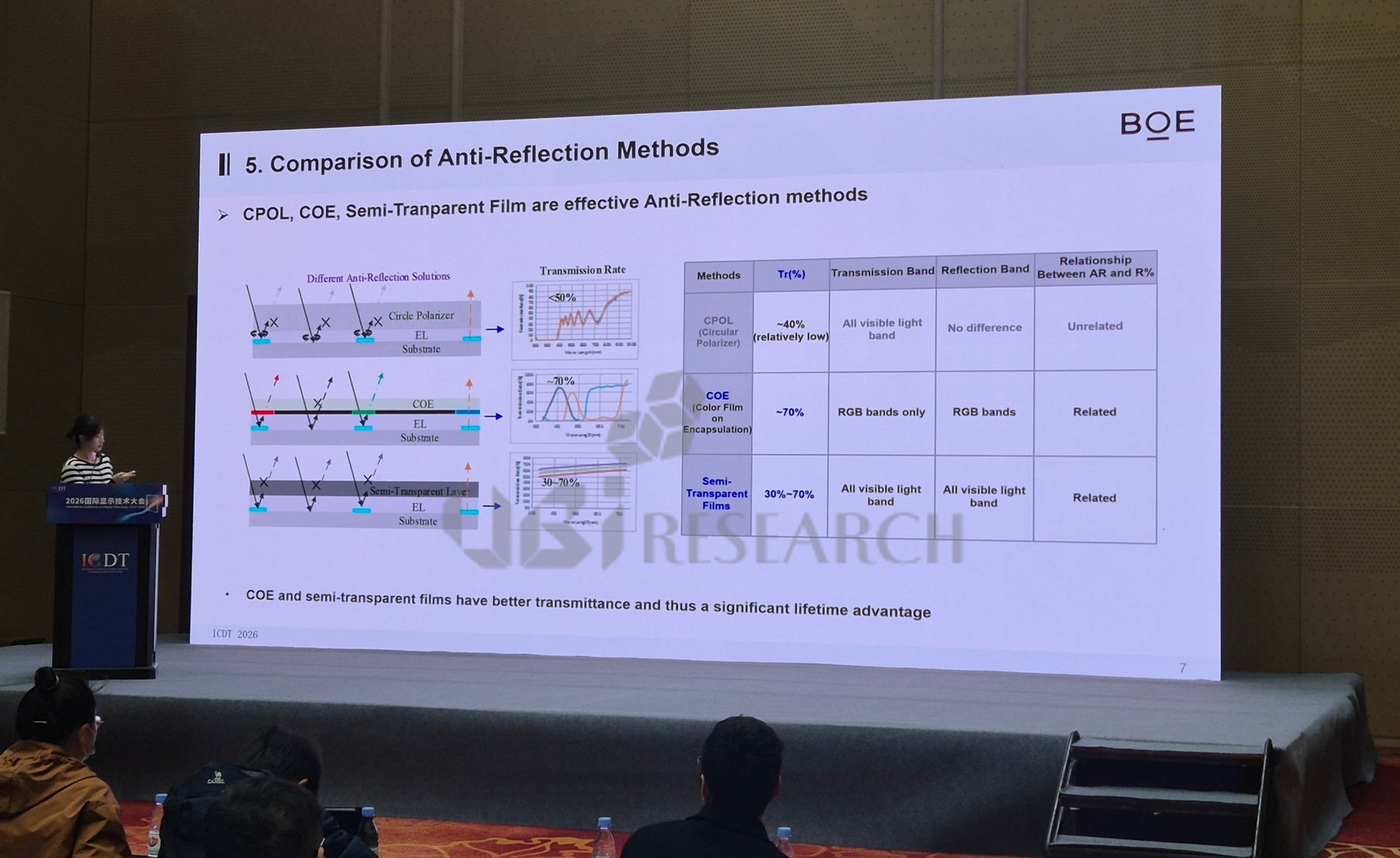
BOE exhibited a smartphone OLED solution at Display Week 2025 that combines a Tandem (2-stack) structure with COE (Color filter on Encapsulation) on PSF-based light-emitting materials. BOE demonstrated a direction to achieve a color gamut approaching BT.2020 through spectrum width reduction (FWHM reduction) and peak coordinate shift, while simultaneously improving efficiency and lifespan by lowering current density at the same luminance through the Tandem structure. This is evaluated as an example proposing the light-emitting material, structure, and optical elements as a single integrated package. Meanwhile, Huawei officially announced the Mate 80 RS, featuring BOE’s PSF-based light-emitting material combined with a Tandem (2-stack) structure, in late November 2025, with sequential launches beginning in late November. The industry notes that this timing marks the beginning of ‘Tandem OLED + BT.2020’ specifications being applied to actual flagship products. This is interpreted as a case where the commercialization of technology combining high-color-purity new light-emitting materials (PSF/TADF/pTSF series) with Tandem architecture is spreading in earnest.

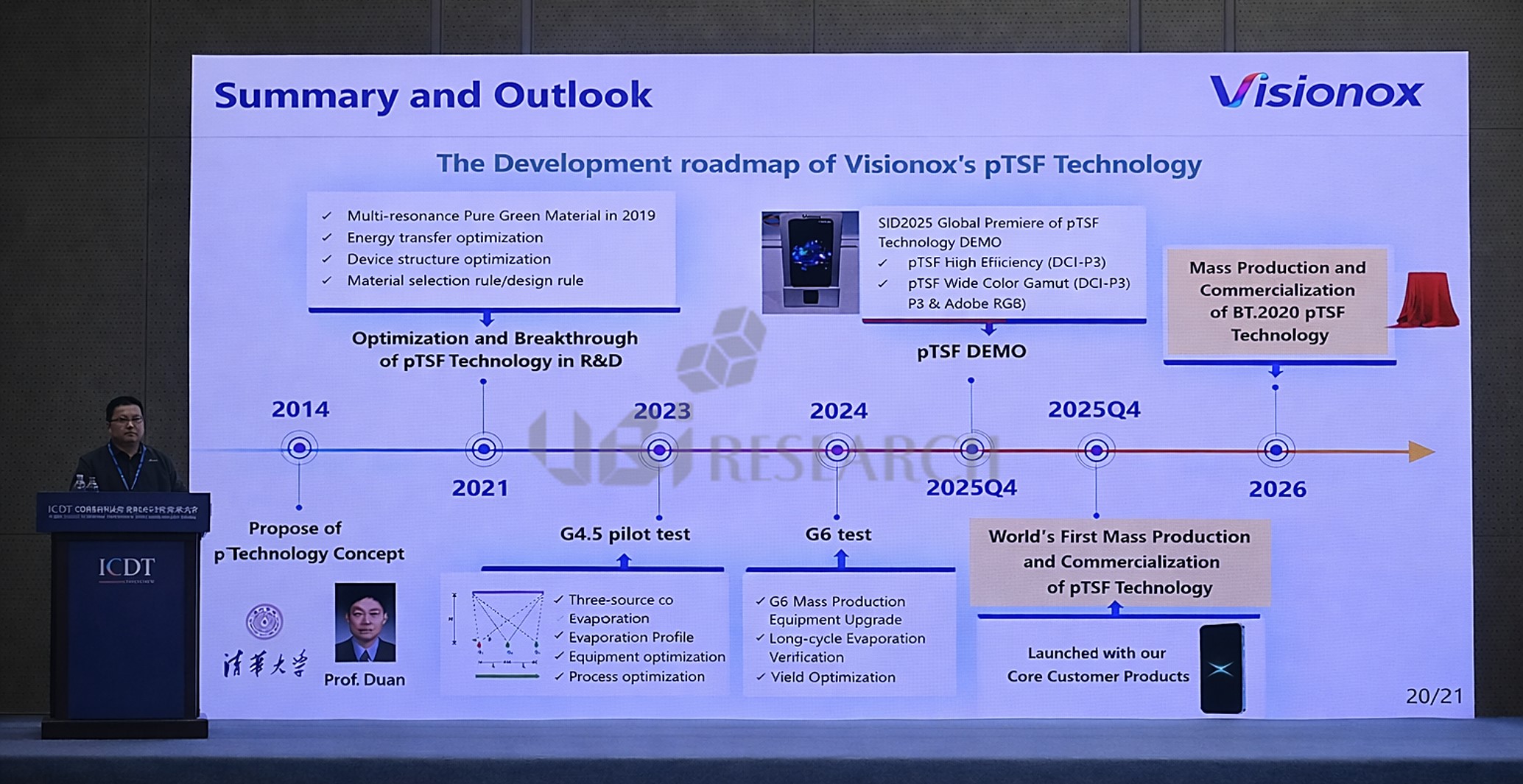
Visionox also officially declared the mass production success of pTSF (Phosphor-assisted Thermally Activated Delayed Fluorescence Sensitized Fluorescence), its fourth-generation OLED light-emitting technology, at a technology forum jointly held with Tsinghua University in December 2025.

According to UBI Research’s analysis, applying next-generation high-color-purity emitting materials and tandem structures in smartphones is evaluated as a powerful means to mitigate OLED’s physical limitations. However, expanding layered structures and introducing new materials may lead to increased costs, yield management challenges, and greater difficulty in driving and calibration. There is also the possibility that ultra-wide color gamut and ultra-high brightness could become excessive specifications relative to the average user’s perceived experience. The industry views the recent trend not as a complete shift, but rather as a phase where certain technologies are entering mass production and being selectively adopted.

Changho Noh,  Senior Analyst at UBI Research (chnoh@ubiresearch.com)

▶2025-2026 Beyond Mobile: IT OLED Technology and Industry Analysis Report

※ This article is produced by UBIResearchNet.
Unauthorized reproduction or citation without source attribution is prohibited.
When quoting, please clearly indicate the source (UBIResearchNet) and provide a link.
LG Display showing off its "Advanced New META" OLED technology with 4,500 nits brightness at CES 2026.

LG Display’s Two-Track Strategy for OLED TVs Presented at CES 2026, Simultaneous targeting of the premium market with leading-edge technology and the mass market with ‘Special Edition’ OLEDs

At CES 2026, LG Display presented a so-called “two-track” approach for its OLED TV panel strategy. One track focuses on a premium strategy emphasizing top-tier image quality, while the other targets the mass market with Special Edition OLEDs that improve cost and power efficiency. Through comparative demonstrations at its invitation-only exhibition booth, LG Display emphasized that these two strategies are designed to address different market demands.

At the heart of the premium strategy is a next-generation OLED TV panel utilizing a 4-stack tandem WOLED structure with MLA (Micro Lens Array). LG Display achieved a peak brightness level of 4,500 nits with this structure and conducted a direct image quality comparison demonstration with an RGB Mini LED TV featuring approximately 3,000 dimming zones. The company explained that this comparison was not simply a competition of brightness figures, but rather intended to showcase the fundamental differences in color reproduction methods and dimming structures.

LG Display's world's first 4,500-nit Tandem WOLED TV panel unveiled at CES 2026

LG Display’s next-gen OLED TV achieves a world-first peak brightness of 4,500 nits, delivering superior premium picture quality. (Source: LG Display)

The demonstration highlighted that while RGB Mini LED offers improved color reproduction compared to conventional LCDs, its structural characteristics, particularly the local dimming method, can lead to color accuracy issues under certain conditions. When bright objects or white elements are present, limitations in backlight control in adjacent areas can cause color shifts and a decrease in color reproduction accuracy. In contrast, OLED uses pixel dimming, which directly controls light emission at the pixel level, ensuring that the content maintains its intended colors regardless of changes in screen conditions.

The differences were also clearly demonstrated in terms of interference from surrounding colors. With RGB Mini LED, a moving white object showed subtle color changes influenced by the background color, while the OLED EX panel maintained the object’s original color stably, regardless of the background. In terms of skin tone representation, RGB Mini LED showed subtle variations depending on the background color, while OLED reproduced the colors exactly as intended by the content creator. The characteristic halo effect of RGB Mini LED, where light spills around bright areas against a dark background, was also mentioned as a remaining limitation.

Through these comparisons, LG Display conveyed its position that while RGB Mini LED attempts to achieve the black levels and color reproduction of OLED, fundamental differences in image quality still exist due to structural differences. Premium OLED offers perfect black levels and high brightness simultaneously, possessing image quality characteristics that are on a different level from local dimming-based LCDs.

Meanwhile, the Special Edition OLED, presented as a strategy for the mass market, was introduced through another comparative demonstration with Mini LED. The Special Edition OLED is a product with reduced costs achieved by adjusting some specifications, such as removing the polarizer, aiming to maintain the core image quality values ​​of OLED while securing price competitiveness. In a video demonstration of fast-moving images, the Mini LED display showed trailing effects and blurring in numbers and detailed outlines, while the special edition OLED maintained relatively clear and sharp image quality. The presentation also highlighted that the new model consumes approximately 20% less power compared to previous models.

CES 2026 Comparison: LG Display Special Edition OLED TV (Left) vs. Mini LED TV (Right)

Picture quality comparison demo between the ‘Special Edition OLED’ (Left), designed for mass market expansion, and a Mini LED TV (Right). (Source: LG Display)

Through CES 2026, LG Display clearly demonstrated its strategy of positioning OLED TVs not as a single premium technology, but as an expandable platform encompassing both premium and mainstream segments. Their strategy is to cater to the market demanding the highest image quality with ultra-high brightness OLEDs based on MLA technology, while addressing price-sensitive markets with special edition OLEDs, maintaining a differentiated image quality advantage over Mini LED.

Regarding this, Changwook Han, Executive Vice President of UBI Research, commented, “LG Display’s OLED TV strategy clearly distinguishes between premium and mass-market segments, and it’s evident that they intend to lead the picture quality competition against Mini LED in both areas.  Specifically, in the premium segment, they aim to maintain technological leadership by emphasizing structural differences, and in the mass-market segment, their strategy involves expanding the reach of the OLED market by improving cost and power efficiency through special edition OLEDs.”

Changwook Han, Executive Vice President/Analyst at UBI Research (cwhan@ubiresearch.com)

▶2025-2026 Beyond Mobile: IT OLED Technology and Industry Analysis Report

※ This article is produced by UBIResearchNet.
Unauthorized reproduction or citation without source attribution is prohibited.
When quoting, please clearly indicate the source (UBIResearchNet) and provide a link.
Samsung’s “Intelligent Living” vs. LG’s “Visual Essence”: The Contrast at CES 2026

CES 2026 official logo (Source: CES)

CES 2026 official logo (Source: CES)

CES 2026 The world’s largest consumer electronics show, CES 2026, is expected to become a watershed moment clearly demonstrating the strategic pivot of South Korea’s two major home appliance giants. While the 2025 show just one year prior was a stage for showcasing technological maturity, 2026 will be a stage where the future TV visions defined by each company fundamentally diverge. Samsung Electronics will boldly pivot toward an AI living platform beyond TV, while LG Electronics will postpone form factor experimentation and return to the core of overwhelming picture quality—a fundamental super-gap.

1. LG Electronics: Transcending Form Factor Disruption to Overcome LCD Limitations

In 2025, LG Electronics’ booth featured the morphological evolution of displays as its main attraction, showcasing transparent OLED (Signature T) and freely bendable panels. The world cheered as displays became furniture, nullifying spatial constraints. Yet at CES 2026, LG returned to the fundamental challenge of “light control.”

LG Electronics’ 2026 OLED TV prominently features ‘Tandem 2.0’, a hardware structural innovation. This technology, which stacks the existing light-emitting layer into a 4-stack configuration, has resolved the maximum brightness issue—long considered OLED’s sole weakness. LG claims this model achieves brightness exceeding 4,000 nits while dramatically extending the lifespan of the elements. This appears to demonstrate confidence that OLED remains the brightest and clearest self-emissive display.

Meanwhile, the biggest reversal in LG Electronics’ exhibition this time is the introduction of Micro RGB Evo. LG Electronics is undertaking a groundbreaking attempt to transplant its OLED precision light source control DNA into LCD. This method uses RGB micro-LEDs directly as the backlight, pushing the physical limits of LCD panels to OLED levels. It is analyzed as a countermeasure to check Chinese companies dominating the premium LCD market.

2. Samsung Electronics: The End of Picture Quality Competition and the Dawn of “Intelligent Living”

Meanwhile, Samsung Electronics’ direction is moving beyond displays. Having focused on AI‑based upscaling and quantum dot picture quality innovations until 2025, Samsung will fully shift its 2026 exhibition theme to the “Intelligent Living Platform.” The TV will be redefined not as a screen-displaying device, but as an AI hub that manages the home’s energy, learns user preferences, and curates daily life.

Samsung Electronics plans to showcase a seamless home where product boundaries dissolve, extending beyond the LVCC main exhibition hall to a massive standalone pavilion at the Wynn Hotel. The TV will adjust lighting as users move through rooms, display washing machine completion notifications, and suggest recipes in the kitchen. Samsung’s strategy is clear. Chinese manufacturers may be able to match picture quality specs, but they cannot replicate the SmartThings ecosystem that connects hundreds of millions of devices worldwide.

3. Market Shifts Suggested by the “X-Shaped Intersection”

These contrasting moves by the two companies can be interpreted as a clash between defensive leadership (Samsung) and aggressive essentialism (LG). The dynamic where LG once proclaimed “changing the world through form factor” while Samsung insisted “picture quality is paramount” has now completely reversed. LG pursues technological depth to solidify its hardware dominance as the OLED TV pioneer, while Samsung, as the world’s top home appliance maker, focuses on the breadth of connectivity to platformize its hardware. Their approaches to MicroLED also diverge. Samsung treats it as an extension of its “ultra-large intelligent displays,” while LG plans to focus on demonstrating practical mass-production feasibility and pixel-level control for home TVs through its “Magnet Active” technology.

CES 2026 presents consumers with two choices: “A screen so perfect it hurts your eyes (LG)” or “A smart home that understands and manages my life (Samsung).”

While LG Electronics returns to the essence of technology to redefine display industry standards, Samsung Electronics seeks to transform the very definition of home appliances through lifestyle intelligence. The world’s attention is focused on Las Vegas, watching how this head-to-head race between two giants sprinting in opposite directions will reshape the global home appliance market landscape in 2026.

Joohan Kim, Senior Analyst at UBI Research (joohanus@ubiresearch.com)

▶2025 Micro-LED Display Industry and Technology Trends Report

※ This article is produced by UBIResearchNet.
Unauthorized reproduction or citation without source attribution is prohibited.
When quoting, please clearly indicate the source (UBIResearchNet) and provide a link.
Bar chart illustrating the rapid growth of Mini-LED and OLED in the automotive display market through 2030.

Automotive Display Premiumization Accelerates… Mini-LED and OLED Revenue Share Expected to Exceed 10% in 2026, Expanding Further by 2030

As the adoption of electric vehicles and the transition to software-defined vehicles (SDVs) gain momentum, automotive displays are rapidly being elevated from simple information panels to core components that shape user experience (UX) and enable brand differentiation. Amid this shift, the adoption of Mini-LED—capable of delivering both premium image quality and high readability—is expanding, with clear growth trends emerging across shipment volume and key market indicators.

According to UBI Research’s “2025–2026 Automotive Display Technology and Industry Trend Analysis Update Report,” shipments of automotive Mini-LED displays totaled approximately 4.5 million units in 2024 and are expected to increase to around 6.75 million units in 2025. The key drivers behind this demand are rising requirements for high brightness, enhanced readability, and high contrast, as applications expand to larger center information displays (CIDs), center displays, panoramic displays, and integrated screen configurations.

From a technology perspective, Mini-LED is considered an attractive option for automakers because it maintains an LCD-based structure while enabling premium image quality through local dimming, making it easier to secure both performance and supply stability. As a result, its influence within the market is expected to grow. The revenue share of Mini-LED displays is projected to increase from around 3.0% in 2024 to surpass 10% for the first time in 2026, and to exceed 20% from 2030 onward.

Forecast graph of automotive display shipments by technology (Mini-LED, OLED) from 2023 to 2030 (Source: UBI Research)

Graph showing the growth of the premium automotive display market, with Mini-LED projected to reach 6.75 million and OLED 4.5 million units in 2025. (Source: UBI Research)

In addition to Mini-LED, OLED is also showing strong growth momentum. Automotive OLED display shipments are projected to reach approximately 4.5 million units in 2025, and in the mid- to long-term are expected to form an annual market of around 13 million units by 2030. As a self-emissive technology, OLED delivers deep blacks and high contrast, making it advantageous for enhancing premium UI readability and overall visual quality. In terms of design, adoption is expanding primarily in high-end vehicles. OLED’s revenue share is forecast to exceed 10% in 2026 and expand to approximately 17% by 2030.

Changwook Han, Executive Vice President at UBI Research, stated, “Recently, automakers have been redefining the vehicle interior as a ‘brand experience space,’ and as competition intensifies in premiumization, display specification upgrades are becoming the most direct means of differentiation.” He added, “As demand grows for premium image-quality elements such as high brightness, high contrast, and wide color reproduction, both Mini-LED and OLED are benefiting from expanding adoption. Mini-LED is increasingly adopted for readability and stable mass-production applicability in large-area screens, while OLED is expanding primarily for premium emotional appeal and design differentiation.”

Changwook Han, Executive Vice President/Analyst at UBI Research (cwhan@ubiresearch.com)

▶2025 Automotive Display Technology and Industry Trends Analysis Report

※ This article is produced by UBIResearchNet.
Unauthorized reproduction or citation without source attribution is prohibited.
When quoting, please clearly indicate the source (UBIResearchNet) and provide a link.
Bar chart illustrating BOE B11's 72.9% operating ratio, signaling stable mass production for Apple.

BOE B11 Achieves 35 Million iPhone Panel Shipments…72.9% Utilization and Approximately 89% Yield Demonstrate Stable Apple Supply Capability

Graph showing the monthly operating ratio of BOE's B11 OLED line (Source: UBI Research)

BOE B11 proves iPhone supply stability with a 72.9% operating ratio. (Source: UBI Research)

BOE has been gradually expanding its presence as a supplier of OLED panels for Apple’s iPhones. Building on deliveries centered on the standard models from the iPhone 12 through iPhone 16 series, BOE has broadened its coverage to the iPhone 16e, and more recently, a trend has been observed in which its coverage extends even to the iPhone 17 Pro. This suggests that BOE is moving beyond a secondary supplier role limited to specific generations or base models, and is entering a phase where it can play a meaningful role within Apple’s supply allocation strategy.

This trend can also be explained by operating indicators for BOE’s B11 OLED line. B11 is said to have a monthly capacity of 45K and an average annual utilization rate of 72.9%, implying an annual effective input of approximately 390,000 glass substrates. Assuming a Gen-6 OLED line produces 6.1-inch iPhone-class panels with 220 cuts per glass, the annual theoretical output capacity is estimated at roughly 86.6 million panels. In other words, even under conditions where Apple-bound volume fluctuates and product changeovers recur, the line structure appears to retain a degree of operational headroom.

Given that BOE’s iPhone OLED panel shipments in 2025 are around 35 million units, it is more reasonable to take a conservative view that reflects product mix rather than simply back-calculating with a single yield assumption. For example, if LTPS volume is assumed at 32 million units with a 90% yield, and LTPO volume at 3 million units with a 60% yield, the required total process input (in cut terms) comes to approximately 40.56 million cuts. Converting this using 200 cuts per glass results in an annual required input of around 200,000 glass substrates—an amount that can be interpreted as being within B11’s effective input capability.

From a technology mix perspective, BOE currently appears to be driving shipments primarily in segments with a high LTPS share, while keeping LTPO contributions limited. This can be read as an operating strategy that prioritizes mass-production stability and delivery responsiveness, rather than aggressively expanding the share of higher-difficulty processes. At the same time, indications that BOE’s supply scope is extending to the Pro lineup align with a direction that gradually opens the door to entry into higher-spec segments.

In addition, there is a gap between B11’s annual effective input capability (about 390,000 glass substrates) and the conservatively converted iPhone-related required input (about 200,000). It would be premature to label this simply as “idle capacity,” but at a minimum, it suggests a structure that could allow partial parallel operation of additional product mix—such as non-Apple models, samples/pilot runs, or volumes used for line balancing—depending on conditions. In other words, B11 can be viewed more cautiously as having a certain buffer that helps optimize line utilization amid recurring demand swings and product transitions, while still prioritizing Apple-bound supply.

Overall, BOE’s strength lies less in any single technology point and more in its ability to run stable high-volume production with competitive performance in quality control and delivery execution. While sustaining volume primarily through LTPS, BOE has also retained room to expand LTPO adoption step by step, and B11’s operating flexibility can function as a buffer against demand volatility and product changeovers. As a result, BOE can be interpreted as steadily strengthening its position in Apple’s supply chain—from short-term volume supplementation toward a more sustainable long-term supply partner.

Junho Kim, Analyst at UBI Research (alertriot@ubiresearch.com)

▶ China Trends Report Inquiry

※ This article is produced by UBIResearchNet.
Unauthorized reproduction or citation without source attribution is prohibited.
When quoting, please clearly indicate the source (UBIResearchNet) and provide a link.
LG Display's advanced automotive OLED technology representing the smart cockpit trends at CES 2026.

Smart Cockpit Competition Accelerates… Automotive Displays to be Showcased at CES 2026

At CES 2026, it became clear that automotive display technology has emerged as a core competitive factor amid the broader transition of vehicles from mere means of transportation to intelligent living spaces. As the shift toward autonomous driving and Software Defined Vehicles (SDVs) accelerates, the amount of information and content required inside vehicles continues to increase. Accordingly, displays are no longer simple screens but have evolved into central technologies that define interior architecture and user experience. At this year’s exhibition, LG Display, Hyundai Mobis, AUO, and Corning each presented distinct technological approaches that together outlined the future direction of the smart cockpit.

LG Display showcased its “Automotive Dual View OLED” and “Automotive UDC (Under Display Camera)-IR OLED” at CES 2026, earning a CES Innovation Award in the In-Vehicle Entertainment category. Dual View OLED enables different content to be viewed simultaneously by the driver and the front passenger on a single panel, providing driving-related information exclusively to the driver while delivering entertainment content to the passenger. This technology is seen as an effective solution to information interference in increasingly large automotive displays, while significantly enhancing cockpit design flexibility. The UDC-IR OLED integrates an infrared camera beneath the display to support driver monitoring systems (DMS) without compromising screen continuity or image quality. Together, OLED’s inherent advantages in contrast and color reproduction, combined with advanced sensor integration, demonstrate a clear direction toward strengthening both in-vehicle entertainment and safety functions.

LG Display's CES 2026 Innovation Award-winning automotive Dual View OLED and UDC-IR OLED technology (Source: LG Display)

LG Display’s CES 2026 Innovation Award-winning automotive Dual View OLED and UDC-IR OLED technology (Source: LG Display)

Hyundai Mobis took center stage at CES 2026 after winning a CES Innovation Award for its holographic windshield display (HWD), integrated into its cockpit integration solution “M.BiCS 7.0.” Developed in collaboration with German optics company ZEISS, the HWD is the world’s first technology to apply a holographic film to the entire windshield, enabling the front glass to function as a large-scale transparent display. While conventional HUD systems face limitations in size, thermal management, and design due to their reflective optical architectures, holographic displays leverage diffractive optics to precisely control light paths, allowing the system to be realized with a compact optical engine of approximately 1.2 liters. In addition, the holographic film maintains a high transparency of over 95%, minimizing visual obstruction while driving, and supports customized eyebox designs that enable different information to be presented independently to the driver and front passenger. This technology is regarded as an effective solution for managing the rapidly increasing information density of the autonomous driving era, while simultaneously maximizing cockpit integration and design coherence.

Demonstration of Hyundai Mobis's CES 2026 Innovation Award-winning Holographic Windshield Display (HWD) (Source: Hyundai Mobis)

Demonstration of Hyundai Mobis’s CES 2026 Innovation Award-winning Holographic Windshield Display (HWD) (Source: Hyundai Mobis)

At CES 2026, AUO officially launched its new subsidiary, AUO Mobility Solutions Corporation (AMSC), declaring its transition beyond displays toward becoming a system-integrated smart cockpit solution provider. AMSC was established through the integration of AUO’s mobility solutions business with the climate control systems and HMI design expertise of Germany-based BHTC GmbH. At the exhibition, AMSC unveiled next-generation smart cockpit solutions that integrate immersive display experiences, intelligent sensing, and scalable computing platforms. By delivering visual elements, computing, and connectivity within a unified architecture, the company aims to realize cockpit environments optimized for software-defined vehicles, a strategy widely interpreted as an effort to strengthen both rapid development cycles and mass-production readiness demanded by OEMs.

In the materials segment, Corning drew attention with its advanced anti-reflective surface treatment technology for automotive displays. As large-format in-vehicle displays continue to expand toward pillar-to-pillar configurations, sunlight-induced reflections have emerged as a major challenge affecting visibility. Corning’s solution dramatically reduces surface reflections while enabling deep black performance, simultaneously enhancing image quality and driving safety. The technology offers high compatibility with a wide range of panel types, including OLED and Mini-LED, and is therefore regarded as a key enabler supporting the broader adoption of next-generation large automotive displays.

The technologies unveiled at CES 2026 collectively demonstrate that automotive displays are evolving beyond individual components into core platforms that integrate space, user experience, and safety. From OLED-driven image quality advancements and holographic displays that redefine interior space, to system-integrated smart cockpit strategies and the material innovations that underpin them, each company is pursuing a distinct approach. Yet all are converging toward a shared objective: delivering new user experiences tailored to the era of intelligent mobility.

Changwook Han, Executive Vice President/Analyst at UBI Research (cwhan@ubiresearch.com)

▶2025 Automotive Display Technology and Industry Trends Analysis Report

※ This article is produced by UBIResearchNet.
Unauthorized reproduction or citation without source attribution is prohibited.
When quoting, please clearly indicate the source (UBIResearchNet) and provide a link.
BOE 14-inch OLED laptop prototype displayed to showcase B16 line capabilities.

BOE Completes Internal Lighting for Chengdu B16 8.6-Generation OLED Line… Accelerating Its Entry Into Large-Scale IT OLED Mass Production

BOE 240Hz LTPO OLED Laptop Prototype based on 8.6 Gen Line (Source: BOE)

BOE’s 240Hz LTPO OLED Prototype (Source: BOE)

BOE has reportedly completed internal lighting for its 8.6-generation (2290×2620 mm) IT OLED production line, known as B16, which is currently under construction in Chengdu, Sichuan Province. The project, launched in March 2024 with a total investment of 63 billion RMB (approximately 12.4 trillion KRW), is progressing rapidly and is designed to support a monthly capacity of 32,000 glass substrates. Although BOE has not officially announced the lighting milestone, sources indicate that a formal public announcement is planned for December 2025.

The prototype used for the lighting test is a 14-inch OLED notebook panel intended for Acer, marking a strategic reference win aligned with the global trend toward wider OLED adoption in laptops. BOE had also planned to develop smartphone panels for Oppo using the B16 line, but the development schedule has reportedly been delayed.

The B16 line will expand further through a Phase 2 investment, and Sunic Systems has been selected as the supplier for the key deposition equipment. The first tool is expected to be delivered in the fourth quarter of 2026, positioning BOE to strengthen its competitiveness in IT OLED mass production as the additional capacity comes online.

With IT device OLED demand rising rapidly, BOE’s B16 project is regarded as a symbolic investment accelerating China’s entry into the high-resolution, large-area OLED market. The establishment of an 8.6-generation line in particular is expected to serve as a crucial inflection point for Chinese panel makers seeking to narrow the technology gap with Korean competitors in the notebook and tablet OLED segments.

Junho Kim, Analyst at UBI Research (alertriot@ubiresearch.com)

▶ China Trends Report Inquiry

※ This article is produced by UBIResearchNet.
Unauthorized reproduction or citation without source attribution is prohibited.
When quoting, please clearly indicate the source (UBIResearchNet) and provide a link.
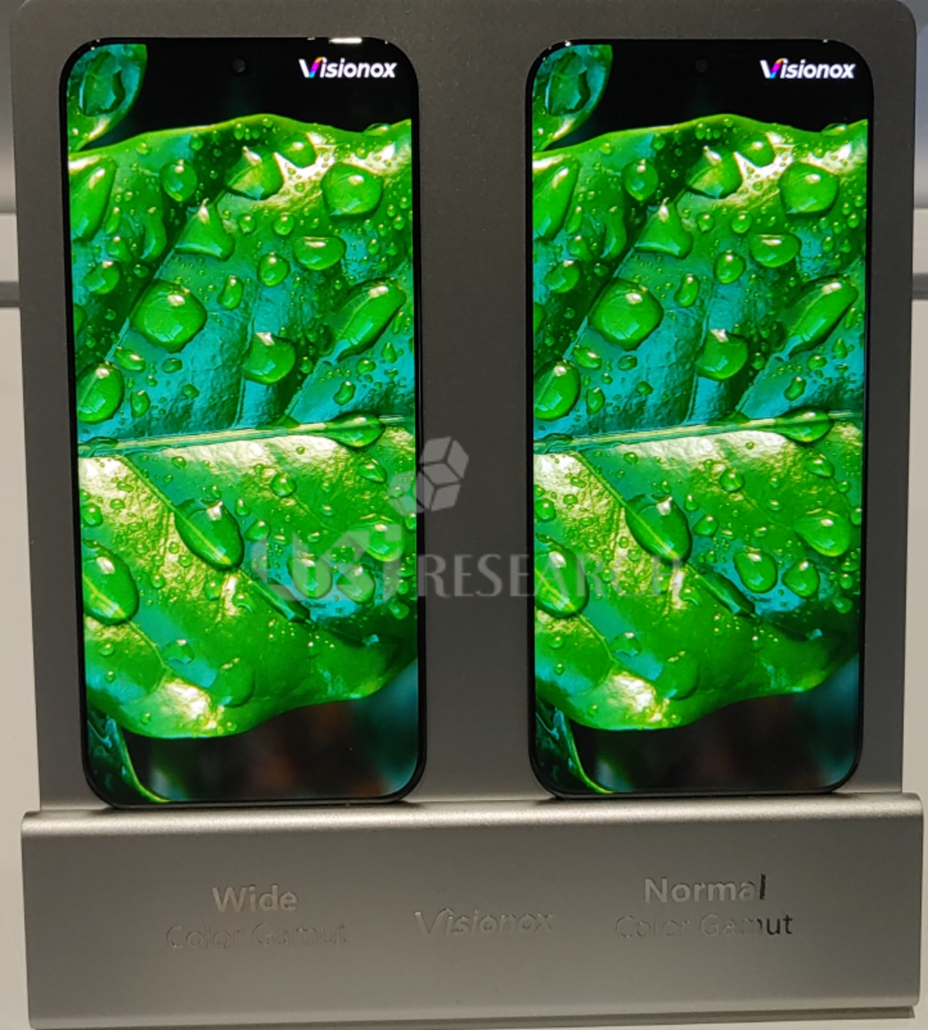
Display of Visionox's 4th generation pTSF OLED technology on smartphones at SID 2025.

Tsinghua-Visionox Officially Announces Mass Production of 4th-Generation OLED ‘pTSF’… “Beyond Catching Up with Korea, Achieving Technological Independence”

China’s display industry has set a milestone beyond leading global production volume, advancing toward self-reliance in core material technologies. Tsinghua University and Visionox officially announced the successful mass production of Phosphor-assisted Thermally Activated Delayed Fluorescence Sensitized Fluorescence (pTSF) technology—a fourth-generation OLED light-emitting technology—at a jointly hosted technology forum held at Tsinghua University in Beijing on the 7th. They also unveiled achievements utilizing this technology. This announcement is considered a significant event, to announce that next-generation material technology, previously confined to the realm of academic possibility, has been successfully introduced into actual mass production lines and entered the commercialization stage.

The Phosphor-assisted Thermally Activated Delayed Fluorescence Sensitized Fluorescence (pTSF) technology developed by the joint research team is a fourth-generation solution that resolves the ‘Impossible Triangle’ challenge faced by conventional OLEDs—the difficult task of simultaneously achieving high efficiency, long lifetime, and high color purity. This technology operates on the principle of maximizing efficiency and lifespan by establishing a unique triple energy transfer system composed of a TADF host, a phosphorescent sensitizer, and a fluorescent emitter. It captures internal energy without loss and rapidly transfers it to the emitter.

Particularly noteworthy at this forum was the reconfirmed mass production performance data for the Green Phosphor-assisted Thermally Activated Delayed Fluorescence Sensitized Fluorescence (pTSF) device. This device garnered significant academic attention at ‘SID 2025’, the world’s largest display conference, held last May.

Visionox's low-power 'Product A' (left) and ultra-high image quality 'Product B' (right) pTSF OLED panels demonstrated at SID 2025 (Source: SID 2025)

Visionox’s low-power ‘Product A’ (left) and ultra-high image quality ‘Product B’ (right) pTSF OLED panels demonstrated at SID 2025 (Source: SID 2025)

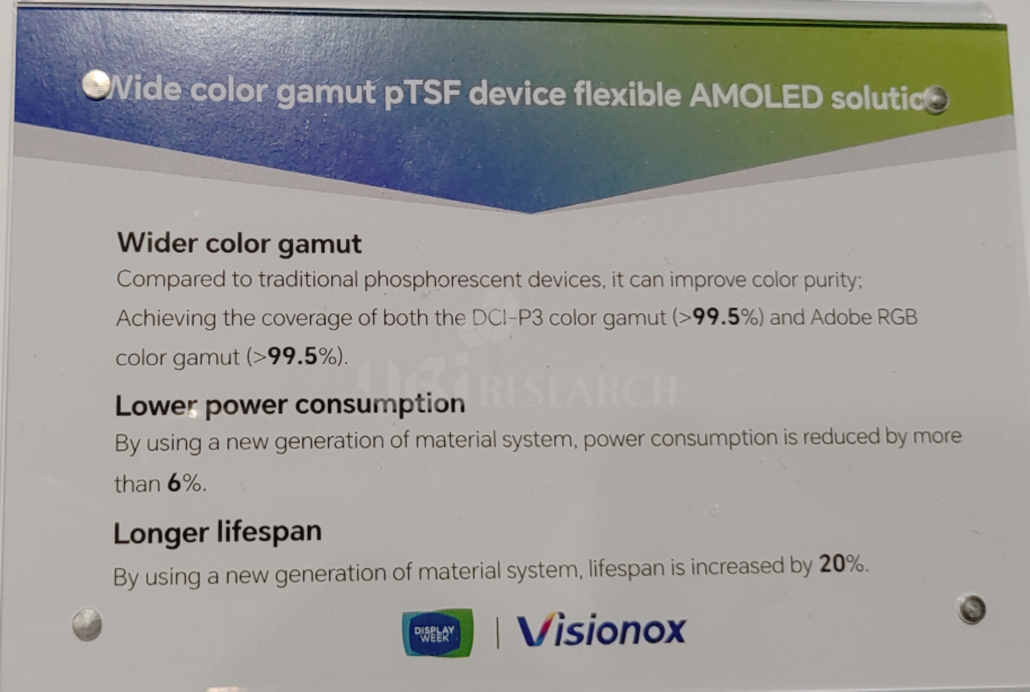
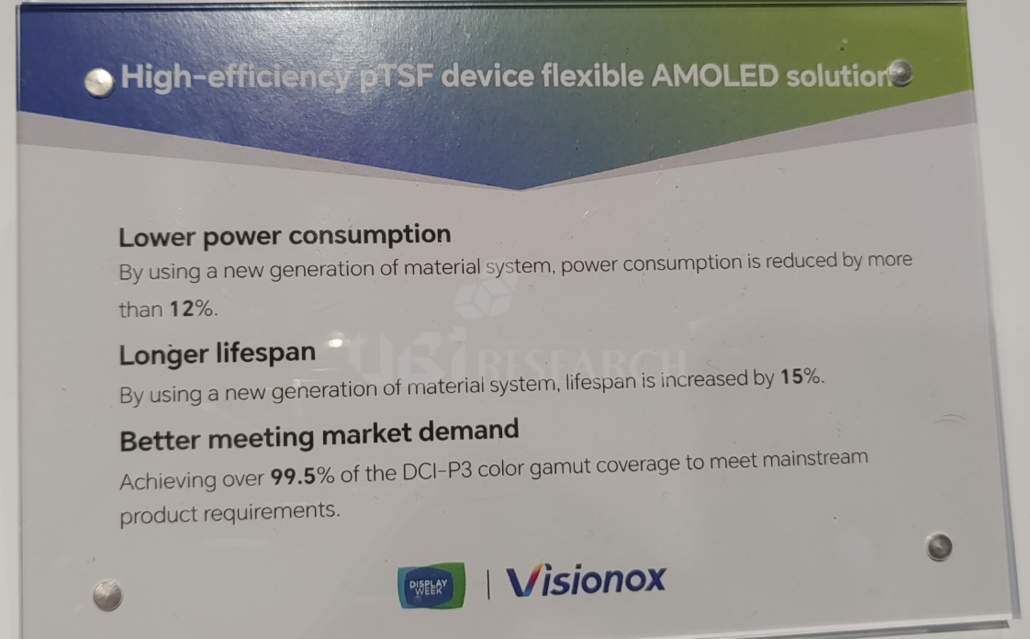
Visionox has disclosed the performance of two panel types (Product A, Product B) manufactured on its G6 mass production line. The low-power specialized model ‘Product A’ reduces power consumption by 12% compared to existing phosphorescent OLED products and improves lifetime (LT95) by over 15%. Furthermore, Product B’, an ultra-high-definition specialized model, achieved a color reproduction rate exceeding 99.5% for both DCI-P3 and AdobeRGB color gamuts, demonstrating significant progress in image quality. This was achieved by applying the research team’s independently developed Exciplex host and optimizing the device structure to enhance energy transfer efficiency, while also reducing the usage of expensive dopant materials by approximately 10%.

The newly unveiled technology is expected to be brought to Honor’s Magic series or Nubia’s latest models. Honor and Nubia are longstanding core partners of Visionox, with a history of being the first to adopt Visionox’s new technologies (such as high refresh rates and UDC) in their flagship lineups. Therefore, it is highly likely they have also secured priority supply for this 4th-generation technology.

Building on the success of mass-producing these green phosphors, Tsinghua University and Visionox have outlined a roadmap to expand the application of Phosphor-assisted Thermally Activated Delayed Fluorescence Sensitized Fluorescence (pTSF) technology into the red and blue phosphor domains. The research team is currently focusing on securing the stability of red MR emitters and blue auxiliary phosphors, which are considered major technical challenges. Through this, they plan to achieve complete independence in material technology across the entire OLED spectrum. The Chinese side views this achievement as a significant turning point for the Chinese display industry, marking its transition from a follower to a technology leader.

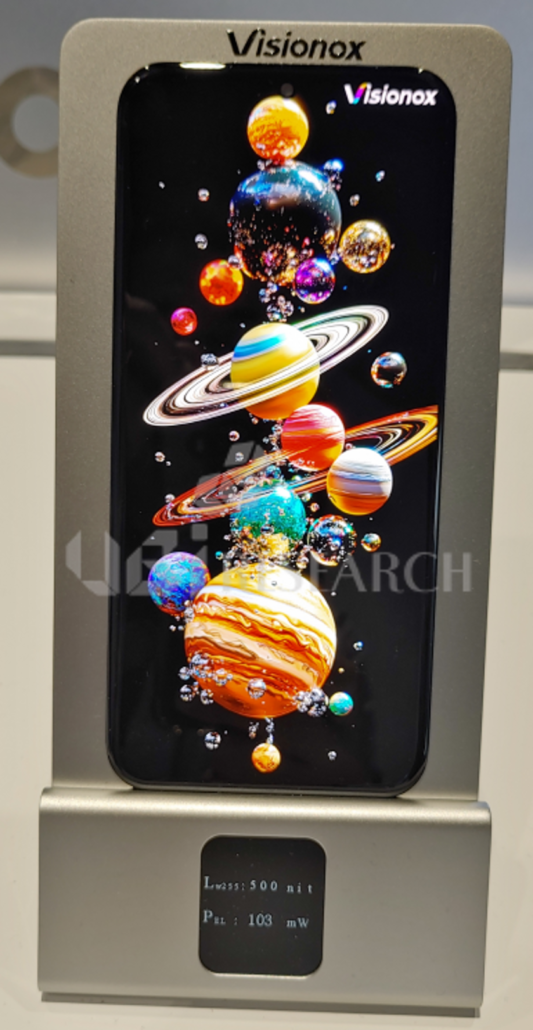
Visionox's high-efficiency pTSF OLED device displayed at SID 2025 (Source: Visionox)

Visionox’s high-efficiency pTSF OLED device displayed at SID 2025 (Source: Visionox)

Changho Noh,  Senior Analyst at UBI Research (chnoh@ubiresearch.com)

▶2025 OLED Emitting Materials Report Sample

▶OLED Emitting Material Market Tracker Sample

※ This article is produced by UBIResearchNet.
Unauthorized reproduction or citation without source attribution is prohibited.
When quoting, please clearly indicate the source (UBIResearchNet) and provide a link.
Bar chart showing the quarterly growth of OLED smartphone panel shipments in 2025, highlighting Q4 peak.

OLED Smartphone Panel Shipments to Reach 900 Million Units in 2025…Q4 Production Drives Annual Growth

Quarterly OLED Shipments Forecast for Smartphones by Manufacturer in 2025 (Source: UBI Research)

UBI Research forecast trend for quarterly OLED smartphone panel shipments and manufacturer share in 2025 (Source: UBI Research)

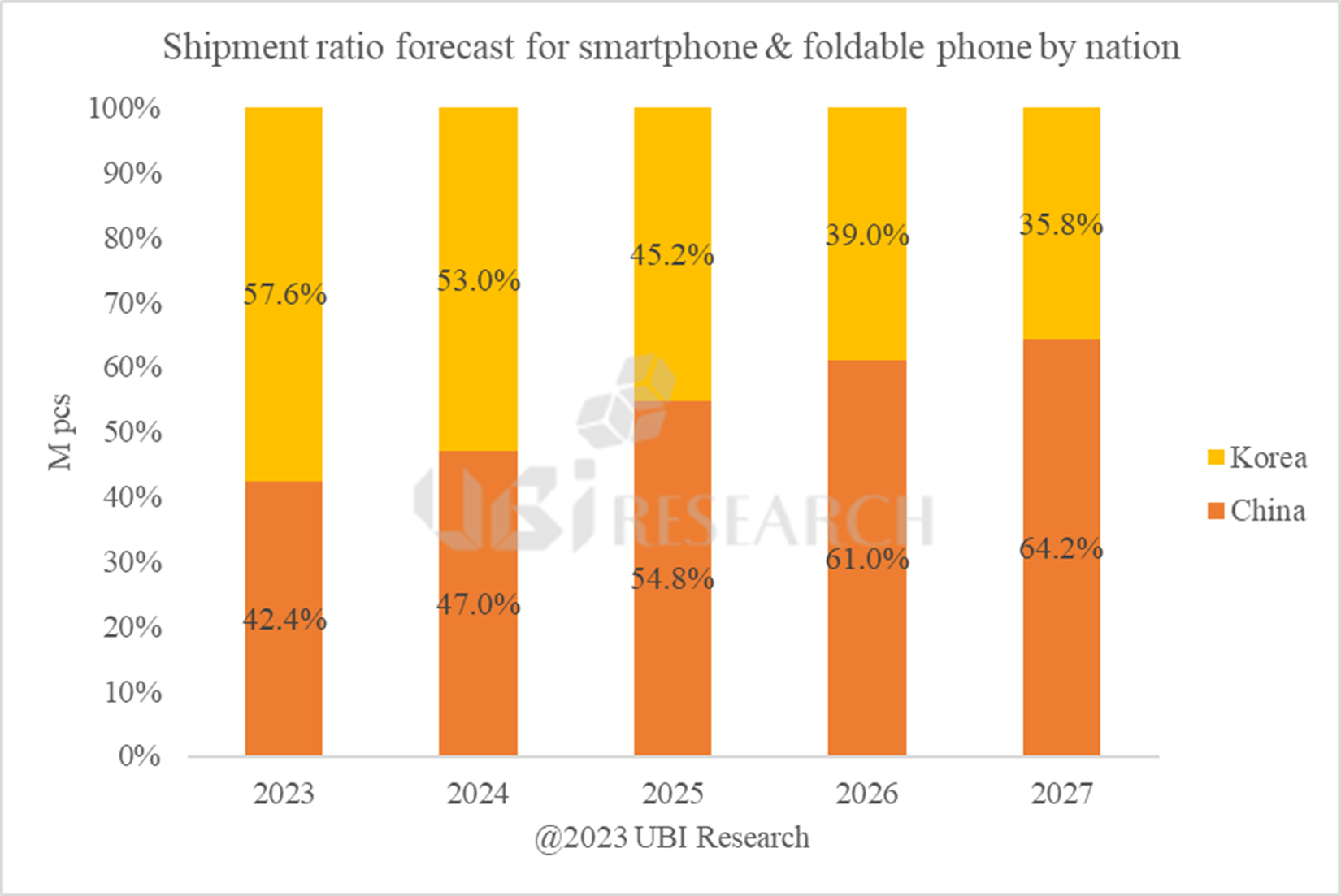
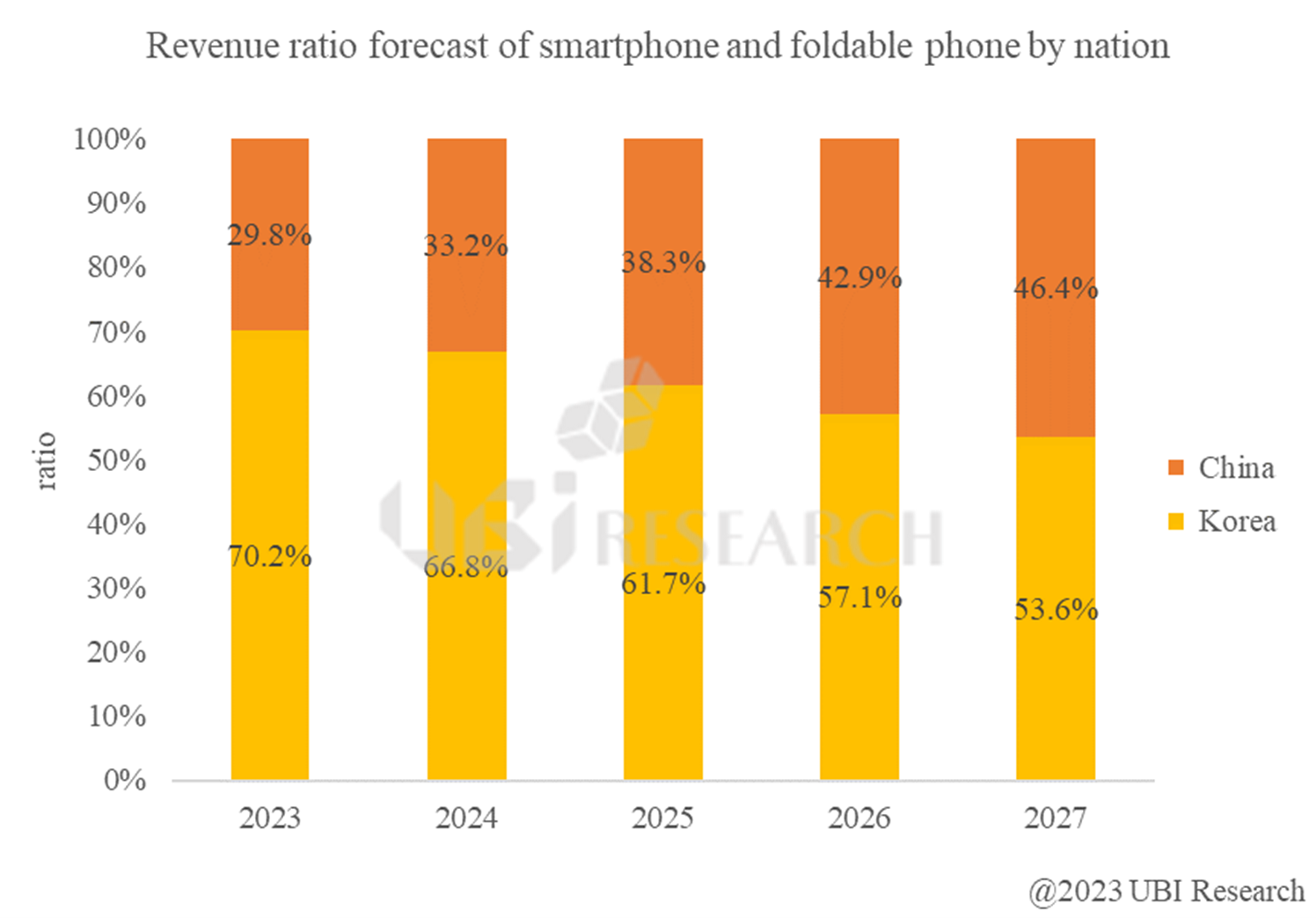
According to UBI Research’s quarterly publication, the OLED Display Market Tracker, OLED panel shipments for smartphones and foldable phones are expected to reach approximately 900 million units in 2025. By shipment share, Chinese panel makers are projected to account for about 48.8% of the annual total, nearly matching the level of Korean manufacturers. While shipment volumes between the two countries are similar, Korean companies maintain a revenue advantage due to their higher proportion of premium-tier orders for flagship models such as Apple’s iPhone and Samsung’s Galaxy.

In particular, Korean panel makers saw a significant surge in smartphone and foldable panel shipments in the fourth quarter, marking their strongest performance of the year. Panel supply expanded sharply from the third quarter with the launch of new Apple products, and shipments peaked as Samsung Electronics began full-scale production of Galaxy S26 series panels.

Samsung Display continued its solid growth into the fourth quarter, driven by increasing demand for panels for the iPhone 17 series and Samsung’s Galaxy S25 FE. With mass production for both the iPhone lineup and Galaxy S26 series in full swing, Samsung Display is expected to post its highest annual shipment volume to date. LG Display also achieved a strong rebound in the third quarter with shipments of roughly 20 million units, representing a sharp quarter-over-quarter increase, and its Q4 shipments are forecast to rise by an additional 20%.

Chinese panel makers showed quarterly fluctuations depending on demand conditions but maintained stable supply across major smartphone brands. BOE expanded its customer base by diversifying its supply portfolio from entry-level to upper-mid-range smartphone models. TCL CSOT and Visionox continued to grow shipments to both the domestic Chinese market and global brands, while Tianma focused on enhancing technological competitiveness by increasing the share of high value-added products such as LTPO.

In terms of set makers, Apple secured the largest volume of OLED panels, followed by Samsung Electronics, Xiaomi, Vivo, and Huawei. Executive Vice President Changwook Han of UBI Research commented, “As the industry enters the second-half peak season, Korean display manufacturers are showing clear improvements in both shipments and revenue. In particular, Samsung Display is expected to ship around 150 million panels in the fourth quarter driven by increased demand for iPhone panels.” He added, “Chinese panel makers are also maintaining stable momentum by adjusting their supply strategies in line with shifting market demand.”

Changwook Han, Executive Vice President/Analyst at UBI Research (cwhan@ubiresearch.com)

▶ Quarterly Small OLED Display Market Tracker Sample

▶Quarterly Medium & Large OLED Display Market Tracker Sample

※ This article is produced by UBIResearchNet.
Unauthorized reproduction or citation without source attribution is prohibited.
When quoting, please clearly indicate the source (UBIResearchNet) and provide a link.
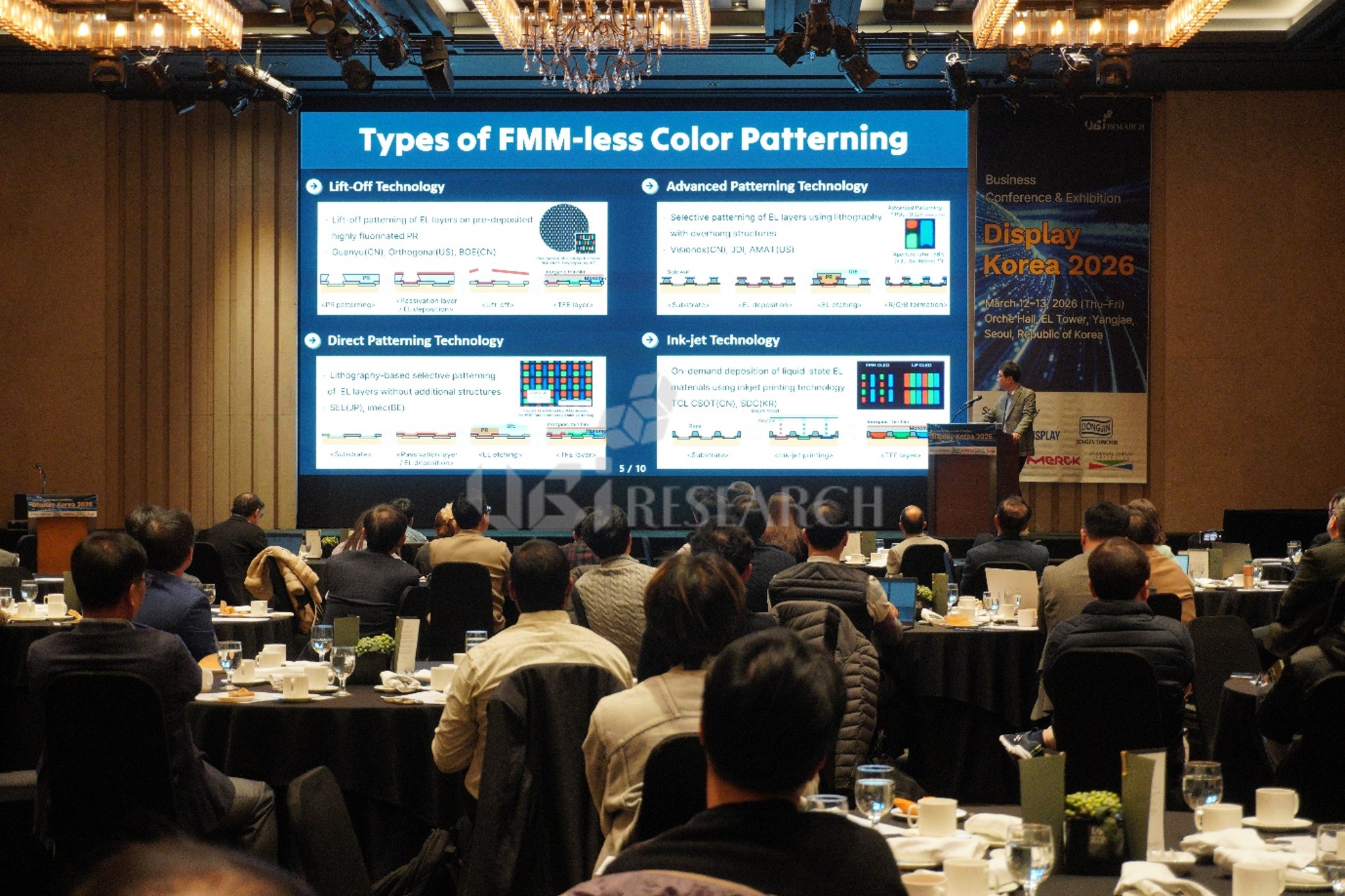
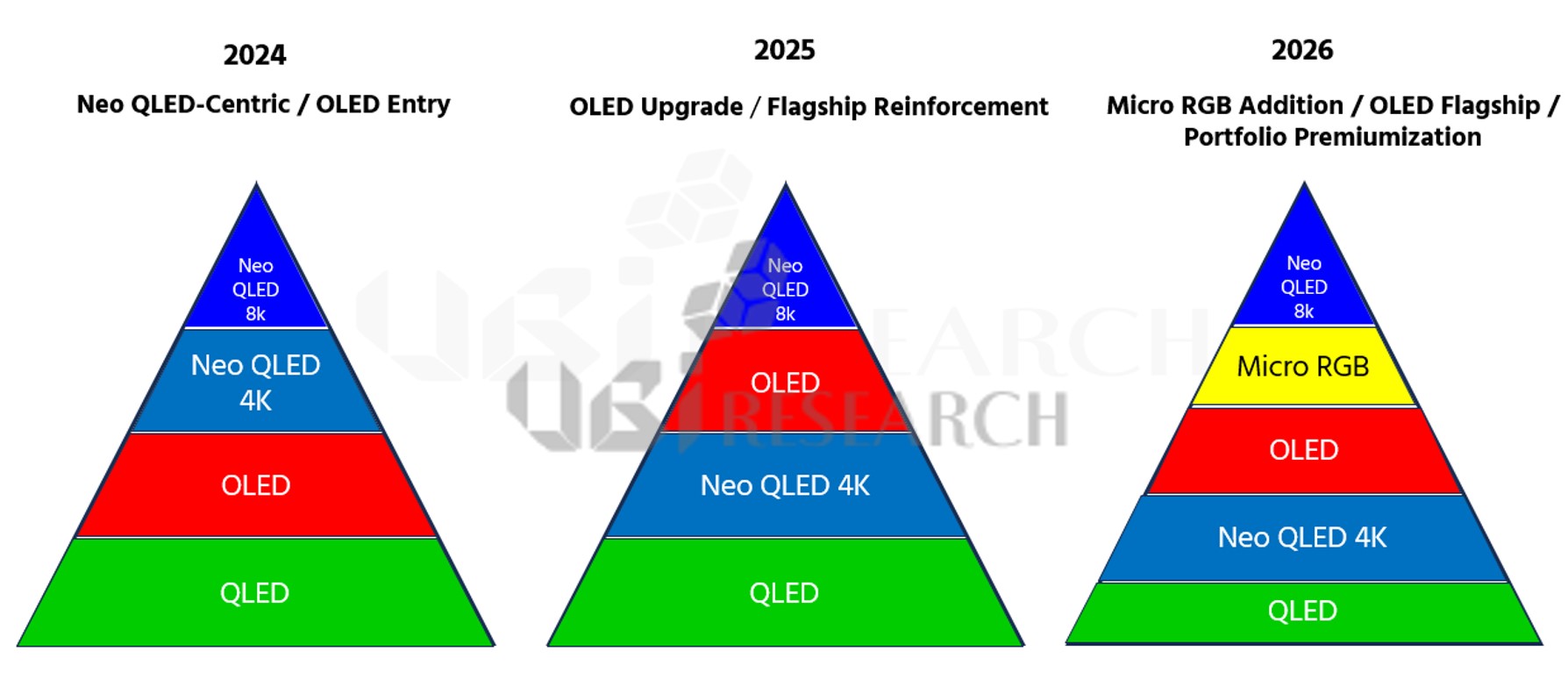
2026 Outlook (1) Premium TV: OLED TV Cost Improvement and Mini-LED Expansion Strategy

In the 2025 TV market, the proliferation of large-size RGB Mini-LED products has significantly broadened technological options. Manufacturers, led by TCL and Hisense, have actively expanded their product lineup to 85- to 115-inch sizes, increasing affordability in the ultra-large market. In particular, leveraging the efficiency of large-area panel production using 10.5th-generation LCD production lines, they have introduced products at a variety of price points. This shift has diversified the competitive landscape in the ultra-large market, particularly those 80 inches and above.

According to a table analyzing the selling prices of OLED and RGB Mini-LED TVs by UBI Research, factors other than price still play a significant role in consumer selection in the 60- to 70-inch segment. While RGB Mini-LED TVs have become more accessible, with prices dropping to around $1,000, OLED TVs are also selling at similar price points, thanks to sales promotions and a mature supply chain, maintaining a balanced technological landscape. In particular, OLED’s unique picture quality characteristics, such as black expression, viewing angle, and response time, continue to be a key factor in the premium 65- to 77-inch market.

2025 OLED TV and RGB Mini-LED TV Price Comparison by Size (Source: UBI Research)

2025 OLED TV and RGB Mini-LED TV Price Comparison by Size (Source: UBI Research)

A key variable in the 2026 market outlook is structural improvements in OLED TV panel manufacturing costs. With the end of depreciation of LG Display’s Guangzhou 8.5th-generation OLED line in the second half of 2025, fixed costs will be reduced. Furthermore, process stabilization and material cost reductions are expected to streamline the overall cost structure. This will allow manufacturers to pursue a broader range of pricing strategies and is highly likely to strengthen OLED’s price competitiveness, particularly in the premium 65- to 77-inch market.

Meanwhile, the Mini-LED camp is expected to adopt various strategies to address this trend. Major manufacturers are seeking to maintain competitiveness through improvements in backlight structures, refinement of operating algorithms, and product portfolio restructuring. Based on production structures that leverage the 10.5th-generation LCD line, they are likely to expand their product line options in ultra-large and mid- to large-sized products. Analysts suggest that RGB Mini-LED TVs will continue to offer advantages in terms of production efficiency, particularly in the ultra-large market (80 inches and above). UBI Research Vice President Han Chang-wook predicted, “In 2026, the premium TV market will become more structured, with each technology’s strengths differing across segments, driven by a complex mix of consumer demands, pricing conditions, and manufacturers’ product strategies.” He continued, “OLED is expected to strengthen its competitiveness in key premium segments based on cost improvements, while Mini-LED will expand its response strategy based on production efficiency in ultra-large areas. This will strengthen the multi-layered market structure, where the two technologies each demonstrate competitiveness in different areas.”

Changwook Han, Executive Vice President/Analyst at UBI Research (cwhan@ubiresearch.com)

▶Quarterly Medium & Large OLED Display Market Tracker Sample

※ This article is produced by UBIResearchNet.
Unauthorized reproduction or citation without source attribution is prohibited.
When quoting, please clearly indicate the source (UBIResearchNet) and provide a link.
eatured image for TCL CSOT’s T8 Gen-8.6 inkjet-printed OLED line indicating equipment ordering and 2027 mass-production target (Source: TCL CSOT, UBI Research)

CSOT T8 8.6G IJP OLED Project Nears Key Equipment Orders…Despite Scheduling Variables, Mass-Production Target Remains Intact

TCL CSOT inkjet-printed OLED monitor panel on display (Source: TCL CSOT)

Demonstration of TCL CSOT’s IJP OLED monitor panel (Source: TCL CSOT)

TCL CSOT’s T8 project, the world’s first Gen 8.6 inkjet printing (IJP) OLED mass-production line, has officially entered the equipment-ordering phase. Following a series of IJP OLED and oxide TFT roadmap disclosures at DTIC 2025 that demonstrated the company’s technical readiness, the project is now showing visible progress on the investment timeline as well.

According to industry sources, orders for core T8 equipment, including inkjet printing systems and deposition tools, are scheduled to begin in December 2024. Inkjet printing, the central platform of the T8 process, determines panel quality, yield, and material utilization; the tool alone is said to account for more than half of the total investment. CSOT is currently engaged in detailed price and specification negotiations with major tool suppliers, while aiming to complete all remaining equipment orders by February 2025. However, with key tool prices trending higher than initially expected, the pace of early investment execution may be adjusted.

CSOT plans to bring in the first batch of equipment for the T8 line in October 2026, though there is a high likelihood that actual delivery could slip toward the end of 2026. Several tool categories still require mass-production-level validation, and negotiations with the inkjet equipment supplier may take longer than anticipated. Even so, the company is maintaining its official target of beginning mass production in the fourth quarter of 2027. Internally, CSOT is said to be preparing mitigation measures to ensure that a 2–3 month delay in tool delivery does not materially impact the overall project schedule.

The strategic significance of the T8 project extends well beyond the addition of a new production line. Inkjet-printed OLED structurally overcomes the process constraints of the conventional FMM (Fine Metal Mask) approach for large-size panels, offering advantages such as material utilization above 90 percent, elimination of large-mask issues, and strong scalability toward high resolution. T8 is designed as a multi-product platform spanning 14–17-inch notebooks, 27–32-inch monitors, and 65–77-inch TVs. Once mass production stabilizes, the T8 line is expected to reshape price-competition dynamics across the IT, monitor, and TV markets.

Junho Kim, Analyst at UBI Research (alertriot@ubiresearch.com)

▶ China Trends Report Inquiry

※ This article is produced by UBIResearchNet.
Unauthorized reproduction or citation without source attribution is prohibited.
When quoting, please clearly indicate the source (UBIResearchNet) and provide a link.
Featured graphic of 2024–2025 OLED shipment share by application highlighting smartphone dominance and China’s rising supply share (Source: UBI Research)

Dual Axes of the 2025 OLED Market: Korea’s Premium Focus and China’s Expansion in Shipments

The OLED market in 2024 and 2025 witnessed marked changes in both the demand structure by application and the supply structure by panel manufacturer. The smartphone-centric demand base became more robust, while major Korean and Chinese panel manufacturers, leveraging their distinct strengths, expanded their market contributions, leading to continued diversification in the OLED industry.

By application, smartphones dominated the OLED market in 2024, accounting for 82% of total shipments, reaching 833.8 million units. Watches accounted for 119.7 million units (12%), while other product groups, including tablets, laptops, monitors, and TVs, remained small markets. This structure continued in 2025, with smartphone shipments increasing to 920.7 million units, representing 84% of the total. Watches remained relatively stable at 113.4 million units, and the share of other product groups remained largely unchanged.

Pie charts of OLED shipments by application for 2024 and 2025 showing larger smartphone share (Source: UBI Research)

OLED shipment share by application, 2024 (left) and 2025 (right) (Source: UBI Research)

In 2024, the roles of Korea and China in OLED panel supply were clearly divided. Samsung Display maintained its position as the largest supplier with 410 million units (41%), while LG Display recorded 100 million units (11%). In the same year, Chinese panel makers continued their quantitative expansion, accounting for 48% of the total, with a combined shipment of 490 million units: BOE with 138 million units, Visionox with 114 million units, Tianma with 102 million units, CSOT with 83 million units, and EverDisplay with 43 million units.

This structure was further strengthened in 2025. Chinese panel makers, including BOE, Tianma, Visionox, CSOT, and EverDisplay, combined to ship 555 million units annually, accounting for over 51% of the global supply, emerging as a key player in the global supply chain. In the same year, Samsung Display maintained its technology-focused responsiveness, with shipments reaching 411 million units (37%), while LG Display reached 128 million units (12%).

The differences in sales strategies between the two countries were also clear. In 2024, Samsung Display solidified its premium-focused structure with $25.6 billion (57%), while LG Display also achieved $7 billion. Conversely, Chinese companies such as BOE, Visionox, and Tianma demonstrated a trend of expanding sales based on mass production. In 2025, LG Display grew significantly to $11.6 billion, and BOE’s shipments also expanded to $7.1 billion, further separating the two countries’ technology and production strategies.

In summary, the OLED market in 2025 saw a strengthened smartphone-centric demand structure, while Chinese companies accounted for over half of panel shipments, demonstrating a clear shift in regional composition. Korean companies maintained a sales structure centered on high-value-added products, while Chinese companies continued to expand their market presence based on increased shipments. UBI Research Executive Vice President Changwook Han said, “The 2025 OLED market is a period in which the supply structure by region and company is expanding simultaneously, with each company broadening its market response based on its product portfolio and technological capabilities.”

Changwook Han, Executive Vice President/Analyst at UBI Research (cwhan@ubiresearch.com)

▶ Quarterly Small OLED Display Market Tracker Sample

▶Quarterly Medium & Large OLED Display Market Tracker Sample

※ This article is produced by UBIResearchNet.
Unauthorized reproduction or citation without source attribution is prohibited.
When quoting, please clearly indicate the source (UBIResearchNet) and provide a link.
Featured graphic highlighting 6.2% QoQ rise in OLED emitter purchases to $521M in Q3 2025, driven by iPhone 17 and iPad Pro (Source: UBI Research)

3Q25 OLED Emitting Material Purchases Rise 6.2%… Driven by iPhone 17 and iPad Pro Demand

Q3 2025 OLED emitter total sales chart (Source: UBI Research)

Q3 2025 OLED emitter total sales by UBI Research

According to UBI Research’s recently published OLED Emitting Material Market Tracker, global OLED panel makers recorded USD 521 million in emitting material purchases in the third quarter of 2025, marking a 6.2% increase QoQ. Purchases increased across most applications—including smartphones, notebooks, tablet PCs, and monitors—and all major panel makers except CSOT posted higher spending during the quarter.

The ramp-up of iPhone 17 series OLED panel shipments in Q3 significantly boosted small-sized OLED production by Korean panel makers, while most Chinese panel makers also saw rising shipment volumes. Tablet PC OLED shipments, which had been weak in Q2, began to recover as supply of new iPad Pro OLED panels increased.

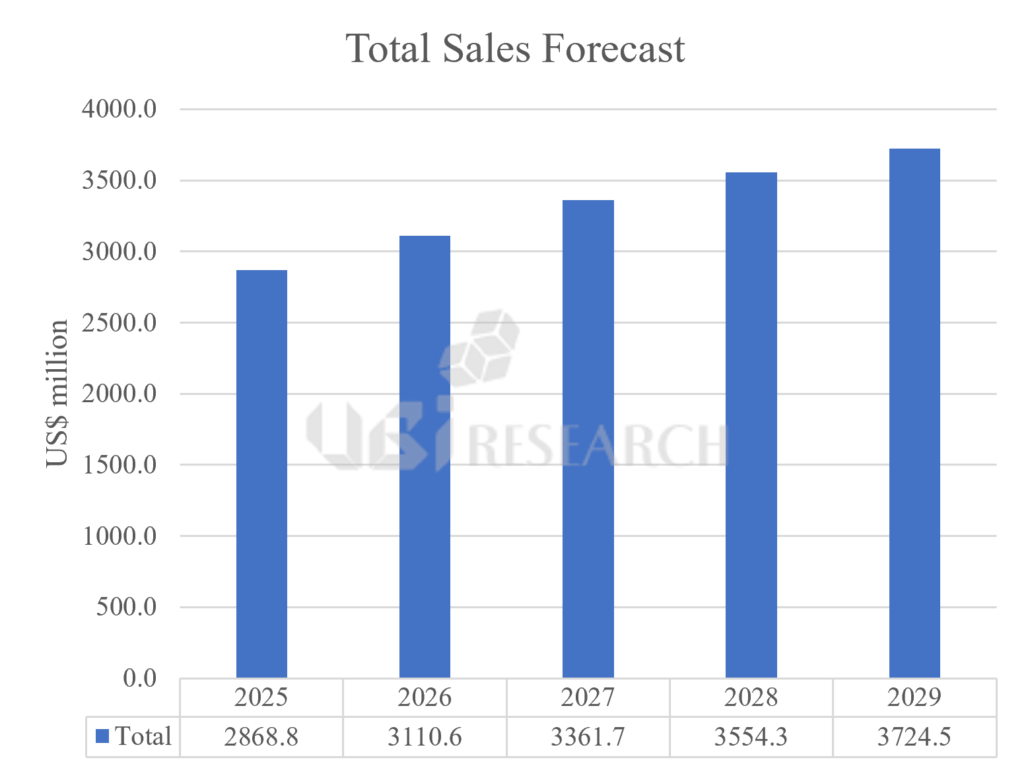
The emitting material market is expected to expand further over the mid- to long-term. UBI Research forecasts global emitting material purchases to grow from USD 2.93 billion in 2025 to USD 3.47 billion in 2029. Growth in the mid-to-large-sized OLED segment is projected to outpace that of small-sized OLEDs, driven largely by Apple’s adoption of tandem OLED structures across major IT products such as the iPad Pro and MacBook. This shift is accelerating structural demand for higher-performance OLED materials.

OLED adoption in the automotive display market is also emerging as a key structural growth driver. As vehicles increasingly demand high brightness and durability, the adoption of 2-stack tandem OLED structures is expected to expand, leading to steady increases in emitting material consumption for automotive applications.

Structural changes are also evident in the demand outlook by OLED architecture. The share of RGB single-stack OLED, currently the dominant structure, is expected to decline by around 10% by 2029. In contrast, emitting material purchases for RGB 2-stack tandem OLEDs are projected to grow at the fastest pace. This trend aligns with the rapid expansion of IT and automotive OLED markets, where high-reliability and high-brightness performance requirements favor tandem structures.

Investment strategies among panel makers are further contributing to the expansion of the emitting material market. Major Korean and Chinese panel makers are actively investing in 8.6-generation IT-oriented OLED production lines, accelerating a long-term shift from a small-sized OLED–centric market toward a structure in which IT and automotive OLEDs account for a larger share. Beginning in 2026, Samsung Display, BOE, and Visionox are expected to begin full-scale mass production on their 8.6G 2-stack tandem OLED lines, which will drive a rapid increase in related emitting material consumption.

UBI Research analyst Noh Chang-ho stated, “Once full-scale mass production begins after 2026, emitting material consumption for RGB 2-stack tandem OLEDs will grow rapidly.” However, he also cautioned that “as Chinese emitting material suppliers begin providing low-cost materials to domestic panel makers, the growth rate of emitting material purchase value may not fully match the increase in consumption volume,” highlighting rising concerns over intensifying price competition.

Changho Noh,  Senior Analyst at UBI Research  (chnoh@ubiresearch.com)

▶OLED Emitting Material Market Tracker Sample

Visualization of TCL CSOT’s 0.28-inch 5,131 PPI Micro LED and 2.56-inch 1,500 PPI OLED microdisplay technologies

0.28-inch 5,131 PPI Micro LED and 1,500 PPI OLED… TCL CSOT Takes the Micro-display Market to the Next Level

TCL CSOT is further solidifying its presence in the next-generation near-field display market and driving changes in the AR and VR ecosystem. Unveiled at the 2025 Global Display Ecology Conference, the two latest micro-displays – a silicon-based Micro LED that delivers ultra-high resolution and a glass-based Real RGB OLED that achieves high PPI – target key requirements for the development of AR and VR devices, respectively. This announcement is particularly noteworthy because TCL CSOT has achieved breakthroughs in both silicon-based and glass-based technologies, creating a significant shift in the technological landscape of the micro-display market.

The most noteworthy product is a 0.28-inch full-color silicon-based Micro LED micro-display. This product delivers full color with high color accuracy on a single chip, and with an ultra-high pixel density of 1280 x 720 and 5,131 PPI, it achieves a “retina-level clarity.” The high-density structure, which makes pixel particles completely imperceptible on small screens, offers significant advantages, particularly in devices with extremely close eye-to-screen distances, such as AR glasses. Furthermore, the silicon-based self-luminous structure facilitates high brightness and a high contrast ratio, enabling a clear image even in small displays prone to brightness loss. Combining Micro LED’s high-efficiency light-emitting characteristics with ultra-high brightness, its ability to maintain clarity even outdoors or in high-light environments is considered a clear competitive advantage over existing OLED-based micro displays.

TCL CSOT 0.28-inch 5,131 PPI silicon-based Micro-LED display (Source: TCL CSOT)

TCL CSOT 0.28-inch 5,131 PPI Micro-LED display (Source: TCL CSOT)

TCL CSOT’s proprietary quantum dot-based color conversion material is also significant. Combining a single blue Micro LED with a quantum dot color conversion layer, rather than individual RGB chips, for full-color implementation offers significant technological value in terms of simplified manufacturing processes, stable yields, and improved color reproducibility. In particular, managing luminous efficiency and color uniformity is crucial for AR displays, which are undergoing extreme miniaturization. TCL CSOT’s material technology is believed to have significantly addressed these limitations. This high-efficiency material-based approach demonstrates the potential for improved cost structure in future mass production and is a key step toward resolving the color process challenges that have hindered the commercialization of Micro LED AR devices.

On another front, the 2.56-inch glass-based Real RGB OLED is noteworthy. VR and MR displays have relied on silicon-based OLEDs to achieve high PPI, but their high manufacturing costs have limited their adoption in mainstream products. TCL CSOT’s achievement of over 1,500 PPI on a glass substrate goes beyond simple high-resolution performance and signals a potential shift in the VR and MR market structure itself. Adopting a Real RGB pixel structure ensures color accuracy and color coordinate stability, while specifications like a refresh rate of over 120Hz and a contrast ratio of 1,000,000:1 fully meet the demands of high-end VR and MR devices.

TCL CSOT 2.56-inch glass-based Real RGB OLED display (Source: TCL CSOT)

TCL CSOT 2.56-inch glass-based Real RGB OLED display (Source: TCL CSOT)

Global big tech companies, in particular, are embracing this same technological trend. Apple, following the launch of its “Vision Pro” in 2024, which uses silicon-based OLEDoS, is reportedly preparing a glass-based MR display for its next entry-level model to reduce costs. This demonstrates a growing shift in the high-resolution VR and MR market, moving away from a silicon-based, single-resolution strategy and toward diversifying substrate structures based on application and price range. The attention given to TCL CSOT’s glass-based, high-PPI OLED is aligned with this industry shift. Glass substrates, with their high cost competitiveness, play a crucial role in popularizing VR and MR. Their ability to lower price barriers while maintaining high resolution is likely to impact the entire global supply chain.

TCL CSOT’s technological advancements in both silicon-based Micro LED and glass-based OLED demonstrate the growing emphasis on high-density, low-power, and high-brightness requirements for future AR and VR devices. Micro LEDs, with their high brightness, peak performance, low power consumption, and long lifespan, are particularly suited for ultra-compact and lightweight devices centered around AR glasses. OLEDs, with their wide color gamut and high-quality image quality, enhance the immersive experience of VR and MR headsets. As the complementary nature of these two technologies becomes more evident, the micro-display market, which had stagnated in recent years, is rapidly expanding again.

UBI Research Executive Vice President Changwook Han commented on this technology announcement, saying, “Micro LED and high-resolution OLED are key technologies that determine the completeness and user experience of AR and MR devices.” He added, “Micro LED, in particular, is at a critical turning point that will accelerate the commercialization of AR glasses in terms of brightness, power, and lifespan. The proliferation of glass-based, high-PPI OLEDs will lower the cost barriers in the VR and MR markets, rapidly accelerating the expansion of mass-market models.” He summarized the future direction of the micro-display ecosystem as “lightweight, low power, and high definition,” predicting that companies that comprehensively optimize not only technology but also optics, materials, and actuator quality will secure future competitiveness.

Changwook Han, Executive Vice President/Analyst at UBI Research (cwhan@ubiresearch.com)

▶2025 Micro-LED Display Industry and Technology Trends Report

Graph showing forecasted growth of OLED notebook shipments from 2025 to 2029 based on UBI Research data

OLED Notebook Market Stagnant in 2025, Poised for Strong Growth from 2026

Forecast graph showing OLED notebook panel shipments from 2025 to 2029 (Source: UBI Research)

OLED Shipment for Notebook Forecast (Source: UBI Research)

The global shipment of OLED notebooks in 2025 is expected to reach about 10 million units, remaining at a similar level to the previous year.

According to UBI Research’s “Mid-to-Large OLED Display Market Tracker”, cumulative shipments through the third quarter of 2025 are estimated at about 6.7 million units, and the total annual shipment is projected to be similar to that of 2024.

The OLED notebook market will remain in an adjustment phase through 2025, but it is evaluated as a period to strengthen the foundation for mid- to long-term growth. The market is currently led by Samsung Display, while LG Display and EverDisplay are also gradually expanding their shipments.

As OLED panel prices continue to fall, Chinese panel makers are expanding the supply of 2-Stack Tandem OLEDs and low-cost Single OLEDs, and steady market growth is expected to follow. Major Chinese companies such as BOE, Visionox, TCL CSOT, and EverDisplay are establishing mass-production lineups for global set makers such as Lenovo, Dell, HP, and Huawei, thereby enhancing their competitiveness.

In 2026, the market structure is expected to change significantly. Industry attention is focused on whether Apple will adopt OLED displays for the MacBook Pro. Apple introduced OLED for the first time in the iPad Pro in 2024 but experienced limited demand due to higher prices. Accordingly, the company is taking a cautious approach to applying OLED to the MacBook series, reportedly reviewing cost structure, demand elasticity, and supply-chain stability.

Changwook Han, Executive Vice President of UBI Research, said, “If Apple launches an OLED MacBook in 2026, the notebook OLED market is expected to grow by more than 30% year on year and to more than double by 2029 compared to 2025.” He added, “Not only Apple but also major global brands such as Acer, Dell, and HP are expanding OLED adoption in their high-end lineups, and OLED notebooks will gradually replace LCDs to become the mainstream premium display.”

Changwook Han, Executive Vice President/Analyst at UBI Research (cwhan@ubiresearch.com)

▶ Quarterly Small OLED Display Market Tracker Sample

▶Quarterly Medium & Large OLED Display Market Tracker Sample

Chemical structure and emission performance of double-borylation ν-DABNA OLED materials developed by Kyoto University and JNC

Kyoto University-JNC joint research team innovates next-generation deep blue OLED materials with new ‘(Double Borylation)’ technology

A joint research team led by Professor Takuji Hatakeyama from the Department of Chemistry at Kyoto University, in collaboration with JNC Co., Ltd., has developed a novel ‘Double Borylation’ synthetic strategy and successfully realized a world-leading pure Deep Blue OLED emitting material. This achievement was published in the international journal Nature Communications (October 2025, DOI: 10.1038/s41467-025-63908-y) and is anticipated to be a core technology for next-generation displays such as high-resolution micro-OLEDs.

Among the three primary colors (RGB) for OLEDs, the ‘Deep Blue’ region is known to be the most challenging to achieve. This is because producing a deeper blue color leads to increasingly unstable charge recombination, resulting in reduced efficiency and shortened lifetime. To address this issue, Professor Hatakeyama’s research team proposed a novel ‘Double Borylation’ strategy. This involves selectively introducing two boron atoms into the multi-resonance (MR)-TADF luminescent skeleton, which is composed of boron (B) and nitrogen (N).

Schematic illustration of the double borylation reaction introducing two boron atoms into the ν-DABNA structure for OLED emitter design (Source: Nature Communications, 2025)

Double Borylation Reaction of ν-DABNA for OLED Emitters (Source: Nature Communications, 2025)

This process expands the molecule’s π (pi) resonance structure, increasing the electronic transition energy, strengthening the transition dipole moment, and reducing the singlet-triplet energy gap (ΔE_ST). As a result, it improved efficiency, color purity, and stability. The newly synthesized material ‘ν-DABNA-M-B-Mes’ exhibits a deep blue wavelength of 463 nm, surpassing the previously reported deep blue material ν-DABNA, and achieved the following performance:

  • Photoluminescence Quantum Efficiency (PLQY): 93%.
  • Emission half-width at half-maximum (FWHM): 16 nm (world’s smallest)
  • External Quantum Efficiency (EQE): 32% or better
  • Color coordinates (CIE y): 0.09 – close to NTSC standard blue (0.08)
  • Lifetime (based on LT80, 100 cd/m²): More than 1,000 hours

In addition, the Phosphor-Sensitized Fluorescence (PSF) structure, which is attracting attention as a fourth-generation hyperfluorescent material, achieved a low drive voltage (2.5 V), maintained efficiency (minimized roll-off), and a lifetime of LT₈₀ > 1,000 hours at a luminance of 100 cd/m².

Prof. Hatakeyama said that Double Borylation is not just a synthesis technique, but a strategic approach that changes the fundamental concept of OLED material design, and succeeds in improving color purity, efficiency, and lifetime, and is expected to be used in a variety of next-generation applications, including microOLEDs (OLEDoS) for AR-VR, ultra-high color purity smartphone and TV displays, automotive heads-up displays (HUDs), wearables, and transparent displays. 

Device structure, emission spectrum (467 nm, FWHM 17 nm), and CIE coordinates (0.12, 0.12) of ν-DABNA-M-B-Mes OLED (Source: Nature Communications, 2025)

Emission Characteristics of ν-DABNA-M-B-Mes OLED (Source: Nature Communications, 2025)

Changho Noh,  Senior Analyst at UBI Research  (chnoh@ubiresearch.com)

▶OLED Emitting Material Market Tracker Sample

▶2025 OLED Emitting Materials Report Sample

BOE logo and HKC display factory symbolizing China’s accelerating OLED industry shift through large-scale investment

China’s display industry accelerates OLED-centric restructuring – BOE accelerates technology and HKC enters the market

China’s panel industry is accelerating its restructuring around OLED technology through large-scale investments. BOE and HKC are each stepping up efforts to enhance OLED technologies for smartphones and IT applications, while establishing dual production systems that encompass both LTPS and OLED, aiming to strengthen their positions in the global display market.

BOE logo representing China’s leading OLED display company driving technological innovation (Source: BOE)

BOE (Source: BOE)

BOE – Diversifying Technology While Advancing Apple Certification

BOE, which is currently producing OLED panels for the iPhone 17 Pro, is also expected to obtain certification for the iPhone 17 standard model within this year. BOE’s Apple-dedicated module production consists of 26 lines, with each newly invested line approximately 400 meters long and costing about 300 million CNY. The total investment for the Mianyang (绵阳) plant, including both panel and module lines, is estimated at 55 billion CNY.

At the Chengdu B12 plant, R&D efforts are focused on next-generation processes such as COE (Color on Encapsulation), Black PDL (Positive Type), and MLA (Micro Lens Array). The current monthly capacity of B12 is about 30 K substrates, which is expected to increase to 40 K by year-end. COE applications are being evaluated primarily for general smartphone models, while Black PDL processes are planned to expand into IT panels. MLA products are currently being supplied at 3–5 K substrates per month, with BOE also securing high-refractive-index materials for the technology.

HKC display factory in China establishing dual LTPS and OLED production lines (Source: HKC)

HKC Factory (Source: HKC)

HKC – Diversifying Production Through Dual Investments in LCD and OLED

HKC is expanding its OLED investment through the new H7 project. Unlike previous projects, H7 is being executed under the corporate entity of the existing H4 Mianyang LCD plant rather than a newly established subsidiary—an arrangement linked to local government funding structures.

The project includes a 60 K used 6th-generation LTPS LCD line acquired from JDI and a new 32 K 6th-generation OLED ELEAP line (divided into 8 K + 24 K phases). Additionally, HKC is expanding its H4 IPS Photo process line and constructing a new Mini-LED factory with an investment of approximately 10 billion CNY. Through these projects, HKC is building a comprehensive display production system covering LCD, OLED, and Mini-LED technologies.

Strategic Transition in China’s Panel Industry

The initiatives of BOE and HKC mark not just an expansion of production capacity but a shift toward technology-driven competitiveness. With high-value OLED technologies such as COE and MLA gaining traction, and government-led capital structures supporting investment diversification, China’s display industry is transitioning from scale-driven growth to technology-driven competition.

UBI Research’s “China Trends Report” provides detailed information on BOE’s progress in developing panels for Apple, the progress of new technology development by panel manufacturers, the latest investment trends, panel shipment volumes and unit prices, and the materials supply chain. The “China Trends Report” is available on the UBI Research website.

Junho Kim, Analyst at UBI Research (alertriot@ubiresearch.com)

▶ China Trends Report Inquiry

Apple LTPO+ OLED backplane compensation circuit structure showing oxide TFTs for both switching and driving

iPhone 18 with LTPO+: Intensifying Technology Race Among Panel Makers

The iPhone 18 will feature a new type of OLED backplane technology called LTPO+. While existing LTPOs employed a hybrid structure using oxide semiconductors only for the switching TFT, LTPO+’s key feature is the switch to oxide TFTs for both the switching TFT and the driving TFT. This is believed to be Apple’s strategy to improve power efficiency in its next-generation OLED panels and to address brightness uniformity and image retention issues during extended use.

LTPO+ compensation circuit structure — Apple’s OLED backplane patent diagram (Source: Apple)

LTPO+ Compensation Circuit Patent (Source: Apple)

Conventional LTPS (low-temperature polycrystalline silicon)-based driving TFTs offer high mobility, making them advantageous for high-brightness operation. However, the numerous traps at grain boundaries result in high hysteresis and unstable current characteristics, making them prone to gradation errors and brightness unevenness over extended periods of use. In contrast, oxide TFTs boast low hysteresis and stable current characteristics, maintaining a constant current under constant gate voltage conditions. This reduces pixel-to-pixel current variation, improving brightness uniformity and color stability. Furthermore, residual charge accumulation is suppressed, reducing image retention.

Despite these advantages, many technical challenges remain for the application of oxide as a driving TFT. Oxide semiconductors have lower mobility than LTPS, making it difficult to secure sufficient driving current. This can lead to slower current response times at high brightness and refresh rates. Furthermore, ensuring stability under prolonged bias and thermal stress is essential. This is because electron trap accumulation during extended driving can lead to current reductions and subtle color shifts. Meanwhile, even in the LTPO+ structure, some circuit elements are still composed of LTPS. Since these LTPS elements are not as high-performance as the driving TFTs, securing cost-effective, low-cost LTPS manufacturing technology is crucial. Unlike high-quality driving LTPS, LTPS for peripheral circuits or sensing elements prioritizes yield, uniformity, and low-cost processes over high mobility. These process simplifications and cost-saving technologies enhance the competitiveness of LTPO+ mass production.

In other words, LTPO+ is a structure achieved through a balance between oxide and LTPS processes, with one key focus being high performance (oxide) and the other being low cost (LTPS).

From this perspective, the key challenges for oxide-driven TFTs can be summarized as four:

First, ensuring bias and thermal stress reliability – technology to suppress electrical degradation during long-term operation and minimize ΔVth (threshold voltage shift).

Second, integrating compensation circuits – designing a circuit-level compensation circuit to compensate for fluctuations in oxide device characteristics and ensure operational stability.

Third, securing large-area uniformity – a technology that minimizes current variations across the substrate to maintain luminance uniformity.

Fourth, appropriate subthreshold swing (SS) control – an excessively low SS can lead to sensitivity to threshold voltage variation and time variation (ΔVth), which can increase current dispersion. Therefore, SS optimization is required to balance power efficiency and operating stability.

Ultimately, the success of LTPO+ depends not only on the performance of the oxide driving TFT but also on the cost competitiveness of the auxiliary LTPS process. Apple will only be able to fully adopt LTPO+ for the iPhone 18 if it reaches target levels in mobility, reliability, uniformity, and manufacturing cost. The industry predicts that technological competition among existing iPhone panel suppliers will intensify, focusing on securing oxide TFT performance and developing low-cost LTPS processes. LTPO+ is expected to mark a new turning point for panel technology in the next-generation mobile OLED market.

Changwook Han, Executive Vice President/Analyst at UBI Research (cwhan@ubiresearch.com)

▶ Quarterly Small OLED Display Market Tracker Sample

▶Quarterly Medium & Large OLED Display Market Tracker Sample

EMT logo symbolizing OLED emitter and PSPI business expansion in Hefei

EMT (Eternal Material Technology), centered on the Hefei factory, is pushing forward business expansion in OLED emitters and PSPI.

EMT logo — Chinese display material company expanding OLED emitter and PSPI business (Source: EMT)

EMT company logo (Source: EMT)

The Chinese display materials company EMT is expanding its sales on two major axes: OLED emitters and LCD color-filter materials. This year, EMT’s total revenue is about ¥400 million (RMB), of which the organic emitter business accounts for about ¥200 million and the LCD color-filter RGB material business also accounts for about ¥200 million. Among the photoresists (PR) for color filters, currently only red materials are supplied to China Star Optoelectronics Technology (CSOT).

In the OLED business, low-temperature RGB materials for COE applications are under evaluation by Visionox, and the low-temperature OC materials are being OEM produced through LTC. These products are under evaluation at Visionox’s V3 line; once evaluation passes, EMT plans to manufacture them itself and transact under its own name.

In PSPI (photosensitive polyimide) as well, EMT has entered full-scale preparations for mass production. Around October, small-volume production is expected to begin on Visionox’s V1 line, replacing the existing volumes from Rousian (柔显). Then the horizontal expansion to the V2 and V3 lines is also planned.

In terms of factory operations, the Hefei factory has an annual PR production capacity of about 3,000 tons, but the current utilization rate is below 50%. Meanwhile, the Guan (Guan) factory has a production capacity of about 500 kg per month for emitters, which is planned to be transferred to the Hefei factory next year. Through this move, production efficiency will be improved and an integrated production system for materials will be strengthened.

Information on Chinese emitter and materials companies can be found in the China trends report by UBI Research.

Junho Kim, Analyst at UBI Research (alertriot@ubiresearch.com)

▶ China Market Trend Report Inquiry

Q3 OLED Panel Shipments Surge with iPhone 17 Effect

OLED panel shipments surge in Q3, with Korean companies showing a clear recovery thanks to the iPhone 17 launch

Bar chart of quarterly OLED panel shipments for smartphones in 2025

OLED panel shipments for smartphones by company in Q1–Q3 2025,  (Source: UBI Research)

According to the “OLED Display Market Tracker,” published quarterly by UBI Research, Korean panel manufacturers saw a significant increase in smartphone and foldable phone panel shipments in the third quarter. This is the result of a rapid recovery from a temporary decline in the second quarter, a period of weak smartphone demand, driven by the popularity of the iPhone series and Samsung Electronics’ new products.

Samsung Display saw a surge in panel shipments for the iPhone 17 series and the Galaxy S25 FE in the third quarter, significantly boosting flexible OLED shipments that had stagnated in the second quarter. Rigid OLED shipments remained stable, maintaining similar levels to the previous quarter.

LG Display’s panel shipments surged from approximately 10.8 million units in the second quarter to approximately 20 million units in the third quarter, nearly doubling forecasts. LG Display supplies smartphone panels exclusively to Apple, so the launch of the iPhone 17 series was the primary driver of shipment growth. Shipments for the iPhone 17 Pro Max, in particular, accounted for approximately 60% of total shipments, the largest share.

Chinese panel makers also saw shipment growth. BOE shipped approximately 5.4 million units, and Visionox increased shipments by approximately 6.7 million units compared to the second quarter. BOE’s main customer was Oppo, followed by Apple and Huawei. With the gradual expansion of iPhone panel supply, Apple is likely to emerge as a key customer for BOE in the fourth quarter. Visionox shipped the most refurbished panels, followed by Honor, Xiaomi, and Vivo.

“Korean panel makers have shown a clear recovery in shipments since the third quarter, and Chinese companies are also continuing to grow,” said  Changwook Han, Executive Vice President of UBI Research. “Securing stable shipments from Apple, their most important customer, will be a key challenge for Korean companies going forward. However, Samsung Display and LG Display have already established a solid presence in the global premium market, so we expect them to maintain their strategic advantage even amidst competition with BOE.”

Changwook Han, Executive Vice President/Analyst at UBI Research (cwhan@ubiresearch.com)

▶ Quarterly Small OLED Display Market Tracker Sample

▶Quarterly Medium & Large OLED Display Market Tracker Sample

Automotive OLED display shipment forecast from 2023 to 2030, highlighting Mini LED, OLED, and Micro-LED trends (Source: UBI Research)

Automotive OLED displays to ship 3.8 million units this year, with growth expected to accelerate after 2030.

The automotive OLED display market is expected to ship approximately 3.8 million units this year, with a projected compound annual growth rate (CAGR) of 24% through 2030. However, true growth is likely to begin after that point. While OLED has proven its technological prowess in the smartphone and TV markets, it is only just beginning to gain traction in automotive displays.

Automotive display shipment forecast 2023–2030, comparing Mini LED, OLED, and Micro-LED (Source: UBI Research)

Forecast of automotive display shipments by technology (2023–2030): Mini LED, OLED, Micro-LED (Source: UBI Research)

The strengths of automotive OLEDs are clear. Superior visual quality is cited as the most significant advantage. Deep black expression, low reflectivity, and superior color reproducibility improve visibility during driving. Furthermore, the recently highlighted tandem OLED structure significantly extends lifespan and ensures stable reliability even in high-temperature environments, making it ideal for automotive displays that require long-term use. Furthermore, flexible designs such as curved, foldable, slideable, and rollable panels allow for differentiated automotive interiors. This allows premium brands to strengthen their identity through OLED adoption. With major companies such as Samsung Display (SDC), BOE, Visionox, and TCL CSOT investing in 8th-generation OLED lines, production base expansion is also expected.

Current status of automotive OLED display adoption by major carmakers and models (Source: UBI Research)

Current adoption of automotive OLED displays – by carmaker and model (Source: UBI Research)

However, there are many challenges to overcome. Pricing is the biggest barrier. Currently, OLEDs are several times more expensive than LCDs, hindering mass adoption. The supply chain is also limited. Relying on a small number of companies, including LG Display, Samsung Display, and BOE makes securing a stable supply difficult. Furthermore, OLEDs only fully entered the automotive market around 2020, and sufficient long-term usage data has yet to be collected. Automotive displays must operate reliably for 10 to 15 years in harsh environments, making durability verification essential.

Due to these limitations, automakers are strategically gradually expanding OLED adoption. They are primarily being used in premium electric vehicles and flagship models, with widespread adoption likely after 2030. While limited growth is expected until 2030, a full-scale leap forward is expected thereafter, driven by cost reductions, the establishment of mass production systems, and the accumulation of reliability data. If OLED can deliver differentiated value in the automotive display market, growth rates beyond 2030 are likely to exceed current projections.

Changwook Han, Executive Vice President/Analyst at UBI Research (cwhan@ubiresearch.com)

▶2025 Automotive Display Technology and Industry Trends Analysis Report

OLED emitting material market share by nation, Korea leading overall while China rises in smartphones

OLED Emitting Material Market Landscape Shifts… Korea Maintains Overall Lead While China Advances in Smartphones

OLED emitting material market share by nation, comparison of Korea and China (Source: UBI Research)

OLED emitting material market share trends by nation (Source: UBI Research)

According to the Q3 Emitting Material Market Tracker recently published by UBI Research, Korean panel makers maintained their lead over Chinese competitors in total OLED emitting material purchases in the first half of 2025. Korean panel makers purchased approximately 36.7 tons, accounting for 59.9% of the total, while Chinese panel makers purchased 24.6 tons, representing 40.1%. By quarter, Korea recorded 18.6 tons versus China’s 12.8 tons in Q1 2025, and 18.1 tons versus 11.8 tons in Q2, continuing a stable lead.

While Korea continues to dominate the overall OLED emitting material market, the smartphone segment shows a different trend. Since 2025, Chinese panel makers have consistently exceeded 50% market share on a quarterly basis, surpassing Korea in the first-half total as well. This indicates that although Korea remains ahead in the overall OLED emitting material market, China’s share is steadily expanding in smartphones, a core application segment. Backed by its strong domestic demand, China has rapidly increased shipments, suggesting that the balance between the two countries is gradually shifting in the medium to long term.

By company, Samsung Display accounted for about 40% of the total OLED emitting material purchases, maintaining the largest share, followed by LG Display, BOE, and Tianma. In contrast, in the smartphone OLED emitting material market, BOE closely followed Samsung Display, with Tianma, TCL CSOT, and LG Display trailing behind. Thus, while Korean panel makers still demonstrate clear strength in the overall market, Chinese panel makers are making notable strides in the smartphone sector.

UBI Research analyst Noh Chang-ho stated, “Although Korea has been overtaken by China in the smartphone OLED emitting material market, Samsung Display and LG Display remain ahead in the overall OLED market, supplying IT panels, QD-OLED, and WOLED,” adding, “However, as Chinese panel makers expand shipments of smartphones and foldables, along with increasing IT OLED production, the gap between Korea and China in the emitting material market is narrowing rapidly.”

Changho Noh,  Senior Analyst at UBI Research  (chnoh@ubiresearch.com)

▶OLED Emitting Material Market Tracker Sample

Foldable and Rollable Cover Window Market Projection Chart 2025–2029

UTG Expansion, CPI Decline… Foldable & Rollable Cover Window Market to Surpass USD 700 Million by 2029

Transformable Display Cover Window Market Forecast 2025–2029 (Source: UBI Research)

Transformable Display Cover Window Market Forecast, 2025–2029 (Source: UBI Research)

According to the recently published “2025 OLED Component and Materials Report” by UBI Research, the market for cover windows used in foldable and rollable OLED devices is projected to exceed USD 700 million by 2029.

The report forecasts that the overall OLED components and materials market will grow from USD 17.2 billion in 2025 to USD 20.2 billion by 2029, at a compound annual growth rate (CAGR) of 4%. Within this, the mobile device segment is expected to expand from USD 16.2 billion to USD 18.7 billion, continuing to drive the overall market. Meanwhile, the OLED TV components and materials market is projected to grow at a CAGR of 10.5%, reaching USD 1.5 billion by 2029.

Among these segments, the growth of the cover window market for foldable and rollable devices is particularly notable. In terms of volume, demand is expected to rise from 30.3 million units in 2025 to 70.7 million units by 2029. In revenue terms, the market is forecast to expand from USD 320 million to USD 726 million over the same period. For these devices, UTG (Ultra Thin Glass) and CPI (Color-less PI) are the primary cover window materials, with UTG adoption steadily increasing while CPI demand continues to decline.

Changho Noh, Senior Analyst at UBI Research, stated: “With Apple’s foldable smartphone launch now on the horizon, the foldable market is rapidly expanding. At the same time, new form factors such as Slidable, Rollable, and Tri-Fold devices are emerging, which will further accelerate the growth of components and materials markets for foldable and rollable devices.”

UBI Research emphasized that this report provides crucial insights into the OLED components and materials industry, which is evolving around the key themes of high functionality, slim form factor, diversification, internalization, and new manufacturing processes—all of which are critical for shaping the future strategies of the global display industry.

Changho Noh,  Senior Analyst at UBI Research  (chnoh@ubiresearch.com)

▶2025 OLED Component and Materials Report

UBI Research forecast of OLED components and materials market growth to $20.2 billion by 2029

OLED Components and Materials Market to Grow to $20.2 Billion by 2029

Forecast of top 20 OLED components and materials market (Source: UBI Research)

Market forecast for top 20 OLED components and materials (Source: UBI Research)

UBI Research has released the “2025 OLED Components and Materials Report”. This report provides a comprehensive analysis of key components and material technologies and markets in response to the expanding demand for OLEDs in smartphones, foldable phones, tablets, laptops, TVs, and automotive displays.

The report systematically forecasts OLED shipments from 2025 to 2029, and the market size and usage of 20 major components and materials (Substrate, TFT, Encapsulation, Touch Sensor, Polarizer, Adhesive, Cover Window, Driver IC & COF, Composite Sheet, Process Film, etc). The report also presents an evolutionary roadmap from currently commercialized technologies such as MLA, COE, LTPO, Oxide TFT, ultra-thin glass, and TFE to next-generation materials for next-generation XR-AR and stretchable devices.

According to the report, the OLED components and materials market is expected to be worth approximately $17.2 billion in 2025, growing at a CAGR of 4% to reach approximately $20.2 billion by 2029. In particular, the market for components and materials for mobile devices will lead the overall market, growing from $16.2 billion in 2025 to $18.7 billion in 2029. The market for OLED components and materials for TVs is expected to grow at a CAGR of 10.5% to reach $1.5 billion in 2029.

In particular, the report provides an in-depth analysis of the major developments in OLED component materials, including OLED panel structures, component materials for foldable and rollerable devices, Color Filter on Encapsulation (COE) and Ultra-Thin Glass (UTG), internal and external hinges (CFRP, metal plate, GMF), protective films, Shear Thickening Fluid (STF), light efficiency enhancement materials (Micro Lens Array), encapsulation technology, QD and Oxide TFT, adhesive and heat dissipation materials, substrates, and metal masks.

This report will be an important resource for understanding the investment direction and supply chain strategies of global panel and set companies, focusing on the keywords of “ultra-high functionality, slimness, form factor diversification, In-house production, and new processes” in the OLED component and material industry.

Changho Noh,  Senior Analyst at UBI Research  (chnoh@ubiresearch.com)

▶2025 OLED Components and Materials Report

Automotive Mini LED display adoption expanding with OLED competition

Expanding the application area of Mini LED for vehicle displays

The automotive display market has been rapidly changing in recent years, and Mini LED technology is at the center of this transformation. While some premium brands are embracing OLED for its design freedom and black expression, the overall trend is leaning toward Mini LED, which boasts price competitiveness, durability, and high brightness. Automotive environments require visibility even under direct sunlight and stability under extended use and high temperatures. Mini LED’s long lifespan and high reliability make it ideal for manufacturers to incorporate into mass-produced models.

Automotive display shipment forecast by technology – Mini LED vs OLED (Source: UBI Research)

Automotive display shipment forecast by technology (Source: UBI Research)

According to the “Automotive Display Technology and Industry Trend Analysis Report” published by UBI Research this year, shipments of Mini LED displays for vehicles are expected to increase significantly, from approximately 1.5 million units in 2023 to over 16 million units in 2030. During the same period, OLED is expected to maintain stable growth and provide differentiated value, particularly for premium brands. This suggests that OLED will establish itself as a premium, brand differentiation, and high-end image, while Mini LED, armed with stability and cost-effectiveness, will expand to mass-market models in the mid- to high-end segment.

List of automotive display models applying Mini LED technology (Source: UBI Research)

Automotive models with Mini LED display applications (Source: UBI Research)

For example, Cadillac will equip its 2022 electric SUV Lyriq with a 33-inch Mini LED display, and Lincoln will apply a 48-inch panoramic structure (23.6-inch dual 4K UHD Mini LED) to its new Navigator in 2023. The 2024 Xiaomi SU7 will introduce a 16.1-inch Mini LED CID, and the Sony-Honda joint venture Afeela, scheduled for release in 2026, will feature a 45-inch panoramic display and a 55-inch auxiliary display, suggesting the direction of next-generation electric vehicle interiors.

UBI Research Executive Vice President Changwook Han predicted, “In the automotive display market, Mini LED and OLED will continue to compete in some areas, but at the same time, Mini LED will expand its application to the general public, while OLED will maintain differentiated value in the premium segment.”

Changwook Han, Executive Vice President/Analyst at UBI Research (cwhan@ubiresearch.com)

▶2025 Automotive Display Technology and Industry Trends Analysis Report

LG Display presents OLED innovation and future display vision at “K-Display 2025.”

LG Display participated in ‘K-Display 2025’ held at COEX in Seoul for three days starting on the 7th, and unveiled a wide range of innovative display technologies and products covering large, small, and automotive displays. The theme of this exhibition is ‘Shaping the Future’, and OLED innovations and various display solutions that connect the present and the future were showcased. In addition, a space where visitors can experience the world’s first and highest-spec technology was created to enhance their understanding. LG Display organized the ‘OLED Heritage’ exhibition space so that the technological development process since the world’s first successful mass production of large-size OLEDs can be seen at a glance. Starting with the 15-inch OLED prototype in 2009, the development stages were intuitively introduced through models, starting with the tandem OLED two-layer structure, the second-generation OLED using the deuterium atomic structure, the third-generation OLED using micro lens array (MLA) technology, and the fourth-generation OLED using the primary RGB tandem structure, which stacks the three primary colors of light in independent layers. At the booth entrance, an 83-inch OLED panel utilizing 4th-generation OLED technology greeted visitors. This panel, an industry first, utilizes Primary RGB Tandem technology, which independently layers each RGB color, achieving a maximum brightness of 4,000 nits. A large-scale panel comparison demonstration showcased its outstanding color reproducibility and three-dimensionality.

LG Display 83-inch 4th generation OLED panel showcased

83-inch panel with LG Display’s 4th generation OLED (Source: LG Display)

The 27-inch QHD OLED monitor panel aimed at the gaming market can implement up to 720Hz (HD) with DFR (Dynamic Frequency & Resolution) technology, and boasts the highest level of picture quality among OLED monitors with DCI-P3 99.5% color reproducibility and maximum brightness of 1,500 nits. A 45-inch 5K2K OLED panel, which provides the highest resolution among existing OLED monitors, was also on display, allowing visitors to experience its performance while playing games. In the field of automotive displays, the SDV (Software-Driven Vehicle) concept car targeting the era of fully autonomous driving was exhibited. This vehicle is equipped with the largest 57-inch pillar-to-pillar LCD to date, which provides integrated driver information and entertainment on a curved screen that runs across the dashboard. A variety of automotive solutions were also unveiled, including a 32.6-inch slider OLED, a 29-inch ultra-high-brightness outdoor LCD, and a 47.8-inch LTPS LCD with SPM (Switchable Privacy Mode) technology that hides the passenger screen from the driver’s seat.

LG Display 57-inch pillar-to-pillar automotive LCD display

57-inch pillar-to-pillar automotive LCD display (Source: LG Display)

Another notable example was the application of the world’s first stretchable display, capable of expanding by up to 53%, to a vehicle jog dial. The display remains flat under normal conditions, but expands into a dial-like shape when a button is pressed.

LG Display stretchable TFT array on silicone substrate with 53% flexibility

Demonstration of LG Display’s 53% stretchable display (Source: LG Display)

Low-power solutions targeting the AI era were also introduced. The 14-inch tandem ATO panel achieves both high brightness and low power consumption by applying a tandem structure and a single glass substrate, and the 14.5-inch LCD maximizes battery efficiency with oxide TFT and low-power backlight technology, providing optimized performance for AI devices with increasing power demands. An LG Display official emphasized that the technological evolution of OLED is changing the paradigm of the display industry, and that the company will secure sustainable competitiveness and provide differentiated customer value by strengthening its future technology research and development capabilities as well as commercial technology perfection.

Changwook Han, Executive Vice President/Analyst at UBI Research (cwhan@ubiresearch.com)

▶2025 Small OLED Display Annual Report Sample

▶2025 Mid-to-Large OLED Display Annual Report Sample

BOE Unveils Next-Generation LTPO OLED Roadmap at DIC 2025…Evolving into LTPO 2.x in 2025

BOE LTPO OLED roadmap unveiled at DIC 2025, showing evolution from LTPO 1.0 to LTPO 2.x

BOE’s LTPO Roadmap Exhibited at DIC 2025

From August 7 to 9, at the DIC EXPO 2025 (Display Innovation China), BOE unveiled its LTPO OLED technology development roadmap. The presentation provided a clear view of the company’s technological evolution, starting with the commercialization of LTPO 1.0 in 2021 and leading up to the upcoming launch of the next-generation LTPO 2.x in 2025.

From LTPO 1.0 to 2.0 – Enhanced Power Efficiency and Color Reproduction

In 2021, BOE began mass production of LTPO 1.0, commercializing technology that supports a variable refresh rate (1–120 Hz) and delivers up to 15% power savings. In the same year, the company developed LTPO 1.0+COE (Color on Encapsulation), improving color gamut performance from 83% to 92% (BT2020 standard) and ushering in the era of high color gamut displays.

In 2023, BOE commenced mass production of LTPO 2.0, which minimizes visual fatigue by reducing flicker. This product features 960 Hz PWM driving, supports high brightness of 500 nits, and achieves up to 71% power savings in low-brightness environments.

Tandem Structure Adoption – High Brightness and Low Carbon

Launched in 2024, LTPO 2.0+Tandem improves both transmittance and power efficiency. By adopting a tandem stacked structure, it delivers 24% power savings while simultaneously achieving high brightness and eco-friendliness.

LTPO 2.x in 2025 – Expanding Beyond Mobile to Laptops and Tablets

BOE plans to introduce its next-generation LTPO 2.x in 2025. This technology will further enhance resolution and transmittance, while adopting a thinner and lighter structure. It is expected to be applied not only to smartphones but also to various devices such as laptops (MB), notebooks (NB), and tablets (TPC).

Accelerating Next-Generation Mobile Display Competition

Industry experts believe BOE’s LTPO 2.x will serve as a critical weapon in next-generation OLED competition with Samsung Display and LG Display. With its emphasis on both energy efficiency and eco-friendly technology, BOE is expected to strengthen its position in the global premium smart device market.

Junho Kim, Analyst at UBI Research (alertriot@ubiresearch.com)

▶ China Market Trend Report Inquiry

[DIC EXPO 2025] EDO Showcases OLED Capabilities, Sets Sights on Global Market Expansion

At DIC EXPO 2025 in Shanghai, China, EverDisplay Optronics (EDO), a leading Chinese AMOLED specialist, set up a large booth and showcased its extensive OLED product portfolio. While EDO is a relatively rare participant in major international display exhibitions, it highlighted its latest products and technologies at this year’s DIC EXPO, demonstrating a strong commitment to market expansion.

Founded in 2012, EDO is one of the leaders in successfully mass producing AMOLEDs in China at a relatively early stage. Currently producing both rigid and flexible OLEDs, EDO has recently expanded into high-value-added markets such as foldable OLEDs and automotive OLEDs. In particular, it holds the number one position in China in the mid- to large-sized AMOLED (tablets, laptops, etc.) market, demonstrating a dominant presence in the tablet and laptop display markets. In 2024, EDO’s OLED panel shipments reached 42.6 million units and revenue reached $462.3 million, ranking it fifth among Chinese OLED panel manufacturers. Key to this success are strategic partnerships, including supplying tablet panels to major clients such as HONOR and Huawei, and providing 14-inch 2.8K and 1.9K OLED panels to global PC brand Acer.

EDO operates both G4.5 and G6 production lines in Shanghai. The G4.5 line primarily produces panels for wearables and smartphones, while the G6 line produces large-scale panels for tablets, laptops, automobiles, monitors, and aircraft. Its monthly production capacity reaches 30,000 substrates. In the aviation industry, EDO supplies 15.6-inch, 21.6-inch, and 27-inch AMOLED panels to global airlines through Panasonic. For automotive OLEDs, EDO supplies 13-inch and 15.1-inch Tandem OLED panels to companies such as Geely.

EDO’s 11.3-inch LTPO OLED tablet display showcased at DIC EXPO 2025

11.3-inch LTPO OLED, Source: EDO

EDO’s 14.2-inch hybrid, tandem OLED tablet display showcased at DIC EXPO 2025

14.2-inch Hybrid, Tandem OLED, Source: EDO

At this exhibition, tablets utilizing Hybrid OLED and Tandem OLED technologies attracted the attention of visitors. EDO became the first company in China to mass-produce tablets utilizing Hybrid OLED and Tandem OLED in 2024, and has also successfully mass-produced a 27-inch 4K AMOLED monitor panel. LTPO TFT technology, designed for low power consumption, is also being widely applied to watches and tablets, improving energy efficiency.

EDO’s 21.6-inch and 27-inch OLED monitor panels displayed at DIC EXPO 2025

21.6-inch, 27-inch OLED Monitors, Source: EDO

Changwook Han, Executive Vice President/Analyst at UBI Research (cwhan@ubiresearch.com)

▶2025 Small OLED Display Annual Report Sample

▶2025 Mid-to-Large OLED Display Annual Report Sample

[K-Display 2025] LG Display, 4th Gen OLED

[K-Display 2025] Samsung Display, Micro-LED (Curved, Watch)

[K-Display 2025] Samsung Display, FMP (Flex Magic Pixel)

BOE Clears Qualification for iPhone 17 Pro OLED Panels…Mass Production Expected to Begin in August

BOE iPhone 17

Chinese display maker BOE has reportedly cleared Apple’s qualification (Qual) process for producing OLED panels for the iPhone 17 Pro. Industry insiders had initially predicted that BOE would struggle to obtain approval for the premium model’s panels within this year, but the faster-than-expected qualification suggests the company is strengthening its readiness for Apple’s 2025 lineup.

While BOE has received panel-level qualification, it has yet to pass the module qualification stage. Nevertheless, the company is expected to begin risk production of iPhone 17 Pro panels as early as August. These early batches are believed to be for verification or initial delivery purposes.

With this additional qualification, BOE’s total shipment forecast for iPhone OLED panels in 2025 has been revised upward from 40 million units to approximately 45 million units, reflecting the newly approved volume for the iPhone 17 Pro.

BOE is currently operating its B11 facility in Mianyang, Sichuan Province, as a dedicated OLED production line for iPhones. The company has configured six module lines in total: two lines for iPhone 14 and 16e, two for iPhone 16, and two verification lines for the iPhone 17 Pro. Given the high complexity and stringent quality standards required for the Pro model, securing stable yield rates will be a key challenge moving forward.

Clearing this qualification marks a significant step for BOE toward entering Apple’s premium lineup in earnest. It also adds competitive pressure to the current iPhone OLED panel supply structure, which is largely dominated by Samsung Display and LG Display. However, since BOE has not yet secured module-level qualification, additional verification and technical stabilization will be necessary before full-scale deliveries can begin.

Junho Kim, Analyst at UBI Research (alertriot@ubiresearch.com)

▶ China Market Trend Report Inquiry

The Evolution of Automotive Displays: OLED Leading the Premium Market

As digitalization accelerates in the automotive industry, the sophistication of in-vehicle displays is accelerating. OLED displays, in particular, are rapidly being adopted, particularly in premium vehicles, due to their superior image quality and flexible design possibilities.

The first automotive application of OLED displays was the instrument clusters of the 2016 Audi TT RS and Q7. These vehicles featured OLED panels supplied by Samsung Display, leading to the early commercialization of digital clusters. Following this, the 2017 Cadillac Escala concept car featured LG Display’s curved OLED display in its instrument cluster, demonstrating the potential of OLED in luxury vehicles.

OLEDs were first commercialized in the central information display (CID) with the 2021 Mercedes-Benz S-Class. This vehicle features a 12.8-inch vertical OLED touchscreen, which integrates with haptic feedback and Mercedes-Benz’s next-generation infotainment system, MBUX 2nd Generation, significantly enhancing the passenger experience. The 2022 EQS and EQS SUV will then see the introduction of the ‘MBUX Hyperscreen’, which integrates a 17.7-inch central OLED and a 12.3-inch passenger OLED under a curved glass panel.

Mercedes-Benz S-Class (12.8-inch OLED CID)

Mercedes-Benz S-Class (12.8-inch OLED CID)

MBUX Hyperscreen (17.7-inch OLED CID, 12.3-inch OLED CDD)

MBUX Hyperscreen (17.7-inch OLED CID, 12.3-inch OLED CDD)

Amidst this trend, LG Display was the first company to establish a mass production system for automotive OLEDs, steadily supplying OLED panels to various brands, including Mercedes-Benz. Notably, LGD has established itself as a key partner for Mercedes-Benz, leading the premium display market for its electric vehicle lineup, including the EQS and EQE.

Meanwhile, Samsung Display is actively expanding its supply of next-generation automotive OLED panels. Specifically, it plans to supply a 48-inch “pillar-to-pillar” OLED display for the 2028 Mercedes-Maybach S-Class, as well as future CLA, SL, and electric vehicle lineups. This display, with its integrated structure spanning the entire front of the vehicle, is attracting attention for its ability to deliver both immersive and design perfection.

Despite the high cost and limited supplier base compared to LCD, OLED is becoming a key element in providing differentiated user experiences and strengthening brand identity for luxury brands such as Mercedes-Benz, BMW, Genesis, Lucid, and BYD. “Automotive OLED panel shipments are expected to reach approximately 3 million units in 2025, and by 2030, they are expected to exceed 6 million units, accounting for 14.4% of the total automotive display market in terms of value,” said Changwook Han, Executive Vice President of UBI Research. “This demonstrates that in-car displays are evolving beyond a simple means of conveying information to become the center of UX that provides emotion and immersion.”

Changwook HAN, Executive Vice President/Analyst at UBI Research (cwhan@ubiresearch.com)

▶2025 Automotive Display Technology and Industry Trends Analysis Report

Application of Samsung Display’s ‘Flex Magic Pixel’ and CoE technology: Simultaneously delivers privacy protection and top-notch image quality

Samsung Display FMP OLED with switchable privacy mode and wide viewing angle protection

Flex Magic Pixel™ at MWC (Mobile World Congress) 2024

Samsung Display is expected to introduce Flex Magic Pixel™, a revolutionary viewing angle adjustment technology, to its next flagship smart device, bringing a new level of user privacy experience. Through synergies with Samsung Display’s core OLED technology, CoE (Color filter on Encapsulation), this technology is expected to secure even stronger competitiveness.

‘Flex Magic Pixel’ first garnered significant attention from the industry at the MWC (Mobile World Congress) 2024 exhibition. This proprietary Samsung Display technology combines artificial intelligence (AI) to dynamically control the display’s viewing angle. When a user runs sensitive applications like banking apps, the AI recognizes this and automatically adjusts the screen to be clearly visible only from a direct frontal view. From side angles, the screen appears blurry or invisible, effectively preventing the leakage of personal information.

Traditional privacy films, attached to the display, typically suffer from reduced screen brightness and degraded picture quality. Their fixed viewing angles also limit user convenience, and their thickness can restrict design flexibility. ‘Flex Magic Pixel,’ however, fundamentally resolves these issues. ‘Flex Magic Pixel’ is not merely a film technology that blocks light from certain angles, but a sophisticated technology that controls the viewing angle through precise manipulation of individual OLED pixels. This ensures users can experience top-tier picture quality while their privacy remains protected.

Furthermore, ‘Flex Magic Pixel’ maximizes its synergy when combined with Samsung Display’s OLED CoE technology. CoE technology removes the conventional polarizer from OLED panels and directly forms a color filter on the encapsulation layer. This dramatically reduces display thickness and enhances light transmittance, delivering exceptional brightness and superior power efficiency.

The high brightness and flexibility achieved with CoE technology are expected to have a positive impact on the functionality of Flex Magic Pixel. The high-bright screen based on CoE compensates for the slight light loss that may occur when Flex Magic Pixel is activated, enabling perfect privacy protection even in next-generation form factors such as foldable and rollable devices.

The combination of Flex Magic Pixel and CoE technology enables users to use smart devices with confidence anytime, anywhere, while providing overwhelming picture quality and design flexibility, and is expected to be expanded to next-generation displays such as automotive displays and IT devices.

The future application of ‘Flex Magic Pixel’ will once again demonstrate Samsung Display’s technology leadership in satisfying user convenience and security at the same time and is expected to set a new direction for the future display market.

Changho Noh, Analyst at UBI Research  (chnoh@ubiresearch.com)

▶2025 Small OLED Display Annual Report Sample

▶2025 Mid-to-Large OLED Display Annual Report Sample

HKC Pushes OLED Expansion: Smartphone Panel Trial Production Starts, G6 eLEAP Line Planned

HKC, one of China’s leading display panel manufacturers, is accelerating its transition into the small- and medium-sized OLED market. Moving beyond its traditional focus on large-sized LCDs, the company is now expanding into flexible OLED panels for smartphones and IT devices, while also actively investing in next-generation maskless OLED fabrication technologies.

HKC plans to begin trial production of smartphone OLED panels at its H6 facility in July 2025. The Phase 1 line has been built using secondhand 5.5-generation equipment previously owned by Royole, and features a hybrid structure that applies flexible encapsulation on glass substrates. The TFT backplane has a monthly capacity of 4,000 substrates, and the evaporation process follows a quarter-cut method.

In Phase 2, HKC is incorporating 4.5-generation EVEN equipment transferred from Japan’s Sharp, which is expected to be restored and operational by April 2026. The company also owns a dedicated OLED R&D line, currently undergoing restoration, with completion targeted for September 2025.

Notably, HKC is planning to build a dedicated G6 (6th-generation) OLED mass production line based on eLEAP technology. While Kunshan was initially considered as the investment site, current indications suggest the project will likely shift to Mianyang in Sichuan Province, due to changing policy dynamics and stronger local government partnerships. HKC is currently seeking regulatory approval from the Chinese government for its G6 OLED line based on eLEAP technology. While FMM (Fine Metal Mask) processing is also being considered as an option, it is understood that approval for FMM is highly unlikely due to regulatory constraints. The production line is expected to incorporate secondhand equipment from Japan Display Inc. (JDI), with potential for accompanying technical support.

This strategy signals a broader shift in China’s OLED industry, moving beyond simple production scale-ups to focus on achieving global competitiveness in advanced manufacturing technologies.

A parallel effort is underway at Visionox, which is building a G8.6 OLED line (V5) in Hefei. There, the company is developing and preparing to mass-produce OLED panels using ViP (Visionox Intelligent Pixelization), a maskless pixel formation technology based on photolithography and patents from Japan’s SEL. This approach avoids the resolution and yield limitations associated with traditional FMM processes.

HKC’s eLEAP investment aligns with this broader maskless OLED trend. Developed by JDI, eLEAP technology enables precision pixel formation without metal masks, offering advantages in aperture ratio and panel longevity. HKC signed an MOU with JDI in 2023 for joint development of eLEAP-based OLEDs. Although the companies later scaled back plans for a joint OLED fab, technical collaboration is understood to be ongoing.

The parallel efforts of HKC with eLEAP and Visionox with ViP demonstrate China’s intent to lead not only in OLED manufacturing capacity, but also in core next-generation fabrication technologies. This shift underscores the nation’s strategic ambition for technological self-reliance and global leadership in OLED production—an ambition likely to reshape the future of the small- and medium-sized OLED industry.

Changwook Han, Executive Vice President/Analyst at UBI Research (cwhan@ubiresearch.com)

▶ China Market Trend Report Inquiry

Visionox Accelerates V5 Project…Expanding Technological Foundation through Patent Agreement with SEL and Completion of Mask-less OLED Deposition Equipment Order

Comparison of OLED layer structures: FMM vs. ViP

OLED Layer Structure Comparison: FMM vs. ViP (Source: Visionox)

The key infrastructure processes for Visionox’s V5 project in China are progressing smoothly, signaling the full-scale preparation for next-generation OLED production. In parallel, Visionox has made a significant leap in securing core technological capabilities by signing a strategic patent license agreement with Japan’s Semiconductor Energy Laboratory (SEL).

The V5 line, currently under construction by Visionox in Hefei, Anhui Province, aims to move away from the conventional FMM (Fine Metal Mask) process and focuses on the production of mask-less OLED panels. To that end, the company is advancing its ViP (Visionox Intelligent Pixelization) technology—recently rebranded as mask-less OLED—as a next-generation high-resolution OLED manufacturing method.

Recently, Visionox successfully completed the roofing work for the V5 plant, wrapping up groundwork for major equipment installation. Core production equipment, including OLED deposition systems, has been ordered from AKT, a subsidiary of Applied Materials. Orders for additional essential equipment—such as exposure systems (Nikon), ion implanters (Nissin), and Excimer Laser Annealing tools—are also underway. The technical committee’s review for final investment approval of the V5 line shows positive progress.

In the meantime, Visionox has entered into a licensing agreement with SEL for core OLED-related patents. SEL holds a large number of fundamental patents related to LTPS (Low-Temperature Polycrystalline Silicon), oxide TFTs, and OLED driving technologies. The company is developing a lithography-based OLED process called metal maskless lithography (MML). Through this agreement, Visionox aims to reduce global patent risks and strengthen its technological competitiveness in mask-less OLED technologies and high-resolution panel design. Visionox’s mask-less OLED process is based on Applied Materials’ OLED Max (photolithography) technology. Unlike SEL’s approach, which performs cathode processing after the lithography step, OLED Max conducts lithography after forming both the cathode and encapsulation layers. Although SEL’s method may lead to shorter OLED material lifespan, it offers an advantage in improving process yield. The partnership with SEL is expected to become a major milestone in Visionox’s push toward commercialization of next-generation OLED technology.

With progress in the V5 project and expanding global technological partnerships, Visionox plans to continue reinforcing its leadership in the global OLED market through initiatives such as establishing a national-level R&D institute in Kunshan, diversifying AMOLED applications, and improving asset efficiency for sustainable, technology-driven growth.

Changho Noh, Analyst at UBI Research  (chnoh@ubiresearch.com)

▶ China Market Trend Report Inquiry

BOE Opposes Hefei Government’s Withdrawal from B9 Stake… Sensitive to Potential Fund Shift to Visionox

BOE's OLED Panel Production Complex (Source: BOE)

BOE’s OLED Panel Production Complex (Source: BOE)

Concerns Rise That B9 Funds May Be Diverted to Visionox’s FMM-Based Line Following ViP Investments

BOE is strongly opposing the Hefei local government’s move to withdraw its stake in the B9 OLED plant. The Hefei government is reportedly seeking to divest its shares worth around 20 billion yuan, and there are growing concerns that the funds could be redirected to Visionox’s V5 line—a direct competitor. BOE is closely monitoring the direction of this potential fund reallocation.

Currently, Visionox is investing in a 7.5K production capacity line at the V5 plant, implementing its proprietary ViP (Visionox intelligent Pixelization) technology. Visionox initially planned to build a 15K production capacity line using a ViP + FMM (Fine Metal Mask) hybrid method. However, due to financial constraints, the FMM portion of the investment was put on hold. If the capital withdrawn from B9 is allocated to Visionox, the company could not only complete the ViP line but also proceed with the additional 7.5K FMM-based investment. This would pose a direct long-term threat to BOE’s market share and competitiveness.

For this reason, BOE is opposing the Hefei government’s withdrawal and aims to maintain its leadership in OLED investments in the Hefei region. BOE is also internally reviewing plans to reinvest the B9 equity into new production lines or expand existing ones. Meanwhile, the Hefei municipal government is reportedly considering new investment strategies to restructure the region’s display industry.

This issue of divestment and fund reallocation by the Hefei government signals more than just a financial adjustment—it indicates a potential realignment of technology, capital, and production capabilities within China’s OLED industry. The rivalry between BOE and Visionox is expected to intensify, possibly escalating into a broader strategic competition for OLED market leadership.

Junho Kim, Analyst at UBI Research (alertriot@ubiresearch.com)

▶ China Trend Report Inquiry

Transparent Displays for Vehicles: How Far Can They Go? – Analysis of Regulations, Technology, and Market Applicability

The application areas of transparent displays applicable to automobiles are diversifying along with technological advancements, and currently, the feasibility of four major areas is being discussed. First, a windshield transparent display that directly integrates the display into the windshield of a vehicle; second, a front combiner-type transparent display installed within the driver’s field of vision; third, a rear-seat side transparent display applied to the rear-seat side window; and fourth, a transparent partition display that separates the driver’s seat and the rear seat. Each display has different transmittance and technical requirements depending on the characteristics of the application area and legal standards. A windshield transparent display is a technology that projects vehicle driving information directly onto the windshield, allowing the driver to recognize various information without taking their eyes off the road. However, the windshield is legally required to have a visible light transmittance (VLT) of 70% or higher, and the current transparent OLED (approximately 45%) and Micro LED (approximately 55%) technologies do not meet this requirement. Therefore, directly inserting a display into the windshield is still realistically difficult not only due to technical limitations but also from a regulatory perspective.

The front combiner type transparent display is a method of installing a separate transparent display panel on the instrument panel or near the windshield, and requires a transmittance of VLT 70% or higher. Therefore, even in this area, OLED or Micro LED technology currently has limitations in meeting regulations in terms of transmittance, and some pilot products are being developed in a way that circumvents regulatory standards by limiting the size and installation location.

The rear seat side transparent display can be used for entertainment, information provision, advertising, etc., and most countries have no or relaxed regulations on transmittance for rear seat side windows, so commercialization is highly likely. OLED and Micro LED technologies with transmittances of 45-55% can also be sufficiently applied, and there have been cases where they have been used as advertising-type transparent displays because visibility is secured from outside the vehicle. In particular, Micro LED is evaluated more favorably than OLED in terms of commercialization due to its high brightness, durability, and strong resistance to external temperature changes.

The transparent partition display is a new area that can separate the driver’s seat and the rear seat space in a vehicle as autonomous driving becomes more advanced, while simultaneously performing privacy protection and information transmission functions. Since the relevant area is located in the interior of the vehicle, legal regulations on transmittance do not apply, and both OLED and Micro LED can be freely used.

The biggest limitation of current automotive transparent display technology is low transmittance. Transparent OLED has a VLT of about 45%, and Micro LED has a VLT of about 55%, so a transmittance of at least 70%, and ideally 75% or more, is essential for application to the windshield or front combiner area. To achieve this, various technological advances are necessary, such as improving the pixel transparency, minimizing the light-emitting area, developing high-transparency electrodes, and optimizing the optical structure. In particular, Micro LED is a structure that can theoretically increase transmittance by expanding the non-occupied area between pixels, so it is attracting attention as a technology with a higher possibility of meeting future regulations.

In conclusion, the applicability and required transmittance of vehicle transparent displays differ depending on the area, and with the current level of technology, it can be applied primarily to areas such as the rear seat side and interior partition. In order to apply it to the windshield and direct view area, two tasks must be solved simultaneously: improving technical transmittance and meeting legal standards. The transmittance required at this time should be at least 70%, and ideally 75% or more for actual use. When technology that satisfies these conditions is developed, a truly transparent display-based smart car environment can be realized.

Required Transmittance for Automotive Transparent Displays

Required Transmittance for Automotive Transparent Displays

Windshield Transparent Display

Windshield Transparent Display

Combiner Transparent Display (Source: AUO)

Combiner Transparent Display (Source: AUO)

Partition Transparent Display

Partition Transparent Display

Rear Side Window Display (Source: LG display)

Rear Side Window Display (Source: LG display)

Changwook HAN, Executive Vice President/Analyst at UBI Research (cwhan@ubiresearch.com)

▶2025 Automotive Display Technology and Industry Trends Analysis Report

BOE Secures Annual Production Capacity of 100 Million iPhone OLED Panels with B11 Line… 350,000 Units per Module Line

BOE's panel shipments for iPhone

BOE’s panel shipments for iPhone

According to UBI Research’s China Industry Trends Report, BOE has established an annual production capacity of up to 100 million OLED panels for iPhones, primarily through its B11 line.

BOE currently operates 26 Apple-dedicated module lines, of which 11 lines are in mass production and 3 lines are being used for development purposes. With a tact time reduced to 5.5 seconds, each line can produce up to 350,000 modules per month, resulting in a total monthly capacity of around 8 million iPhone modules. If the B11 line is fully dedicated to iPhone production, BOE can produce 8–9 million panels per month, or approximately 100 million panels annually, based on a 90% utilization rate and 85% yield.

Despite this significant production capacity, BOE’s actual panel shipments remain well below this level. In the first half of 2025, BOE shipped approximately 21 million iPhone panels, marking a 13% increase compared to 18.6 million units during the same period in the previous year. The company is expected to ship 24 million units in the second half of 2025, with total annual shipments projected at 45 million units. Should BOE succeed in supplying panels for the iPhone 17 series, shipments could increase further. However, as with the iPhone 16, BOE is likely to face difficulties in the early phase of new model production.

Although BOE still lags behind Samsung Display and LG Display in terms of technology, industry analysts note that it is rapidly narrowing the gap.

UBI Research’s Analyst Junho Kim commented, “As BOE’s share of iPhone panel supply continues to grow, this is expected to put increasing pressure on Samsung Display and LG Display during pricing negotiations with Apple. With BOE aggressively catching up, it will be critical to see how the Korean companies maintain their technological lead and strategic partnership with Apple.”

Junho Kim, Analyst at UBI Research (alertriot@ubiresearch.com)

▶ China Industry Trend Report Inquiry

LG Display to Invest KRW 1.26 Trillion to Advance OLED Technology – Focus on LTPO 3.0, COE, and RGB 2-Stack at Paju

LG Display logo

LG Display has embarked on a major initiative to strengthen its OLED business. On June 17, the company announced that its board of directors had approved a large-scale facility investment plan worth KRW 1.26 trillion (approx. USD 900 million), aimed at enhancing next-generation OLED technologies at its production bases in Paju, South Korea, and Vietnam.

The core of this investment is focused on the Paju plant in Gyeonggi Province and the company’s module plant in Vietnam.

Approximately KRW 700 billion will be invested in Paju, covering upgrades such as LTPO 3.0 technology for smartphones and IT devices, COE (Color on Encapsulation) implementation, enhancements to the RGB 2-stack tandem OLED structure, and additional chamber installations for 4-stack WOLED production.

The Vietnam module facility will receive about KRW 560 billion, primarily to improve module process efficiency and automation capabilities.

As LG Display transitions its Paju panel production lines to LTPO, the company expects a temporary reduction in production capacity. To mitigate this, it will also optimize overall production facilities.

With this facility upgrade, LG Display aims to secure a competitive edge in next-generation IT OLED panels and strengthen its responsiveness to premium mobile and tablet markets.

The investment will be funded through capital raised from the sale of the company’s LCD plant in Guangzhou, China, in 2023 (approx. KRW 2.2466 trillion). LG Display is also registered with the Ministry of Trade, Industry and Energy as a reshoring company, making it eligible for subsidies worth around KRW 50 billion.

An LG Display representative stated, “This investment is not just about expanding facilities but is a strategic move to shift toward high-value OLED products. We aim to strengthen both our technological capabilities and profitability, laying a solid foundation for a return to profitability in 2025.”

Junho Kim, Analyst at UBI Research (alertriot@ubiresearch.com)

▶2025 Small OLED Display Annual Report Sample

▶2025 Mid-to-Large OLED Display Annual Report Sample

Photolithography-based OLED processes: Challenges and opportunities for next-generation display innovation

MAX OLED™ from Applied Materials

Patterning process with MAX OLED™ from Applied Materials

OLED technology has become the centerpiece of smartphone displays due to its superior image quality and flexibility. The fine metal mask (FMM) process is currently the dominant technology for patterning RGB subpixels in small and medium-sized OLED displays, such as smartphones.

However, conventional FMM methods suffer from limited aperture (around 30%), uneven brightness due to increased electrical resistance, and high production costs. Due to the sensitivity of OLED materials, photolithographic patterning, which was considered as an alternative to FMM, has also been difficult to commercialize due to concerns about OLED damage during the process.

Applied Materials presented its MAX OLED™ process technology at the SID 2025 conference. MAX OLED™ utilizes a proprietary pixel architecture and a novel process to capitalize on the advantages of conventional photolithography while compensating for the sensitivity of OLED materials. In particular, the sensitive organic layer is protected by thin film encapsulation (TFE) immediately after OLED deposition, which enables multiple complex photolithography and etching processes.

The MAX OLED™ process doubles the aperture ratio compared to FMM, significantly improving pixel brightness, resolution, and display lifetime. In addition, the localized cathode contact structure solves the problem of increased electrical resistance and reduces power consumption by 33% for notebook PC displays and 47% for monitor displays. High resolutions of up to 2,000 ppi are possible, and individual optimization of each RGB color OLED stack is also possible.

From an economic perspective, MAX OLED™ also makes a positive difference. It shortens new product development cycles by significantly reducing photomask lead times and lowering costs compared to FMM. It also increases glass utilization through multi-product in a mother glass (MMG), which is widely applied in LCD processes, and contributes to material cost reduction by approximately doubling OLED material utilization with short source-to-substrate distances.

Visionox recently announced that it is investigating a maskless process (ViP, Visionox intelligent Pixelization) using its MAX OLED™ process to produce 8th generation OLEDs. While Visionox’s announcement is a positive sign for the commercial viability of photolithography-based OLED processes, the company is cautious about investing in mass production as it has not yet achieved sufficient yields. This shows that the complex photolithography process and yield stabilization of MAX OLED™ technology still needs to be validated. The TFE process after OLED deposition for each RGB color, followed by repeated photolithography and etching, requires high precision and process control, which is the main factor contributing to the difficulty in securing yields. The fact that Samsung Display is also conducting pilot evaluations of the MAX OLED™ process demonstrates that the technology is gaining traction with major industry players.

In conclusion, MAX OLED™ is a promising technology that will overcome the limitations of the existing FMM process and revolutionize the performance of next-generation OLED displays. Although the challenge of achieving yields due to the complexity of the process remains, the attention of leading companies in the display industry strongly suggests that MAX OLED™ has the potential to emerge as a key technology to drive the future display market. This will open up the possibility of new applications such as VR displays, transparent OLEDs, and under-panel camera (UPC) integration.

Changho Noh, Analyst at UBI Research  (chnoh@ubiresearch.com)

▶2025 Small OLED Display Annual Report Sample

▶2025 Mid-to-Large OLED Display Annual Report Sample

OLED Panel Production for Next iPad Pro to Begin in July, Shipments Expected to Match 2024 Volumes

Apple iPad Pro 2024

Apple iPad Pro(2024)
(source: Apple)

Following the introduction of OLED displays in the 2024 iPad Pro series, Apple is set to continue using OLED panels in the 2025 iPad Pro lineup. Panel production for the next-generation iPad Pro is scheduled to begin in July.

In 2024, Samsung Display and LG Display supplied OLED panels for the iPad Pro. Samsung Display delivered 2.8 million units for the 11-inch model, while LG Display supplied 700,000 units for the 11-inch and 2.8 million units for the 13-inch model. However, total shipments fell short of the initially expected 9 million units, as high retail prices led to sluggish sales and reduced shipments in the third and fourth quarters.

In 2025, both Samsung Display and LG Display are expected to supply panels for both the 11-inch and 13-inch models. Notably, Samsung Display, which previously did not supply panels for the 13-inch model, is expected to begin production of 13-inch panels starting in July.

In Q1 2025, Samsung Display shipped 300,000 units and LG Display 700,000 units for the OLED iPad Pro. Overall shipments for the upcoming model are expected to remain at a similar level to 2024. Apple’s OLED tablet PC lineup is anticipated to expand beyond the iPad Pro starting in 2025, with OLED displays expected to be adopted in mid-range models such as the iPad mini and iPad Air.

Meanwhile, BOE is developing OLED panels for the iPad Pro at its B12 line, aiming for Apple’s approval. However, the company is reportedly facing technical difficulties in meeting Apple’s strict quality standards.

Junho Kim, Analyst at UBI Research (alertriot@ubiresearch.com)

▶Quarterly Medium & Large OLED Display Market Tracker Sample

▶ Quarterly Small OLED Display Market Tracker Sample

Visionox to Establish Kunshan Research Center to Lead Next-Generation OLED and Make Full-Scale Investment in Mask-less OLED

Visionox Logo

Visionox is promoting the establishment of a national-level laboratory in Kunshan City, located in Jiangsu Province, China, to lead the next generation OLED technology, and the ViP (Visionox Intelligent Pixelization) project is also making investments to secure production lines. At the recent SID Display Week 2025, the world’s largest display event, Visionox reaffirmed its global technology leadership by showcasing AMOLED applications in various fields including automotive, smart home, healthcare, and metabus.

Visionox is preparing to establish a national-level research institute in Kunshan to secure the source technology, the core competitiveness of the display industry. The institute will concentrate on next-generation OLED technology, and the D2 pilot plant located on the existing V2 line will be relocated to the Kunshan institute site to organically integrate research and development (R&D) and prototyping. The Kunshan municipal government will provide financial support for the project, which is expected to serve as an exemplary case of cooperation between local government and business in fostering advanced technology.

The name of the ViP (Visionox intelligent Pixelization) technology will be changed to ML OLED, meaning Mask-less OLED.  The V5 line currently being promoted in Hefei, Anhui Province, is focusing on 7.5K OLED production using Mask-less OLED technology instead of FMM (Fine Metal Mask) method. The technical committee is currently discussing the project, and a final investment decision is expected by the end of June 2025.

Some equipment investments have already been finalized, with LOI (Letters of Intention to Purchase) issued for Nicon lithography equipment, Nissin ion implanter, and APSYSTEM ELA equipment, and AKT, a display equipment subsidiary of Applied Materials, is the likely supplier for deposition equipment. However, the possibility has been raised that investment in FMM-related equipment may be put on hold.

Visionox is also planning a 15K-scale addition to its V2 line, and equipment orders are expected this year. The company plans to secure the necessary funds through the sale of the existing D2 pilot line and patents, as well as policy funding from the Hebei provincial government. The expansion strategy being pursued in parallel with the V5 project is a preemptive response to increasing OLED demand and to improve production efficiency and cost competitiveness.

Visionox is pursuing technology-centered sustainable growth through the establishment of the Kunshan National Research Institute, the transformation of mask-less OLED-centric production lines, and a strategy to diversify AMOLED applications. Through cooperation with the government, asset efficiency, and strategic capital investment allocation, Visionox has simultaneously secured financial stability and technological competitiveness, strengthening its position as a technology leader in the global OLED market.

Changho Noh, Analyst at UBI Research  (chnoh@ubiresearch.com)

▶ China Trend Report Inquiry

OLED Emitting Material Market Projected to Grow from $2.86 Billion in 2025 to $3.72 Billion by 2029

2Q25-Quaterly-OLED-Emitting-Material-Market-Tracker

‘2Q25_Quaterly OLED Emitting Material Market Tracker’

According to UBI Research’s “2Q25_Quarterly OLED Emitting Material Market Tracker”, the OLED emitting material market reached $490 million in the first quarter of 2025 and is expected to achieve a total of $2.86 billion for the full year. The market is projected to grow at a compound annual growth rate (CAGR) of 6.7%, reaching $3.72 billion by 2029.

By nation, due to the production cycle characteristics of Korean panel makers—whose shipments are concentrated in the second half of the year—Chinese OLED panel makers surpassed Korean makers in terms of emitting material revenue for the first time in Q1 2025. However, with the mass production of Apple’s iPhone 17 and iPad Pro panels beginning in Q2, Korean panel makers are expected to regain the lead in the second half of the year.

In terms of company-specific material usage in 2025, Samsung Display is projected to hold a 39.8% share, followed by LG Display with 19.9%, and BOE with 13.1%. Korean panel makers are expected to maintain a combined market share of 55% through 2029.

UBI Research analyst Changho Noh stated, “Although Chinese panel makers temporarily overtook their Korean counterparts in emitting material revenue in Q1 2025, Korean companies are expected to recover soon,” and added, “While Korean panel makers may fall behind Chinese makers in shipment volume from 2025, they will continue to dominate in terms of emitting material revenue for the time being.”

Chang Ho NOH, Analyst at UBI Research  (chnoh@ubiresearch.com)

▶OLED Emitting Material Market Tracker Sample

Visionox May Expand V2 Line, Aiming for Monthly Capacity of 60K Small-Size OLED Panels

Visionox-OLED-Shipment

Visionox is reportedly reconsidering the expansion of its V2 line located in Guan, China. The expansion plan had been on hold due to delays in local government investment support, but recent renewed discussions with the Guan municipal government have reignited the possibility of investment. If the plan moves forward, an additional monthly deposition capacity of 15K is expected to be added to the V2 line. Combined with the existing V1 line in Kunshan (5.5-generation, 15K) and the V3 line in Hefei (6-generation, 30K), Visionox would establish a total monthly production capacity of 60K for small-size OLED panels.

Currently, Visionox produces rigid and flexible OLEDs for smartwatches and smartphones at the V1 line, while the V2 and V3 lines mainly manufacture LTPO OLEDs used in flagship smartphones. Major clients include leading Chinese smartphone brands such as Xiaomi, Oppo, Honor, Huawei, and Vivo.

Visionox’s OLED panel shipments have shown clear growth in recent years: 35 million units in 2021, 46 million in 2022, 73 million in 2023, and a sharp increase to 120 million in 2024, representing a year-on-year growth of approximately 64.4%. However, shipments in Q1 2025 stood at 26.1 million units, suggesting that the full-year figure may remain similar to that of 2024.

Meanwhile, Visionox is also building a new 8.6-generation OLED line (V5) in Hefei to enter the medium- to large-size OLED market. This line targets IT and automotive applications such as laptops, tablets, and vehicle displays, positioning itself as a strategic hub for Visionox’s portfolio diversification and future growth.

If the V2 line expansion is realized, Visionox is expected to significantly strengthen its small-size OLED production capabilities while simultaneously accelerating a multifaceted growth strategy that includes its entry into the medium- to large-size display market.

Junho Kim, Analyst at UBI Research (alertriot@ubiresearch.com)

▶ China Trend Report Inquiry

University of Michigan team boosts blue phosphorescent OLED lifetime. A breakthrough toward solving the “blue problem” in displays

May 2025 — A research team led by Professor Stephen R. Forrest at the University of Michigan has developed a deep blue phosphorescent OLED (PhOLED) that simultaneously achieves up to more than 10 times longer lifetime and high color purity, addressing the long-standing challenge of blue OLEDs. The results are published in the latest issue of Nature Photonics, and a related paper was presented at SID2025.

While OLEDs are widely used in smartphones and premium TVs, blue OLEDs have relied on inefficient fluorescence, leading to high power consumption and short operational lifetimes. This is because blue light has the highest energy level, causing molecules in the emitting layer to degrade quickly. To overcome this, the team developed a tandem PEP (polariton-enhanced Purcell effect) OLED with multilayer architecture and double-sided electrode design.

Previous work by the Forrest team demonstrated that surface plasmons near metal electrodes could help excitons in light-emitting molecules release energy faster. Building on this, the new device incorporates an organic semiconductor on both electrodes, enabling the formation of plasmon–exciton–polaritons. This structure acts like a high-speed lane, allowing excitons to convert to photons more efficiently and reducing destructive interactions.

Moreover, the tandem architecture divides the light-emission workload between two layers, cutting degradation in half. An optical cavity (Fabry–Pérot cavity) further boosts efficiency and color purity.

First author Dr. Haonan Zhao stated, “Instead of letting excitons collide and decay, we gave them an expressway to escape — a physical design solution to a two-decade-old problem.” Professor Forrest added, “This may not be the final solution, but we’ve finally shown the way forward that has eluded researchers for 20 years.”

The results of this study are expected to play a key role in advancing the performance of various display products, such as next-generation smartphones, TVs, and wearable devices. It also has the potential to bring about innovative changes in the lighting field, where energy efficiency is important. This study was supported by the US Department of Energy and Universal Display Corporation.

Paper Information
– Title: Stable, deep blue tandem phosphorescent organic light-emitting diode enabled by the double-sided polariton-enhanced Purcell effect
– Authors: Haonan Zhao, Claire E. Arneson, Stephen R. Forrest
– Journal: Nature Photonics (2025)
– Journal: SID 2025 Digest148 (13-4)

Chang Ho NOH, Analyst at UBI Research  (chnoh@ubiresearch.com)

▶2025 OLED Emitting Materials Report Sample

SID 2025, TCL exhibits inkjet OLEDs from 6.5 inches to 65 inches… Will mass production shake up the display market?

At the SID 2025 Display Week, TCL showcased various sizes of inkjet OLED products. The inkjet method is considered to be a technology that is advantageous in reducing material costs compared to the vacuum deposition method due to its high utilization efficiency of luminescent materials. TCL officially announced the mass production of a 21.6-inch 4K inkjet OLED professional display in November 2024, and is currently considering investment for mass production.

At this exhibition, TCL showcased a 6.5-inch inkjet OLED display for smartphones, which provides a high resolution of 360ppi based on real stripe, which is equivalent to approximately 460ppi based on pentile. In addition, a variety of product lines were exhibited, including a 14-inch oxide TFT-based OLED notebook panel with a 2.8K resolution (243ppi), a 27-inch OLED monitor with 4K 120Hz specifications, and a 65-inch OLED TV display with 33 million pixels and 8K 120Hz.

TCL, 6.5” Smartphone

TCL, 6.5” Smartphone

TCL, 14” Notebook PC

TCL, 14” Notebook PC

TCL, 27” Monitor

TCL, 27” Monitor

The 65-inch product maintains 99% of the DCI-P3 color gamut even in low-gradation, and has applied technology that doubles the utilization of light-emitting materials and reduces blue light by 50%. This is evaluated as a significant technological breakthrough in the large-scale and commercialization of inkjet OLED.

TCL 65” 8K TV

TCL 65” 8K TV

With a full lineup from 6.5 inches to 65 inches, TCL has shown confidence that inkjet OLED technology can be applied to all product lines from mobile to TV. Up to now, Chinese OLED panel manufacturers have focused on production based on technologies first verified by advanced companies, but inkjet OLED is the first technology that China has led in mass production. The success of this technology can be an opportunity for Chinese panel manufacturers to leap forward in both technology and production.

However, OLED using vacuum deposition method is continuously improving brightness and lifespan through tandem IT OLED structure or multi-stack TV OLED structure, and inkjet OLED still has the task of not only securing productivity but also reducing this performance gap.

Chang Wook HAN, Executive Vice President/Analyst at UBI Research (cwhan@ubiresearch.com)

▶2025 Small OLED Display Annual Report Sample

▶2025 Mid-to-Large OLED Display Annual Report Sample

DNP Secures Exclusive Deal with BOE for 8.6G OLED FMM Supply, Strengthens Market Leadership Amid China’s Push for Localization

(Source: DNP)

(Source: DNP)

Japan’s Dai Nippon Printing (DNP) is reaffirming its dominance in the Fine Metal Mask (FMM) market, a key component in OLED manufacturing. Recently, DNP signed an exclusive supply agreement with China’s leading display company BOE for FMMs used in 8.6-generation OLED panels, signaling a proactive move into the expanding large-size OLED market.

This agreement is part of BOE’s strategy to begin mass production on its new 8.6-generation OLED lines. To support this, DNP has established a new FMM production line at its Kurosaki plant in Fukuoka, Japan. The facility is equipped to handle substrates over twice the size of those used in 6th-generation lines and is optimized for high-resolution, large-size OLED panel deposition processes. The new line has also been designed with flexibility in mind, capable of producing some 6th-generation products as needed.

Currently, DNP holds exclusive supply agreements with major Chinese panel makers—including BOE (excluding its 5.5-generation lines), CSOT, and Tianma—for 6th-generation lines, maintaining a 100% market share in that segment. However, some panel manufacturers have started trialing domestically produced FMMs, although the extent of their use has not been statistically verified. Despite ongoing efforts to localize FMM production in China, achieving the same level of precision and yield as DNP remains a significant challenge.

To ensure stable supply and expand production capacity, DNP is operating both its existing Mihara plant in Hiroshima and the new facility in Fukuoka. This dual-site strategy not only enhances production scalability but also improves customer trust by serving as a Business Continuity Plan (BCP) safeguard against natural disasters like earthquakes.

FMMs are critical materials used in the OLED deposition process to accurately pattern RGB subpixels, directly affecting panel resolution and production yield. Samsung Display also sources ultra-thin 25μm FMMs from DNP while pursuing diversification strategies through collaborations with Korean companies. Domestic suppliers such as Poongwon Precision are accelerating their FMM mass production efforts to challenge DNP’s market dominance.

By securing this major deal with BOE, DNP has solidified its position as a key partner in the transition to next-generation OLED mass production and once again demonstrated its strategic edge in the increasingly high-generation global OLED market.

Junho Kim,Analyst at UBI Research (alertriot@ubiresearch.com)

▶ China Trend Report Inquiry

Visionox Implements 4th-Generation OLED Technology Using pTSF Mechanism

Visionox announced at SID 2025 International Display Week that it has successfully demonstrated the commercialization potential of pTSF (Phosphor-assisted Thermally Activated Delayed Fluorescence Sensitized Fluorescence), a fourth-generation OLED technology. This technology is part of hyperfluorescence OLED technology, the fourth generation of OLED technology, and has been attracting attention as a key technology for the next-generation OLED display industry, as it simultaneously satisfies high color reproduction, high efficiency, and long life.

The research team developed green OLED devices with an ultra-wide color gamut that not only exceeds the DCI-P3 standard but also meets the requirements of AdobeRGB and BT.2020. In particular, the newly developed pTSF-based hyperfluorescence OLED device achieved high color purity with CIEx < 0.21 and FWHM (wavelength width) of 21-27 nm and reported up to 12% efficiency improvement and 20% lifetime improvement compared to existing commercial phosphorescence OLEDs.

The pTSF mechanism combines the excellent color purity of fluorescent emitters, the 100% exciton utilization of TADF hosts, and efficient energy transfer from phosphorescent assistant dopants, resulting in a more precise and stable emission system compared to traditional OLED structures. In addition, by optimizing the material deposition process for the G6 mass production line, material usage was reduced by over 10% without compromising quality.

Two prototype products—Product A and Product B—utilizing the pTSF technology were also developed. Compared to existing Visionox OLED products, Product A and B showed 12% and 6% lower power consumption, respectively, while achieving over 99.5% coverage of both DCI-P3 and AdobeRGB color gamuts. Furthermore, both maintained comparable reliability in high temperature and high humidity endurance tests.

A Visionox representative stated, “This milestone marks a pivotal step toward the commercialization of hyperfluorescence OLEDs. Starting with green, we aim to expand pTSF architecture to red and blue devices as well, ultimately achieving full BT.2020 color gamut coverage in next-generation OLED displays.”

The research was presented with sample demonstrations at SID 2025, and was conducted in collaboration with the Department of Chemistry at Tsinghua University, supported by China’s National Key R&D Program.

Wide color gamut Wide color gamut pTSF device flexible AMOLED solution pTSF High-efficiency pTSF device flexible AMOLED solution

Chang Ho NOH, UBI Research Analyst(chnoh@ubiresearch.com)

▶ China Trend Report Inquiry

Everdisplay Accelerates Tandem OLED Production and Investment Amid Push for Profitability and Hong Kong IPO

Huawei ‘MatePad Pro’

Huawei ‘MatePad Pro’

EDO

EDO


Chinese OLED specialist Everdisplay Optronics (EDO) is ramping up efforts to improve profitability and prepare for a potential listing on the Hong Kong Stock Exchange. The company is currently upgrading its production lines using vacuum deposition equipment from Japan’s Ulvac to enable manufacturing of tandem-structure OLED panels.

Tandem OLED technology stacks two or more light-emitting layers to achieve superior power efficiency and longer lifespan, making it increasingly favored in high-end OLED applications. EDO has already supplied tandem OLED panels for Huawei’s tablets—a production line that is reportedly operating profitably.

However, EDO’s broader OLED business remains in the red. To address this, the company is investing in new equipment as part of a long-term strategy to enhance profitability and expand production capabilities. The latest investment focuses on scaling up tandem OLED mass production, with a particular emphasis on the growing mid-to-large-sized OLED segment.

As of 2024, EDO’s shipments of mid-to-large-sized OLED panels are estimated at around 1.9 million units. Approximately 6–7% of these panels are used in automotive displays, while the majority are for tablet PCs. With increasing demand for OLED in the automotive sector, industry watchers expect EDO’s share in that segment to steadily grow in the coming years.

Junho Kim, UBI Research analyst(alertriot@ubiresearch.com)

▶ China Trend Report Inquiry

With SID 2025, Samsung Display proved to be a pioneer in OLEDs.

Samsung Display proved itself as an OLED pioneer at SID 2025. Samsung Display presented the world’s best technology in three themes: the best technology possessed by OLED pioneer companies, and a three-dimensional exhibit that allowed visitors to experience in advance what tomorrow’s OLEDs will look like.

The ‘OLED Frontier’.

The world’s first QED 18.2-inch display applying environmentally friendly Cd-free field emission quantum dot (EL-QD) technology, EL-QD is a new technology that applies an electric field directly to quantum dots to emit inorganic light, realizing accurate color representation and accurate color representation of QD. It achieves BT2020 86% color reproduction and 400 nits performance without color filters. Samsung Display will further improve the performance and aims to launch the product within two years. The 27-inch QD-OLED monitor presented together will experience the world’s largest resolution of 220ppi with 5,120 x 2,880 pixels. With organic light diode bilo sensors built into every pixel in the display area, the Sensor OLED display can measure physical indicators such as heart rate, blood pressure, stress, and atrial fibrillation with a finger.The Sensor OLED display, which was named SID Outstanding Paper of the Year, was also featured in ” Nature Communications” and was also featured in the Nature Communications.

‘From Pixel to Perfection’.

With the introduction of new EL materials with improved blue organic materials, the 65″ UHD TV in 2025 achieves 4,000 nits of brightness, a 33% improvement over the previous model and the world’s highest brightness. The company also introduced the world’s first 27″ OLED gaming monitor with 500Hz drive technology. 6.8″ Bezel-less smartphone display with up to 0.6mm thin bezel creates an unrealistic illusion. 6.8″ OLED on top of a 14.6″ OLED panel The panels were displayed in such a way that they appeared to be a single panel, as their boundaries were not visible. LEAD technology, introduced for the first time in the world, is an OLED panel technology that has the same reflectivity and bright room contrast as before, even when the polarizer on the OLED surface is removed. LEAD technology is originally characterized by low power consumption, thinness and lightness.

‘Designing Tomorrow’

Future next-generation displays were also unveiled through Samsung Display, introducing unique form factors such as rollable and foldable displays. Stretchable displays with increased displacement from last year were also exhibited. RGB OLEDoS with up to 5,000ppi were shown as a solution for ‘new realities’.

Mr. Lee Chang-hee, Director (Vice President) of the Display Research Institute, expressed his pride in being able to showcase Samsung Display’s unparalleled technological capabilities and emphasized the company’s commitment to further pioneering the development of new technologies.

Joohan Kim, UBI Research Analyst(joohanus@ubiresearch.com)

▶2025 Small OLED Display Annual Report Sample

▶2025 Mid-to-Large OLED Display Annual Report Sample

LG Display showcased next-generation OLED under the theme of ‘Display technology that creates the future’ at ‘SID 2025’

LG Display divided the SID 2025 exhibition hall into three zones to introduce the evolution of large OLED technology, vehicle display solutions targeting future mobility, and next-generation display technology for a sustainable future.

In the large OLED zone, the excellence of the 4th generation OLED panel and TV and gaming panels that applied it were showcased under the theme of ‘Another evolution for mainstream adoption.’ It achieved a maximum brightness of 4,000 nits by applying the ‘Primary RGB Tandem’ structure, a proprietary technology that independently stacks RGB devices to emit light. The ‘27-inch gaming OLED’ was exhibited to allow visitors to experience LG Display’s evolved gaming OLED, such as improved brightness and color reproducibility, by comparing products that applied the existing 3rd generation OLED with new products that applied the 4th generation OLED.

27-inch Gaming OLED: 3rd Gen vs 4th Gen OLED

27-inch Gaming OLED: 3rd Gen vs 4th Gen OLED

The ‘45-inch 5K2K gaming OLED’ that provides the best gaming experience with the world’s highest resolution (5120×2160) was also unveiled. Approximately 11 million pixels are densely arranged on the 45-inch large screen to realize excellent picture quality, and it features a 21:9 ratio similar to a movie theater screen to provide a next-level sense of immersion. LG Display’s proprietary technology ‘DFR (Dynamic Frequency & Resolution)’ that can optimize various contents from gaming to watching movies with a single monitor also garnered attention. Depending on the content, you can freely choose between high refresh rate mode and high resolution mode.

45-inch DFR gaming monitor

45-inch DFR gaming monitor

The ‘stretchable display for vehicles’ offers the possibility of innovation in future mobility design by applying a stretchable display whose screen can be freely stretched to the vehicle’s center fascia area where existing physical buttons were located.

A concept car that applied a vehicle display optimized for SDV was introduced. The front seat dashboard of the concept car was equipped with an ultra-large 57-inch pillar-to-pillar that LG Display commercialized for the first time in the industry, and an ‘18-inch sliderable OLED’ was installed for rear seat entertainment. It secured reliability and durability that can operate normally even in extreme environments from -40 degrees Celsius to 85 degrees Celsius, making it suitable for use in vehicles.

In addition, under the theme of ‘Display for a Sustainable Future,’ a next-generation display that applied low-power technology and eco-friendly components was unveiled. The ‘16-inch Neo:LED panel for laptops’ implemented the best color reproducibility suitable for professionals from photography to video production, while developing and applying new LED technology to reduce power consumption. This significantly improved the battery efficiency of IT devices. In addition, a ‘14-inch laptop panel’ was unveiled that made 41% of the product weight out of eco-friendly materials to preserve the future environment. LG Display plans to increase the use of eco-friendly materials in this product to 50% by 2030. In addition, it introduced tiling technology using micro -LED through a demonstration of operating two 22-inch micro-LED panels as independent screens and seamlessly connecting the two panels to operate them as a single screen.

Chang Wook HAN, VP/Analyst, UBI Research(cwhan@ubiresearch.com)

▶2025 Small OLED Display Annual Report Sample

▶2025 Mid-to-Large OLED Display Annual Report Sample

Summary of LG Display’s Hybrid Phosphorescent Blue Tandem Public Patent

If we look at the contents of the recently published hybrid phosphorescent blue tandem patent, it is evaluated as a patent that can apply phosphorescent blue to product production at an early stage. This is because it uses a luminescent material that has been verified and can be mass-produced by a material company, and the current OLED deposition system optimized for mixed host can be used as is.

The main contents of the patent are that
– The phosphorescent emitting layer must be configured at the top, and in this case, the efficiency index (blue index) increases by 1.7 times compared to the fluorescent blue tandem. (If the phosphorescent emitting layer is located at the bottom, the efficiency index increases by only 1.4 times.)
– The thickness of the fluorescent emitting layer must be 60% or less of the phosphorescent emitting layer thickness.
– As shown in the figure below, the blue phosphorescent dopant spectrum must have a second peak intensity of 50% or less of the first peak intensity.
– The difference between the highest intensity wavelength of the phosphorescent dopant and the highest intensity wavelength of the fluorescent dopant must be 20 nm or less.
We look forward to seeing LG Display’s blue phosphorescent panel, which has completed product verification, at Display Week 2025.

Chang Wook HAN, VP/Analyst, UBI Research(cwhan@ubiresearch.com)

▶2025 OLED Emitting Materials Report Sample

Preview of SID 2025

Samsung Display’s ‘LEAD™’, the world’s first non-polarized OLED technology commercialized, has won the ‘Displays of the Year (DIA)’ award from the Society for Information Display (SID). ‘LEAD™’ is an OCF (On Cell Film) technology that replaces the polarizer, an opaque plastic sheet, and has been praised for improving brightness, enhancing outdoor visibility, and making the panel 20% thinner.
Samsung Display is actively marketing its proprietary technology to the market through the brand name ‘LEAD™’, which includes the four representative characteristics of this technology: ▲Low Power Consumption ▲Eco-Friendly ▲Augmented Brightness ▲Designed to Slim & Light.

SDC LEAD™ Technology

SDC LEAD™ Technology

LG Display plans to showcase the world’s best vehicle display optimized for future mobility under the theme of ‘Expanding business through new technology (Driving the future)’.
With ▲Vehicle stretchable display solution that can display all spaces in a vehicle, it proposes design innovation possibilities suitable for future mobility. The stretchable display, which implements high-resolution 100ppi (pixels per inch) and red, green, and blue (RGB) full colors at the same time as a general monitor while the screen can be stretched by up to 50%, has been applied to the center fascia area of ​​the vehicle to maximize aesthetics and convenience.
LG Display, which recently succeeded in commercializing the world’s first ’40-inch pillar-to-pillar’, is exhibiting ▲57-inch vehicle pillar-to-pillar, the world’s largest single panel. ▲18-inch sliderable OLED unfolds from the ceiling down only when needed. It implements entertainment functions with OLED’s unique three-dimensional picture quality and provides a new mobility experience. In the trend of larger vehicle displays, we introduce ▲SPM (Switchable Privacy Mode) mode, a key technology that enhances safety by controlling viewing angles.

LG Display Automotive Stretchable Micro-LED Display

LG Display Automotive Stretchable Micro-LED Display

Chang Wook HAN, VP/Analyst, UBI Research(cwhan@ubiresearch.com)

▶2025 Automotive Display Technology and Industry Trends Analysis Report

BOE unveils its microdisplay development policy

At FPD China 2025’s “CDC Metaverse – Display on Silicon” on March 26, 2025, a group of experts presented on topics such as building AI and AR glass ecosystems, silicon-based display technology roadmaps, key process, equipment and material innovations, and industry and market trend forecasts.

 BOE presented “The Progress and Roadmap of BOE Si-Based Micro Display Technology,” revealing its plans to build a micro display base in Beijing and add silicon-based OLED and silicon-based LED technologies to form an ecosystem covering high-, medium-, and low-level micro displays of all required specifications.

In the high-speed LCD segment, the company is building a research and development line and manufacturing line for high-resolution (2000 ppi) LCDs for microdisplays at B20, the sixth-generation LTPS-LCD line in Beijing. Qingdao and Ordos, the regional bases for LCD, are manufacturing modules and panels for high-speed LCDs.

Beijing is also preparing R&D and production lines for OLEDoS and LEDoS for high-end applications. The company plans to design its own Si backplane after relying on design houses. In Chongqing, it is responsible for the development and production of AMOLED panels for VR, and BMOT, an OLEDoS line in Kunming, is producing 12-inch and 8-inch OLEDoS. 

Chang Ho NOH, UBI Research Analyst(chnoh@ubiresearch.com)

UBI Research’s micro display report

OLED material usage in 2024 will reach a record 130 tons, surpassing 200 tons in 2028

1Q25_Quarterly OLED Emitting Material Market Tracker

1Q25 Quarterly OLED Emitting Material Market Tracker

According to UBI Research’s “1Q25 Quarterly OLED Material Market Tracker,” the amount of emitting material used in 2024 was 130 tons. Shipments from Korean and Chinese panel makers increased simultaneously, up nearly 30% from 2023.
By company, Samsung Display continues to hold the largest share, and its rigid OLED shipments have been rising rapidly, driving material usage higher and higher. Samsung Display accounted for 42% of the total OLED emission materials market by volume, followed by LG Display at 20% and BOE at 13.2%.

While Korean panel makers still dominate in terms of material usage, Chinese panel makers are not far behind. In China, OLED shipments for smartphones from BOE, TCL CSOT, Tianma, Visionox, and EDO grew at a CAGR of 51% from 114 million units in 2021 to 394 million units in 2024. In addition, as Chinese panel makers such as BOE and EDO have recently begun supplying OLED panels for IT, the consumption of luminescent materials by Chinese panel makers is expected to increase even more steeply.

“In 2025, Samsung Display and LG Display are expected to ship more panels for iPhones than in 2024, and the overall shipments of IT devices such as tablet PCs, notebooks, and monitors are expected to increase significantly compared to 2024, so the growth of the luminescent material market is expected to continue for a while,” said Dr. Changho Noh of Ubi Research. “Additionally, with the expansion of mass production of OLEDs for IT by Chinese panel companies, the luminescent material market is expected to exceed 200 tons by 2028.”

Chang Ho NOH, UBI Research Analyst(chnoh@ubiresearch.com)

▶OLED Emitting Material Market Track Sample

Samsung Display’s OLED panels for notebooks are expected to increase by 55% in 2024, with more than 10 million units shipped in 2025.

UBI Research ‘1Q25 mid-to-large OLED display market track’

UBI Research ‘1Q25 mid-to-large OLED display market track’

According to UBI Research’s ‘1Q25 mid- to large-sized OLED display market track’, Samsung Display’s shipments of OLED panels for notebooks in 2024 are approximately 8.4 million units, a 55% increase compared to 2023. The market is expanding as the volume of OLED panels for notebooks from Samsung Display, which supplies not only Samsung Electronics but also overseas notebook set makers such as Dell, HP, and Lenovo, increases.

Samsung Display shipped 8.4 million notebook OLED panels in 2024, and is expected to ship 10.7 million notebook OLED panels in 2025 and 18.3 million notebook OLED panels in 2026.

Just as it benefited from the application of OLED to Apple’s iPad Pro in 2024, the notebook OLED market is expected to grow rapidly by more than 40% in 2026, when OLED is applied to Apple’s MacBook Pro.

In addition to Apple, the number of OLED notebook products released by overseas notebook set companies is also increasing. The OLED notebook market, which was only 12 types released in 2020, is expanding with 33 types released in 2023 and 80 types in 2024.

In addition to regular notebooks, foldable notebooks released by Lenovo and Asus, and slideable notebooks scheduled to be released are also expected to contribute to market expansion.

Junho Kim, UBI Research analyst(alertriot@ubiresearch.com)

▶Medium & Large OLED Display Quarterly Market Track Sample

Moving forward with ultra-large vehicle displays

Not only are vehicle displays increasing in size and number, but pillar-to-pillar displays, which integrate multiple displays on the dashboard into a single screen, have recently been applied to automobiles. Pillar-to-pillar displays have the advantage of enhancing the competitiveness of premium automobile brands through simple and stylish interiors, and allowing users to enjoy movies and games in the car through large screens. The Geely Galaxy E8 EV, launched last year, is equipped with a 45-inch pillar-to-pillar display. The display is a panel with amorphous silicon TFTs and Mini-LEDs and was supplied by BOE.

Sony Honda Mobility’s upcoming 2026 electric vehicle, AFEELA, will feature a 40-inch pillar-to-pillar display. The 40-inch pillar-to-pillar display panel with LTPS TFT and Mini-LEDs is provided by LG Display.

(Source: LG Display)

(Source: LG Display)

TPS TFTs have the advantage of faster mobility than amorphous silicon TFTs, making it easier to create high-resolution, high-brightness panels and reducing the black border, known as the bezel. And Mini-LEDs that utilize localized dimming are more expensive as the number of chips increases, but they offer OLED-like image quality with higher contrast and reduced thickness, which is important for external viewability.

“The share of LTPS TFTs in automotive displays was 34.7% in 2024 by revenue and will grow to 52.3% by 2030,” said Chang Wook Han, principal analyst at UBI Research. “The share of Mini-LEDs in automotive displays was 6.4% in 2024 and will increase to 29.1% by 2030,” said Han.

Chang Wook HAN, UBI Research Analyst(cwhan@ubiresearch.com)

▶2025 Automotive Display Technology and Industry Trends Analysis Report Sample

OLED & XR KOREA 2025: The Premier Conference on the Latest Innovations in Display Technology

The OLED & XR KOREA 2025 conference, a global event showcasing the latest technologies and innovations in the display industry, will take place from April 16 to 18, 2025, at Yangjae EL Tower in Seoul, South Korea. This event will bring together leading companies and experts from the global OLED and XR industries to discuss next-generation display technologies and market trends in depth. Key topics will include form factor innovations, software-defined vehicles (SDV), XR optical technology, quantum dot (QD) applications, and trends in China’s OLEDoS industry.

UBI Research, the host of the event, emphasized the significance of holding this conference in South Korea, where industry leaders such as Samsung Display and LG Display are driving technological advancements in the display industry. The conference aims to facilitate global technological exchange and collaboration while creating new business opportunities for display and XR companies, component suppliers, panel manufacturers, research institutions, and investors.

The event will feature discussions on stretchable displays, SDV displays, XR displays, Micro LED displays, QD technology, and the Chinese OLEDoS industry. The session on stretchable displays will highlight their flexibility and design freedom, while SDV displays will focus on technologies suited for the era of electric and autonomous vehicles. Additionally, the event will explore the latest trends in Micro LED and XR display technologies, the role of QD technology in automotive displays, and an analysis of the current status and challenges of China’s OLEDoS industry. Other specialized programs will also be included in the conference agenda.

 Pre Registration for OLED & XR KOREA 2025 is open until April 11, 2025. For more details, visit the official OLED & XR KOREA website at https://olednxrkorea.com/.

▶Register Now for OLED & XR KOREA 2025

Samsung Display’s QD-OLED: Key Highlights at CES 2025

Samsung Display unveiled the winning keywords to strengthen its QD-OLED business at CES 2025: ‘Brightness, Highest, Fastest.

“Brightness” represents the industry’s first TV OLED to achieve 4,000 nits.”

In 2025, QD-OLED achieved an industry-first high brightness of 4,000 nits by altering its OLED structure. It is reported that the structure was changed from 4-stack to 5-stack. The 5-stack QD-OLED includes an additional green (G) layer to enhance efficiency, resulting in a composition of Blue-Blue-Green-Blue-Green.

‘Highest’ refers to a 27-inch OLED monitor manufactured using deposition technology, achieving a resolution of 160 PPI. Although JOLED (now part of JDI) previously achieved 204 PPI with inkjet printing, this is the world’s first high-resolution product using deposition technology. Samsung Display aims to achieve 220 PPI for 27-inch displays in the future.

Another innovation in monitors is ‘Fastest.’ To target the growing gaming audience, Samsung Display has developed an OLED monitor with a 500Hz refresh rate. This monitor features no motion blur and an extremely fast response time, allowing gamers to keep up with the rapid pace of gameplay seamlessly.

Foldable OLED shipments in 2Q reached 9.9 million units, doubling from 1Q and setting a new record.

According to the “3Q24 Small OLED Display Market Track” published by UBI Research, OLED shipments for foldable phones in the second quarter of 2024 are expected to reach 9.94 million units, more than doubling compared to the first quarter. During this period, OLED shipments for foldable phones accounted for 5.2% of all OLED shipments for smartphones, marking the second-highest proportion ever.

UBI Research anticipates that OLED shipments for foldable phones will continue to grow in the second half of 2024, with total shipments expected to exceed 40 million units for the year. Furthermore, by 2028, OLED shipments for foldable phones are projected to make up 9.9% of total OLED shipments for smartphones.

While the share of OLED shipments for foldable phones remained in the 5% range in the second quarter of 2024, their sales share exceeded 16.3%. This sales share is expected to expand to 27.5% by 2028.

▶Small OLED Display Quarterly Market Track Sample

International Business Conference: 2024 OLED Korea & 2024 eXtended Reality Korea will be held in parallel!

UBI Research, a display specialist research company, will hold the international business conferences OLED Korea and eXtended Reality Korea in parallel at The-K Hotel in Yangjae, Seoul from March 27 to 29, 2024. This event is expected to be an opportunity for people from companies, academia, and research institutes related to the display industry around the world to attend, exchange the best information, and form a global network.

eXtended Reality Korea is the first XR industry-related business conference held by UBI Research and will cover trends and outlook on micro display, XR Hardware/Software, materials, equipment, etc.

This event aims to provide attendees with the opportunity to deeply explore the display and XR areas through a comprehensive program including tutorials, keynote presentations, and panel discussions.

The tutorial on March 27th will feature presentations on the future of XR, micro LED display technology, and key technologies to realize the next generation OLED display.

In addition, keynote presentations by ▲UBI Research, ▲Samsung Display, ▲LG Display, ▲Hyundai Mobis, and ▲Fortell Games are scheduled for the conference to be held on March 28th and 29th. Choong-Hoon Yi, CEO of UBI Research, will give a presentation on “OLED and XR industry outlook.” We will present the overall OLED industry, including OLED for IT, and the micro OLED industry that will be applied to MR equipment.

Samsung Display plans to introduce SDC’s roadmap for expanding the AR/VR market based on SDC’s plan to overcome technical obstacles in ultra-high-resolution displays under the title “AR/VR Development Strategy for Future Display.”

Under the theme of “Life with OLED,” LG Display will examine the field of OLED displays applied in daily life and present the continuous evolution and benefits of OLED technology.

Under the theme of “Automotive Display / HUD Trend and Future Display,” Hyundai Mobis presents trends and requirements for automotive displays, from Pillar To Pillar displays to Rollable displays, predicts future automotive displays, and announces development strategies.

Lastly, Fortell Games will discuss the topic of “Next-Gen Mixed Reality: New Horizons for Spatial Computing”, analyzing the latest developments in mixed reality technology and their impact on the future of the gaming industry.

In addition, it will be run by a total of 34 domestic and foreign speakers and programs, including AR/VR development and technology, automotive displays, OLED industry, backplane technology, and MicroLED display development.

Because it is a parallel event, attendees can attend both events even if they register for one event, and registration is possible at a special discount price during the early bird period until February 29th.

Detailed information can be found on the website (https://oledkoreaconference.com/, https://extendedrealitykorea.com/).

Aren’t you curious about the future of OLED and micro displays? OLED Korea and eXtended Reality Korea will provide the answer!

Korea maintains a leading position in the IT product and display markets. OLED Korea is an International Business Conference created to serve as a bridge between the global OLED industry so that OLED can replace LCD. This conference, with the participation of approximately 150 to 200 industry experts, has established itself as a key location to gauge the direction of the global OLED industry along with Korea’s OLED.

eXtended Reality Korea is an International Business Conference held for the first time. OLED is becoming a key display for XR displays, and Korea’s micro display development direction will be the key to determining the future of the XR industry.

OLED Korea and eXtended Reality Korea will be held as parallel events at The K Hotel in Yangjae, Seoul from March 27 to 29, 2024. This event consists of presentations and panel discussions by top experts in related industries around the world, focusing on Samsung and LG. Since it is a parallel event, you can attend both events even if you register at one location.

OLED Korea and eXtended Reality Korea will be business exchanges that provide answers and the best global network for companies to succeed in Korea’s OLED industry and XR industry.

OLED Korea : https://oledkoreaconference.com/

eXtended Reality Korea : https://extendedrealitykorea.com/

In 2028, the OLED emitting material market is expected to reach $2.43 billion with an average annual growth rate of 5.8%

According to the ‘4Q23_Quarterly OLED Emitting Material Market Tracker’ recently published by UBI Research, the market for emitting materials used in OLED is forecasted to grow from $1.84 billion in 2023 to $2.43 billion in 2028, with an average annual growth rate of 5.8%.

By country, Korean panel companies’ material purchases are expected to grow at an average annual growth rate of 4.2% from $1.11 billion in 2023 to $1.36 billion in 2028, and Chinese’ material purchases are expected to increase from $730 million in 2023 to $1.07 billion in 2028.

As forecasted, the material purchase ratio by country in 2028 will be 56% in Korea and 44% in China. However, Chinese panel companies are mainly mass producing panels for Chinese domestic use and white boxes, so even if panel shipments increase in the future, low-priced materials will be used. So, there is a possibility that the expansion of China’s emitting material market will be reduced further than currently expected.

Lastly, UBI Research predicted that Samsung Display’s purchase of emitting materials in 2028 will reach $810 million, LG Display’s will reach $550 million, and BOE will reach $440 million.

OLED emitting material market

OLED emitting material market

▶ 4Q23 OLED Emitting Material Market Track Sample Download

OLED shipments for smartphones, China will reverse in 2025

According to the 3rd quarter OLED Market Track published by UBI Research, China’s OLED shipments for smartphones (including foldable phones) are expected to surpass Korea in 2025.

However, since OLEDs made by Chinese companies are cheaper than Korean products, it is expected that Korea will dominate in terms of sales until 2027.

OLEDs produced by Korean display makers are of excellent quality and will maintain their superiority in sales for the time being.

However, Chinese display makers, based on the huge domestic market and government support, are also improving in quality and knocking on the market with cost-effectiveness, so sales are expected to reverse after 2028 as well.

In order for Korea to maintain its display industry, it is necessary to expand the OLED market for IT and TV, which is difficult for Chinese companies to enter the market. In addition, it is time to make a quick transition to the micro display industry for XR, which is emerging as a new market.

Although China’s investment is ahead of the micro display, it is an area where Korean displays can easily establish a foothold because it requires a precision process similar to that of semiconductors.

Display companies were in a situation where they were chasing Korean companies, but now we have to humbly accept that Korean display companies are in a situation where they have to catch up with Chinese companies.

▶Small OLED Display Quarterly Market Track Sample

[IMID 2023] OLED exhibited by Samsung Display and LG Display

At ‘IMID 2023’ held in BEXCO, Busan on August 22, Samsung Display and LG Display exhibited a number of OLED products.

First, in ‘IMID 2023’, Samsung Display introduced 77-inch QD-OLED and light field display ‘2D↔3D Display’, ‘Slidable Flex Solo’ and ‘Slidable Flex Duet’, ‘Rollable Flex’, ‘Flex G’, ‘Flex It exhibited foldable and sliderable products such as ‘S’ and ‘Flex Note’. Products other than ‘2D↔3D Display’ were exhibited at ‘K-Display 2023’ held last week, and the exhibition scale was smaller than ‘K-Display 2023’.

Samsung Display 2D↔3D Display

Samsung Display 2D↔3D Display

Samsung DIsplay Light Field Display

Samsung DIsplay Light Field Display

The size of the ‘2D↔3D Display’ exhibited by Samsung Display was 16 inches, the panel resolution was 3840×2400, and eyetracking technology was inserted to support a 3D viewing angle of more than 40°.

LG Display’s 77-inch 8K OLED with ‘META Technology’ applied, 45-inch and 27-inch gaming OLED, ‘34” Full Dashboard OLED’, ‘18” Rollable OLED’, ‘15.6” Light Field Display’, ‘0.42” OLEDoS’ exhibited.

LG Display Rollable OLED

LG Display Rollable OLED

The 18-inch rollable OLED, which LG Display unveiled for the first time in Korea, realized a brighter screen by applying a tandem element structure, and passed more than 100,000 rolling tests. The resolution of the ‘18” Rollable OLED’ is 2560×1440, the brightness is 1,000nits, the rolling radius is 20R, and the cover window material is TPU (Thermoplastic Poly Urethane). An official from LG Display said, “There is no plan to mass-produce 18-inch rollable OLED yet, and the rolling radius will be between 5 and 10R when mass-producing actual products.”

‘0.42” OLEDoS (OLED on silicon)’, an ultra-high resolution product with 3500ppi, was the same as the product exhibited at ‘K-Display 2023’. It is a product that combines the optical system of LetinAR, a domestic optical module developer, with the panel of LG Display.

LG디스플레이 부스

LG Display “A significant portion of the panel inventory adjustment that has been ongoing since last year is expected to turn profitable in the 4th quarter”

LG Display’s 2Q 2023 Performance Summary

LG Display’s 2Q 2023 Performance Summary

In a conference call on LG Display’s Q2 2023 earnings announcement held on the 26th, LG Display CFO Seong-Hyeon Kim announced, “As a significant portion of panel inventory adjustments have been made, a turnaround is expected in the fourth quarter of this year.”

Since last year, intensive inventory adjustments in downstream industries have continued, centering on TV and IT products, and panel inventory levels across the industry ecosystem have been declining. In the second quarter, demand for mid- to large-sized panels, including OLED TVs, increased and shipments expanded. Compared to the previous quarter, shipment area increased by 11% and sales increased by 7%.

Sales by product (based on sales) in the second quarter were 24% for TV panels, 42% for IT panels (monitors, laptops, tablet PCs, etc.), 23% for mobile panels and other products, and 11% for automobile panels.

LG Display plans to continue to promote ‘advanced business structure’ centered on ‘order-based business’ and expand the proportion of OLED business. It plans to further increase the proportion of OLED and business competitiveness in all large- and small- and medium-sized products. This year, OLED sales are expected to exceed 50%.

In the small and medium-sized OLED sector, it plans to make efforts to expand mobile product shipments based on the expanded production capacity, while further solidifying its leadership in IT OLED technology and preparing for mass production and supply systems in 2024 without a hitch. The automotive display business plans to focus on increasing sales and order receipts based on various and differentiated technological competitiveness that encompasses tandem OLED and high-end LCD.

Kim Seong-hyun, CFO of LG Display, said, “It is judged that the inventory adjustment of downstream industries, which has been ongoing since last year, has progressed considerably since the first half of the year.” Thanks to the expansion of order-based business performance, such as increased shipments, we expect a turnaround in the fourth quarter.”

LG Display announced that it recorded sales of KRW 4,738.6 billion and operating loss of KRW 881.5 billion in the second quarter of 2023.

▶ 2023 Medium and Large OLED Display Annual Report Sample Download

Foldable OLED shipments will expand to 61 million units in 2027, and the UTG market will also grow more than three times

According to the ‘2023 OLED Components and Materials Report’ recently published by UBI Research (www.ubiresearch.com), a company specializing in OLED market research, In 2023, foldable OLED shipments are expected to record 22 million units, and expand to 61 million units in 2027 at an average annual growth rate of 29%.

Ultra Thin Glass market forecast

Ultra Thin Glass market forecast

As the foldable market expands, the market for foldable cover windows is also expected to expand. The market for foldable cover windows is expected to expand from $410 million in 2023 to $840 million in 2027.

However, since Samsung Display plans to mass-produce foldable OLEDs only with UTG in the future, and BOE, TCL CSOT, and Visionox are also developing foldable OLEDs with UTG applied, the cover window market for foldable phones is expected to be led by UTG (UItra thin glass) in the future, and the share of colorless PI will continue to decline.

The UTG market is expected to grow from $240 million in 2023 to $740 million in 2027, and the colorless PI market is expected to shrink from $170 million in 2023 to $95 million in 2027.

Samsung Electronics, a leader in foldable phones, has applied UTG (Ultra thin glass) for cover windows to all foldable phones released since the ‘Galaxy Z Fold2’. Samsung Electronics processes and uses Corning’s glass, and Samsung Display is supplied with Schott’s glass.

Recently, Chinese companies that have adopted colorless PI as a cover window due to lack of technology are also increasing the use of UTG.

Motorola released clam-shell type ‘Razr 40’ and ‘Razr 40 Ultra’ in June. The panel supplier for both products is TCL CSOT, and Schott’s UTG is processed and supplied by SEED(赛德) for the cover window. Among them, the ‘Razr 40 Ultra’ has a larger external display of 3.6 inches compared to the existing foldable phone, similar to the ‘Galaxy Z Flip 5’ to be released by Samsung Electronics.

Oppo is preparing to release a 6.8-inch clam-shell type and an 8.1-inch book type foldable phone. All of Oppo’s new foldable OLED panels will be supplied by BOE, and TOKEN will process and supply Schott’s UTG.

Huawei released the successor to the Mate series, the Mate X3, in April. The foldable OLED panel of ‘Mate X3’ is supplied by BOE and Visionox, and the cover window is supplied with KOLON’s colorless PI coated by DNP. Huawei was developing UTG for cover windows, but adopted colorless PI due to performance issues.

The ‘2023 OLED Components and Materials Report’ published this time analyzes the development and business status of foldable/rollable OLED by set and panel companies, the latest OLED development status such as MLA (Micro lens array), QD materials, oxide TFT, and encapsulation technology, OLED Analysis of panel makers’ mass production capa and market outlook for major parts and materials were discussed.

▶ 2023 OLED Components and Materials Report Sample Download

Tianma’s OLED shipments for smartphones were second only to BOE among Chinese makers

TIANMA

TIANMA

It was found that Tianma, a Chinese OLED panel supplier, supplied the second most OLED panels for smartphones after BOE in the first quarter of 2023. In the meantime, among Chinese companies, Visionox has always been in second place after BOE in OLED shipments for smartphones, but it gave way to Tianma for the first time in this first quarter.

Tianma’s major customers include Xiaomi, Vivo, Oppo, Honor, and Lenovo. It is analyzed that one of the reasons for Tianma’s increase in OLED shipments is that it brought some of TCL CSOT’s shipments to Xiaomi.

Thanks to orders from Xiaomi, Tianma’s panel shipments have soared since the fourth quarter of last year. Tianma’s OLED panel shipments for smartphones in the fourth quarter of 2022 increased by about 3 times compared to the previous quarter, and in the first quarter of 2023, OLED panel shipments for smartphones reached 8.5 million units, an increase of 430% compared to the same quarter of the previous year.

If this atmosphere continues, it is analyzed that there is a possibility that Tianma will overtake Visionox and produce the second largest number of OLED panels for smartphones after BOE in China for the first time this year.

▶ China Trend Report Inquiry

OLED emitting materials market in 2027 expected to reach US$ 2.59 billion with an average annual growth rate of 7.7%

According to the ‘2023 OLED Emitting Material Report’ recently published by UBI Research, the total emitting material market is expected to reach US$ 2.59 billion in 2027 with an average annual growth rate of 7.7% from US$ 1.92 billion in 2023.

total emitting material market

total emitting material market

Analyst Yoon Daejeong of UBI Research said, “The small OLED material market is expected to grow at an average annual growth rate of 2.5% from 2023 to US$ 1.61 billion in 2027. And in 2027, Samsung Display’s purchase of small OLED materials is expected to be US$ 560 million, BOE US$ 430 million, and LG Display US$ 200 million.” and “the small OLED material market will change depending on how much the foldable OLED market replaces the sharp decline in rigid OLED shipments for smartphones.

Analyst Yoon continued, “As the shipments of LG Display’s WOLED and Samsung Display’s QD-OLED are expected to be 12 million units and 3 million units, respectively, in the large OLED material market in 2027, the purchase amount of emitting materials is also expected to be US$ 430 million and US$ 140 million, respectively”

Meanwhile, the report predicted that by OLED method in 2027, RGB OLED would occupy the largest share at 66.6%, followed by WOLED at 16.5%, RGB 2stack OLED at 11.4%, and QD-OLED at 5.5%.

▶ 2023 OLED Emitting Material Report Sample Download

Samsung Display Signs MOU with Ferrari, Enters ‘Samsung OLED’ in Supercars

Samsung Display will supply state-of-the-art OLEDs to the supercar Ferrari. Samsung Display announced that it signed a memorandum of understanding (MOU) with Ferrari at the Asan Campus on the 11th to develop display solutions to be installed in Ferrari’s next-generation car models. The signing ceremony was attended by Choi Joo-seon, president of Samsung Display, and Benedetto Vigna, CEO of Ferrari.

According to this MOU, Samsung Display will develop a luxurious and innovative automotive display solution suitable for a luxury supercar brand based on the world’s best OLED technology and support Ferrari’s digital transformation, which is currently speeding up.

Samsung Display, which has led the technology transition in the premium smartphone market from LCD to OLED over the past decade, is actively targeting the automotive display market based on its unrivaled OLED technology accumulated over a long period of time.

In particular, the ‘New Digital Cockpit’ was introduced for the first time at the last ‘CES 2023’. The 34-inch display mounted on the ‘New Digital Cockpit’ is equipped with bendable technology that bends left and right at 700R, and provides the driver with an optimal viewing distance to enhance concentration.

Samsung Display said, “Samsung OLED is a technology that can satisfy the needs of automobile manufacturers who want innovative and luxurious designs because it has excellent design scalability with a light and slim structure and thin bezel, and can express perfect black and deep contrast.” and “Especially, OLED’s low-power characteristics will increase the efficiency of automobiles and act as a more attractive factor.”

Regarding the agreement, Ferrari CEO Benedetto Viña said, “Ferrari is a luxury company that provides a special experience, not just a means of transportation.” and “We expect to maximize the value and completeness of Ferrari’s next-generation products through strategic cooperation with Samsung Display, which makes the best OLED,” he said.

Choi Ju-seon, president of Samsung Display, said, “Based on OLED technology that has been intensively developed over a long period of time, we will introduce a cutting-edge display solution suitable for ‘Ferrari’.” And “We plan to strengthen our OLED business for automobiles in cooperation with leading global automobile companies, including Ferrari, in the future,” he said.

▶ 2023 Medium and Large OLED Display Annual Report Sample Download

JOLED filed for civil rehabilitation due to financing problems, withdraws from OLED business

JOLED

JOLED

JOLED filed for civil rehabilitation with the Tokyo District Court due to financing problems. As JOLED withdraws from the OLED business, it will close two factories in Japan and lay off about 280 employees. JOLED’s total debt is $257 million.

JOLED was born in 2015 by merging the OLED business units of Panasonic and Sony with the goal of accelerating the development and commercialization of mass production of OLED displays. However, due to a global semiconductor supply shortage, weak display demand, and extreme price competition, JOLED’s situation worsened and profitability was sluggish, so it filed for civil rehabilitation.

JOLED entered into an agreement with JDI(Japan Display Inc.) to support the revitalization of its technology development business at the same time as filing for bankruptcy. JDI said it has agreed to acquire JOLED’s technology development team and intellectual property, which consists of approximately 100 employees, to expand and accelerate its growth.

JOLED raised funds by receiving investments from companies such as Denso, Toyota and Sumitomo Chemical in 2018, and entered into a capital partnership with TCL CSOT in 2020. However, JOLED’s liabilities exceeded its assets in March 2022, with its production lines closed until the spring of 2021 due to the impact of the coronavirus, and continuing losses due to a global chip shortage. JOLED, which can only produce mid-sized OLED panels, has been hit hard by the corona as it is unable to capitalize on growing demand in other sectors.

▶ 2023 Medium and Large OLED Display Annual Report Sample Download

Samsung Display’s foldable OLED expected to exceed 50 million units in 2027

Foldable OLED shipment ratio forecast

Foldable OLED shipment ratio forecast

According to the ‘2023 Small OLED Display Annual Report’ recently published by UBI Research, Samsung Display’s OLED shipments for foldable phones are expected to reach 50.9 million units in 2027 with an average annual growth rate of 28.1% from 18.9 million units in 2023.

According to the report, Samsung Display’s foldable OLED shipments in 2022 were analyzed to be 12.6 million units, accounting for 85.1% of global foldable OLED shipments in 2022. BOE, TCL CSOT, and Visionox mass-produced some foldable OLEDs, but Samsung Display led the foldable OLED market.

It is expected that Samsung Display will continue to dominate the foldable OLED market in the future. It seems difficult for TCL CSOT and Visionox to record annual shipments of more than 1 million units by 2027, and unless LG Display also secures a customer, the time for mass production of foldable phone panels is unclear.

Lastly, the report forecasted global OLED shipments for foldable phones to be 61.4 million units in 2027, with Samsung Display expected to account for 82.9% of the market with 50.9 million units and BOE with 9.6 million units and 15.7%.

▶ 2023 Small OLED Display Annual Report Sample Download

The groundbreaking ceremony for the BOE B20 line will be held on February 10, 2023.

BOE

BOE

BOE’s 6G LTPS LCD line, B20, will hold a groundbreaking ceremony in Beijing on February 10th.

The capacity of the B20 line is 45K per month, and it is mainly based on the LTPS TFT process, but since an oxide TFT line with a capacity of about 15K per month is also built, it is expected that oxide TFT technology will be applied to some products.

The approximate schedule is that the construction of the plant will be completed in the third quarter of 2024, and equipment will be brought in in the fourth quarter of 2024. It is expected that the module line will utilize existing lines from factories in Qingdao, Chongqing, and Chengdu.

Although B20 is an LCD line, investment in OLED evaporators is also being considered, so the possibility of using it as an OLED line is predicted in the future.

▶ AMOLED Manufacturing Process Report Ver.5 Sample Download

Samsung Display Develops the World’s First Large-sized, Touch-Integrated OLED Display

Applying touch-integrated panels in place of plastic touch film to boost Samsung Display’s competitiveness with simplified design and productivity

Applying touch-integrated panels in place of plastic touch film to boost Samsung Display’s competitiveness with simplified design and productivity

Samsung Display today announced the successful development of the world’s first large-sized OCTA (On-Cell Touch AMOLED) technology, expanding the technology’s application from smartphone OLED to the laptop OLED panel, with full-scale mass production starting in January.

Samsung Display developed OCTA, the world’s first touch-integrated OLED, for smartphones back in 2010. It is a technology that embeds the touch sensor inside the panel instead of attaching a TSP (Touch Screen Panel) film to recognize touch action on the panel surface. The panel is much friendlier to the environment because it doesn’t need additional plastic film for touch. Moreover, the thickness and the weight of the panel are reduced with a simplified structure.

Samsung display touch-Integrated OLED Display

Samsung display touch-Integrated OLED Display

Samsung Display explained that touch film generally accounts for 6-11 percent of the total panel thickness and that the thinner the panel, the better the design expandability and portability of the product. Also, the company has been focusing on developing large-sized OCTA technology as the recent demand for laptops with touchscreen functions has increased with the expansion of the OLED laptop market.

Samsung display touch-Integrated OLED Display

Samsung display touch-Integrated OLED Display

“The difficulty level of the touch-integrated technology surges greatly as the display area increases, which leads to the increased number of touch sensors required,” said Hojung Lee, Head of Product Planning Team for Small and Medium-sized Display Division at Samsung Display. “We were able to achieve the natural feel and touch responsiveness for larger displays through the development of new materials and process technologies.”

Samsung Display plans to first apply its large-sized OCTA technology to Samsung Electronics’ new high-end Galaxy Book model and expects to complement a chic design with high portability. In addition, Samsung Display showcases the panel performance of its products with display features 16:10 ratio, 120-Hz refresh rate and 3K resolution.

▶ AMOLED Manufacturing Process Report Ver.5 Sample Download

Fold, extend… Foldable IT device trends seen through exhibition trends

As panel makers have recently accelerated the development of foldable OLEDs, a variety of products, including foldable phones, foldable tablet PCs, and foldable laptops, are being exhibited. We look at the development trend based on the exhibited products of panel makers.

‘Flex Hybrid’ and ‘Slidable Flex Duet’ exhibited by Samsung Display

‘Flex Hybrid’ and ‘Slidable Flex Duet’ exhibited by Samsung Display

At CES 2023, which was held in January, Samsung Display, a leader in foldable displays, exhibited the ‘Flex Hybrid’, a combination of foldable and slider, and the ‘Slidable Flex Solo’, which extends on one side and, the ‘Slidable Flex Duo’, which extends on both sides. In the ‘Flex Hybrid’, the screen expands from the default 8 inches to 10.5 inches when the folded screen is unfolded, and to 12.4 inches when the right side is extended. Sliderable products can expand the screen from the basic 13 to 14 inches to 17 inches.

Prior to this, Samsung Display had exhibited S-type and G-type, double-folding ‘Flex S’ and ‘Flex G’, and ‘Slidable Wide’ that extends outward in 2022, and all three products had a maximum size of 12.4 inches. The size of the prototypes is 12.4 inches, which is the same as Samsung Electronics’ Galaxy Tab S8+. When mass-producing actual products, it is expected that mass-production will be carried out according to the needs of set makers.

Foldable OLED for laptops from Samsung Display, LG Display, and BOE

Foldable OLED for laptops from Samsung Display, LG Display, and BOE

In addition to tablet PCs, foldable laptops are also being developed. Samsung Display exhibited the 17.3-inch foldable OLED ‘Flex Note’ for laptops at IMID 2022 and SID 2022. Originally, Samsung Display was expected to supply this 17.3-inch foldable OLED to Samsung Electronics last year, but the schedule was delayed to this year.

LG Display is also developing a foldable OLED for 17.3-inch laptops. LG Display exhibited a 17.3-inch ‘Foldable OLED Laptop’ with an improved folding radius of 1.5R at IMID 2022. LG Display is currently developing foldable OLED for laptops with the goal of supplying HP.

BOE of China is also developing foldable OLED for IT. BOE exhibited a 12.3-inch foldable OLED for tablet PCs that double-folds into an S-type at SID 2022 in May of last year. It also unveiled a foldable OLED for 17.3-inch laptops, and this panel was mounted on Asus’s ‘ZenBook 17 Fold’ released in 2022.

Samsung Display, LG Display, and BOE are all developing foldable OLEDs for notebooks in the same size and resolution. When full-scale mass production begins, competition for panel supply between the three companies is expected to be fierce.

▶ AMOLED Manufacturing Process Report Ver.5 Sample Download

2023 Gram for the first time to be equipped with OLED, applied Samsung Display’s rigid OLED

Gram by LG Electronics

Gram by LG Electronics

Samsung Display’s rigid OLED panel is applied to Gram Style and Gram Ultraslim, the new 2023 Gram products to be released by LG Electronics. Samsung Display is producing rigid OLEDs for smartphones and IT products in the A2 line. This is the first time for Samsung Display to supply OLED panels to LG Electronics.

The representative product, Gram Style (model name: 16Z90RS, 14Z90RS), has an aurora white color that changes color depending on the angle and direction of light and Gorilla Glass material applied to the exterior. The space below the keyboard is equipped with a hidden touchpad that only lights up when touched.

Gram Style consists of two types, 14 and 16 type. The 16-inch adopts a 16-inch WQHD+ (3200×2000) OLED display with a 16:10 aspect ratio and meets the standard color gamut DCI-P3 of the Digital Cinema Initiatives (DCI). AGLR (Anti-Glare & Low Reflection), which reduces light reflection and glare, is applied to the panel.

One 15.6-inch Gram Ultraslim has been released, with a resolution of FHD (1920×1080), an ultra-light weight of 998g, and a thin thickness of 10.99 mm, making it the lightest and thinnest ever among the Gram series.

LG Electronics applied only IPS panels to the previous Gram series, but applied OLED panels for the first time starting with this new product. It is analyzed that LG Electronics adopted OLED for reasons such as not only the excellent picture quality and immersion of OLED, but also the ability to use proven Samsung Display panels and a price that is not significantly higher than that of IPS. In addition, from the standpoint of Samsung Display, it is an opportunity to recover the utilization rate of the A2 line, which has been sluggish due to China’s low-price offensive, and to secure new customers.

▶ AMOLED Manufacturing Process Report Ver.5 Sample Download

[CES 2023] TCL CSOT 65″ 8K Inkjet Printing OLED

#Inkjetprinting #TCLCSOT #CES2023

▶2023 OLED KOREA
https://oledkoreaconference.com

▶ UBI Research website
https://ubiresearch.com/en/

▶If you are curious about the latest news related to OLED?
https://en.olednet.com/

▶Business, display report inquiry
marketing@ubiresearch.com
+82-2-577-4391

[CES 2023] LG Electronics OLED

#LGelectronics #OLED #CES2023

▶2023 OLED KOREA
https://oledkoreaconference.com

▶ UBI Research website
https://ubiresearch.com/en/

▶If you are curious about the latest news related to OLED?
https://en.olednet.com/

▶Business, display report inquiry
marketing@ubiresearch.com
+82-2-577-4391

Among the 234 OLED smartphone models released in 2022, China occupied 86.3% of the market with 202

OLED smartphone models released in 2022

OLED smartphone models released in 2022

Among a total of 234 OLED smartphones released in 2022, 202 were released in China, accounting for 86.3% of the market. On the other hand, Korea released 39 products in 2020 and 20 in 2021, followed by only 11 products in 2022, accounting for 4.7% of the market. Currently, Samsung Electronics is the only company that releases smartphones in Korea. It was followed by the United States with 8 and Taiwan with 6.

OLED smartphone sizes released in 2022

OLED smartphone sizes released in 2022

By size, 6-inch products accounted for 95.3% of the market with 223 products, establishing themselves as the mainstream. Among the 6-inch products, 6.5-inch or larger products accounted for 75.8% of the market, and products smaller than 6.5-inch products accounted for 24.2% of the market share. Following the 6-inch product, seven 7-inch products, three 8-inch products, and one 5-inch product were released. Except for Vivo’s ‘X Note’ products, all products with a screen size of 7 inches or larger were foldable products, and the largest foldable product was Vivo’s ‘X Fold’.

By display design, 193 punch hole models accounted for 82.5%, followed by 21 notch models, 12 narrow-bezel models, and 8 under display camera (UDC) models. The share of the punch hole model increased by 30% in two years, and the share of the notch model decreased by 25%.

Lastly, in display area (DA), the ratio of display to smartphone size, 196 products belonging to 80-90% occupied 83.8% of the market, and 38 products with 90% or more occupied 16.2% of the market. The average D.A. of OLED smartphones released in 2022 is 87.1%, and has been steadily rising at an average annual rate of 1.2% since 2018. The products with the highest D.A were Honor’s ‘Magic4’ and ZTE’s ‘Axon 40 Ultra’ with 93.1% D.A.

▶ 2022 Small OLED Display Semi-Annual Report Sample Download

BOE is reviewing investment in a module line for certification evaluation for Apple iPhone

It was found that BOE is considering investing in the golden line of modules for Apple’s iPhone at the B11 Mianyang plant. The module golden line invested this time is a line for iPhone certification evaluation, and the investment is expected to be confirmed in early 2023. Since evaluation and verification take a lot of time, it is analyzed that the verification line is invested first before the full-scale module line investment. The line is expected to be used for verification when investing in new iPhone 15 or iPhone 16 models.

After investing in module lines for verification and evaluation in 2023, it was found that BOE is preparing additional investment plans for between 14 and 20 Apple-oriented module lines at the B11 Mianyang plant. If BOE’s 20 module lines are completed, the annual volume of iPhone modules that BOE can produce is about 120 million units. However, since Apple’s demand is less than this and there are variables in negotiations with Apple, the investment is likely to proceed gradually.

BOE’s total supply of iPhones to Apple in 2022 is expected to be around 30 million units. BOE is supplying Apple with panels for the iPhone 12, 13, and 14 basic models, and is expected to supply panels for the iPhone 15 basic models to be released in 2023. It is not yet decided whether BOE will supply panels for the 6.7-inch iPhone 15 max model.

▶ China Trend Report Inquiry

OLED materials and components market for mobile devices is expected to grow by US$16.73 billion in 2027 with an average annual growth rate of 4.6%

OLED materials and components market for mobile devices

OLED materials and components market for mobile devices

According to UBI Research’s ‘4Q22 AMOLED Materials and Components Market Track’, which predicts 19 major components such as TFT, encapsulation, touch sensor, adhesive, and cover window, the mobile device materials market is expected to grow by US$13.91 billion by 2023, with an average annual growth rate of US$16.73 billion.

It is predicted that the market for flexible OLED materials, including foldable OLEDs, will continue to maintain more than 80% of the market and reach more than 90% from 2025. The Rigid OLED material market is expected to fall by 13.5% annually from US$1.89 billion in 2023, reaching US$1.07 billion by 2027. This is because Samsung Display’s rigid OLED shipments, which are the majority of rigid OLED shipments, are expected to continue to decline from 130 million units in 2023.

The materials market for flexible OLEDs and foldable OLEDs is expected to reach US$15.66 billion by 2027 with an annual growth rate of 7% from US$12.02 billion in 2023. This figure reflects 80 million units of Samsung Display’s expected shipment of foldable OLEDs in 2027.

By country, Korea’s materials purchases are expected to continue to show more than 50% of the market share. Korea’s purchases of major materials are expected to reach US$8.79 billion by 2027 with an annual average growth rate of 3.2 percent from US$7.5 billion in 2023. China’s purchases of major materials are expected to reach US$7.94 billion in 2027 with an annual average growth rate of 6.2%.

▶4Q22 AMOLED Materials and Components Market Track

Shipments of Medium and Large OLEDs Over 10 inches Will Expand to 69.5 Million Units by 2027

According to the “4Q22 Medium & Large OLED Display Market Track,” which combines the performance and prospects of OLEDs over 10 inches at UBI Research, medium and large OLEDs are expected to expand from 26.1 million in 2022 to 69.5 million in 2027.

It is predicted that OLED for TVs will lead the mid- to large-sized OLED market based on sales by 2027. Due to the global economic downturn, expected shipments in the future decreased from the previous quarter, but a total of 14.8 million units are expected to be shipped in 2027 at an annual average growth rate of 11.2%, recording sales of $9.18 billion. This is 62.8% of the total sales of medium and large OLEDs in 2027.

It is expected that OLED markets for IT such as laptop, tablet PC, and monitor will gradually bloom from 2024. The OLED market for IT is expected to be led by OLED for laptop, and 19.7 million units are expected to be shipped by 2027 with an annual average growth rate of 22.9%. In 2024, Apple’s OLED for iPads will be released in full-scale, and OLED markets for tablet PCs will expand. Although OLED shipments for tablet PCs are expected to be 2 million units in 2023, they are expected to be 7.2 million units in 2024 and 23.3 million units in 2027. The average annual growth rate from 2023 is 85.7%.

OLED for vehicles is also expected to grow at an annual average rate of 54.7% from 2022, and the market is expected to continue to expand.

Shipment ratio forecast by application

Shipment ratio forecast by application

▶ 4Q22 Medium & Large OLED Display Market Track Sample Download

In 2027, OLED emitting material market is expected to grow 8.6% annually and is expected to reach US$2.75 billion

According to the ‘4Q22 OLED Emitting Material Market Track’ recently published by UBI Research, global panel companies’ purchase of OLED emitting materials in the third quarter of 2022 amounted to US$4.96 billion. This is an increase of 20.9% compared to the previous quarter and 10.9% compared to the same quarter last year.

In the third quarter of 2022, Samsung Display’s rigid OLED shipment decreased to less than 20 million units, and the market for rigid OLED emitting materials decreased, but the supply of new panels by panel companies increased for iPhone 14 series. It was analyzed that the expansion of the use of materials with deuterium replacement technology and the rise in the exchange rate affected the increase in purchase amount.

UBI Research predicted that the overall emitting material market will grow from US$1.82 billion in 2022 to US$2.75 billion in 2027 with an average annual growth rate of 8.6%.

OLED emitting material market forecast

OLED emitting material market forecast

Yoon Dae-jeong, an analyst at UBI Research, said, “In the small OLED material market, Samsung Display’s shipments of rigid OLEDs will continue to decline, but foldable OLEDs will expand to 80 million units by 2027, and purchases of emitting materials are expected to be US$ 680 million by 2027. In addition, BOE and LG Display’s purchases of emitting materials are expected to be US$ 380 million and US$ 230 million, respectively, in 2027.” He added, “As shipments of LG Display’s WOLED and Samsung Display’s QD-OLED are expected to be in the mid-12 million and early 2 million units respectively in the large OLED material market in 2027, purchases of emitting materials are also expected to be US$4.2 billion and $13 billion, respectively.” In this report, RGB OLED is expected to account for the largest share with 69.1% by OLED deposition method in 2027, and WOLED is expected to account for 15.2%, RGB 2stack OLED 11.1%, and QD-OLED 4.6%.

▶ 4Q22 OLED Emitting Material Market Track Sample Download

Black Friday Ends, Some Premium TV Prices Begin to Recover

Premium TV prices

Premium TV prices

According to information confirmed on December 1st, Samsung Electronics and Sony’s premium TV product prices have mostly recovered from the price drop between October and November due to Black Friday and the World Cup in Qatar. This is the first time that prices have recovered as a whole in the premium TV market in 2022. LG Electronics’ OLED TVs generally maintained their prices and some products recovered their prices.

Samsung Electronics’ Neo QLED products have recovered at least $100 to the maximum of $500, reaching the price range in October. However, the price of the 65-inch and 75-inch Neo QLED Q85B entry-level model and the Q95B high-end model maintained the previously reduced price. The reason for maintaining the price is that Samsung’s marketing point is to maintain the sales volume of the popular Neo QLED TV product line. Samsung’s QD-OLED TV, S95B, recovered the price by $250 for 55 inches and by $200 for 65 inches.

Sony’s products increased in price for all products except for 8K high-end products. The price of X95K, a Mini LED TV model, increased by an average of $233, and WOLED TVs, A80K and A90K, recovered from a minimum of $100 to a maximum of $300. The price of A95K, a QD-OLED TV that receives panels from Samsung Display, increased by $300 for 55 inches and $200 for 65 inches.

Unlike Samsung Electronics and Sony, LG Electronics’ OLED TV products mostly maintained their price range between October and November. The price of the overall OLED TV products was the same as in November, but the price of the low-end OLED TV model A2 series 65 inches rose by $100, the mid-range OLED TV model C2 series 42 inches by $100, 77 inches by $200, and 83 inches by $500. The high-end model, the G2 series 77-inch price rose by $200.

In the 55-inch and 65-inch markets, most of LG Electronics’ products maintained their prices, while Samsung Electronics mostly recovered their prices. Attention is focusing on how Samsung Electronics will respond to LG Electronics’ OLED TVs, which are competitive by maintaining lower prices.

▶ 2022 Mid-Large OLED Display Semi-Annual Report Sample Download 

[China Trend Report] Further Delays to BOE Chengdu B16 Line Investment

BOE

BOE

There is a possibility that the investment in BOE’s B16 8.7G OLED line located in Chengdu will be further delayed. A member of the State Assets Commission, Beijing Municipal government’s regulations on BOE Group is the cause.

BOE organized staff for the B16 line earlier this year and secured a site around the Chengdu B7 line. According to the existing plan, equipment orders for the B16 line were expected to be placed around the end of 2022, but the plan is being put on hold as the Beijing city government tries to regulate the BOE group from investing in places other than Beijing.

Initially, BOE planned to invest in the B16 line according to the investment circumstances of the display market and Korean panel makers. However, they were faced with a situation in which they had to proceed with the investment while considering the regulations of the Beijing city government.

BOE is currently preparing to invest in B20 besides B16. B20 is a 6G LTPS LCD line and will be located in Beijing. Some speculate that B20 was invested in advance to obtain B16 investment approval.

However, even if the investment in the B20 line is completed, the investment in the B16 line is not certain. Just as the Beijing government’s regulations have changed, the number of clerks in Beijing have changed. Many variables are expected for the future in the B16 investment.

▶ China Trend Report Inquiry

Jusung Engineering, 8th Generation Ultra-Thin OLED Encapsulation Equipment Technology Development to Preoccupy the Market and Achieve Localization [2022 Display General Workshop]

Jusung Engineering, 8th Generation Ultra-Thin OLED Encapsulation Equipment Technology (2022 Display General Workshop)

Jusung Engineering, 8th Generation Ultra-Thin OLED Encapsulation Equipment Technology (2022 Display General Workshop)

At the “2022 Display General Workshop” held at Pyeongchang Phoenix Park from November 9 to 11, 2022, H&iruja presented a research project on the development of an ultra-low damage cluster sputter system for mass-production of small and medium-sized OLEDs for 8.5th generation substrates.

H&iruja said, “It is important to improve yield and increase productivity using large substrates due to the enlargement of the panel size of mobile devices and the expansion of application of OLED panels to IT devices such as notebooks, tablet PCs, and monitors.” Therefore, it is necessary to develop a cluster sputter that is advantageous for ultra-clean and low-damage.”

Jusung Engineering, 8th Generation Ultra-Thin OLED Encapsulation Equipment Technology (2022 Display General Workshop)

Jusung Engineering, 8th Generation Ultra-Thin OLED Encapsulation Equipment Technology (2022 Display General Workshop)

At the “2022 Display General Workshop” held at Pyeongchang Phoenix Park from November 9 to 11, 2022, H&iruja presented a research project on the development of an ultra-low damage cluster sputter system for mass-production of small and medium-sized OLEDs for 8.5th generation substrates.

H&iruja said, “It is important to improve yield and increase productivity using large substrates due to the enlargement of the panel size of mobile devices and the expansion of application of OLED panels to IT devices such as notebooks, tablet PCs, and monitors.” Therefore, it is necessary to develop a cluster sputter that is advantageous for ultra-clean and low-damage.”

Jusung Engineering, 8th Generation Ultra-Thin OLED Encapsulation Equipment Technology (2022 Display General Workshop)

Jusung Engineering, 8th Generation Ultra-Thin OLED Encapsulation Equipment Technology (2022 Display General Workshop)

In the second year, 2022, low-hydrogen composite membrane evaluation for 8th-generation half equipment is underway. Unit process evaluation using 6G half and 8G half equipment is scheduled for evaluation in November, and the details of the first detail task research in the second year include ESC mass production verification, 8G half ALC/CVD Hybrid production, and 8G TC/LL production.

Lastly, they concluded presentation by emphasizing that “The expected effect of the research project is to strengthen the global competitiveness of materials-parts-equipment companies and to secure source technologies, and major domestic companies also have the advantage of reducing their dependence on foreign equipment and improving their development speed. On a national level, it can be a good opportunity not only to stabilize employment and create jobs, but also to transform from an importing country of materials, parts, and equipment to an exporting country.”

H&iruja Secures Competitiveness in Display Market by Developing Large-Area Cluster Sputter [2022 Display General Workshop]

H&iruja, Cluster Sputter (2022 Display General Workshop)

H&iruja, Cluster Sputter (2022 Display General Workshop)

At the “2022 Display General Workshop” held at Pyeongchang Phoenix Park from November 9 to 11, 2022, H&iruja presented a research project on the development of an ultra-low damage cluster sputter system for mass-production of small and medium-sized OLEDs for 8.5th generation substrates.

H&iruja said, “It is important to improve yield and increase productivity using large substrates due to the enlargement of the panel size of mobile devices and the expansion of application of OLED panels to IT devices such as notebooks, tablet PCs, and monitors.” Therefore, it is necessary to develop a cluster sputter that is advantageous for ultra-clean and low-damage.”

H&iruja, Cluster Sputter (2022 Display General Workshop)

H&iruja, Cluster Sputter (2022 Display General Workshop)

The task consists of the development of core parts in detail 1 and 2 and the development of equipment systems in detail 3. H&iruja supervises the development of 8.5 generation cluster sputter with ultra-clean and low-damage of 3 parts among them, and Samsung Display verifies the equipment performance of demand companies.

H&iruja, Cluster Sputter (2022 Display General Workshop)

H&iruja, Cluster Sputter (2022 Display General Workshop)

H&iruja said, “In 2021, the first year, the configuration of the 8.5 generation vacuum system was determined and the simulation to secure thin film uniformity and verification of the base technology were completed. In the second year, 2022, we are in the process of verifying unit technology through the production of a chamber for evaluating the cathode for the 8.5 generation and a test kit, and we are in the process of optimizing through temperature, plasma simulation, and thin film analysis.” And also announced, “In the future, we plan to develop 8.5-generation sputter equipment and secure sputter performance and reliability as tasks.”

Lastly, “If the development of large-area cluster sputter is completed while the global high-resolution small and medium-sized OLED market is expected to expand, it is possible to secure Korea’s unique display competitiveness. By solving the research task, we can build a solid SCM that leads to companies that demand materials, modules, equipment, and panels, and secure the stability of supply and demand for high-quality parts and equipment,” he concluded his presentation.

Blue Phosphorescent Material Will Be a Turning Point in the OLED Market [2022 Second Half OLED Seminar]

UBI Research, Ripple effects of blue phosphorescent materials (Second half of 2022 OLED Seminar)

UBI Research, Ripple effects of blue phosphorescent materials (Second half of 2022 OLED Seminar)

At the ‘The Second Half of 2022 OLED Accounting Seminar’ held at the FKI in Yeouido on November 9, UBI Research CEO Choong-Hoon Lee predicted that the blue phosphorescent material, an essential condition for the expansion of the OLED market, would be developed in 2024 and commercialized in 2025.

CEO Lee said, “U.S. material company UDC is developing a blue phosphorescent material by mixing TADF with phosphorescent dopant. The lifespan and characteristics of the material are equivalent to those of fluorescent materials two years ago, and the development of blue phosphorescent materials can be a turning point in the OLED market due to the characteristics of mobile devices where power consumption is important.”

UBI Research, Ripple effects of blue phosphorescent materials (Second half of 2022 OLED Seminar)

UBI Research, Ripple effects of blue phosphorescent materials (Second half of 2022 OLED Seminar)

Currently, Samsung Display’s QD-OLED has a structure in which a blue light emitting layer is stacked three times. If a blue phosphorescent material is used instead of fluorescence for QD-OLED, it is possible to replace the existing structure in which the blue light emitting layer is stacked three times with a structure in which the blue light emitting layer is stacked once or twice.

CEO Lee explained, “It is possible to replace not only smartphones and smart watches, but also OLEDs for tablet PCs and automobiles under development with a tandem structure with a single structure. The development of blue phosphorescent materials will accelerate the transition from LCD to OLED.”

UBI Research, Ripple effects of blue phosphorescent materials (Second half of 2022 OLED Seminar)

UBI Research, Ripple effects of blue phosphorescent materials (Second half of 2022 OLED Seminar)

Next, CEO Lee continued his presentation on OLED market trends. The situation is not easy for Korean companies due to the deteriorating market conditions and panel price cuts by Chinese panel makers. According to UBI Research, Samsung Display’s smartphone OLED shipments in the third quarter of this year were 78.9 million units, down 35% from 121.4 million units in the same period last year.

CEO Lee Choong-hoon said, “If you look at OLED shipments by substrate, flexible OLED is similar to the same period of the previous year, but rigid OLED declined sharply. As Chinese panel makers cut rigid OLED panel prices, domestic companies’ position in the rigid OLED market is narrowing. Samsung Display may stop producing rigid OLED panels in the next year or so.” he analyzed.

Finally, even in the first half of 2023, despite the unfavorable OLED market conditions, OLED panel shipments for TVs are expected to increase slightly. CEO Lee said, “The number of OLED panels for TV from 8.7 million this year is expected to increase to 9.5 million next year. LG Electronics is expected to produce 4.5 million WOLED TVs and Samsung Electronics is expected to increase QD-OLED TV shipments from 450,000 this year to 1 million next year.” He added, “Although Samsung Electronics entered the OLED TV market, it remains to be seen whether the deterioration of the overall TV market will affect the OLED TV market expansion.”

▶ 2022 Mid-Large OLED Display Semi-Annual Report Sample Download 

Introducing DOW Chemical, Inkjet OCR for Foldable OLED [2022 Second Half OLED Seminar]

At the “2022 Second Half OLED Seminar” held at the FKI Hall in Yeouido on November 9, 2022, Dow Chemical introduced silicon-based inkjet printable OCR that can be used for foldable OLEDs.

In general, OCR is mainly used for rigid OLEDs and OCA is mainly used for flexible OLEDs and foldable OLEDs, but recently, OCA is used for rigid OLEDs with hole design, and development to use OCR for foldable OLEDs is also underway.

DOW Chemical said OCR may not have a smooth shape near the edge and its characteristics depend a lot on the substrate, but replacing OCA with OCR can reduce the process and expand productivity.

In addition, it was mentioned that it is possible to form a thin film of 10 um through amount control, and that it has the advantage of overcoming the difficult step with OCA.

DOW Chemical, Inkjet OCR for Foldable OLEDs (Second half of 2022 OLED Seminar)

DOW Chemical, Inkjet OCR for Foldable OLEDs (Second half of 2022 OLED Seminar)

Acrylic series are widely used as materials for OCA, which is currently used for flexible OLEDs and foldable OLEDs that are currently on the market.

DOW Chemical finished its presentation with the expectation that silicon-based OCR will be wider in the future because it can maintain reliability even in extreme environments due to low viscosity or characteristic changes despite temperature changes.

DOW Chemical, Inkjet OCR for Foldable OLEDs (Second half of 2022 OLED Seminar)

DOW Chemical, Inkjet OCR for Foldable OLEDs (Second half of 2022 OLED Seminar)

▶ 2022 OLED Components and Materials Report Inquiry

Fewer Notches and More Punch Holes! OLED Smartphones Released in 2022

OLED Smartphone Market Share Released in 2021 (left) and 2022 (~3Q, right)

OLED Smartphone Market Share Released in 2021 (left) and 2022 (~3Q, right)

Among OLED smartphones released in 2022, the market share of smartphones with notch and narrow bezel designs decreased by 6.1% and 1.9%, respectively, compared to 2021.

Among a total of 171 OLED smartphones released by September 2022, 145 types of punch hole design, 13 types of notch, 8 types of narrow bezel, and 5 types of UPC (Under panel camera) were released. The total number of OLED smartphones released is similar to that of 2021, but the notch and narrow bezel designs are close to half of those in 2021. On the other hand, the market share of smartphones with punch-hole design increased by 8.3% compared to 2021, accounting for 84.8%.

In particular, Apple applied a punch hole design to the iPhone 14 Pro and Pro Max models instead of the previously applied notch. With Samsung Electronics and Apple, the punch hole design is expected to become more and more of the main technology in the future.

OLED smartphones released by Q3 2022 ppi by size

OLED smartphones released by Q3 2022 ppi by size

As for the size, there were 145 types of smartphones in the range of 6.4x to 6.7x, accounting for 84.8% of the market share. In addition, 4 products in the 7-inch range, 3 products in the 8-inch range, and 1 product in the 5-inch range were released. All 7-inch and larger products were foldable phones.

By resolution, 78 products in the 300ppi range and 80 products in the 400ppi range were released. Compared to 2021, the market share of 300ppi products increased by 7.1% and the 400ppi range products decreased by 4.5%. Thirteen products with 500ppi or higher were released and the product with the highest resolution was Sony’s ‘Xperia 1 IV’ at 643ppi.

Due to the nature of the fourth quarter, where the number of products released is smaller than in the second and third quarters, the number of OLED smartphone launches in 2022 is expected to be similar to or slightly less than that of 226 in 2021.

[IFA 2022] ASUS Foldable Laptop (Zenbook 17 Fold OLED)

#ifa2022 #zenbook17 #oled

▶ UBI Research official website
https://ubiresearch.com/en/

▶If you are curious about the latest news related to OLED?
https://en.olednet.com/

▶Business, display report inquiry
marketing@ubiresearch.com
+82-2-577-4391

[IFA 2022] ASUS OLED Laptop (Vivobook, Zenbook)

#asus #vivobook #zenbook

▶ UBI Research official website
https://ubiresearch.com/en/

▶If you are curious about the latest news related to OLED?
https://en.olednet.com/

▶Business, display report inquiry
marketing@ubiresearch.com
+82-2-577-4391

$3.55 Billion in OLED Components & Material the Second Quarter of This Year, Down 7.9% from the Previous Quarter

According to “3Q22 OLED Components & Material Market Track” published quarterly by UBI Research, the market for major Components & Material in the second quarter of 2022 was estimated to be $3.55 billion. It fell 7.9% from the previous quarter and rose 8.9% from the same quarter last year. The main reason why the market for Components & Material decreased in the second quarter compared to the previous quarter is that shipments of flexible OLED panels of Samsung Display, BOE, and LG Display decreased.

Samsung Display, BOE, and LG Display’s flexible OLED shipments in the second quarter of 2022 were analyzed to be 43.5 million units, 14.1 million units, and 5.7 million units, respectively. This is a drop of 17.3%, 29.9%, and 40.6%compared to the previous quarter. It was analyzed that Driver IC&COF formed a market of $1.77 billion in the second quarter of 2022, process films formed a market of $63.2 million, and OCA formed a market of $52.4 million.

OLED components & materials market in the second quarter of 2022

OLED components & materials market in the second quarter of 2022

The markets for major parts and materials of OLED are divided into countries (Korea and China) and the expected markets until 2026 are shown as cumulative graphs based on 100%.

OLED components and materials main market

OLED components and materials main market

Chinese panel manufacturers’ purchases of Components & Material are expected to increase by 2.5% annually from $6.11 billion in 2022 to $6.76 billion in 2026, while Korean panel manufacturers are expected to purchase materials in the amount of $9.99 billion in 2026 at an annual average growth rate of 2.1%, from $9.09 billion in 2022.

Based on the purchase amount of Components & Material, Samsung Display is expected to account for 40% over the next five years, and LG Display and BOE are expected to account for 20% and 17%, respectively. Among Chinese panel manufacturers, it is predicted that material purchases will be high in the order of BOE, Visionox, TCL CSOT, and Tianma.

“3Q22 OLED Components & Material Market Track” selected 20 major OLED parts material manufacturers and conducted market research. The quarterly market was investigated by dividing it into eight categories: Substrate, TFT, Encapsulation, Touch Sensor, Polarizer, Adhesive, Cover Window, and Module, and market share was analyzed by company and application (TV, Mobile). In addition, the supply volume and market for each component material by 2026 were predicted. The Market Track Quarterly Report provides necessary information to industry leaders in OLED industries.

▶ 3Q22 OLED Components & Materials Market Track Sample Download

Shipments of Medium and Large OLED Displays in 2022 is Expected to be 26.3 Million Units

According to “3Q22 Medium & Large OLED Display Market Track” published quarterly by UBI Research, the medium and large OLED display market for the second quarter of 2022 was estimated at $1.67 billion. Medium and large OLED displays mean displays that are 10 inches or more.
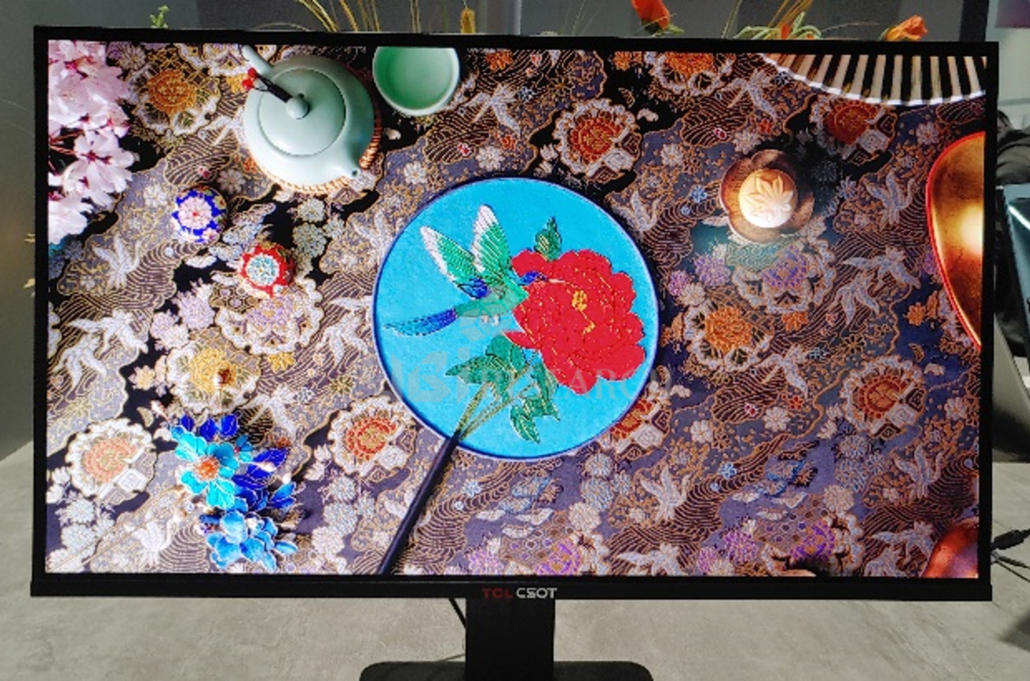
In the second quarter of 2022, OLED medium to large-sized display markets rose 22.9% compared to the previous quarter and increased 11.2% compared to the same quarter last year. OLED for laptops is the largest increase in medium to large-sized OLED shipments. Shipments in the first quarter were 1.14 million units, but shipments in the second quarter were 2.18 million units, about twice that of the previous quarter.

As the war in Ukraine continues to extend, the premium TV market is being hit hard in Europe. Estimated shipments of OLED panels for TVs in 2022 were 9.2 million units in the last quarter, but revised shipments were 9.1 million units. Shipment of OLED TVs in the second quarter increased by 250,000 units from 1.71 million units in the first quarter to 1.96 million units. Of these, shipments of WRGB OLED panels are 1.71 million units and QD-OLED TV panels are 250,000 units.

Medium and Large OLED Display Market(2Q 2022)

Medium and Large OLED Display Market(2Q 2022)

As Samsung Electronics plans to increase sales of QD-OLED TVs to 1 million units next year, shipments of OLED TVs for TVs are expected to increase to 12 million units by 2023. LG Display is expected to convert its P7 and P8 lines into OLED lines to gradually reduce its LCD panel business, which is deteriorating profitability, and increase OLED production.

Medium and large OLED displays are categorized into application products (TV, Tablet, Notebook, Monitor, and Automotive), and the estimated shipments to 2027 are shown as a 100% cumulative graph.

Medium and Large OLED Display shipments and forecasts

Medium and Large OLED Display shipments and forecasts

It is estimated that shipments of medium and large OLED displays will increase to 26.3 million units in 2022 and 84.2 million units in 2027. Apple expects Tablet shipments to increase sharply after 2024 as the iPad is expected to be released in 2024.

“3Q22 Medium & Large OLED Display Market Track” surveyed the current status of OLED production capacity for medium and large OLED displays over 10 inches, quarterly shipments and sales performance for major product lines such as Automotive, Note PC, Monitor, and TV by major panel manufacturers. It will also provide data on market forecast analysis of 5 years to 2027, such as ASP and OLED demand/supply analysis by application.

▶ 3Q22 Medium and Large OLED Display Market Track Sample Download